Stop and call for qualified help when plumbing water is near electrical equipment, sewage is entering occupied space, gas or burning odors are present, or a repair would require opening pressurized piping.
Why Low Water Pressure Deserves Attention
Low water pressure can turn an otherwise comfortable home into a frustrating place to live. A shower may produce a weak spray, a bathroom faucet may take longer to fill a basin, or an outdoor hose connection may deliver less water than expected. In some Miramar Beach homes, the problem develops gradually. In others, the change happens overnight.
Although people commonly describe these symptoms as low water pressure, the underlying problem is not always insufficient pressure. Restricted water flow, partially closed valves, mineral deposits, deteriorating plumbing components, and changes in water demand can produce similar results. Identifying the difference helps homeowners avoid replacing fixtures or making repairs that do not address the actual cause.
In Northwest Florida, plumbing systems must also contend with conditions associated with coastal living. Salt air can accelerate corrosion on exposed metal components, while seasonal occupancy may allow minor plumbing problems to go unnoticed. Homes used as vacation rentals may experience significant changes in water demand depending on the number of occupants.
A persistent reduction in water pressure deserves investigation, particularly when it affects several fixtures or appears alongside unexplained water usage. Professional diagnosis can determine whether the issue is limited to one fixture, involves the home's internal distribution system, or originates closer to the incoming water supply.
Understanding the Difference Between Water Pressure and Water Flow
Water pressure is the force pushing water through a plumbing system. Water flow describes how much water passes through a pipe or fixture during a given period. The two are related, but they are not interchangeable. A home can have adequate supply pressure and still deliver disappointing flow because something restricts the movement of water.
Consider a bathroom faucet with a clogged aerator. Water may reach the faucet at normal pressure, but accumulated debris limits the amount that exits the spout. The result looks like a pressure problem even though the restriction is located at the fixture. A similar effect can occur when a supply line is kinked or a plumbing valve does not open completely.
Pressure also changes while water is being used. Static pressure is measured when fixtures are off and water is not flowing. Dynamic pressure is measured while water is moving through the system. A substantial pressure drop during ordinary water use can point toward an undersized, obstructed, or otherwise restricted supply path.
A licensed plumber may compare static and flowing pressure measurements at appropriate testing locations. The results help distinguish an incoming supply problem from a restriction inside the home. This distinction matters because the correct solution could range from repairing a single fixture to investigating the property's main water service line.
Common Causes of Low Water Pressure in Miramar Beach Homes
There is no single explanation for every low-pressure complaint. A useful diagnosis begins with identifying which fixtures are affected, whether the symptoms involve hot water, cold water, or both, and whether the change developed gradually or suddenly. These details narrow the possible causes before repairs begin.
Fixture restrictions are among the more localized causes. Faucet aerators and showerheads can collect sediment or mineral deposits. Debris may also accumulate inside faucet cartridges, mixing valves, or supply connections. When only one fixture performs poorly, these components are reasonable starting points for a professional inspection.
Problems affecting several fixtures require a broader investigation. A partially closed main valve, malfunctioning pressure-reducing valve, restricted supply piping, or damaged water service line can reduce available flow throughout a property. Corrosion inside certain older metal pipes may progressively narrow the passage available for water. The extent of a restriction cannot reliably be determined from the home's age alone.
Sometimes the source is outside the building. Utility maintenance, temporary service interruptions, and changes in neighborhood water demand may affect delivery conditions. In a home with a private water supply system, pumps, pressure controls, and storage equipment introduce additional possibilities. A plumber should establish the actual supply arrangement before recommending equipment or repairs.
- Clogged faucet aerators, showerheads, or fixture cartridges
- Partially closed or malfunctioning plumbing valves
- Failing or improperly adjusted pressure-reducing valves
- Restricted, corroded, or damaged supply piping
- Undetected leaks that affect available water flow
- Water utility interruptions or supply-side changes
- Multiple fixtures operating at the same time
How to Tell Whether the Problem Affects One Fixture or the Whole House
The location of the symptoms provides some of the most useful diagnostic information. If one bathroom sink has weak flow while nearby fixtures perform normally, the problem is more likely to involve that sink's faucet, connections, or branch piping. If every shower and faucet performs poorly, the investigation should begin with components shared by those fixtures.
Homeowners can make basic observations without opening plumbing connections or adjusting unfamiliar equipment. Compare water flow at several accessible fixtures, including a kitchen faucet, bathroom sink, and shower. Note whether the problem occurs with hot water, cold water, or both. Avoid running numerous fixtures simultaneously just to test the system, especially if leakage is suspected.
A hot-water-only problem points toward different possibilities than a problem affecting both temperatures. Restrictions in a water heater's connections, hot-water distribution piping, or particular mixing valves may interfere with hot-water delivery. A whole-house reduction affecting both hot and cold water may involve the incoming supply, common piping, or pressure regulation.
Timing matters as well. A shower that becomes weak only when another fixture is operating may indicate insufficient available flow under combined demand. A faucet that is consistently weak regardless of other water use suggests a more persistent restriction. Sharing these observations with a plumber can make the diagnostic visit more efficient.
When Low Water Pressure May Indicate a Water Leak
A water leak does not always announce itself with a visible puddle. Depending on its location and severity, a leak in a supply pipe or water service line may contribute to reduced pressure or flow at fixtures. However, low pressure alone does not prove that a leak exists, and some leaks produce no noticeable change in fixture performance.
Additional warning signs make a leak more concerning. An unexplained increase in metered water use, persistent dampness, unusual sounds of running water when fixtures are off, or water appearing where it normally should not can indicate a supply-system problem. Moisture around walls, cabinets, and flooring also deserves attention, although condensation and other building issues can produce similar symptoms.
For a Miramar Beach property that remains vacant between visits, an unnoticed leak may continue for an extended period. Property managers should take reports of suddenly weak water flow seriously when they occur alongside unusual water consumption or unexplained moisture. Waiting for a clear surface leak can allow additional damage to develop.
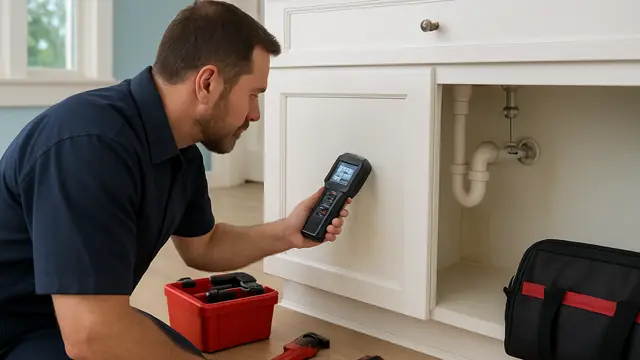
If active water leakage threatens the building, stop using the affected fixtures and shut off the water at a known, safely accessible main shutoff valve when appropriate. Do not enter standing water near electrical equipment. Contact a licensed plumber for leak detection and repair. Professional testing can help determine whether water is escaping from the pressurized plumbing system before unnecessary walls or floors are opened.
Pressure-Reducing Valves and Their Role in Residential Plumbing
Some homes have a pressure-reducing valve, commonly called a PRV, installed along the incoming water supply. Its purpose is to reduce higher incoming pressure to a more suitable level for the building's plumbing system. Not every home has one, and the presence or location of a PRV depends on how the property was designed and supplied.
When a pressure-reducing valve deteriorates or malfunctions, it may contribute to weak water delivery, unstable pressure, or other unusual performance. Internal wear, debris, and mechanical problems can interfere with normal regulation. However, the symptoms of a failing PRV can resemble those of restricted piping or other supply problems.
A professional should confirm that a PRV is installed before treating it as the likely cause. A plumber can inspect the valve's condition, measure pressure at suitable points, and evaluate how the system responds when water flows. Testing should account for the incoming supply conditions and any other equipment that affects system pressure.
Homeowners should avoid turning an unfamiliar regulator adjustment screw in an attempt to increase pressure. Raising pressure without understanding the plumbing system can create additional stress on pipes, fixtures, appliances, and connections. If a regulator needs adjustment, repair, or replacement, the work should follow the equipment manufacturer's instructions and applicable local requirements.
How Pipe Condition and Plumbing Layout Affect Water Delivery
The material, diameter, condition, and arrangement of a home's pipes influence how effectively water reaches its fixtures. Every pipe and fitting creates some resistance to flow. Long pipe runs, numerous fittings, narrow passages, and restrictions can increase pressure loss while water is moving through the system.
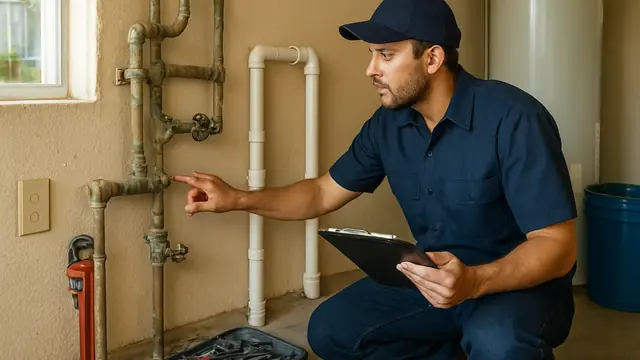
Older galvanized steel supply pipes are one example of plumbing that can develop internal corrosion and buildup over time. As the passage narrows, fixtures may receive progressively less water during use. Other pipe materials can experience restrictions from debris, damaged connections, improper installation, or isolated component failures. A plumber should identify the actual materials and conditions rather than assuming a particular pipe type is responsible.
Plumbing layout becomes especially important when several bathrooms, laundry equipment, and kitchen fixtures operate simultaneously. A supply system that performs adequately with one faucet running may struggle during combined demand. In a larger home or vacation rental, high occupancy can make an existing flow limitation more noticeable.
A professional evaluation may include checking the main supply size, identifying restrictive fittings, reviewing fixture demand, and examining accessible piping. Replacing an entire plumbing system is not automatically necessary. In some cases, a localized repair or correction to a restricted section resolves the issue. In others, broader piping improvements may be appropriate after the source of the problem has been confirmed.
What Happens During a Professional Low Water Pressure Inspection
A low water pressure service visit should begin with a discussion of the symptoms. The plumber may ask when the problem started, whether it affects every fixture, whether hot and cold water behave differently, and whether any plumbing work or utility interruption occurred recently. Reports from occupants or property managers can help establish patterns that are not obvious during a single visit.
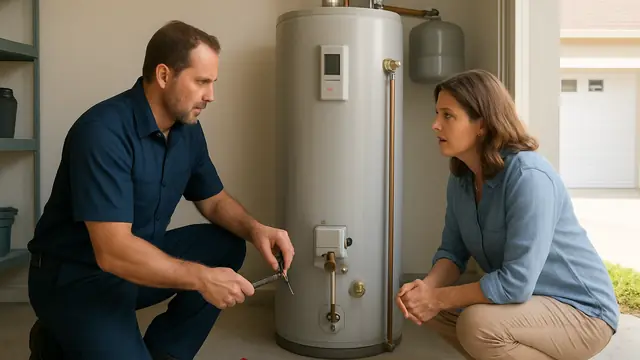
The next step is generally a systematic inspection of accessible plumbing components. This may include checking the incoming water connection, observing the condition and position of relevant valves, examining fixture performance, and looking for evidence of leaks or restrictions. The plumber may also identify whether the home has a pressure-reducing valve or other equipment affecting water delivery.
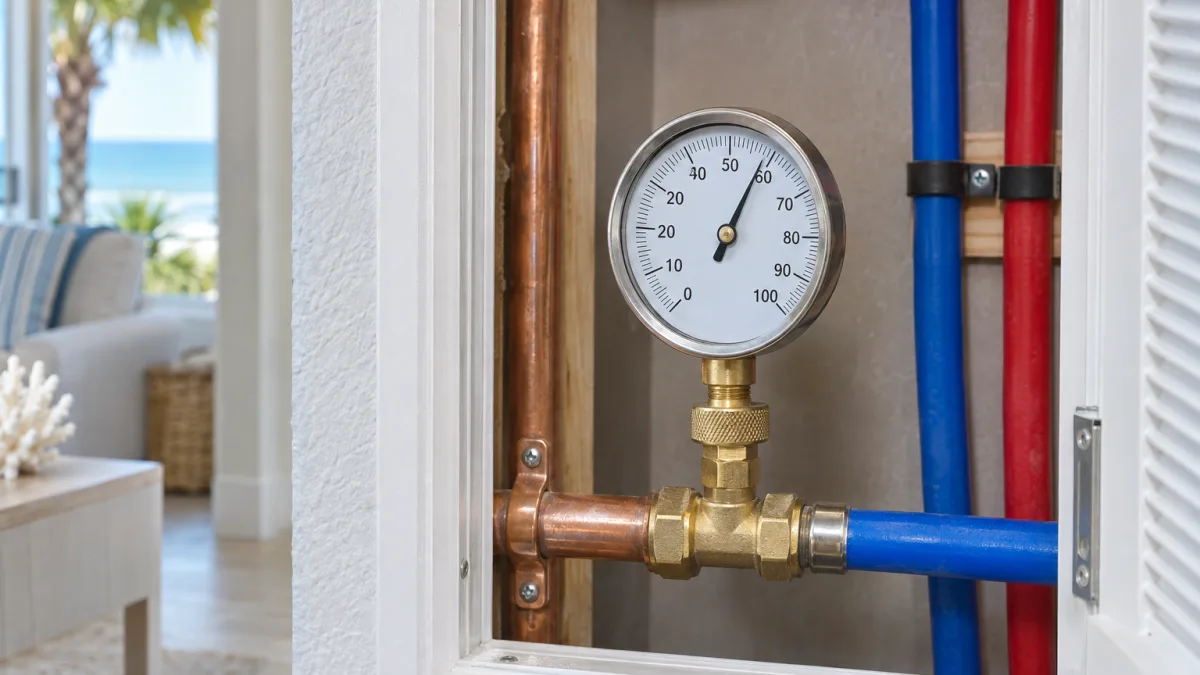
Pressure testing helps separate inadequate supply pressure from excessive pressure loss during use. Depending on the property's configuration, the plumber may measure static pressure, measure pressure while fixtures are operating, and compare readings at different locations. Flow measurements can provide additional information when pressure readings alone do not explain the symptoms.
If testing indicates a problem beyond the building's plumbing, the homeowner may need to contact the water utility or the party responsible for the supply infrastructure. If the problem is within the property, the plumber can explain the findings and recommend targeted repairs. A useful diagnosis should identify what was tested, what the results suggest, and whether further investigation is necessary before substantial work begins.
- Review of symptoms and recent changes in water delivery
- Inspection of accessible valves, fixtures, and supply connections
- Static and flowing water pressure measurements
- Evaluation of pressure regulation and possible restrictions
- Assessment of potential leaks and affected piping
- Explanation of repair options and any remaining uncertainty
Planning Repairs Without Replacing More Plumbing Than Necessary
A pressure complaint does not automatically justify replacing major plumbing components. The appropriate repair depends on identifying the restriction or supply problem. A single weak faucet may need attention to its internal components, while a confirmed service-line restriction requires a different scope of work.
When a plumber recommends repairs, ask which findings support the recommendation. For example, a pressure-reducing valve replacement should be supported by inspection and testing that indicate the valve is not functioning properly. A recommendation to replace piping should explain where the restriction or deterioration is suspected, how much of the system is affected, and what additional testing may be useful.
For more extensive repairs, homeowners and property managers should discuss access requirements and the potential effect on occupied spaces. Work involving concealed pipes may require opening finished surfaces. Service-line repairs may involve outdoor access and coordination with the appropriate utility or property association. The responsibility for particular piping sections should be established before work proceeds.
Repair planning should also address temporary water interruptions, fixture availability, and testing after the work is complete. In a vacation rental, scheduling around reservations can reduce disruption, but active leaks and serious water delivery failures should not be postponed simply to avoid inconvenience. The goal is to restore reliable performance while limiting unnecessary demolition and repeat repairs.
Maintaining Reliable Water Flow in Coastal and Seasonal Properties
Preventive care cannot eliminate every water pressure problem, but regular attention to plumbing performance makes changes easier to recognize. Homeowners can note whether showers, sinks, and other fixtures maintain their usual flow. A gradual decline is often easier to evaluate when there is a clear understanding of how the system previously performed.
Coastal conditions make the inspection of exposed plumbing components particularly worthwhile. Salt-laden air and humidity can contribute to corrosion on vulnerable metal fittings, supports, and equipment surfaces. Exterior plumbing components should be examined during routine professional maintenance, especially where corrosion, moisture, or physical deterioration is visible.
Seasonal occupancy creates another maintenance challenge. A property that sits unused for several weeks may develop problems that are not discovered until someone returns. Before an extended vacancy, arrange for appropriate plumbing checks and follow the property's established water-management procedures. When reopening the property, observe fixture performance and look for unusual moisture or changes in water usage.
Vacation rental managers can improve response times by giving cleaning and maintenance personnel a simple reporting procedure. Complaints about weak showers, unusually slow sinks, or sudden changes in flow should be recorded with the affected fixture and approximate time. These details help distinguish an isolated fixture issue from a broader supply problem that needs professional attention.
When to Contact a Licensed Plumber in Miramar Beach
Professional evaluation is appropriate when low water pressure affects multiple fixtures, persists after an ordinary utility interruption has ended, or develops without an obvious explanation. A plumber should also inspect pressure problems that are accompanied by unusual plumbing sounds, recurring restrictions, unexplained water usage, or visible deterioration around supply components.
A sudden, severe reduction in water flow deserves prompt attention. First determine whether the water utility has announced a service interruption, if that information is readily available. If neighboring properties appear unaffected or the utility reports normal service, a problem within the property's supply system becomes more likely. Do not attempt to disassemble the meter assembly or utility-owned equipment.
If reduced water delivery occurs alongside active leakage, significant water damage, or a suspected broken supply line, stop using the affected plumbing and seek prompt professional assistance. Where water has reached electrical outlets, appliances, or other energized equipment, keep away from the area until qualified personnel determine it is safe.
A Superior Mechanical serves homeowners and property managers in Northwest Florida with licensed and insured plumbing services. For Miramar Beach properties, a professional low-pressure evaluation can help identify whether the appropriate next step is fixture repair, pressure regulation service, leak investigation, or work on the water supply piping. Establishing the cause before choosing a repair helps protect the plumbing system and avoid unnecessary work.
About this guide: This resource provides general homeowner education, not a remote diagnosis. Actual conditions, code requirements, equipment, and safe repair options must be evaluated at the property.