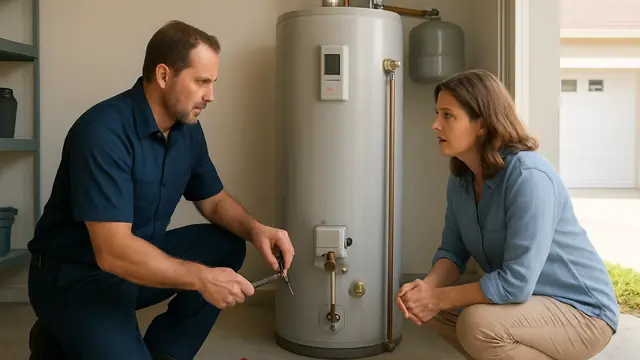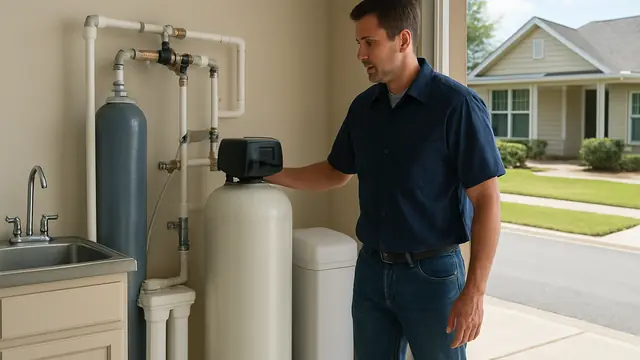
Stop and call for qualified help when plumbing water is near electrical equipment, sewage is entering occupied space, gas or burning odors are present, or a repair would require opening pressurized piping.
You may first notice that the kitchen faucet takes longer to fill a pot, the shower pressure changes when another fixture runs, or a leak has appeared near a valve that was repaired before. For a Miramar Beach homeowner, one plumbing problem may be wear. Several problems developing in different areas can be signs your home needs repiping.
Repiping means replacing part or all of the pressurized water-supply system carrying hot and cold water to fixtures and appliances. It is not the same as replacing drains or sewer piping. A complete repipe should be recommended only when repeated repairs, pipe condition, or restricted flow make broader replacement reasonable.
If water is actively leaking, shut off the closest fixture valve or the main water valve if you can reach it safely. Stay away from wet electrical areas, move belongings from the leak zone, and contact a licensed plumber. Do not repeatedly restore water while a concealed leak continues damaging the property.
Common Signs Your Home May Need Repiping in Miramar Beach
More Than One Leak Has Occurred
A single leaking connector, valve, or fitting may be isolated. The situation becomes more concerning when leaks appear in different rooms, involve concealed lines, or affect the same pipe type repeatedly.
Water Pressure Is Uneven Throughout the Home
Low flow at one faucet may be caused by a clogged aerator, worn cartridge, partly closed valve, or fixture problem. Weak flow at several hot and cold fixtures may point to internal restrictions, a pressure regulator problem, an undersized branch, or a supply issue.
Notice whether pressure drops only when several fixtures are used. This helps a plumber determine whether the problem is local or system-wide.
Water Is Frequently Discolored
Brown, yellow, reddish, or cloudy water can come from the incoming supply, water heater, one fixture, or corroding metal pipe. Check whether it affects hot water, cold water, or both.
Persistent discoloration combined with pressure loss or repeated leaks deserves evaluation.
Exposed Pipes or Valves Show Deterioration
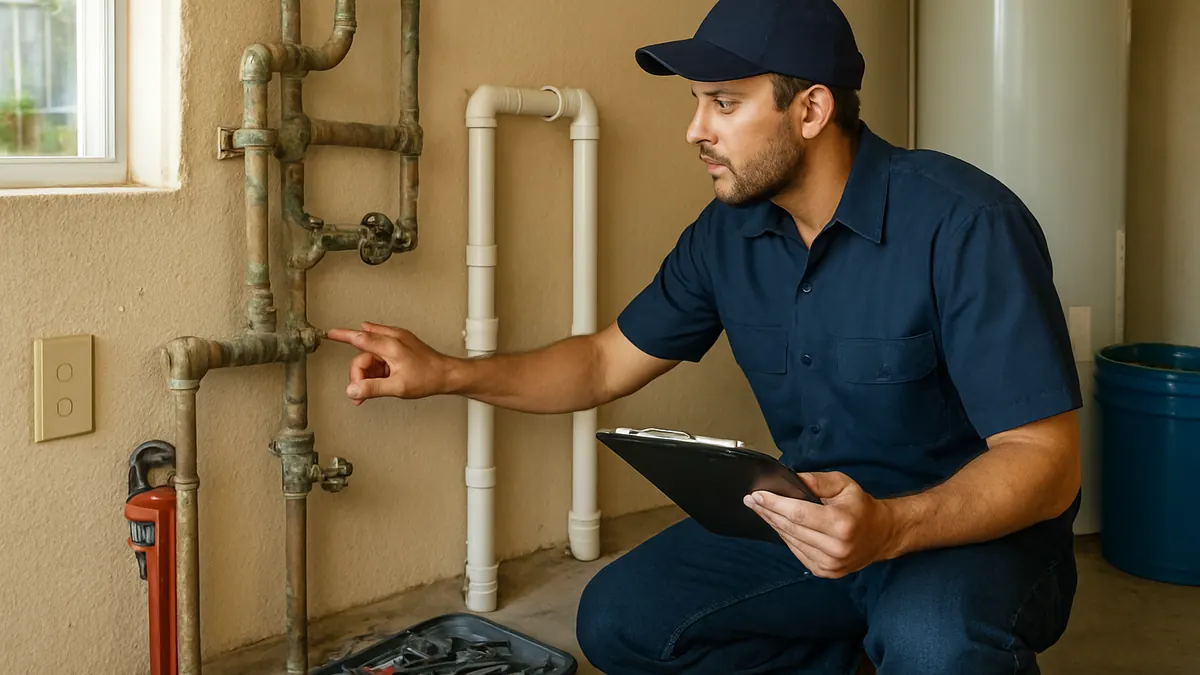
Look at accessible lines under sinks, around the water heater, and near appliances. Rust, pitting, colored staining, crusty deposits, damp fittings, or several old repairs can indicate deterioration.
Do not scrape, twist, or aggressively tighten a corroded fitting. A weakened connection can break when disturbed.
Hidden Moisture Keeps Appearing
A stained ceiling, swollen cabinet, bubbling paint, soft drywall, loose flooring, or musty odor may indicate a concealed leak. Plumbing is only one possible source, so the area should be tested rather than guessed at.
A supply leak becomes more likely when the stain grows during water use or the meter moves while fixtures are off.
Why Water-Supply Pipes Begin Failing
Pipe life depends on material, installation quality, pressure, temperature, support, fitting compatibility, physical damage, and water chemistry. Metal pipes can corrode internally. Buildup may reduce flow and weaken the pipe wall. Plastic piping does not rust, but it may fail where fittings are incompatible, connections were poorly made, lines were damaged, or the pipe lacks support.
Excessive pressure can shorten the life of valves, connectors, appliance hoses, and joints. A pressure problem should be corrected whether the home needs one repair or a larger project.
Safe Checks the Homeowner Can Perform
Run several fixtures one at a time and compare their flow. Test hot and cold water separately, then run a second fixture and note whether the first loses significant pressure.
Inspect cabinets, baseboards, ceilings below bathrooms, and areas around the water heater and appliances. Look for staining, moisture, swelling, corrosion, or previous repairs.
Review water bills for unexplained increases. With all known water use stopped, observe the water meter if accessible. Continued movement may suggest a leak, although automatic equipment can also use water.
Photograph symptoms and keep repair invoices to show whether the problem is recurring.
What the Homeowner Should Not Attempt
- Do not cut random openings in walls, ceilings, or floors. Professional leak detection can often narrow the likely location before access is created.
- Do not raise system pressure to compensate for weak flow. Higher pressure can worsen leaks and stress valves, fittings, appliances, and fixture connectors.
- Do not use drain cleaner for low pressure, discolored water, or a supply-line leak. Drain products cannot repair pressurized water lines.
Avoid treating tape, sealant, improvised clamps, or unapproved fittings as permanent repairs. Temporary control may reduce immediate damage, but the affected section still requires proper correction.
Signs That Make the Situation Urgent
- Water coming through a ceiling, wall, light opening, outlet, or electrical area requires prompt action. Shut off the water when safe and avoid wet electrical components.
- A bulging ceiling, rapidly spreading stain, visible burst pipe, sudden whole-home pressure loss, or sound of water running behind a surface also requires fast service.
- Several leaks within a short period are urgent even when each is small. The next failure may occur in a less accessible area.
How a Licensed Plumber Diagnoses the Need for Repiping
The plumber begins with the repair history, symptoms, fixture locations, and known pipe materials. Accessible lines are inspected for corrosion, damaged fittings, poor support, old patches, and improper transitions.
Static pressure is measured when no fixture is running. Flowing pressure is measured while fixtures operate. Comparing the two helps distinguish a supply problem from an internal restriction.
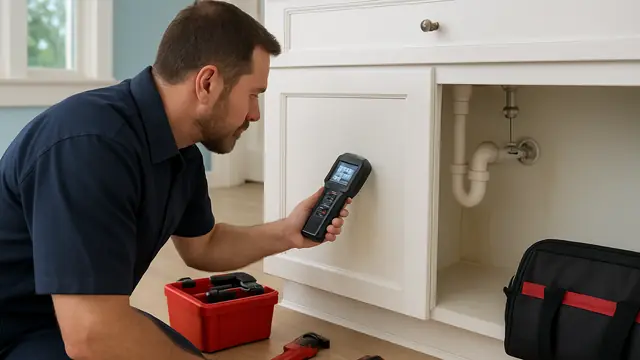
Branches may be isolated to determine whether one section or the whole system is affected. Moisture meters, acoustic equipment, thermal imaging, or other methods may help locate concealed water without unnecessary demolition.
Repair Options Starting With the Least Invasive
The least invasive solution may be cleaning an aerator, replacing a cartridge, repairing a connector, replacing a shutoff valve, correcting a pressure regulator, or replacing one short accessible section.
If the problem is limited to one bathroom, one hot-water route, or one identifiable branch, partial repiping may provide a durable solution without replacing reliable lines elsewhere.
A phased approach may be coordinated with remodeling. Whole-house repiping becomes more reasonable when leaks are widespread, restrictions affect many fixtures, or the same unreliable material remains throughout the property.
PEX and copper are common replacement materials, selected according to the home, routing, access, and approved use.
Factors That Affect Repiping Cost
Cost depends on home size, fixture count, number of floors, replacement material, pipe-route length, and accessibility.
Pipes behind cabinets, tile, finished ceilings, or detailed surfaces require more protection and restoration. Permits, inspections, insulation, valves, reconnections, drywall work, painting, and cleanup may also affect the project.
Prevention and Maintenance Guidance
Keep the main water shutoff accessible and make sure household members know where it is. Replace aging washing-machine hoses, refrigerator lines, toilet connectors, and faucet supply lines before they fail.
Have pressure checked if pipes bang, valves leak repeatedly, or appliance connections wear out early. Investigate stains, musty odors, discoloration, and unexplained flow changes promptly.
For an occasionally unoccupied property, monitored leak sensors or an automatic shutoff can limit damage.
Make the Next Decision Based on the Pattern
The signs your home may need repiping in Miramar Beach are most meaningful when they appear together: recurring leaks, uneven pressure, persistent discoloration, visible deterioration, or concealed moisture. A licensed evaluation can determine whether a focused repair, partial repipe, phased plan, or complete replacement is the responsible next step.
About this guide: This resource provides general homeowner education, not a remote diagnosis. Actual conditions, code requirements, equipment, and safe repair options must be evaluated at the property.