Stop and call for qualified help when plumbing water is near electrical equipment, sewage is entering occupied space, gas or burning odors are present, or a repair would require opening pressurized piping.
1. Strong Water Flow Does Not Tell the Whole Story
A forceful shower can feel like a plumbing upgrade, but excessive water pressure puts unnecessary stress on a home's water distribution system. Pressure is the force acting inside the piping. Flow is the amount of water delivered over time. They are related, but they are not interchangeable. A faucet can deliver a weak stream through a clogged aerator while the supply piping behind it remains under excessive pressure.
For homeowners and property managers in Valparaiso, the useful question is not whether the water feels strong. It is whether measured pressure stays within an appropriate range for the plumbing and connected equipment. Fixture condition, pressure regulation, and water-heater expansion all affect that assessment. A licensed plumber can distinguish a supply-pressure problem from a restriction, an isolated fixture defect, or a brief pressure surge.
2. Warning Signs Worth Documenting
Excessive pressure sometimes shows up as unusually forceful faucet discharge, splashing that is difficult to control, or repeated trouble with appliance supply connections. Faucets may develop drips, and automatic valves in washing machines or dishwashers may close with a noticeable bang. These symptoms are clues, not proof. Worn parts, loose piping, and faulty fixture valves can produce similar complaints even when household pressure is acceptable.
Look for patterns rather than diagnosing the problem from one symptom. Note whether trouble affects several fixtures, whether a bang follows appliance operation, and whether pressure feels strongest after hours without water use. A simple record of timing helps the plumber choose appropriate tests. If a connection is actively spraying or water is reaching electrical equipment, stop using the affected area and request prompt professional assistance rather than continuing to test fixtures.
3. What a Proper Pressure Test Measures
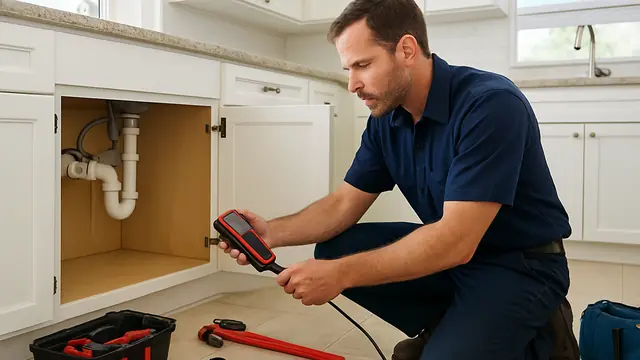
A plumber typically checks static pressure with fixtures and water-using appliances off, then observes pressure while water is flowing. Static pressure shows the resting load on the system. Flowing, or dynamic, pressure helps reveal how the supply performs under demand. Sustained household pressure above 80 pounds per square inch is a recognized concern that warrants professional evaluation. The appropriate operating setting also depends on equipment limits, system design, and applicable local requirements.
A single normal reading does not rule out an intermittent problem. Pressure may change with supply conditions or rise during a water-heater recovery cycle. A recording gauge or gauge with a maximum-reading indicator can help capture changes over time. The plumber should identify where the measurement is taken because some outdoor faucets may connect ahead of a regulator. Testing the wrong point can misrepresent the pressure reaching indoor fixtures.
4. How a Pressure-Reducing Valve Protects the House
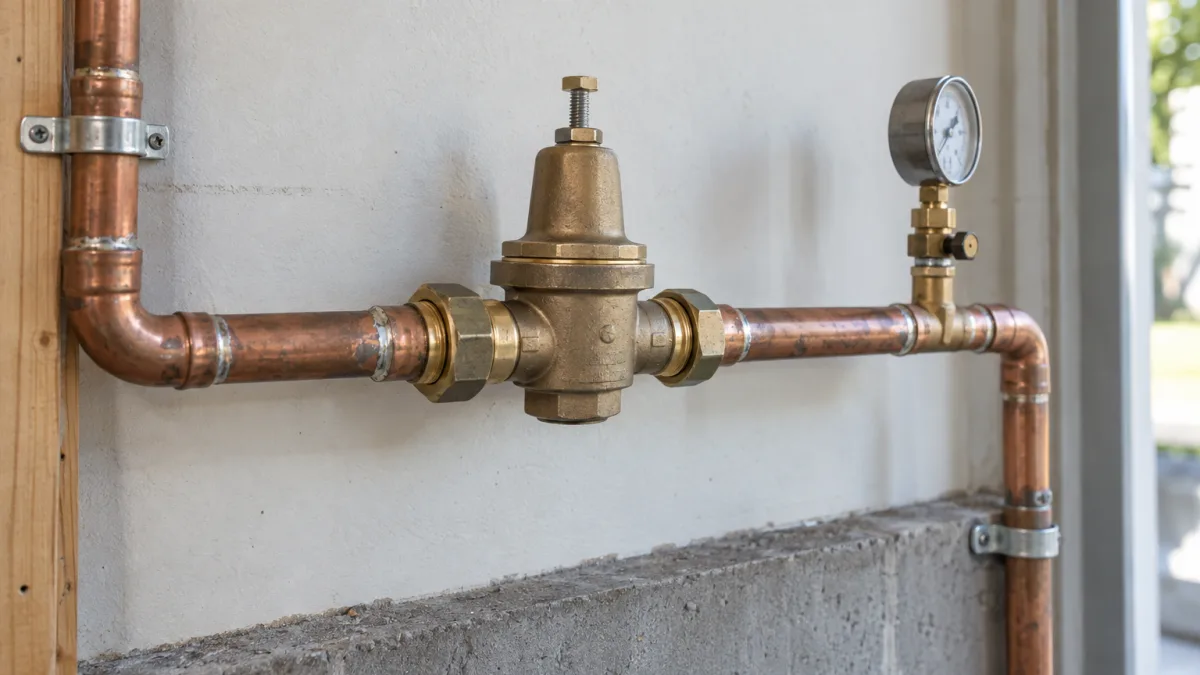
A pressure-reducing valve, often called a PRV or pressure regulator, reduces incoming supply pressure before water reaches the plumbing it serves. Not every home has one, and its location varies. It may be near the building's water-service entry or another accessible point on the supply line. A plumber first confirms whether a regulator exists, which branches it serves, and whether it is suitable for the home's demand.
Regulators can develop problems as internal components wear or debris affects their operation. A valve may fail to hold its setting, allow pressure to creep upward, or restrict flow excessively. Turning an adjustment screw without testing can conceal the actual fault or create a new performance problem. Professional service should include measurements before and after any adjustment or replacement, plus a check of how the system responds when multiple fixtures operate.
5. Why Water Heating Can Raise Pressure
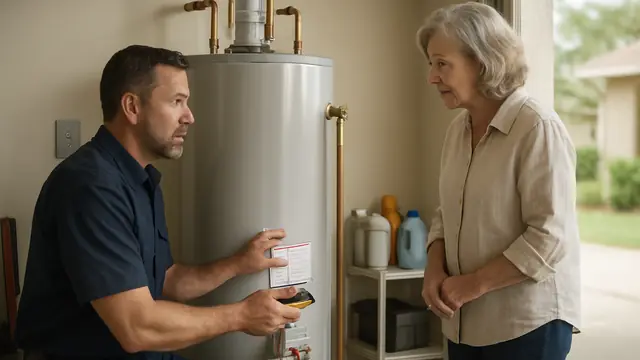
Water expands when it heats. In a closed plumbing system, a check valve, backflow device, or certain regulator arrangements prevent that added volume from moving back toward the supply. Pressure can then rise as a storage water heater heats its contents, even if incoming pressure is properly regulated. This is thermal expansion, and it requires a different diagnostic approach from simply lowering the regulator setting.
Where appropriate, a properly sized potable-water expansion tank provides a cushion for the expanding water. Its air charge, internal condition, connection, and support all matter. A plumber evaluates the tank in relation to the water heater and measured supply pressure, following manufacturer requirements. Persistent discharge from a water heater's temperature-and-pressure relief valve needs prompt attention. Never cap, plug, or isolate that valve or its discharge pipe to stop the water.
6. Separate High Pressure from Water Hammer
Water hammer is a pressure shock associated with a rapid change in water movement, often when an automatic appliance valve closes. The sound may be a sharp bang rather than a steady plumbing noise. High pressure can make the event more severe, but water hammer can occur at otherwise acceptable pressure. Loose pipe supports can also amplify sound, making the problem seem more dramatic than a pressure reading alone would suggest.
A useful diagnosis considers the triggering fixture, valve closing speed, pipe support, and measured system pressure. Depending on the findings, correction may involve pressure regulation, securing accessible piping, or installing an appropriately selected water hammer arrestor near the source. An arrestor is not a substitute for correcting excessive sustained pressure. Likewise, replacing a regulator will not necessarily eliminate every noise if the underlying issue is a loose pipe or defective appliance valve.
7. What to Ask During a Plumbing Evaluation
Describe when the symptoms occur and ask the plumber to explain the measurements, not just recommend a part. Useful findings include incoming pressure, regulated pressure, pressure under demand, and any rise during water heating. The inspection may also include the regulator's condition, expansion control, accessible supply connections, and the arrangement of check or backflow devices. These details help separate the original cause from damage or wear that developed alongside it.
Before approving work, ask which problem the proposed repair addresses and how the plumber will verify the result. If a regulator is being replaced, discuss valve accessibility and whether thermal expansion needs attention. If an expansion tank is recommended, ask about sizing, support, and compatibility with the system. For a property with irrigation or separate outbuildings, confirm which branches will be regulated so the scope matches the actual plumbing layout.
8. Northwest Florida Conditions That Affect Planning
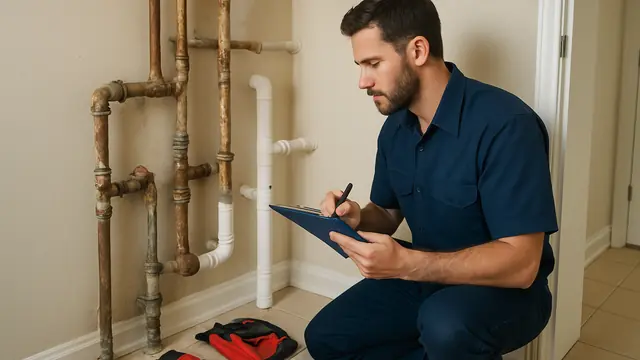
Valparaiso's humid Northwest Florida environment makes the location and accessibility of plumbing equipment worth considering. Outdoor or damp installations can develop corrosion, especially where coastal salt exposure reaches metal components. Surface corrosion does not prove a regulator has failed, but deteriorated fittings or supports deserve inspection. Replacement planning should account for the installation environment and preserve access for future testing rather than hiding equipment behind permanent finishes or crowded storage.
Seasonal occupancy can also make pressure problems harder to recognize because fixtures may sit unused for long periods and no one hears recurring noises. If a property has a history of intermittent symptoms, arrange testing when water-heater cycles and normal fixture use can be observed. After a utility interruption, follow the water provider's notices. A brief return-of-service disturbance is not enough to diagnose regulator failure, but persistent abnormal pressure should be investigated.
9. Maintenance Without Risky Adjustments
Keep the regulator, expansion tank, and main shutoff accessible, and retain service records showing pressure readings and installed components. During routine plumbing service, ask whether pressure testing and expansion-system checks are appropriate for the equipment and its history. There is no single replacement schedule that fits every regulator or expansion tank. Condition, manufacturer guidance, water conditions, and changes in performance are more useful than replacing parts based on age alone.
Homeowners can safely note new noises, inspect visible connections without disturbing them, and report changes in fixture behavior. Do not loosen fittings, open pressurized components, or attempt to recharge an expansion tank without proper training and system isolation. Do not use a partially closed main shutoff as a pressure regulator. It may reduce flow during use, but it does not reliably control downstream static pressure once water stops moving.
10. When to Stop Using Water and Call
Arrange a plumbing appointment when measured pressure is persistently excessive, several fixtures develop recurring pressure-related symptoms, or a regulator no longer appears to control pressure. More urgent conditions include a bulging appliance hose, an actively spraying connection, severe new banging accompanied by leakage, or continuing relief-valve discharge. Keep clear of hot discharge water. If water is near outlets, wiring, or powered equipment, do not enter the wet area or touch electrical devices.
If you can safely reach a known, operable water shutoff without crossing a wet electrical area, closing it may limit an active supply leak. Do not force a seized valve. Tell the responding plumber whether the water is shut off and whether a water heater may have lost its supply; request safe equipment-specific guidance. For the service visit, have symptom timing, previous pressure readings, and recent plumbing changes available so testing can start with useful information.
About this guide: This resource provides general homeowner education, not a remote diagnosis. Actual conditions, code requirements, equipment, and safe repair options must be evaluated at the property.