Stop and call for qualified help when plumbing water is near electrical equipment, sewage is entering occupied space, gas or burning odors are present, or a repair would require opening pressurized piping.
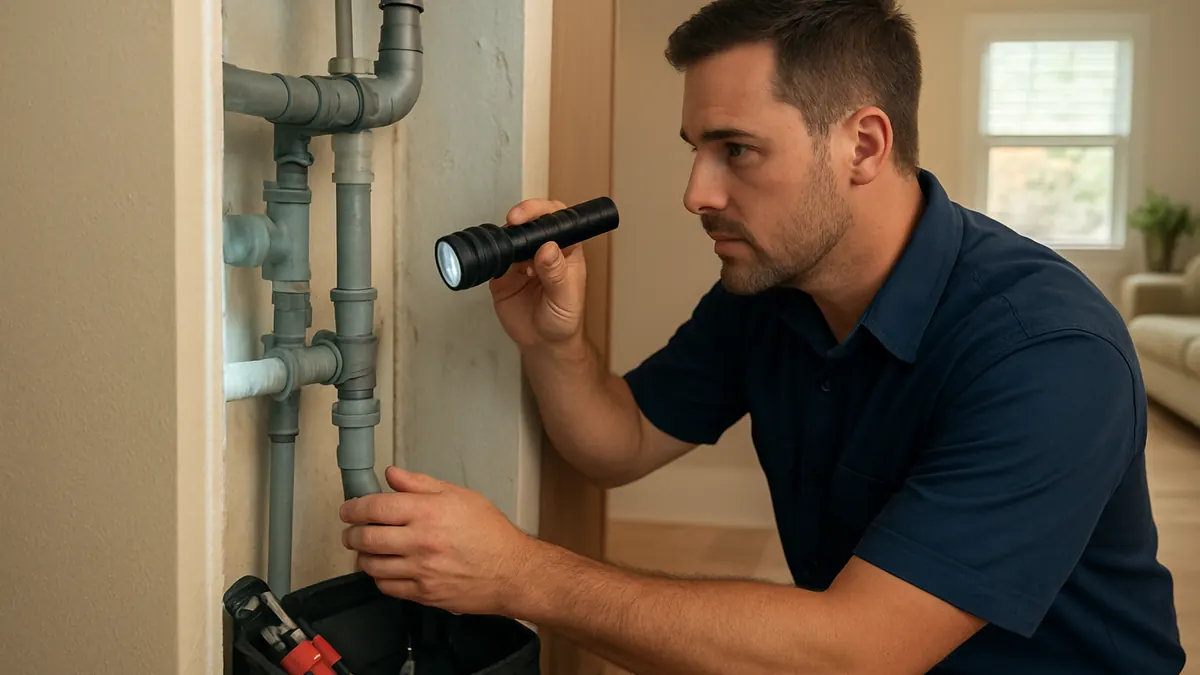
You may discover the concern while replacing a faucet, opening a cabinet, or investigating a faint water stain. A flexible gray tube runs from the shutoff valve into the wall, and you are unsure whether it is polybutylene. Do not pull, bend, cut, or tighten the pipe. Photograph the visible section, locate your main water shutoff, and arrange for a licensed plumber to confirm the material.
Learning how to identify polybutylene plumbing in Valparaiso is not simply a matter of recognizing gray pipe. Reliable identification depends on printed markings, fittings, the pipe's purpose, where it runs, and whether newer material has been connected to older tubing.
What Polybutylene Plumbing Is
Polybutylene is a flexible plastic water-supply pipe installed in homes during earlier decades. It may appear gray, silver-gray, blue, or black. Because it was used for pressurized water lines, it may serve sinks, toilets, tubs, showers, washing machines, or water heaters.
One of the strongest clues is printing that includes "PB." A common marking is "PB2110." Polybutylene systems may also use plastic or metal fittings secured with copper-colored crimp rings or aluminum bands. No single feature should be used alone.
Common Reasons Homeowners Discover Suspected Polybutylene
Many homeowners first notice questionable piping during an unrelated repair. A dripping shutoff valve, water-heater replacement, bathroom remodel, appliance installation, or cabinet repair may expose tubing that was previously hidden.
Another common situation is finding modern PEX or CPVC connected to older gray pipe. This may indicate a previous leak repair or partial replacement rather than a complete repipe.
Water stains, swollen cabinet floors, peeling paint, musty odors, and repaired drywall can also lead a homeowner to investigate. These signs do not prove that polybutylene is present, but they justify inspection.
How to Identify Polybutylene Plumbing in Accessible Areas
Look for PB or PB2110 Markings
Use a flashlight and inspect a clean, undisturbed section. If the pipe is hard to read, take a close photograph and enlarge it. Do not scrape or sand the pipe.
Confirm That It Is a Water-Supply Line
Polybutylene was used for pressurized water distribution. It is usually smaller than a drainpipe and connects to fixtures or appliances.
Examine the Fittings
Look for metal or plastic fittings with crimp rings or bands. Note where the pipe connects to shutoff valves or changes to another material.
Compare More Than One Location
Inspect beneath several sinks, near the water heater, at washing-machine connections, and inside existing access panels. One gray connector does not establish what is installed throughout the home.
Safe Checks a Homeowner Can Perform
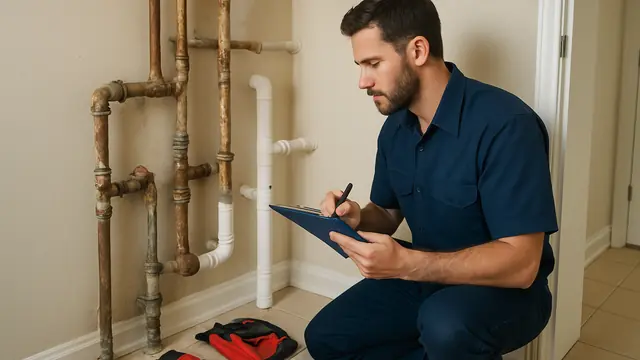
Take wide photographs showing location and close photographs showing markings, fittings, and transitions. Write down which rooms contain similar piping.
Look for moisture around valves, cabinet floors, baseboards, drywall, and flooring. A dry paper towel placed beneath a suspicious fitting can reveal a slow drip without moving the pipe.
Locate the main water shutoff and keep the area clear. If the valve is corroded or difficult to operate, do not force it.
With all fixtures and water-using appliances off, observe the water meter. Continued movement may suggest a leak, although it does not identify the pipe material or location.
What You Should Not Attempt
- Do not bend or squeeze suspected polybutylene to test whether it feels strong. Disturbing an aged connection can create an active leak.
- Do not loosen a fitting, remove a crimp ring, cut out a sample, or install an unverified coupling. Plastic piping systems require compatible transition methods.
- Do not increase water pressure or perform a homemade pressure test. This cannot predict future pipe life and may create unnecessary risk.
- Do not open walls at random. A plumber should first trace visible routes and use moisture evidence to determine whether targeted access is needed.
- Avoid tape, epoxy, putty, or clamps as permanent repairs. They may slow a drip temporarily, but they do not correct the failed connection.
Warning Signs That Make the Problem Urgent
Prompt service is needed when water is actively dripping or spraying, pressure suddenly drops, a ceiling becomes wet or begins to sag, drywall feels soft, flooring lifts, or the water meter moves rapidly when no water should be running.
Water near electrical outlets, appliances, wiring, or panels creates additional danger. Stay away from the wet area and do not operate nearby electrical equipment.
If substantial water is escaping, shut off the main supply only if the valve is safe to reach and operate. Keep people away from bulging ceilings and standing water near electricity.
Repeated leaks in separate rooms also deserve quick attention because the pattern may indicate that more of the system needs evaluation.
How a Licensed Plumber Diagnoses the System
A licensed plumber examines visible markings, tubing dimensions, flexibility, fitting type, crimp method, valves, and transitions to newer materials.
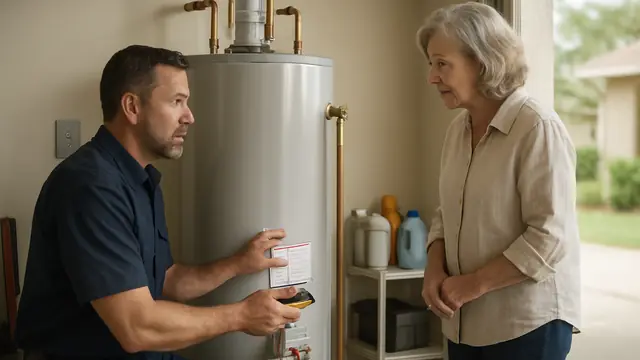
The plumber then estimates the system's extent. Areas under fixtures, around the water heater, in utility spaces, and behind existing access panels can help reveal which branches contain the material.
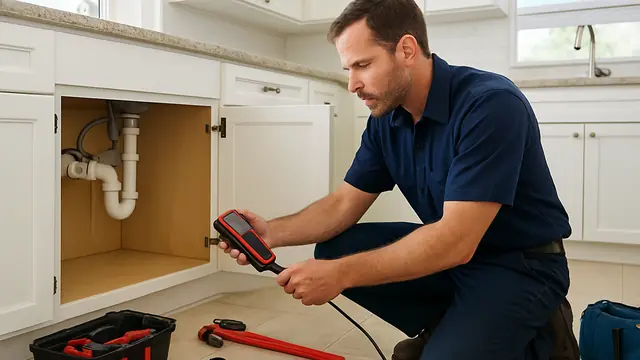
When hidden moisture is suspected, moisture meters, acoustic equipment, thermal observations, or cameras may help locate the problem and guide limited access. A useful diagnosis should separate what is confirmed from what remains concealed.
Repair Options From Least Invasive to Most Complete
Inspection and Documentation
If the pipe is dry, the first step may be a documented inspection with photographs, locations, shutoff information, and recommendations.
Localized Repair
A plumber may remove one failed section and transition to modern piping with compatible fittings. This restores service but does not replace the remaining polybutylene.
Replacement of a Defined Branch
If the material is limited to one accessible branch, replacing that run may be reasonable without disturbing unrelated modern plumbing.
Phased Repiping
A larger system may be replaced in planned stages. Each completed and remaining section should be mapped clearly.
Complete Repiping
If polybutylene is widespread or associated with repeated failures, complete repiping may be the most practical long-term solution. The proposal should explain replacement material, routing, fixture reconnections, testing, access openings, permits when applicable, and finish restoration.
Typical Factors Affecting Cost
Cost depends on the amount of piping, fixture count, home layout, number of levels, accessibility, routing, replacement material, and condition of existing valves.
Drywall, cabinet, ceiling, paint, or trim restoration can also affect the total. Permit requirements, difficult access, and the number of transitions may add labor. An on-site inspection is necessary for a meaningful scope.
Prevention and Maintenance Guidance
- Keep the main shutoff clearly labeled and accessible. Consider water-detection alarms near sinks, the washing machine, and water heater.
- Inspect visible areas periodically without touching fittings. Investigate stains, musty odors, pressure changes, and unexplained meter movement promptly.
- If polybutylene is confirmed and currently dry, create a written monitoring or replacement plan. Planning gives you more control than waiting for an emergency.
Make the Next Decision With Verified Information
Knowing how to identify polybutylene plumbing in Valparaiso begins with careful observation, not aggressive testing. Look for flexible gray or blue tubing, PB or PB2110 markings, crimped fittings, transitions to newer materials, and signs of previous repairs.
A licensed plumber can confirm the material, determine its extent, investigate moisture, and explain options beginning with the least invasive reasonable step. The right response may be documentation, a localized repair, a partial replacement, or complete repiping.
About this guide: This resource provides general homeowner education, not a remote diagnosis. Actual conditions, code requirements, equipment, and safe repair options must be evaluated at the property.