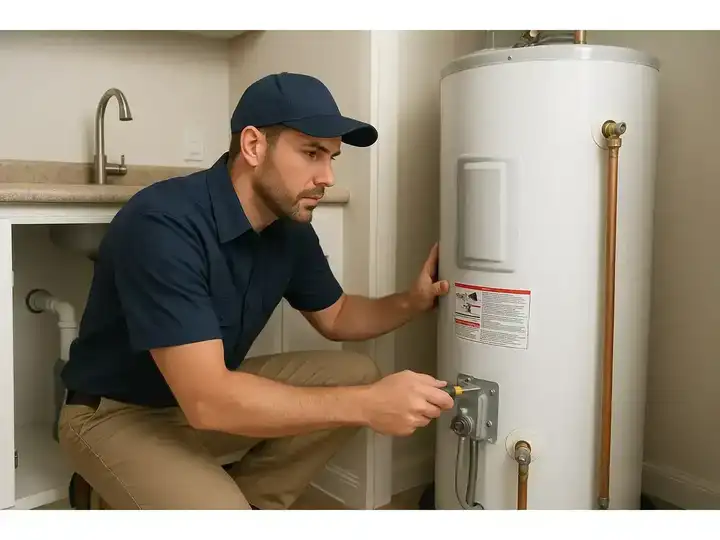
Homes along 30A deal with a mix of coastal humidity, heavy seasonal use, and hard water that can be tough on plumbing. That combination puts extra stress on water heaters, fixtures, pipes, and drains, especially in homes that see vacation rental turnover or frequent guest use. A well planned water heater installation can do more than restore hot water. It can help your whole plumbing system run more smoothly.
For homeowners comparing water heater installation in 30A, FL, the goal is usually simple: reliable hot water, fewer repairs, and better long term performance. The right system can also reduce strain on plumbing fixtures, help manage water pressure, and limit the buildup that hard water leaves behind in pipes and drains.
Why 30A homes put extra demand on plumbing
30A has a coastal climate that brings salt air, humidity, and plenty of year round plumbing wear. Many homes in the area are used as full time residences, second homes, or short term rentals, which means water heaters may serve inconsistent demand. Some weeks bring light use, while others bring full occupancy, long showers, laundry, and more strain on the system.
Hard water is another common issue across Walton County. Minerals in the water can build up inside tanks, coat heating surfaces, and leave residue on faucets, showerheads, and fixtures. Over time, that scale can shorten the life of a water heater and contribute to low pressure, noisy operation, and uneven hot water delivery. If you have noticed more sediment, slower drains, or recurring plumbing repair needs, the water heater may be part of the larger problem.
Local service matters because a plumber who works in 30A understands the types of homes in the area, from beach cottages to larger coastal properties. That experience helps when choosing the right tank size, tankless setup, venting needs, and installation approach for the home.
How hard water affects water heaters and the rest of the system
Hard water does not just affect the water heater itself. It can also impact the rest of the plumbing system in ways homeowners often notice before they connect the dots. Mineral buildup can collect in the tank, reduce efficiency, and make the unit work harder to heat water. In tankless systems, scale can restrict flow through the heat exchanger and reduce performance.
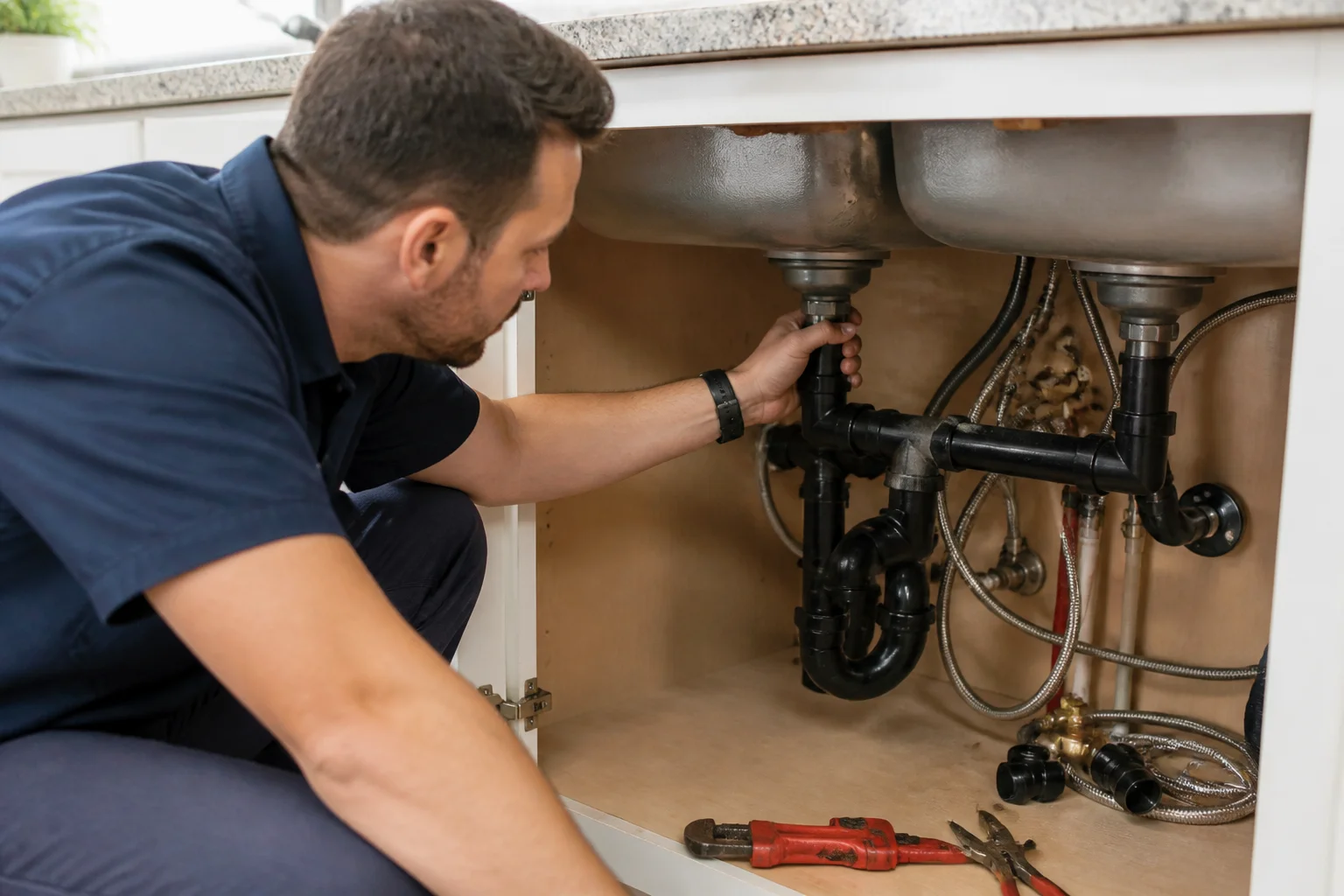
That buildup can also show up in other places. Faucets may start to sputter or drip. Showerheads can clog. Toilets may refill slowly. In some homes, scale and sediment contribute to drain cleaning needs because debris and residue move through the plumbing more often than expected. If you are dealing with frequent faucet repair, toilet repair, or pipe repair, hard water may be part of the bigger picture.
In older homes, hard water can also worsen wear on pipes and valves. If corrosion or buildup is already present, a new water heater installation can be a good time to inspect related plumbing parts and catch leaks before they turn into more expensive problems.
Choosing between tank and tankless in a coastal home
There is no one size fits all answer for 30A properties. The right choice depends on household size, water use patterns, available space, and the condition of the existing plumbing.
Tank water heaters
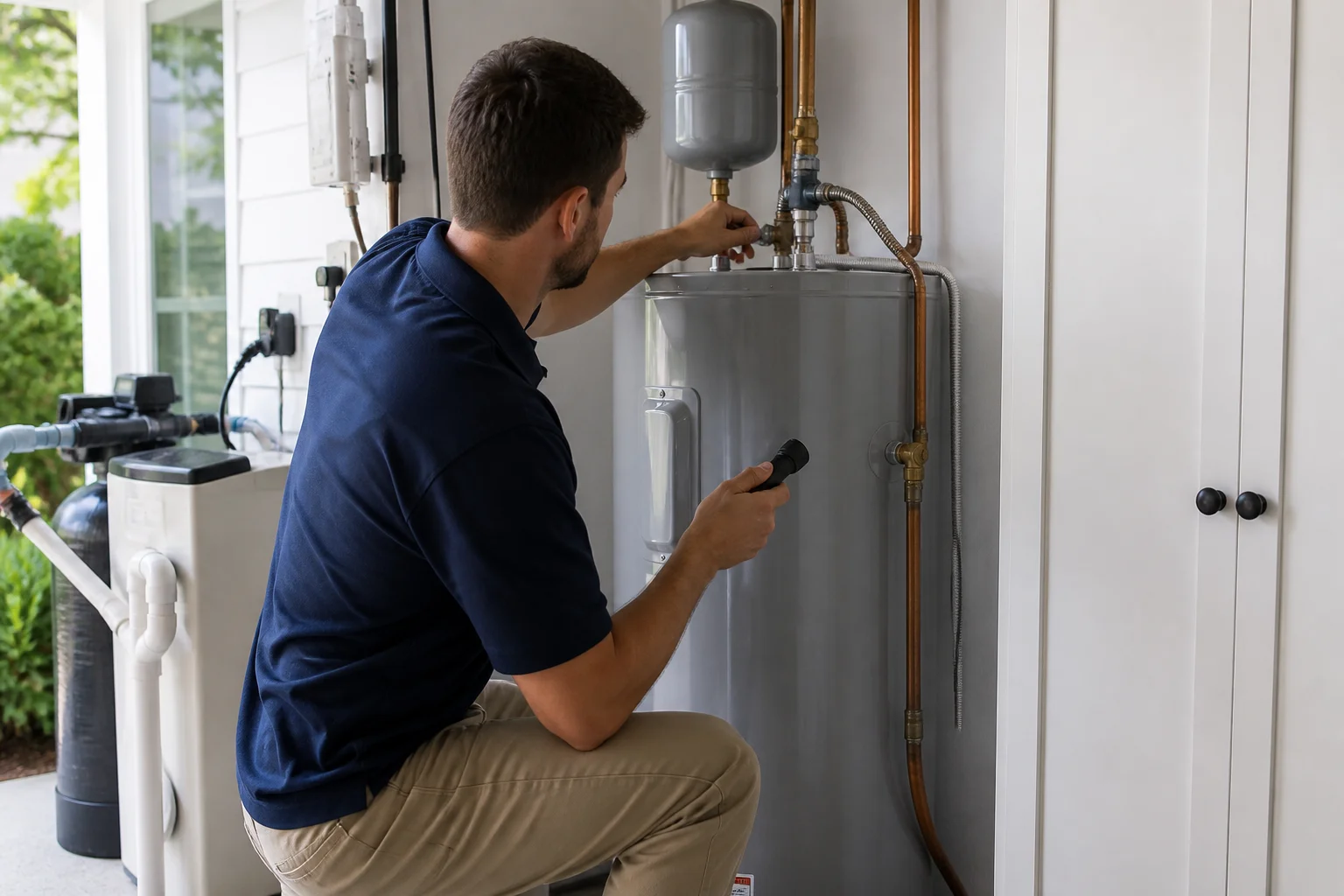
Traditional tank systems are still a practical choice for many homes. They are familiar, often easier to replace, and can handle steady daily use well when sized correctly. For homeowners who want straightforward plumbing service and a system that can be matched to existing hookups, a tank unit may be the best fit.
Tankless water heaters
Tankless systems are popular in homes where space is limited or hot water demand varies throughout the day. They can be a strong option for vacation rentals and newer homes, especially when energy efficiency and on demand hot water are priorities. They also reduce the risk of a large tank leak, which matters in homes with finished interiors or slab foundations.
That said, tankless units still need the right installation and maintenance. Hard water can affect them too, so many 30A homeowners pair a new system with water treatment options or scheduled flushing to keep performance steady.
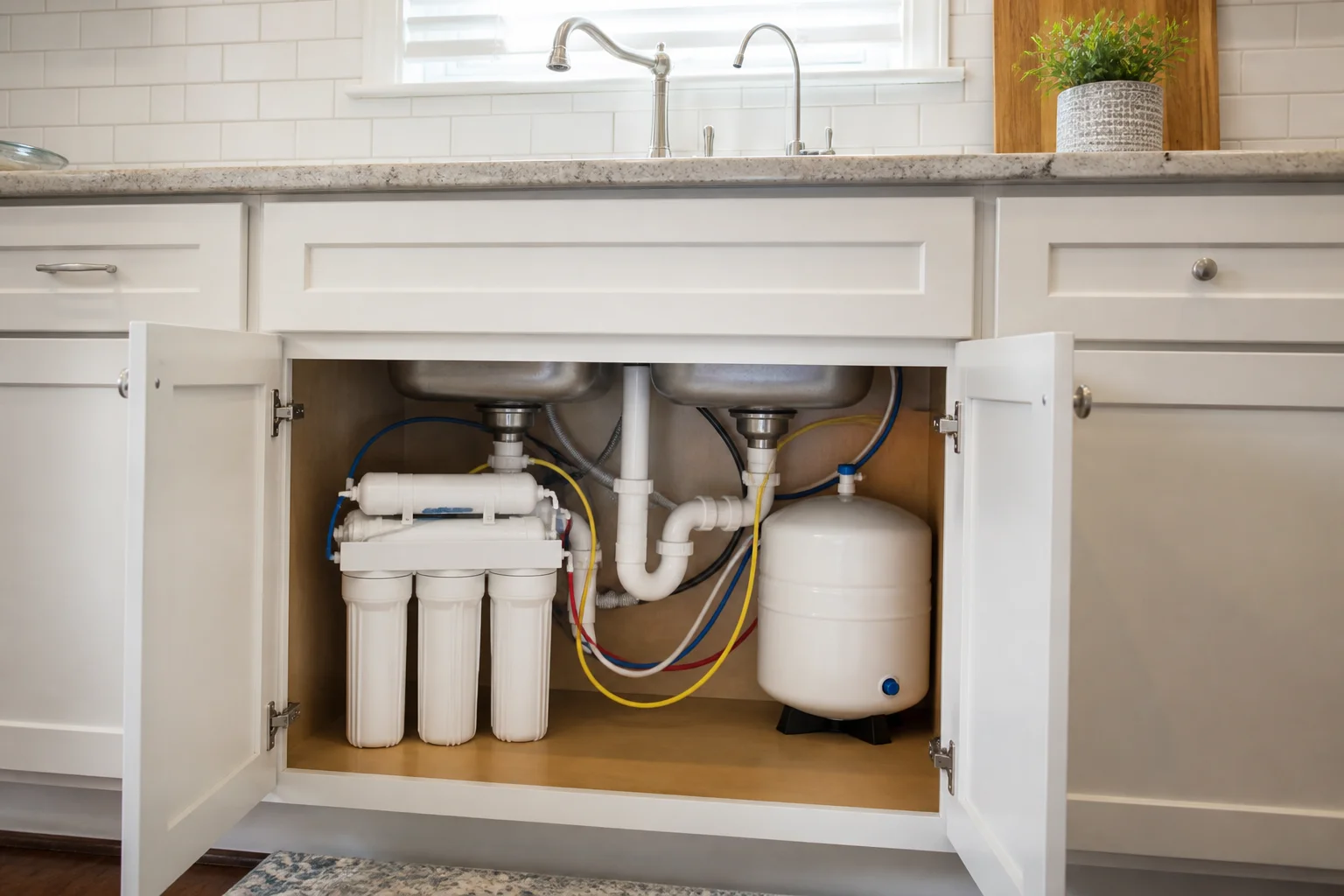
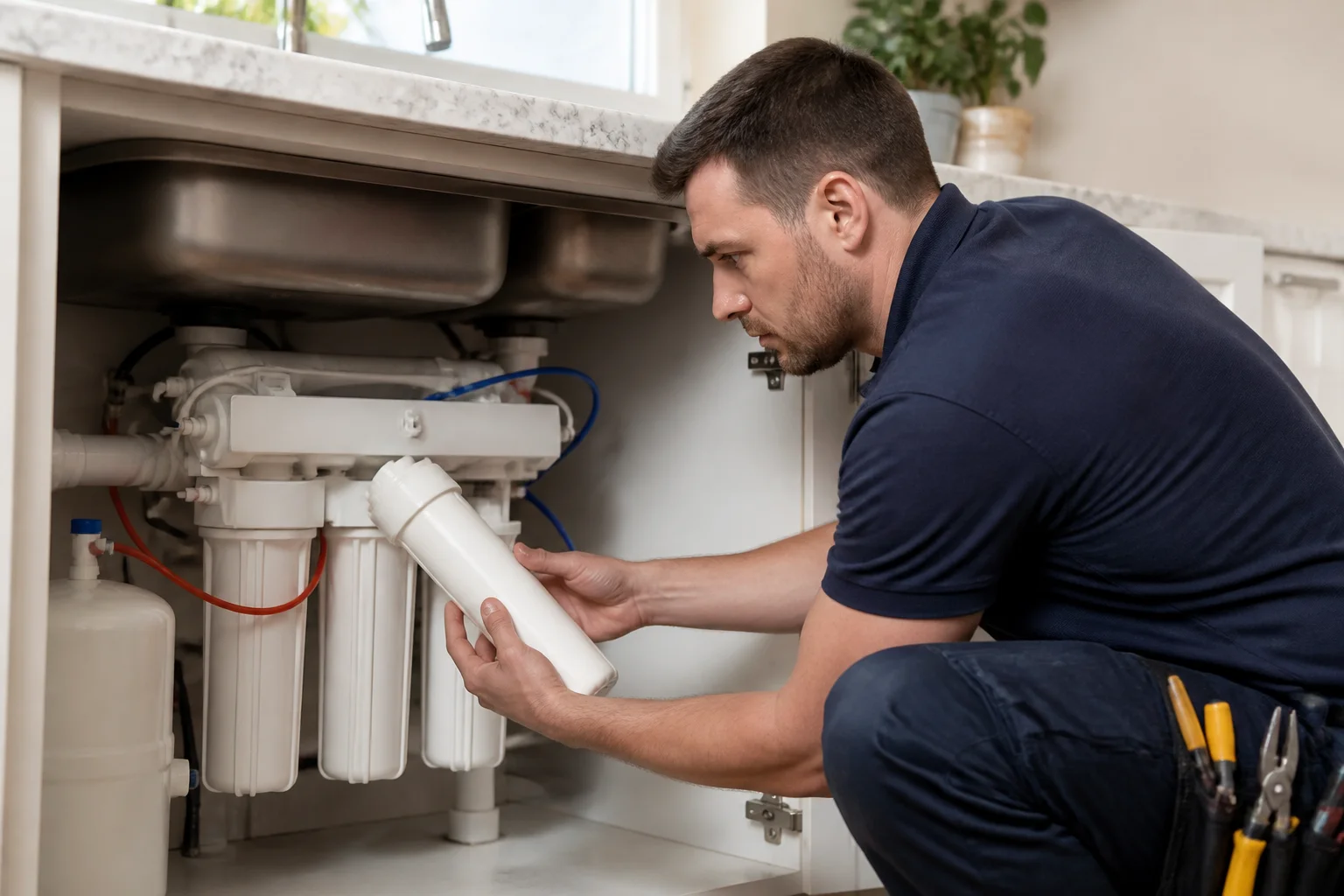
If you are also evaluating water quality improvements, it may make sense to look at water purification or reverse osmosis systems as part of a broader plumbing plan.
Clues the water heater is putting stress on the plumbing
Many homeowners first notice water heater trouble through symptoms elsewhere in the house. Hot water that runs out too quickly, fluctuating temperatures, or rusty colored water are common warning signs. So are popping or rumbling sounds from the tank, which often point to sediment buildup from hard water.
Other clues may show up in the plumbing itself. If hot water pressure seems weaker than cold, if fixtures are staining quickly, or if drains seem to slow down after heavy household use, the system may be working harder than it should. A leaking pressure relief valve, moisture around the base of the unit, or a musty smell near a utility closet can also signal a problem that needs prompt attention.
In coastal homes, a hidden leak can become a bigger issue faster because humidity and warm temperatures can mask the early signs. That is one reason homeowners should not ignore small plumbing changes. For a broader look at early warning signs, see What 30A Homeowners Should Watch Before Small Plumbing Problems Turn Bigger.
Why replacement can be smarter than repeated repairs
Some water heaters can be repaired, but repeated service calls often point to a system that is nearing the end of its life. In 30A homes, that decision matters because a failing unit can create water damage, interrupt guest stays, or leave a family without hot water when it is needed most.
Replacement can also make sense when the current unit is undersized, inefficient, or incompatible with the home’s hot water demand. A properly selected new system can improve recovery time, reduce sediment issues, and lower the chance of emergency plumbing problems later. It can also help protect nearby pipes, valves, and fixtures from the wear that comes with unstable water temperatures and pressure changes.
If budget is a concern, some homeowners also look into plumbing financing to make replacement more manageable without delaying necessary work.
How installation affects water pressure, leaks, and long term reliability
A water heater is not just a standalone appliance. It is tied into the home’s plumbing layout, shutoff valves, supply lines, and sometimes the sewer or drainage system through overflow and safety discharge routing. If installation is rushed or mismatched to the home, problems can show up later as leaks, pressure changes, or poor performance.
Correct installation helps the system operate at the right temperature and pressure, which reduces strain on fixtures and connected pipes. It can also help prevent slab leaks in homes where supply lines run beneath the foundation. In some properties, a weak connection or aging valve can lead to slow leaks that are easy to miss until flooring, cabinetry, or drywall shows damage.
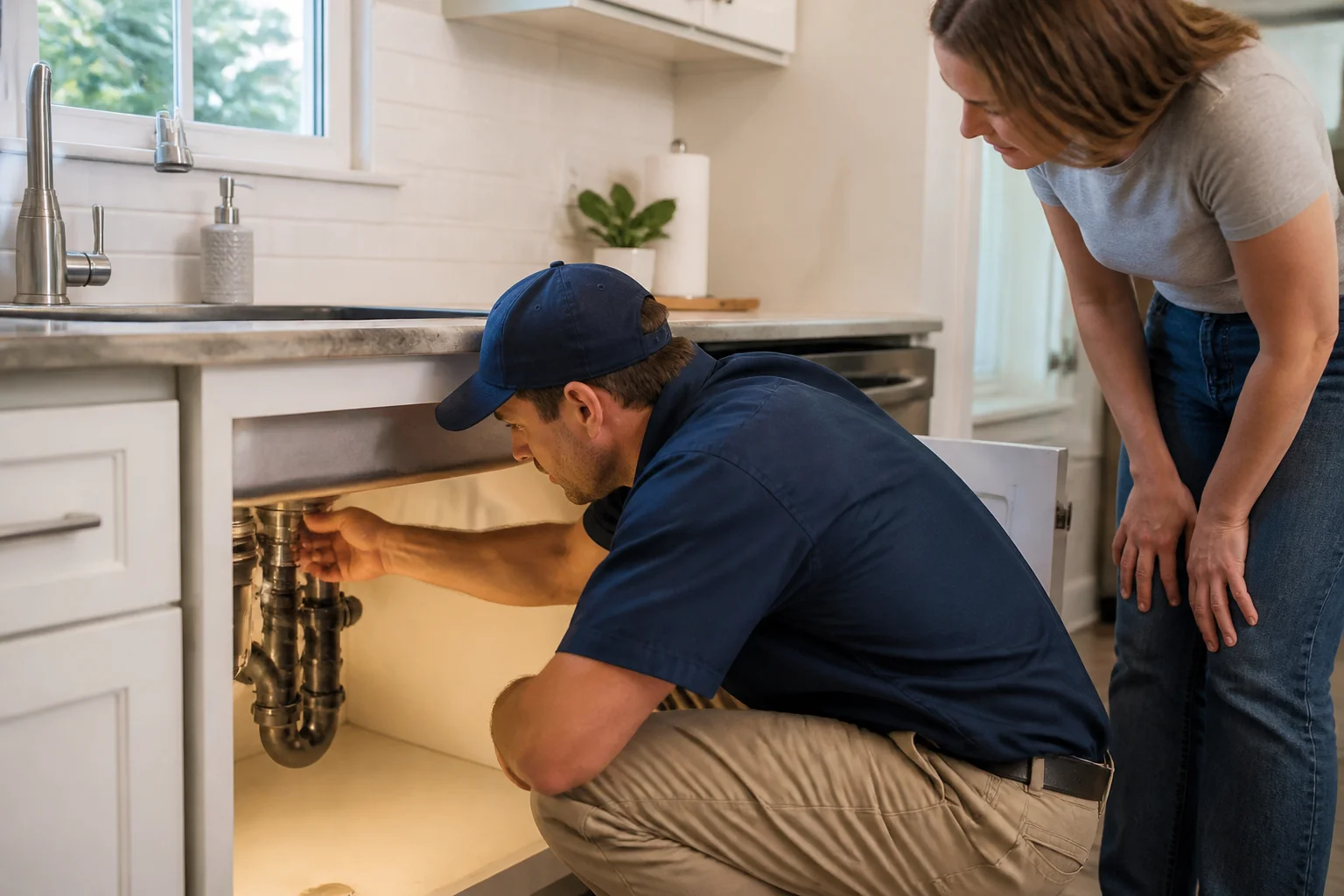
That is why local plumbing service is so important. A plumber familiar with 30A homes can account for coastal conditions, water quality, and the specific layout of the property. If the home has older lines, recurring clogs, or drainage concerns, it may also be a good time to discuss hydro jetting or sewer line help before small issues spread through the system.
Maintenance habits that help a new water heater last longer
After installation, a few simple habits can help extend the life of the system. Flushing sediment on a regular schedule can reduce mineral buildup, especially in hard water areas. Checking the anode rod, inspecting the pressure relief valve, and looking for moisture around fittings can also help catch problems early.
Homeowners should pay attention to fixture performance too. If faucets begin to scale quickly, if the toilet sounds like it is running longer than usual, or if the shower pressure changes, those may be clues that the plumbing system needs attention. Regular maintenance can also help protect drains and pipes from the residue that hard water leaves behind.
For homes that rely on older plumbing, routine service visits are often the best way to avoid bigger repair bills. A trusted local plumber can spot corrosion, loose connections, or early leak repair needs before they become urgent. If you want a deeper look at how small issues become expensive ones, Emergency Plumbing in 30A: The Homeowner Issues That Deserve Fast Attention is a helpful read.
When a homeowner should bring in a plumber right away
Some plumbing issues can wait for a scheduled visit, but others need immediate attention. Call a plumber right away if the water heater is leaking, if hot water stops suddenly, if you smell gas near a gas unit, or if water is pooling around the base of the system. Sudden pressure changes, repeated breaker trips around electric equipment, or signs of corrosion on nearby pipes also deserve fast service.
Emergency plumbing matters in 30A because water damage can spread quickly in humid coastal homes. A small leak can affect floors, cabinets, and nearby walls before it is obvious from the outside. If the issue seems connected to multiple parts of the plumbing system, the problem may involve more than the water heater alone. A full inspection can help identify whether the fix should include drain cleaning, pipe repair, or fixture replacement.
Homeowners replacing outdated fixtures at the same time may also want to review What Homeowners Often Miss During Plumbing Fixture Replacement in 30A, FL for a closer look at the details that get overlooked.
Local plumbing service that fits 30A homes
Water heater installation is one of those projects that can quietly improve daily life when it is done well. The right system gives you steady hot water, better efficiency, and less stress on the rest of the plumbing. In a place like 30A, where hard water, coastal conditions, and seasonal demand all affect performance, local experience makes a real difference.
A Superior Mechanical provides professional water heater installation in 30A, FL for homes, vacation rentals, and commercial properties across Walton County. Whether you are replacing an aging tank, upgrading to tankless, or planning a new installation, the work should fit the home, the water quality, and the way the property is used. For homeowners looking for dependable service in the area, start with the 30A service area page or explore broader coverage through Walton County.
Find Water Heater Installation in 30A, FL
If you need Water Heater Installation in 30A, FL, visit our local service page or contact A Superior Mechanical today.
Map of 30A, FL
Frequently Asked Questions
How does hard water affect a water heater in 30A, FL?
Hard water leaves mineral sediment inside the tank or tankless system. That buildup can reduce efficiency, create noise, shorten equipment life, and contribute to pressure or flow issues in connected plumbing.
Is a tankless water heater a good fit for coastal homes?
Often, yes. Tankless systems can work well in 30A homes with limited space or changing hot water demand. They still need proper sizing and maintenance, especially in hard water areas.
Can a new water heater help with low water pressure?
It can if the old unit is restricted by sediment or failing valves. A new installation may improve hot water flow, but overall pressure issues may also involve pipes, fixtures, or other plumbing repairs.
Should I replace my water heater if I have a slab leak or recurring leaks?
Not always, but it is smart to have the full plumbing system inspected. A leak near the water heater, slab, or supply lines may point to broader pipe or valve issues that need attention during replacement.
Related Articles
Photo Gallery