In 30A, homeowners rely on plumbing that can handle coastal humidity, seasonal use, and the demands of everyday living. That matters even more when a home has a reverse osmosis system. RO units are designed to improve drinking water quality, but they depend on the plumbing around them working properly. When pipes, valves, fixtures, drains, or pressure conditions start to wear down, the system can lose efficiency or stop performing the way it should.
For homeowners, vacation rental managers, and property owners across Walton County, that can mean slower water flow at the tap, strange tastes, leaks under the sink, or a system that seems to need frequent service. If you are looking for help with reverse osmosis systems in 30A, FL, it helps to understand how local plumbing conditions affect performance and what can be done to keep the system dependable.
Why plumbing condition matters so much for RO systems
A reverse osmosis system is only one part of the water delivery path. It connects to supply lines, shutoff valves, faucets, drain lines, and sometimes a storage tank. If any of those parts are worn, corroded, clogged, or leaking, the RO system may not work as intended. In many cases, the issue is not the membrane or filter alone. The plumbing around the system is the real problem.
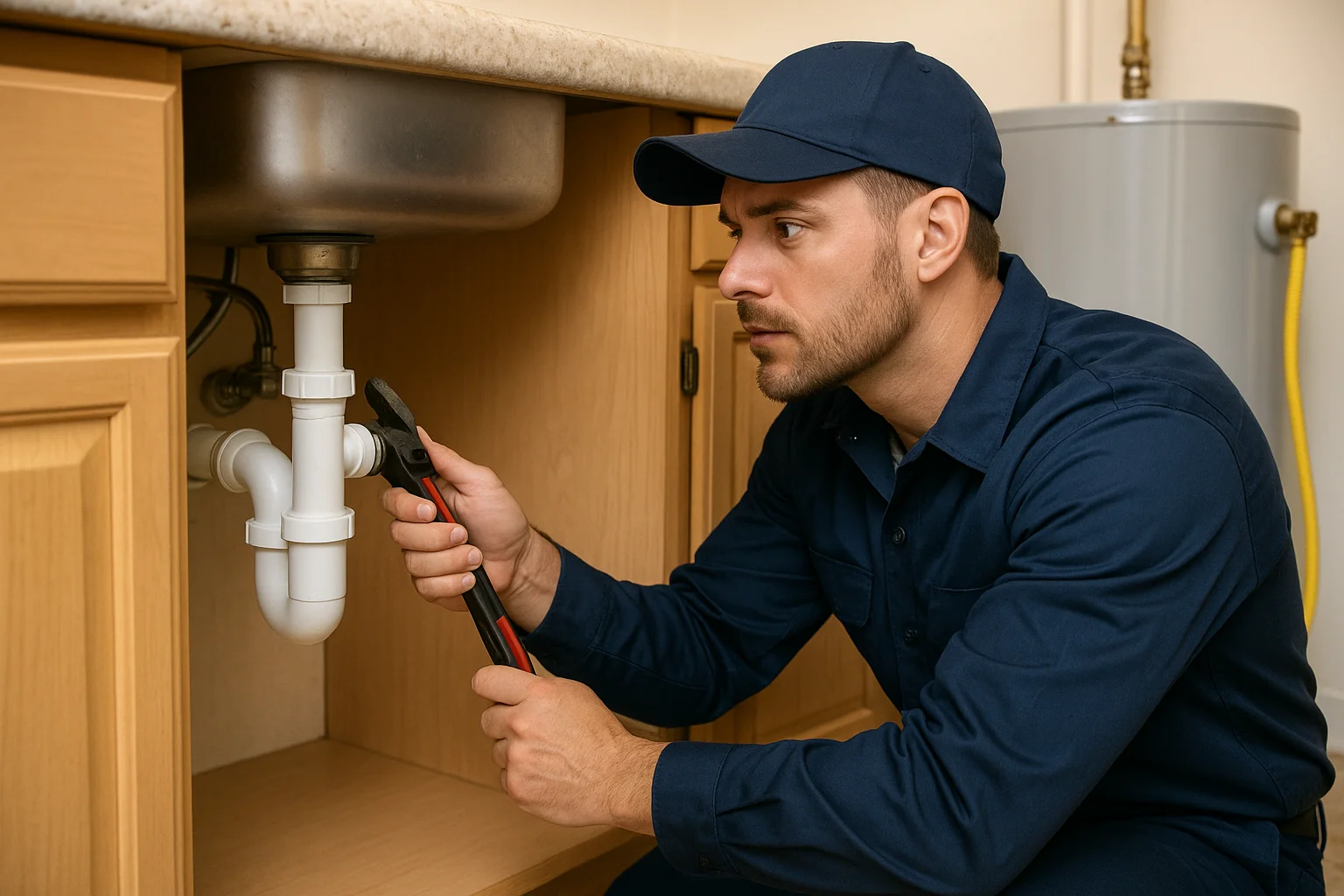
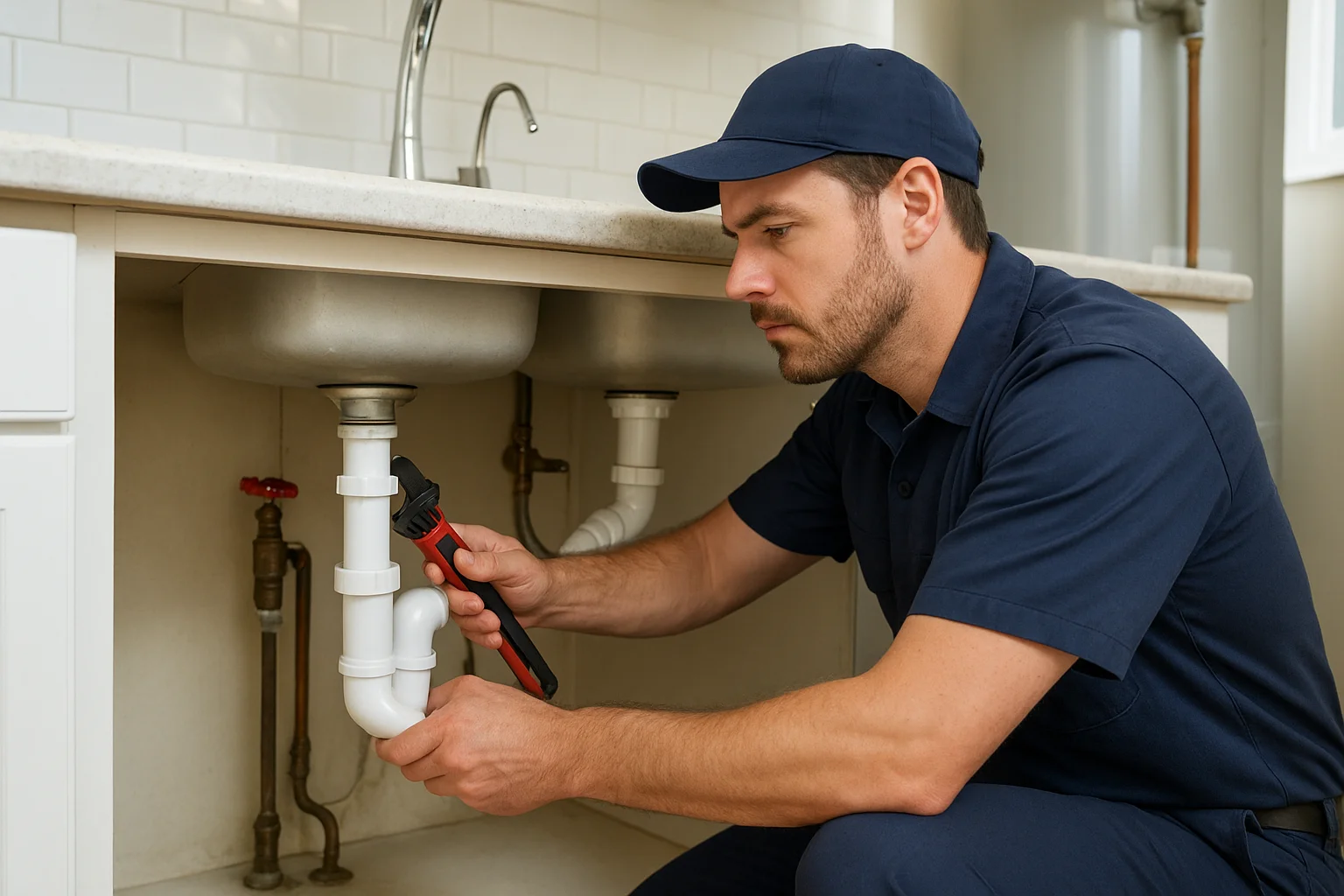
In 30A homes, where salt air, humidity, and seasonal occupancy can all affect fixtures and pipes, small plumbing issues can show up quickly. A loose fitting under the sink may seem minor, but it can lower pressure, allow air into the line, or create a slow leak that damages cabinets and flooring. Over time, those conditions can shorten the life of the RO unit and make routine maintenance more complicated.
Common plumbing wear and tear that affects reverse osmosis
Pressure changes in older plumbing
Reverse osmosis systems need steady water pressure to function correctly. If a home has aging supply lines, partially closed valves, or buildup inside the pipes, water pressure can fluctuate. Low pressure can slow production at the faucet, while inconsistent pressure may cause the system to cycle poorly or strain its components.
In some homes, pressure issues are tied to other plumbing needs such as plumbing installation updates or pipe repairs. In coastal areas like 30A, this is especially important in homes that have seen remodels, additions, or fixture changes over the years.
Mineral buildup and hard water residue
Even with filtration in place, hard water and mineral residue can affect valves, faucets, and drain connections. Scale buildup can make it harder for the RO system to send water through the proper path, and it can also affect nearby fixtures. Homeowners may notice slower flow from the RO faucet, a noisy drain line, or a tank that takes longer to refill.
When buildup gets severe, a plumber may need to inspect the surrounding plumbing, clean or replace fittings, or recommend related services such as hydro jetting if the home also has drain concerns elsewhere in the plumbing system.
Leaks at fittings, shutoff valves, and supply lines
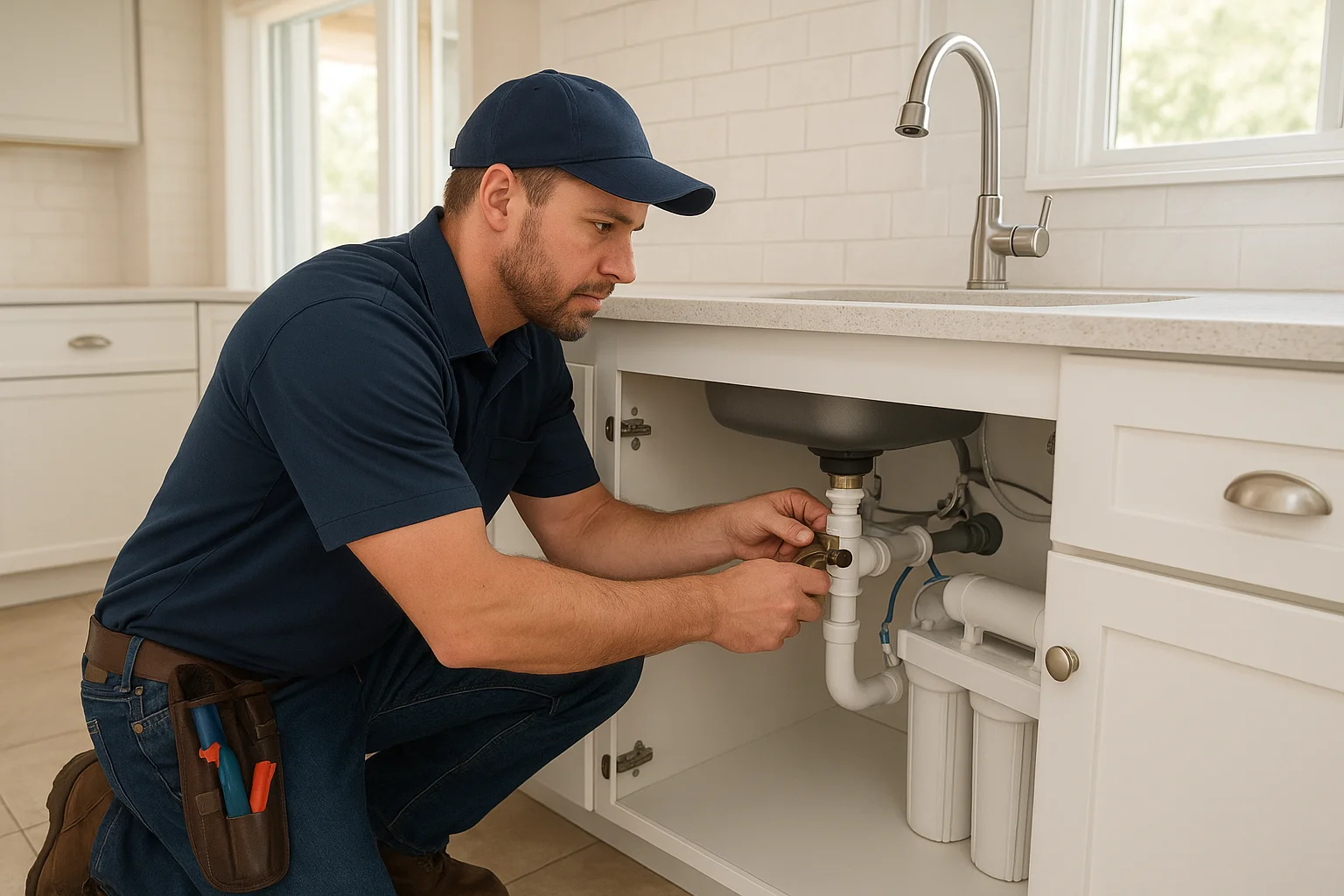
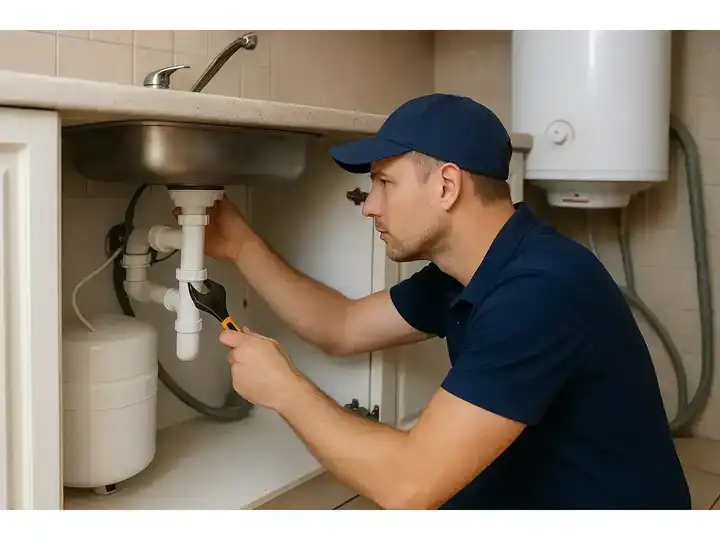
RO systems use several small connections, and those connections are only as reliable as the plumbing parts that support them. Worn compression fittings, brittle tubing, or aging shutoff valves can lead to leaks. In a humid 30A home, even a small drip can create hidden damage under the sink or inside a cabinet.
Leaks also interfere with performance. If water is escaping before it reaches the system, the RO unit may seem weak or inconsistent. A leak around the faucet or drain line can also trigger odor concerns or create conditions that attract mold and moisture damage. If a leak is active, it may overlap with the kind of urgent issue discussed in our post on Emergency Plumbing in 30A: The Homeowner Issues That Deserve Fast Attention.
Drain line problems
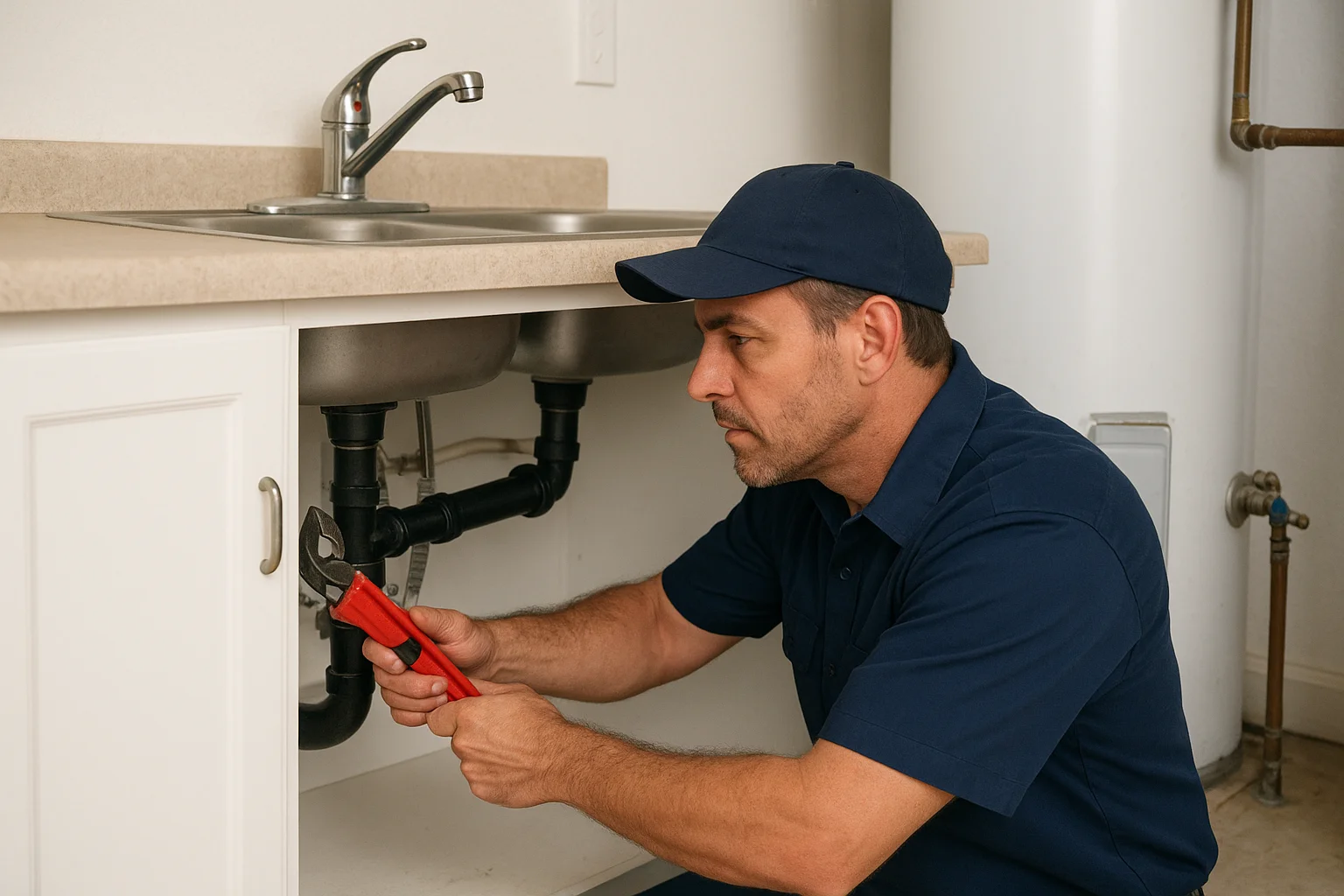
Reverse osmosis systems send wastewater to a drain, and that drain line needs to stay clear. If the home already has slow drains, partial clogs, or venting issues, the RO system can back up or drain poorly. Homeowners may hear gurgling, notice a slower fill rate, or see water collecting near the sink area.
Drain issues are common in homes where grease, soap residue, or sediment has built up over time. If there are broader drainage concerns in the home, it may help to review the warning signs covered in What 30A Homeowners Should Watch Before Small Plumbing Problems Turn Bigger.
Fixture wear at the RO faucet
The dedicated RO faucet is a plumbing fixture like any other. Over time, handles loosen, cartridges wear out, and seals fail. A faucet that drips, sputters, or feels stiff can make the whole system seem unreliable. In some homes, the faucet is the first part of the system to show age because it gets daily use.
If a faucet replacement is needed, it is smart to have the rest of the under-sink plumbing checked at the same time. That can prevent a second visit later and help identify hidden issues before they spread. Our article on What Homeowners Often Miss During Plumbing Fixture Replacement in 30A, FL covers why details matter during fixture work.
How 30A homes create unique plumbing conditions
Homes along 30A often face a mix of full-time use, vacation rental turnover, and periods when plumbing sits idle. That pattern can be tough on reverse osmosis systems. When a home is vacant, water can sit in lines longer than usual. When guests arrive, sinks, showers, toilets, and kitchen fixtures may all be used heavily at once. That kind of cycle can expose weak points in supply lines, valves, and drains.
The coastal climate adds another layer. Humidity can speed up corrosion on metal fittings and make cabinet leaks harder to spot. Salt air can also be rough on exposed components, especially in homes close to the beach. In Walton County County, local plumbing service matters because a plumber who works in the area understands these conditions and knows what to look for before a small issue becomes a bigger repair.
If you are comparing service options in the area, it helps to work with a local team that knows the plumbing systems common in 30A and throughout Walton County.
Problems homeowners may notice around the RO system
Reverse osmosis issues often show up as changes in water quality or flow, but the plumbing around the system can create clues too. Common signs include a slower dispensing rate, a faucet that spits air, a damp cabinet floor, a musty smell under the sink, or water that tastes different than usual. If the storage tank seems to refill too slowly, the supply line, pressure, or drain connection may need attention.
Other signs can point to broader plumbing wear. Low water pressure in other fixtures, recurring toilet issues, faucet drips, or noisy pipes may all suggest that the home needs plumbing maintenance beyond the RO unit itself. In some cases, the same aging lines affecting the kitchen water filter are also affecting the water heater, shower valves, or sewer connections.
That is why homeowners searching for a plumber near me often need more than a quick filter change. A full plumbing inspection can identify whether the issue starts with the RO system or with the plumbing feeding it.
Preventive maintenance that protects both plumbing and water quality
The best way to protect a reverse osmosis system is to keep the surrounding plumbing in good shape. That starts with routine inspections of supply lines, shutoff valves, drain connections, and the RO faucet. A plumber can check for corrosion, loose fittings, pressure irregularities, and signs of hidden leaks before they cause damage.
Homeowners should also stay on top of filter changes and membrane replacements according to the manufacturer’s schedule. Even if the filtration components are in good condition, worn plumbing can still undo the benefits. A system that is maintained but connected to failing pipes or drains will never perform as well as it should.
For homes that have recurring water quality concerns or sediment issues, a broader water treatment approach may help. In some cases, pairing RO service with water filtration services gives the home better overall protection, especially when incoming water conditions change seasonally.
When plumbing repair is part of the RO solution
Some RO problems are fixed with simple service. Others require plumbing repair. A leaking saddle valve may need replacement. A corroded shutoff valve may need to be updated. A cracked drain line may need to be rerouted. If the home has older piping, pipe repair may be the best way to restore stable performance and prevent future leaks.
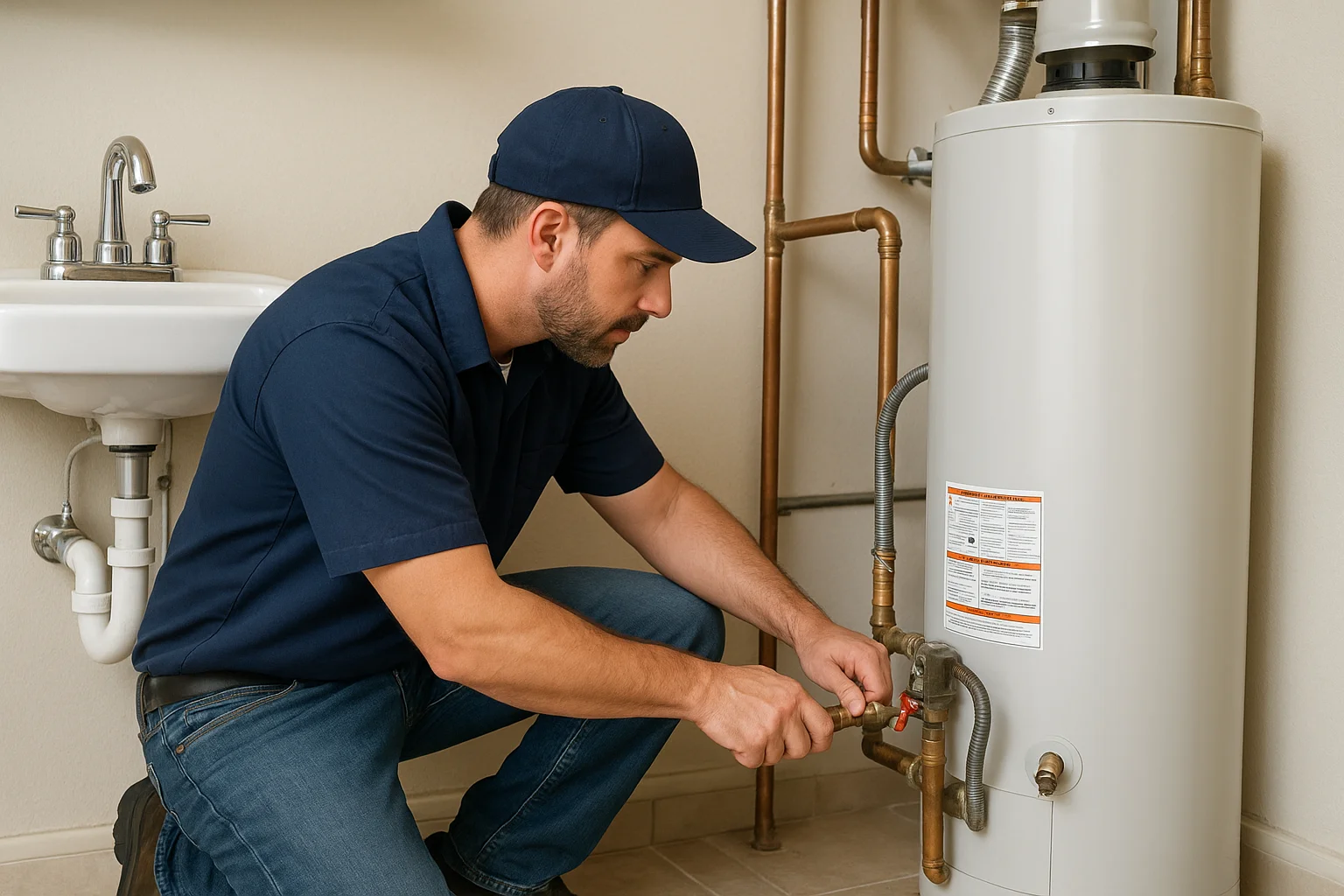
In homes with older water heaters, mineral buildup and pressure swings can affect more than the kitchen sink. If hot water issues, pipe noise, or low pressure are also present, it may be smart to schedule water heater installation or service alongside the RO inspection if the system is aging or undersized for the home’s needs. In some properties, the same plumbing evaluation may reveal sewer line concerns, especially if drains are slow in more than one area of the house.
That broader view is useful in 30A homes because water systems are often interconnected. A kitchen RO unit may be the first place homeowners notice a problem, but the cause could be a supply line, drain issue, fixture failure, or a deeper plumbing condition that affects the whole house.
Why local plumbing service makes a difference
Local plumbers understand the home styles, water conditions, and seasonal use patterns common in 30A. That matters when a homeowner needs reverse osmosis service, leak repair, drain cleaning, or help with a stubborn fixture issue. A local technician can evaluate the whole plumbing picture, not just the filter housing under the sink.
For property owners who manage rentals, local service is also practical. A small leak or slow RO faucet can turn into a guest complaint quickly, and emergency plumbing concerns do not wait for a convenient time. Reliable local support helps reduce downtime, protect cabinets and countertops, and keep drinking water available for the household.
If your RO system is not performing the way it used to, or if you have noticed leaks, pressure changes, or other plumbing wear around the kitchen, A Superior Mechanical can help with inspection, repair, replacement, and maintenance. Our team provides professional reverse osmosis system installation and service in 30A, FL for cleaner, better tasting water in homes, vacation rentals, and commercial properties.
Learn more about our reverse osmosis systems in 30A, FL and how we help protect the plumbing that keeps them working.
If the issue is tied to a larger plumbing project or budget concern, some homeowners also review options like Smart Ways to Manage Plumbing Financing for 30A Homeowners before moving ahead with repairs or upgrades.
Find Reverse Osmosis Systems in 30A, FL
If you need Reverse Osmosis Systems in 30A, FL, visit our local service page or contact A Superior Mechanical today.
Map of 30A, FL
Frequently Asked Questions
Can plumbing wear and tear affect the taste of RO water?
Yes. If fittings, valves, or drain connections are worn, the system may not operate correctly, which can affect flow and water quality. In some cases, the issue is plumbing related rather than the RO filters themselves.
Why is my reverse osmosis faucet slowing down in my 30A home?
Slow flow can come from clogged filters, low water pressure, a partially closed valve, a leak, or drain line trouble. A plumber can check the full system and determine whether the RO unit or surrounding plumbing needs service.
Do I need a plumber for RO system leaks under the sink?
Usually, yes. Under sink leaks can involve supply lines, shutoff valves, drain fittings, or the RO faucet itself. A plumbing inspection helps prevent cabinet damage and keeps the system working as intended.
How often should a reverse osmosis system be checked in a coastal home?
It is smart to have the system and nearby plumbing inspected regularly, especially in coastal homes where humidity and corrosion can affect fittings. Vacation rentals and seasonal properties may need even more frequent checks.
Related Articles
Photo Gallery