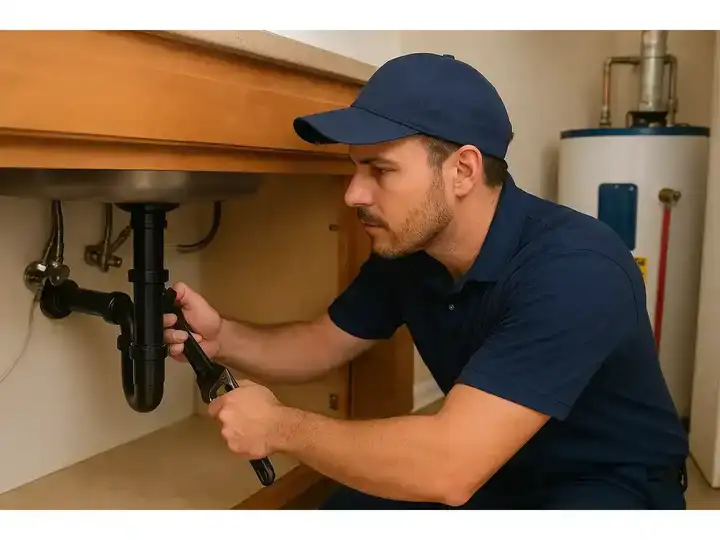
In 30A, hot water is part of everyday comfort, but it also plays a bigger role in plumbing reliability than many homeowners realize. A water heater that is aging, leaking, or struggling to keep up can create pressure issues, stained fixtures, drain problems, and even damage to nearby pipes and flooring. In coastal Walton County homes, those problems can move quickly, especially in spaces exposed to humidity, salt air, and heavy seasonal water use.
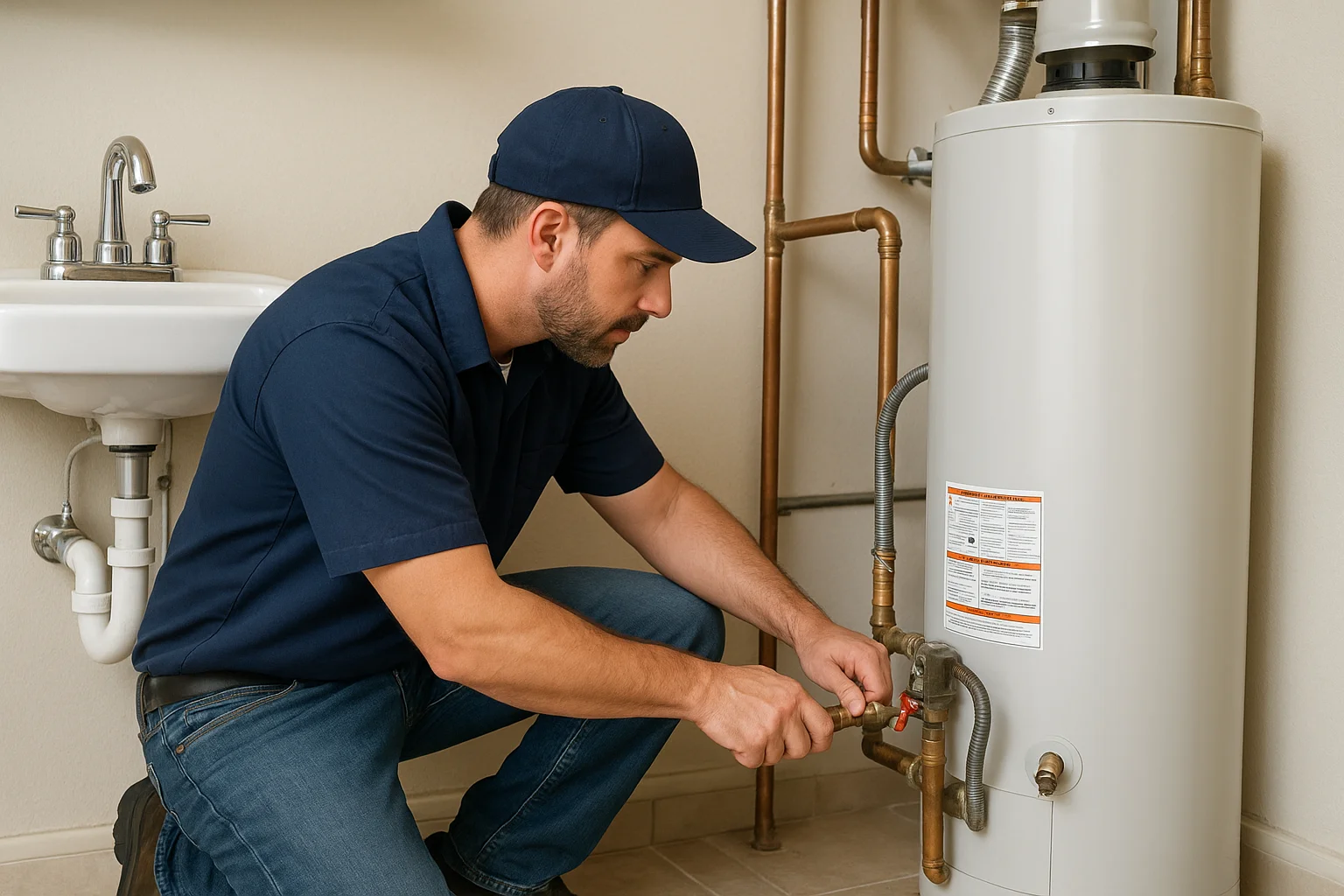
If your system is showing its age, water heater replacement in 30A, FL can restore dependable hot water and help prevent bigger plumbing repairs later. For homeowners, rental properties, and commercial spaces, the right replacement is not just about comfort. It is about protecting the rest of the plumbing system, from supply lines and drains to faucets, toilets, and sewer connections.
Why water heater problems show up differently in 30A homes
Homes along 30A often deal with a mix of full time occupancy, vacation rental turnover, and seasonal demand. That means a water heater may go from light use to heavy use in a short period of time. Add in coastal humidity, hard water in some areas, and older plumbing in certain properties, and wear can build faster than many owners expect.
Water heaters in this region also tend to be surrounded by plumbing components that are sensitive to leaks and pressure changes. A small tank leak can soak nearby flooring, encourage corrosion on pipes, and create moisture that affects cabinets, drywall, and drain connections. If the unit is in a garage, closet, or utility area, the damage can spread before anyone notices.
That is why local plumbing service matters. A plumber who works in 30A and Walton County understands how coastal conditions affect water heaters, fixtures, and pipe materials. If you are comparing options across the area, you can also explore the broader 30A service area or review plumbing support across the county at Walton County.
Small clues that point to a failing water heater
Some water heaters quit suddenly, but many give off warning signs first. Homeowners often notice inconsistent hot water, a rumbling sound from the tank, rusty water at the tap, or a faint metallic smell. Those symptoms can point to sediment buildup, internal corrosion, or a failing heating element or tank liner.
Leaks are one of the most important signs to watch. A puddle around the base of the unit, damp insulation, or rust on fittings may mean the tank is starting to fail. In some cases, the leak is actually coming from connected pipes, the pressure relief valve, or a loose drain connection. Either way, a water heater leak should be treated as a plumbing issue, not just an appliance issue.
Reduced hot water pressure can also be part of the picture. Sediment and mineral buildup can restrict flow, especially in homes with hard water. If you are also dealing with slow drains, gurgling fixtures, or low pressure at sinks and showers, the water heater may be one part of a larger plumbing condition that needs attention. Related issues often overlap with clogged pipes and drain cleaning and even broader pipe concerns.
How leaks, drains, and pipes are connected
Many homeowners think of the water heater as its own isolated unit, but it sits inside a much larger system. Supply lines bring water in, hot water lines send it out, drains handle flushing and maintenance, and nearby fixtures depend on steady pressure. When one part starts failing, the others often show stress too.
For example, a leaking water heater can saturate the surrounding area and corrode shutoff valves or nearby pipe joints. If the drain valve is clogged with sediment, routine flushing becomes harder and the tank can deteriorate faster. If the home already has mineral buildup in pipes, the heater may work harder to keep water hot, which shortens its lifespan.
In some 30A homes, especially those with slab foundations, hidden leaks can be harder to spot. Moisture may appear at the edges of the floor or around baseboards long after the leak begins. That is one reason homeowners should pay attention to changes in water bills, warm spots on floors, or unexplained moisture near the water heater. Those signs can also overlap with small plumbing problems turning bigger and emergency concerns covered in Emergency Plumbing in 30A.
Replacement makes sense before a full failure
Waiting for a tank to burst is one of the most expensive ways to handle a water heater problem. Replacement is often the better move when a unit is near the end of its service life, has recurring leaks, or can no longer keep up with household demand. For many homes, that means fewer surprise repairs, better efficiency, and more reliable hot water during busy mornings or guest turnover.
There are also practical benefits to replacing an aging unit before it fails. Newer systems can improve recovery time, reduce sediment-related issues, and offer better performance for homes with multiple bathrooms or higher water use. In coastal properties, updated equipment can also be a better fit for the environment when installed with proper plumbing materials and drainage protection.
If your current setup has already caused water damage, a professional plumber can inspect nearby pipes, shutoff valves, and drains while replacing the unit. In some cases, the better solution may include waterline replacement or targeted pipe repair if corrosion or leak damage has spread beyond the heater itself.
Tank or tankless: choosing the right setup for the property
Both tank and tankless systems can work well in 30A, but the right choice depends on the home, occupancy pattern, and plumbing layout. Traditional tank water heaters are often straightforward and familiar, which makes them a solid option for many households. Tankless systems can offer space savings and on-demand hot water, which may suit some vacation rentals and smaller utility areas.
What matters most is matching the system to real use. A larger family home with multiple showers and laundry cycles may need a different setup than a rental condo or beach cottage. Plumbing professionals also look at water pressure, pipe size, venting needs, and the condition of the existing lines before recommending a replacement.
Water quality matters too. In areas where mineral content is higher, hard water can leave sediment inside tanks and fixtures. That buildup affects water heaters, faucets, toilets, and drains over time. Some homeowners choose to pair replacement with water softening or water filtration services to help protect the new system and reduce scale on plumbing fixtures.
What a careful replacement helps prevent
A proper water heater replacement does more than restore hot water. It can help prevent pressure spikes, reduce the chance of leaks at fittings, and lower the risk of sediment damaging the drain valve or tank bottom. It can also protect nearby plumbing fixtures from inconsistent water temperature and mineral staining.
For homes with older bathrooms and kitchens, that matters. A failing heater can send rusty water to faucets, stress toilet fill valves, and leave mineral residue on showerheads and sink aerators. Over time, those issues can turn into more service calls for toilet repair, faucet repair, or drain cleaning. Replacing the heater early helps the whole plumbing system stay more stable.
It also helps with emergency prevention. A corroded tank can rupture without much warning, and once water is on the floor, the damage can spread fast. If you have already seen leaks, you may want to review what homeowners often miss during plumbing fixture replacement in 30A because the same attention to detail matters when a water heater is swapped out.
Maintenance habits that extend the life of a new heater
After replacement, a few simple habits can help the new system last longer. Checking for moisture around the base, testing the temperature and pressure relief valve, and flushing sediment on a regular schedule can all make a difference. In coastal homes, it is also smart to inspect exposed fittings and shutoff valves for corrosion more often than you might inland.
Homeowners should keep an eye on water pressure too. High pressure can put stress on the heater and the rest of the plumbing system. If you notice banging pipes, noisy fixtures, or repeated leaks at connections, there may be a pressure issue that needs a professional look. That kind of maintenance can also help prevent problems in drains, sewer lines, and other fixtures.
For rental properties, regular plumbing checkups are especially useful between guest stays. A quick inspection can catch a small leak, a slow drain, or a failing valve before it becomes a late night emergency. If financing is part of the decision, some owners also review options through Smart Ways to Manage Plumbing Financing for 30A Homeowners.
Why local plumbing service is worth it in a coastal market
30A homes are not all built the same, and plumbing systems here often reflect that. Some properties have older galvanized or copper lines, while others have newer PEX or mixed materials. Some sit full time occupied, while others are used seasonally or as short term rentals. A local plumber understands those differences and knows how to plan a replacement that fits the property, the water demand, and the climate.
That local knowledge matters when the job involves more than a simple swap. A professional can check for hidden leaks, evaluate drain conditions, inspect shutoff valves, and make sure the new water heater is installed with the surrounding plumbing in mind. If the home has recurring sewer odors, slow drains, or pressure problems, it may also be time to look beyond the heater itself and address the larger system.
For homeowners searching for plumbing repair, plumber near me, leak repair, or water heater service in 30A, a trusted local team can make the difference between a temporary fix and a long term solution. A Superior Mechanical provides professional water heater replacement in 30A, FL for homes, rentals, and commercial properties across Walton County, with service designed for the realities of coastal plumbing.
Keeping the rest of the plumbing system protected
Water heater replacement is often the right moment to look at the rest of the plumbing system as a whole. That may include checking pipe condition, testing fixture performance, inspecting the drain around the unit, and looking for signs of hidden corrosion or slab movement. If the home has a history of leaks or pressure swings, a plumber may recommend additional maintenance before those issues spread.
That broader approach helps homeowners avoid repeat service calls for drain cleaning, pipe repair, or fixture replacement. It also gives you a clearer picture of how your home handles daily water use, especially during busy seasons when showers, laundry, dishwashing, and guest traffic all increase at once. In a place like 30A, where plumbing systems work hard year round, that kind of preventive care is practical, not optional.
If your current water heater is leaking, aging, or no longer keeping up, replacing it before it fails can protect the rest of the home and keep plumbing reliable through the seasons. The right installation supports better water flow, fewer surprises, and a safer utility area for years to come.
Find Water Heater Replacement in 30A, FL
If you need Water Heater Replacement in 30A, FL, visit our local service page or contact A Superior Mechanical today.
Map of 30A, FL
Frequently Asked Questions
How long do water heaters usually last in 30A homes?
Many traditional tank water heaters last about 8 to 12 years, though coastal humidity, hard water, and heavy use can shorten that timeline. Tankless units often last longer with proper maintenance.
Can a small leak around the water heater wait a few days?
It is better not to wait. Even a small leak can damage flooring, corrode nearby pipes, and signal that the tank or valve is failing. A plumber should inspect it as soon as possible.
Should I replace the water heater if my hot water pressure is low?
Low hot water pressure can come from sediment, scale, pipe buildup, or a failing heater, but it is not always the heater alone. A professional can check the unit, supply lines, and fixtures to find the cause.
Does hard water affect water heater replacement in 30A?
Yes. Hard water can leave mineral buildup inside tanks, pipes, and fixtures. In some homes, adding water softening or filtration helps protect a new water heater and reduce future plumbing problems.
Related Articles
Photo Gallery