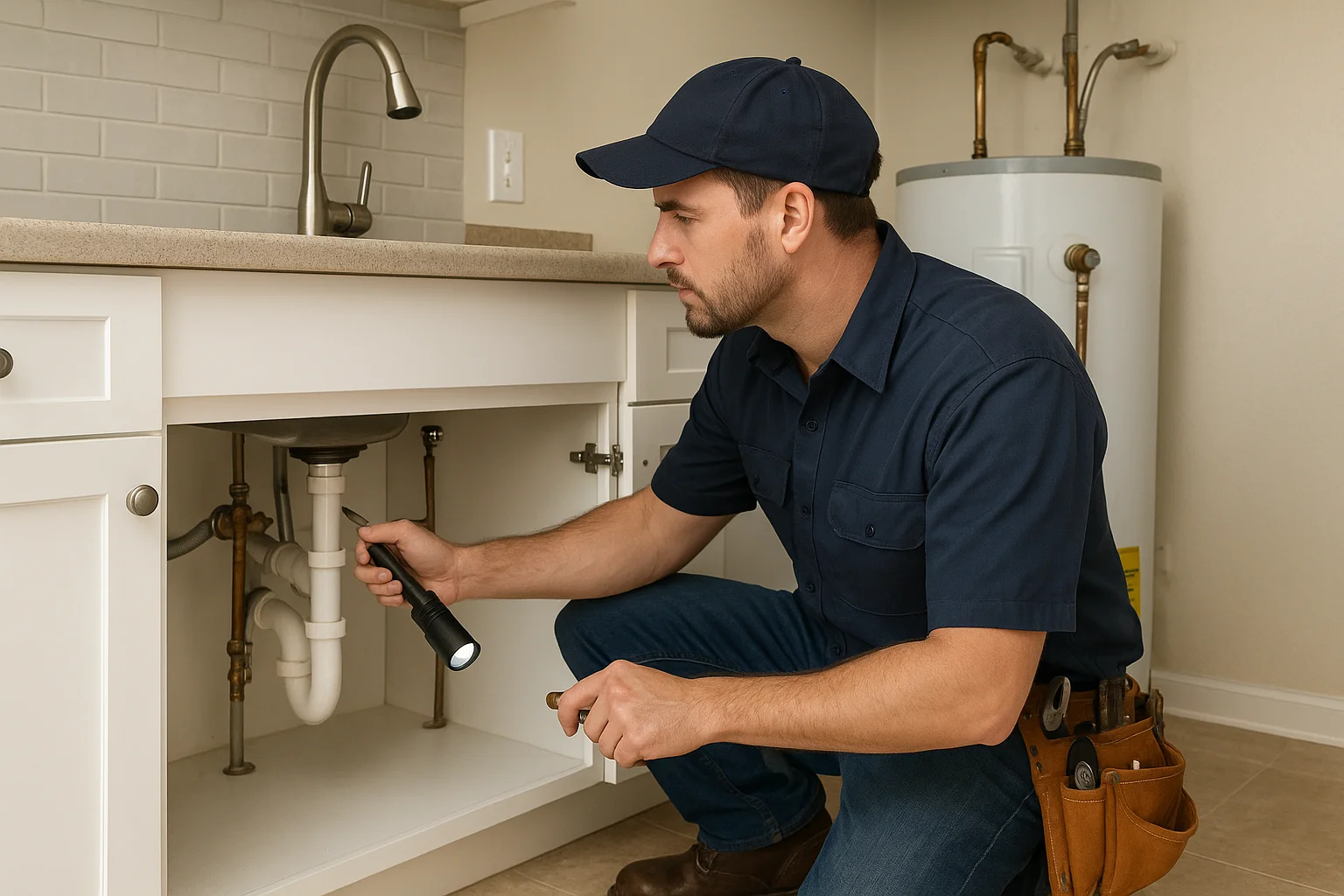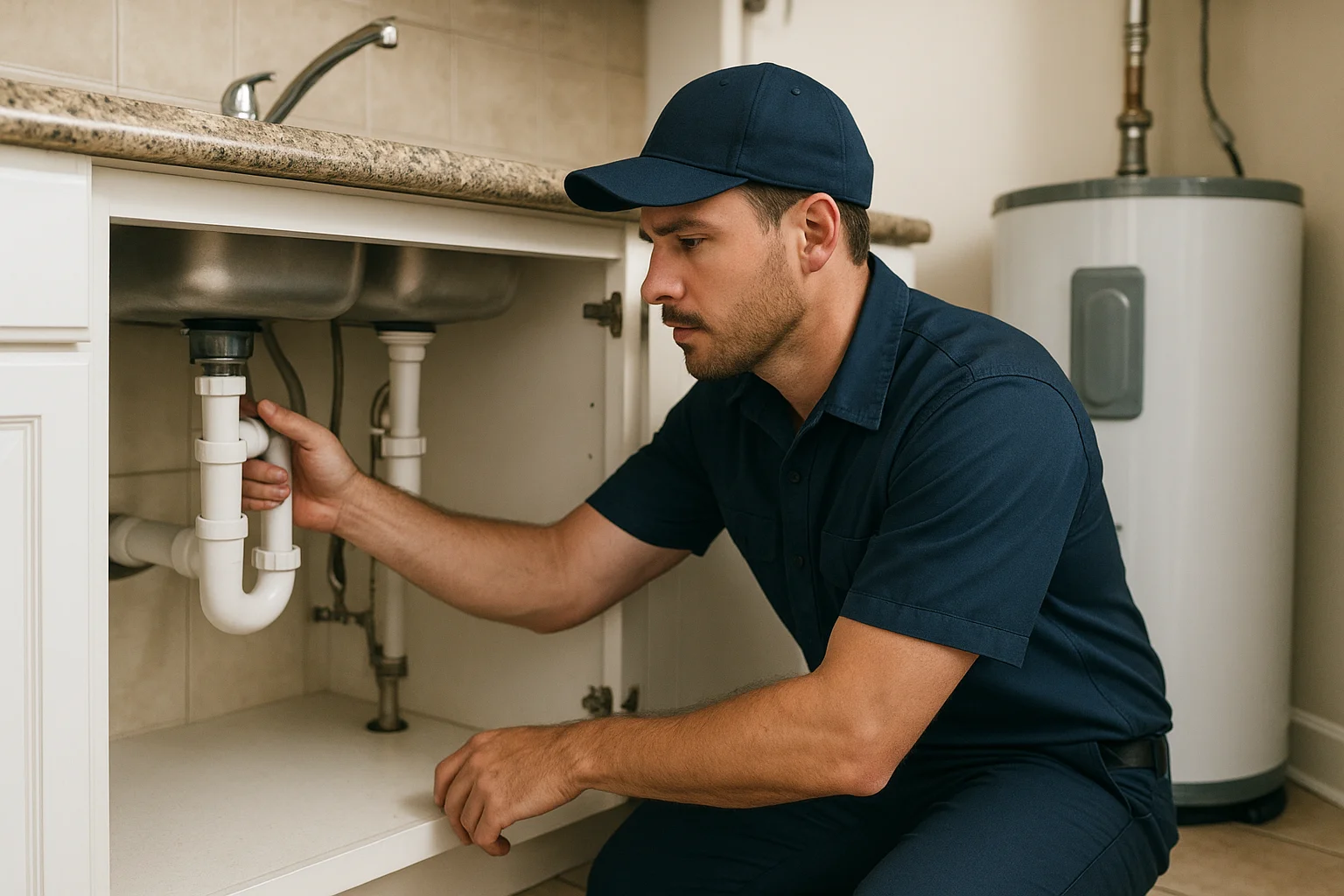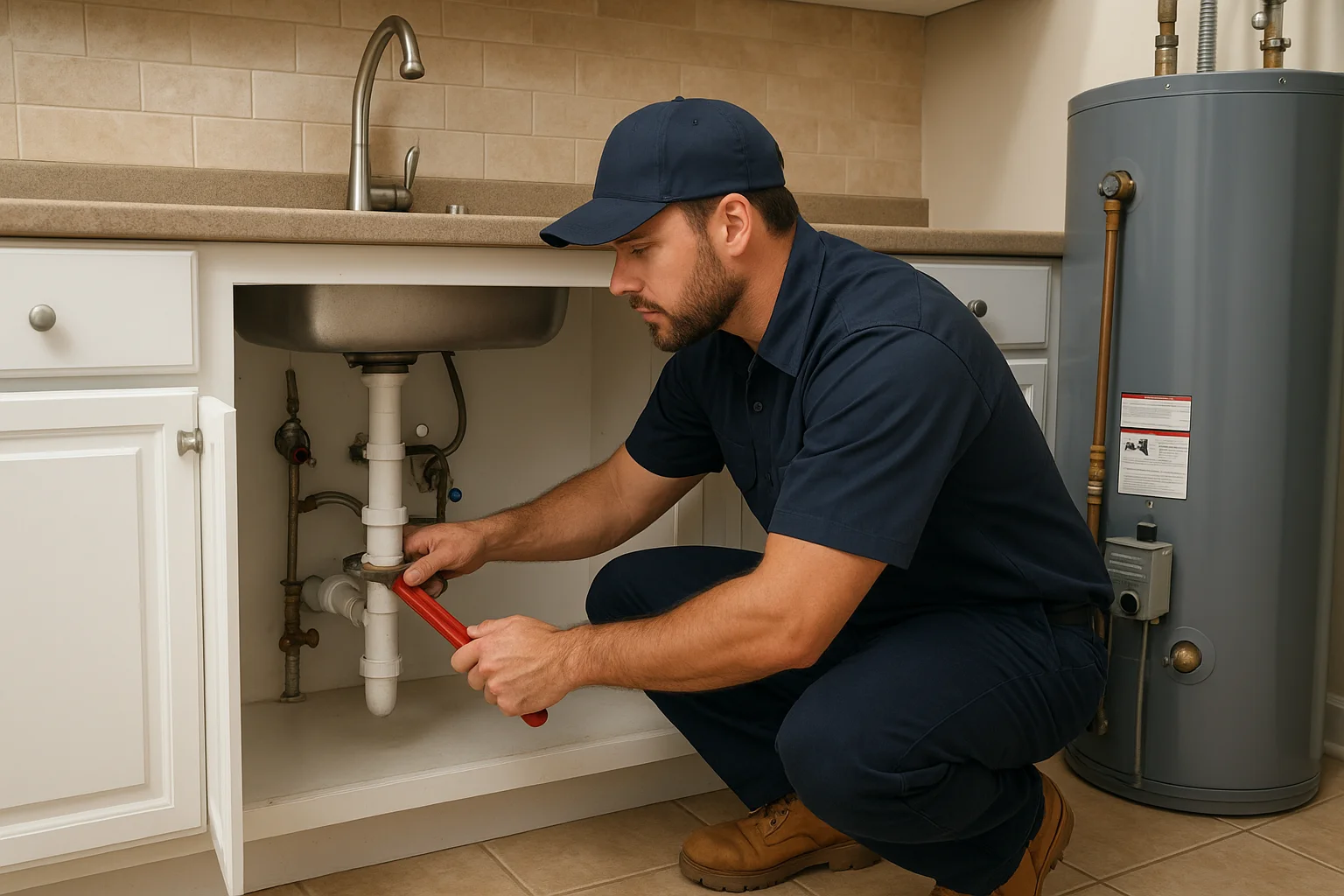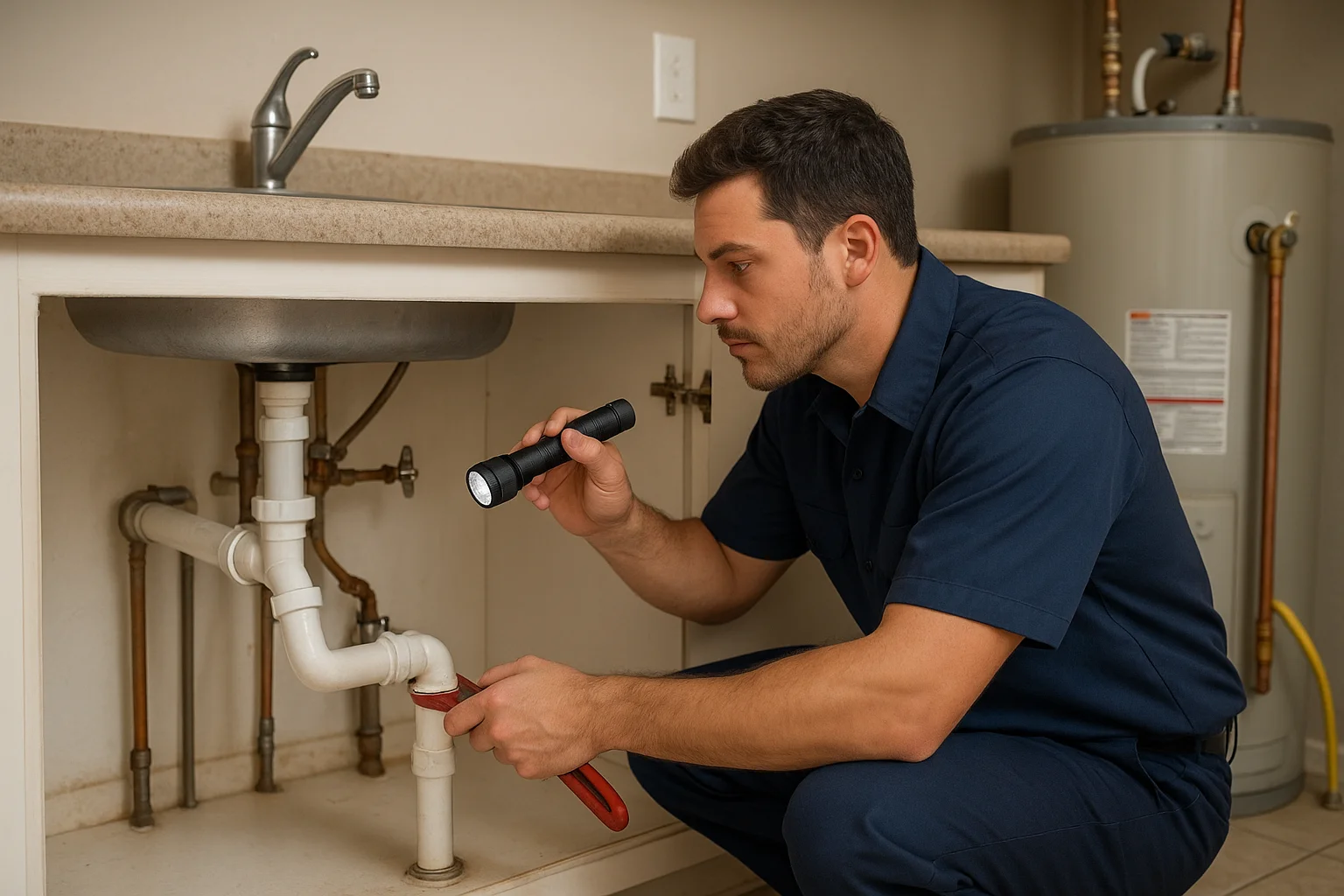
In DeFuniak Springs, a water heater does more than heat showers. It ties into the condition of your pipes, drains, fixtures, and even the pressure running through the rest of the home. When a unit starts leaking, rusting, or struggling to keep up, replacement is often the smartest way to protect the plumbing system around it. That matters in Walton County, where older homes, hard water, and seasonal humidity can all add stress to water heaters and the lines connected to them.
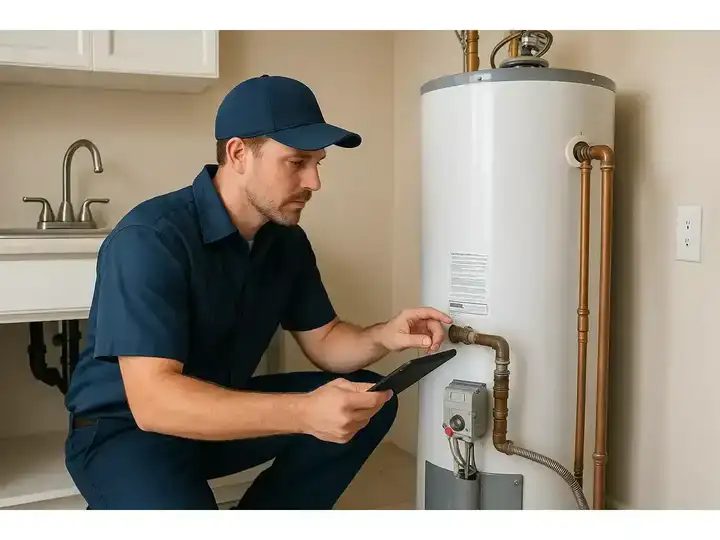
If you are comparing options for water heater replacement in DeFuniak Springs, FL, it helps to think beyond the tank itself. A good installation can reduce leak risk, improve hot water delivery, and prevent small plumbing issues from spreading into bigger repairs. For homeowners searching for a plumber near me, plumbing repair, or water heater service, this is one of those projects where local experience really matters.
Why water heater problems often show up in other parts of the plumbing
Water heaters rarely fail in isolation. A tank that is corroding or overworked can create problems in nearby shutoff valves, supply lines, drain pans, and even the floor or slab below it. In many DeFuniak Springs homes, especially those with garages, closets, or utility rooms that hold older equipment, a slow leak can go unnoticed until it has already damaged drywall, subflooring, or surrounding pipes.
Hard water can also leave mineral buildup inside the tank and on fixtures throughout the house. Over time, that buildup can affect water pressure, clog aerators, and shorten the life of faucets, toilet valves, and other plumbing parts. If the water heater is aging and the home already has slow drains or frequent fixture repairs, replacement may be part of a larger plumbing reset rather than a stand alone fix.
Local conditions in DeFuniak Springs that make replacement worth planning carefully
DeFuniak Springs has the kind of warm, humid climate that can be rough on plumbing equipment. Moisture in the air can speed up corrosion on exposed fittings, and summer demand often puts extra strain on hot water systems in homes, rentals, and small businesses. In Walton County, many properties also mix newer plumbing updates with older lines, which means a new water heater has to work well with the rest of the system.
That is one reason local plumbing service is so valuable. A plumber familiar with DeFuniak Springs and the wider Walton County area understands how local water quality, pipe age, and home layouts affect installation choices. In some homes, the right replacement also includes checking the drain line, expansion tank, pressure relief valve, and nearby shutoff so the whole setup works the way it should.
Leaks around the tank are a warning, not a small nuisance
Not every leak means the tank has failed, but any moisture around the base of a water heater deserves attention. Water near the unit can come from the tank itself, a loose connection, a bad valve, or a clogged drain pan. The problem is that even a small drip can lead to rust, mold, and damage to nearby framing or flooring.
If the water heater is leaking from the tank body, replacement is usually the practical next step. Repairing a corroded tank does not solve the underlying issue. If the leak is coming from a fitting or valve, a plumber can often determine whether the part can be repaired or whether the system is old enough that replacement makes more sense. For urgent leaks, it is smart to reach for Emergency Plumbing Services before the problem spreads.
Drains, sediment, and why hot water problems can show up slowly
A water heater that takes longer to recover, makes popping noises, or delivers cloudy water may be dealing with sediment buildup. In areas with mineral heavy water, sediment settles in the bottom of the tank and reduces efficiency. That can make the unit work harder, raise utility costs, and create uneven hot water at sinks, tubs, and showers.
Sediment can also affect drains and nearby plumbing. If the tank is flushed too late in its life, the process can stir up debris that ends up in lines or fixtures. Homeowners who already deal with sluggish drains may want to pair replacement with a look at the rest of the system. In some cases, Sewer & Drain Services can help clear buildup, improve flow, and make sure the new water heater is not being installed on top of a larger drainage issue.
Pipes and fittings deserve a close inspection during replacement
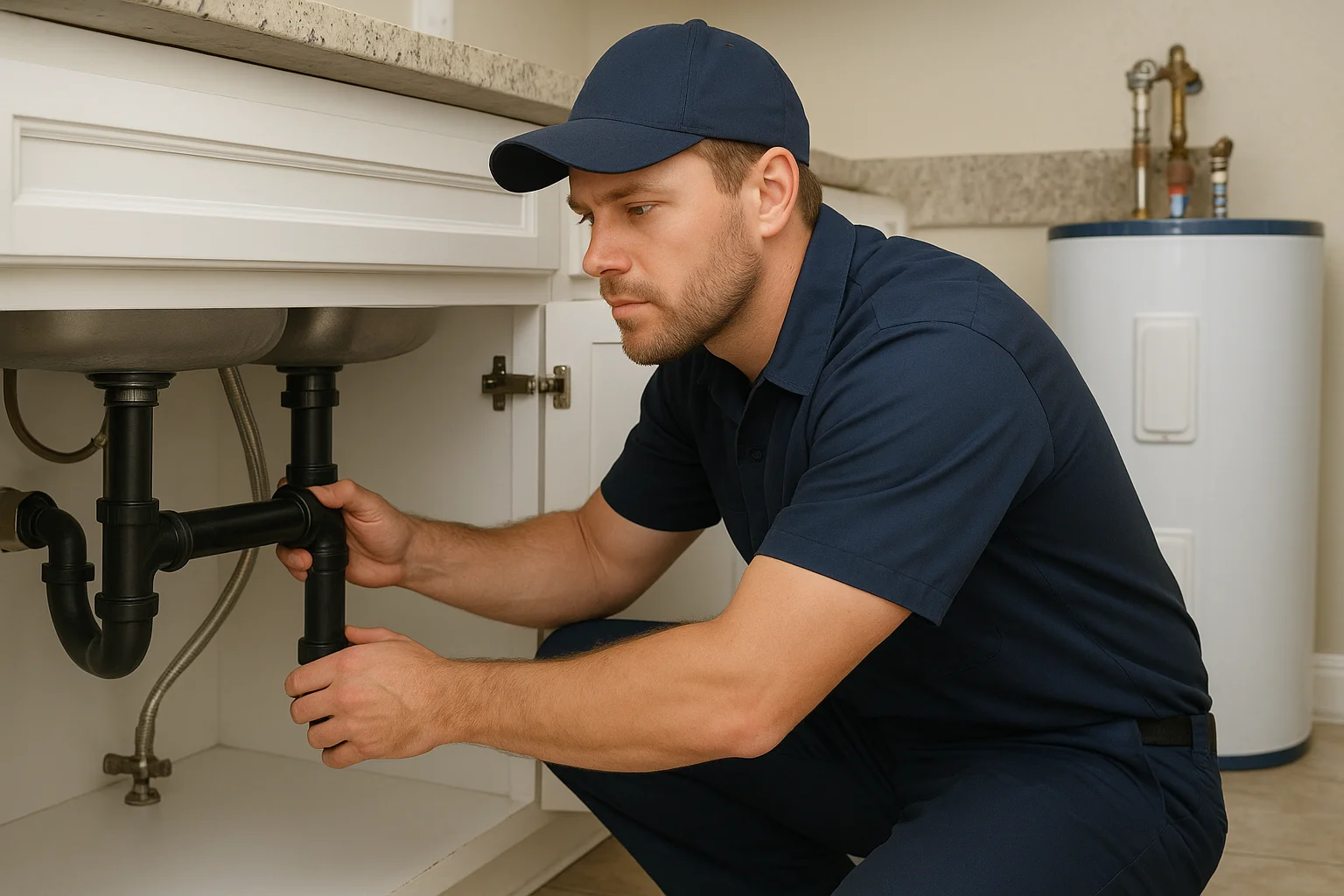
Replacing the water heater is the right time to evaluate the pipes leading in and out of the unit. Older copper, galvanized, or mixed material piping can show signs of corrosion, pinhole leaks, or poor support. Flexible supply lines may be worn, and shutoff valves can seize up after years of use. If the installation crew spots these issues early, they can prevent a surprise leak after the new heater is in place.
Pipe repair is especially important in homes that have had repeated plumbing service calls. A water heater replacement can uncover weak spots that were easy to ignore before. If the surrounding piping is unstable, the new unit may not perform as expected, and pressure changes can lead to fixture problems in nearby bathrooms or kitchens. That is why a careful installation often includes checking the whole connection path, not just swapping the tank.
Water pressure, fixtures, and the ripple effect on the rest of the house
Water pressure that is too high can shorten the life of a water heater and the fixtures connected to it. Pressure that is too low can make hot water feel inconsistent, especially in homes with multiple bathrooms or long pipe runs. In DeFuniak Springs homes with older plumbing, pressure swings may show up as noisy pipes, weak shower flow, or toilets that refill slowly.
Those symptoms can point to more than one issue. A failing water heater, mineral buildup, clogged aerators, or a pressure problem in the main line can all play a part. If the home also has faucet drips, toilet repairs, or other fixture trouble, it may be time to address the whole plumbing picture instead of treating each symptom separately. For homeowners focused on practical maintenance, this is also a good time to review Lowering Repair Risk During Plumbing Fixture Replacement in DeFuniak Springs Homes and Practical Advice for Dealing With Water Heater Replacement Before Small Plumbing Issues Grow in DeFuniak Springs, FL.
Hard water and mineral buildup can shorten the life of the system
Hard water is a common concern in many Florida communities, and DeFuniak Springs is no exception. Minerals in the water can settle inside the tank, clog valves, and leave residue on showerheads, faucets, and appliance connections. Over time, that buildup can reduce efficiency and make a water heater more likely to fail before its expected lifespan.
Homeowners who see white scale on fixtures, cloudy glassware, or frequent sediment in the tank should take those clues seriously. In some homes, water purification can help reduce ongoing buildup and protect new plumbing equipment. If your household has recurring scale issues or you are planning a replacement in a home with older pipes, it may be worth asking about Water Purification as part of a longer term plumbing strategy.
Slab leaks and hidden moisture deserve special attention
Some DeFuniak Springs homes are built on slab foundations, which means hidden leaks can be harder to spot and more expensive to ignore. A failing water heater or corroded connection can send moisture into areas that are not easy to inspect. If you notice warm spots on the floor, unexplained water bills, or dampness near the utility area, the problem may involve more than the heater itself.
Slab leaks and hidden pipe leaks can also affect the performance of a new water heater if they are left unresolved. Before or during replacement, a plumber should check for signs of water loss, damaged lines, or pressure changes that suggest a larger leak in the system. Catching those issues early can prevent repeated repairs and protect the foundation.
How to reduce the chance of a plumbing emergency during replacement
Water heater replacement is usually straightforward when the surrounding plumbing is in good shape, but it becomes more complicated if the home already has aging valves, weak drains, or corroded pipes. A few simple steps can lower the risk of an emergency during the job and after it is finished.
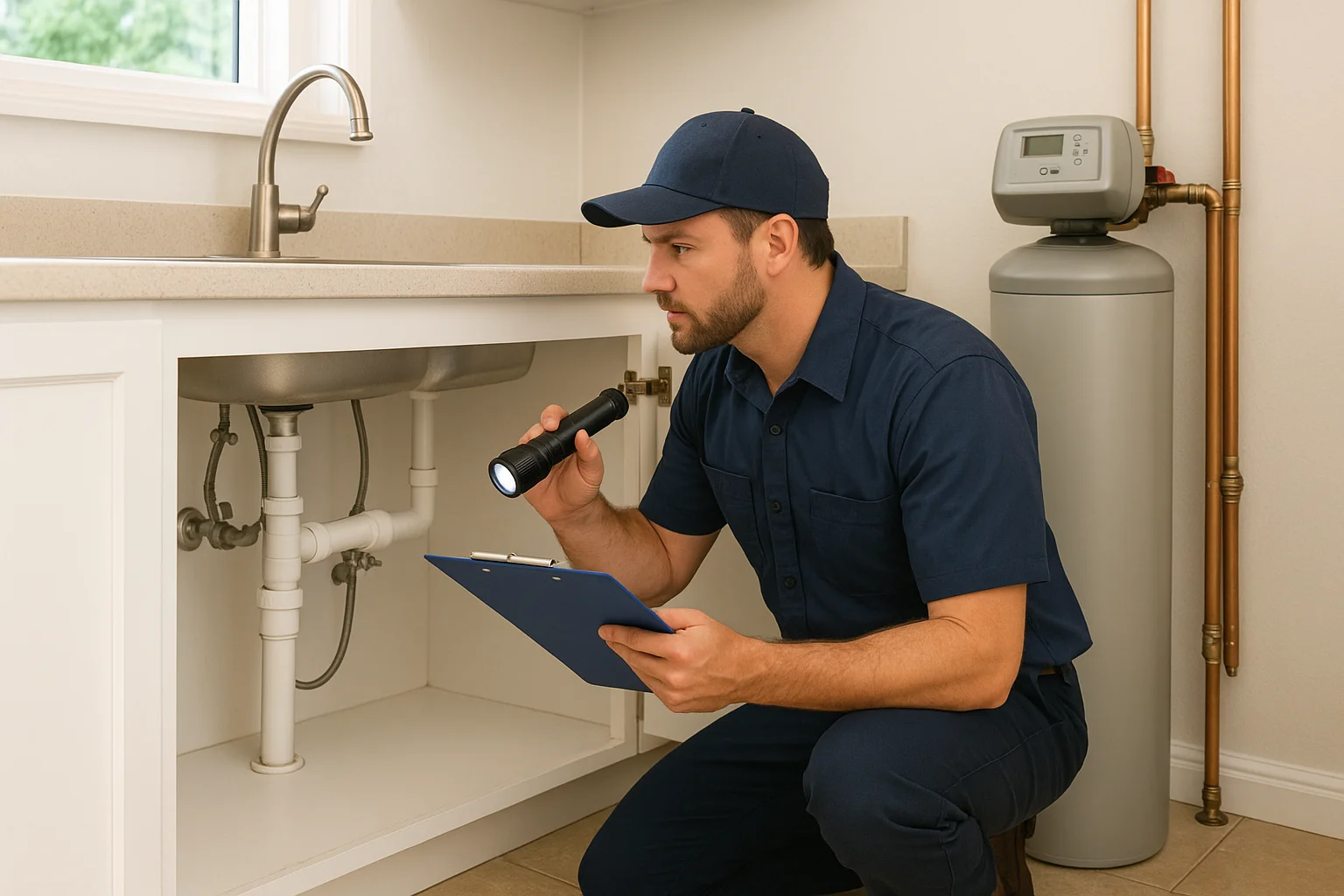
Start by having the area inspected before the old unit is removed. That gives the plumber a chance to spot rust, pressure problems, or shutoff issues before they become an urgent leak. Make sure the drain pan, discharge line, and water connections are sized and routed correctly. If the home has a history of backups, slow drains, or sewer concerns, it may be smart to evaluate those too before the new water heater goes in.
For homeowners who want to budget the work without delaying it, Plumbing Financing can make a replacement easier to plan around. That can be especially helpful for rental properties, older homes, or businesses that cannot afford extended downtime.
Maintenance that helps a new water heater last longer
After replacement, routine plumbing maintenance goes a long way. Flushing the tank when recommended, checking the pressure relief valve, watching for corrosion at the fittings, and keeping the area around the unit dry all help extend service life. It is also worth paying attention to nearby fixtures. A faucet that starts dripping, a toilet that runs constantly, or a drain that backs up more often can all signal changes elsewhere in the system.
In homes around DeFuniak Springs, preventive maintenance is not just about one appliance. It is about protecting the pipes, drains, and fixtures that depend on steady water flow every day. If you are already dealing with recurring plumbing repair calls, replacing the water heater can be part of a broader plan to reduce future problems and keep the home running more smoothly.
Why local plumbing support makes a difference
A water heater replacement is easier when the plumber understands the homes, water conditions, and common plumbing issues in the area. That local knowledge helps with everything from sizing the equipment to checking for drain concerns, pipe wear, and leak risk. It also matters when a homeowner needs help quickly and wants a team that knows the county and can respond with the right parts and experience.
For DeFuniak Springs homeowners, that means working with a company that treats the water heater as part of the whole plumbing system, not just a standalone appliance. A careful replacement can improve hot water reliability, protect nearby pipes and fixtures, and reduce the chance that a small leak turns into a bigger repair. If you are comparing options for a plumber near me, plumbing repair, drain cleaning, leak repair, sewer line help, or local plumbing maintenance, choosing a trusted local team can make the process much smoother.
For related reading, see What DeFuniak Springs Homeowners Should Know Before a Plumbing Emergency Gets Worse and Why Water Heater Installation Deserves Attention Before It Becomes a Bigger Plumbing Problem in DeFuniak Springs.
Find Water Heater Replacement in DeFuniak Springs, FL
If you need Water Heater Replacement in DeFuniak Springs, FL, visit our local service page or contact A Superior Mechanical today.
Map of DeFuniak Springs, FL
Frequently Asked Questions
How do I know if my water heater needs replacement instead of repair?
If the tank is leaking, heavily corroded, making loud sediment noises, or struggling to provide enough hot water, replacement is often the better option. A plumber can inspect the unit and nearby pipes to confirm whether repair still makes sense.
Can hard water in DeFuniak Springs affect my new water heater?
Yes. Hard water can cause mineral buildup inside the tank and on fixtures, which can reduce efficiency and shorten the life of the system. Regular maintenance and, in some homes, water purification can help limit those issues.
Should I have my pipes checked during a water heater replacement?
Absolutely. Replacement is a good time to inspect supply lines, shutoff valves, pressure relief parts, and nearby pipe sections for corrosion or leaks. Catching those problems early can prevent a bigger plumbing repair later.
Related Articles
- Practical Advice for Dealing With Water Heater Replacement Before Small Plumbing Issues Grow in DeFuniak Springs, FL
- What DeFuniak Springs Homeowners Should Know Before a Plumbing Emergency Gets Worse
- Lowering Repair Risk During Plumbing Fixture Replacement in DeFuniak Springs Homes
- Why Water Heater Installation Deserves Attention Before It Becomes a Bigger Plumbing Problem in DeFuniak Springs
Photo Gallery