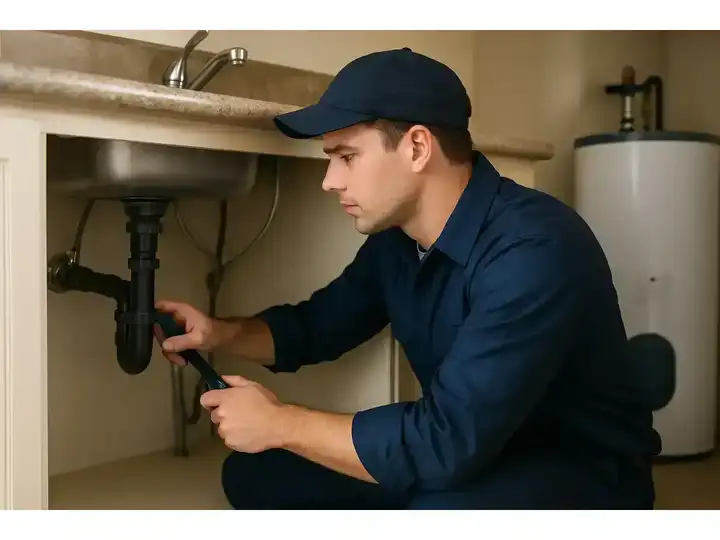
Homes along 30A have a lot in common: coastal weather, seasonal humidity, sandy soil, and plumbing systems that work hard for full time residents and vacation properties alike. But an older beach cottage in Walton County does not age the same way as a newer build or a recently remodeled rental. That difference matters when it comes to plumbing installation, drain performance, leak prevention, and long term reliability.
For homeowners looking for plumbing installation in 30A, FL, the right plan starts with understanding how local homes are built and how the coastal environment affects pipes, fixtures, and water use. Whether you are updating a bathroom, adding a kitchen, replacing a water heater, or planning a full remodel, a local plumber who knows the area can help you avoid problems that are easy to miss at first.
30A homes also vary widely in age and construction style. Some older houses may still have outdated supply lines, aging shutoff valves, or drain systems that were designed for lighter use. Newer homes may have modern materials, but they can still run into issues from hard water, high demand, or installation shortcuts. In both cases, professional plumbing service helps protect the home from leaks, slow drains, sewer backups, and unexpected repair bills.
Why plumbing in 30A needs a local approach
Coastal Florida plumbing faces a different set of conditions than inland homes. Salt air, humidity, heavy summer storms, and sandy soil all affect how systems age and how they should be installed. In Walton County, homeowners also deal with a mix of full time living, short term rentals, and second homes that may sit unused for stretches of time. That can create pressure changes, dry traps, hidden leaks, and water heater issues that do not always show up right away.
Local service matters because a plumber familiar with 30A understands what tends to fail first. In some homes, the concern is corroded pipes or low water pressure. In others, it is a bathroom remodel that needs proper drain sizing, a new appliance hookup, or a sewer line that needs to handle more guests than the original system expected. Good installation is about matching the plumbing to the home, the water supply, and the way the property is actually used.
Older homes and the plumbing issues that come with age
Older homes along 30A often have character, but the plumbing may have been patched, upgraded in stages, or left in place longer than it should have been. That can show up in a few ways. Galvanized or aging metal pipes may restrict water flow and contribute to discolored water or uneven pressure. Older drain lines may clog more easily, especially if tree roots, settling soil, or buildup have narrowed the pipe. Fixtures may also leak around bases, handles, or supply connections if the parts are worn.
In homes that have seen repeated repairs, a plumber may find that the real issue is not one faucet or one drain, but a system that needs more complete replacement. That is where careful plumbing installation becomes important. Replacing sections of pipe, updating shutoffs, or installing new fixtures with proper supports and seals can reduce the chance of repeat service calls. Homeowners who have dealt with recurring leaks may also want to read What 30A Homeowners Should Watch Before Small Plumbing Problems Turn Bigger for a closer look at early warning signs.
Older homes often need attention in these areas
Supply lines, drain lines, toilet seals, faucet cartridges, water heater connections, and sewer line transitions are all common trouble spots. If a home has had additions or remodels over the years, the plumbing may include different pipe materials joined together. Those transition points need to be installed correctly or they can become weak spots later.
Older homes can also struggle with water pressure. Too much pressure can stress fixtures and joints, while too little can make showers and appliances frustrating to use. A licensed plumber can test the system and recommend the right fix, whether that means replacing a pressure reducing valve, updating pipe runs, or installing new fixtures that work better with the home's supply.
Newer homes still need careful plumbing installation
It is easy to assume a newer home will not have plumbing problems, but that is not always true. A modern build may use better materials, yet poor installation can still lead to leaks, noisy pipes, drain issues, or premature water heater trouble. In coastal neighborhoods around 30A, newer homes also tend to have more bathrooms, larger kitchens, outdoor showers, and laundry spaces that put more demand on the system.
That higher demand means plumbing installation has to be planned with real use in mind. A vacation rental, for example, may see heavy turnover and more frequent flushing, showering, and laundry than a typical primary residence. If drain sizing, venting, or fixture selection is off, the home may develop slow drains or recurring clogs. For properties with hard water, mineral buildup can also affect fixtures and appliances sooner than expected. Homeowners considering water quality improvements may want to explore Water Softening or Reverse Osmosis Systems for better protection and everyday comfort.
Leaks, drains, and pipe problems that should not be ignored
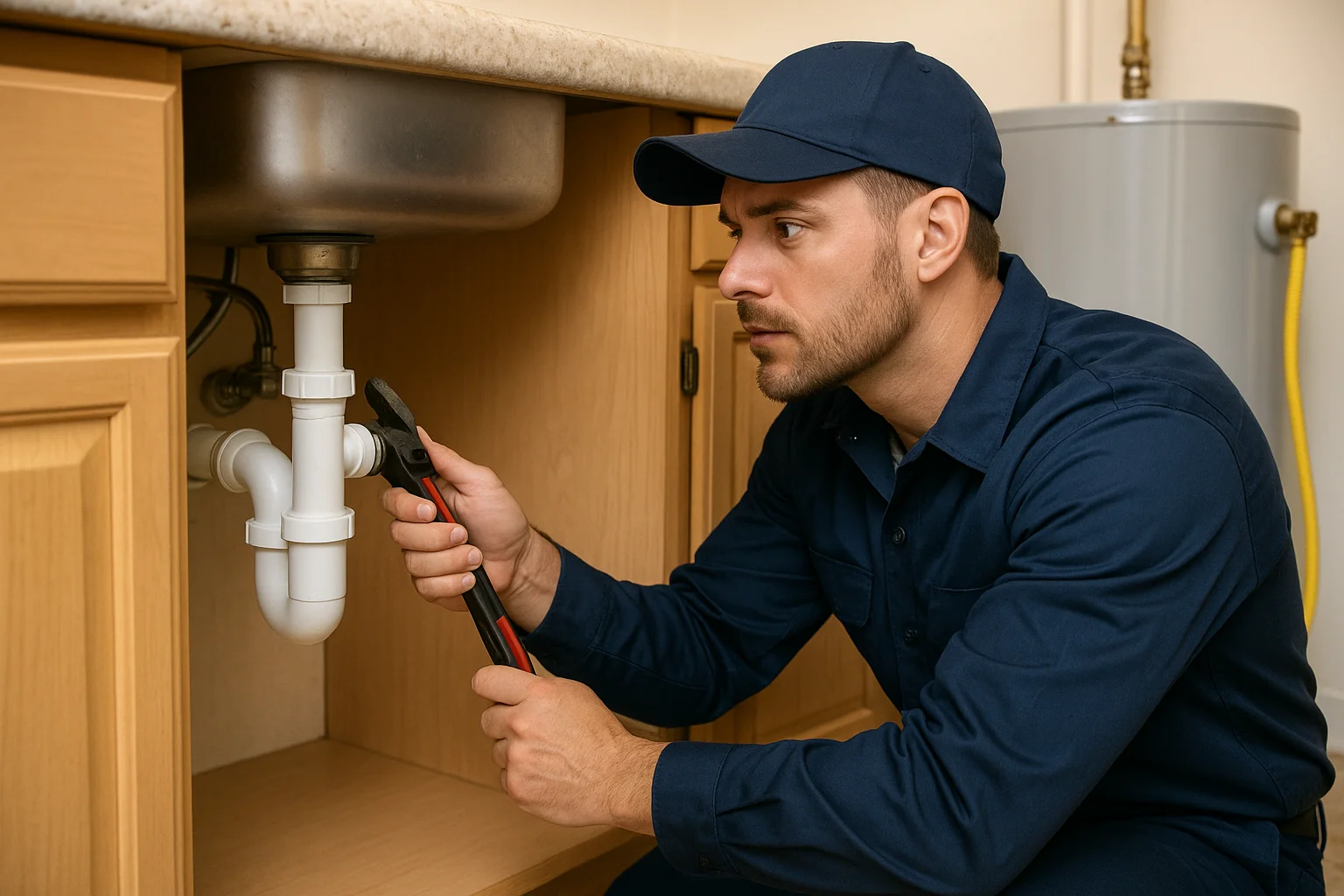
Leaks are one of the most common reasons homeowners call for plumbing repair, and in 30A homes they can cause damage quickly. A small leak under a sink may seem minor, but in a humid climate it can lead to cabinet damage, mold growth, and hidden rot. Slab leaks are another concern in homes built on concrete foundations. They can show up as warm spots on the floor, unexplained water bills, damp areas, or the sound of running water when no fixtures are on.
Drain issues are also common in homes that see lots of guests or seasonal use. Grease, soap residue, hair, and sand can build up in kitchen and bathroom drains. If a drain clogs repeatedly, the problem may be more than a simple blockage. It could point to a venting issue, poor slope, or aging pipe that needs professional attention. For urgent problems that affect the whole home, Emergency Plumbing in 30A: The Homeowner Issues That Deserve Fast Attention explains which situations should be handled right away.
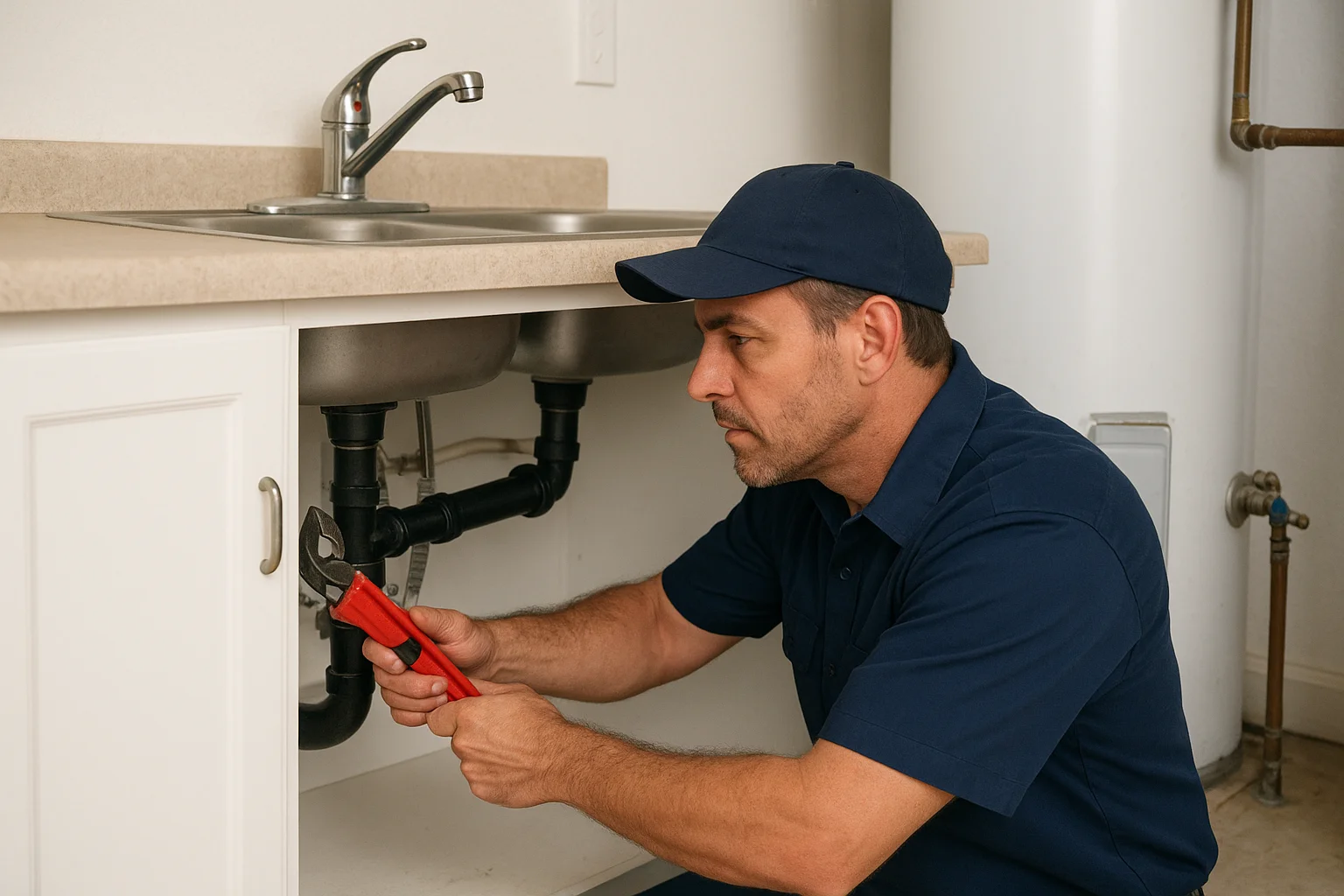
Pipe problems can also appear in subtle ways. A faucet that loses pressure, a toilet that runs too often, or a shower that sputters may all point to issues in the supply line or fixture connection. If the home has older pipes, replacing sections during a remodel can help prevent future repairs. If the issue is isolated, targeted pipe repair may be enough to restore performance without a larger project.
Water heaters, fixtures, and daily use in coastal homes
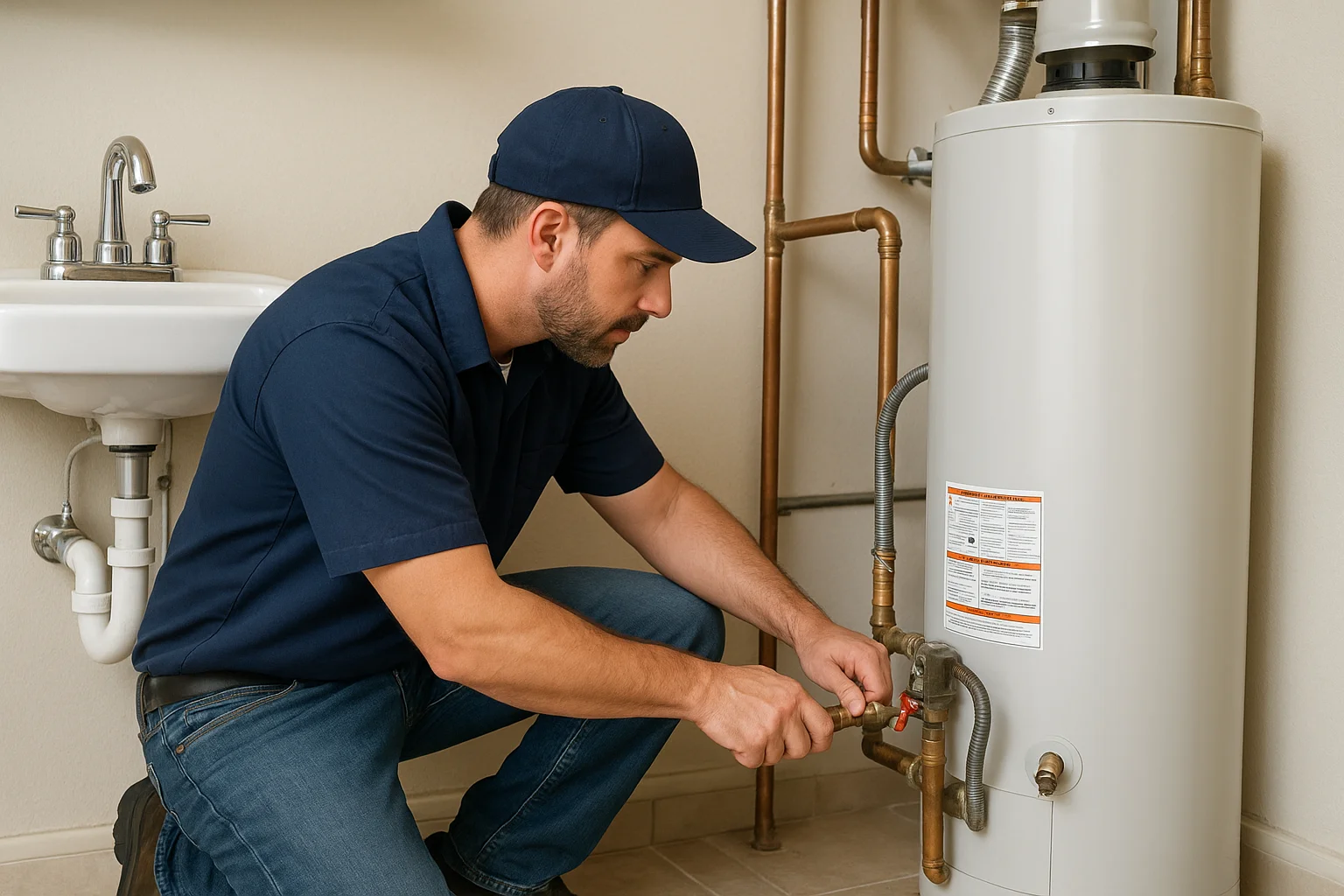
Water heaters in 30A homes often work harder than homeowners realize. High humidity, mineral content in the water, and frequent use can shorten equipment life if the system is not maintained. Sediment buildup can reduce efficiency, create noise, and make hot water less reliable. If a heater is leaking, producing rusty water, or struggling to keep up, it may need repair or replacement. Homeowners can learn more about service options through Water Heater Repair and Water Heater Maintenance.
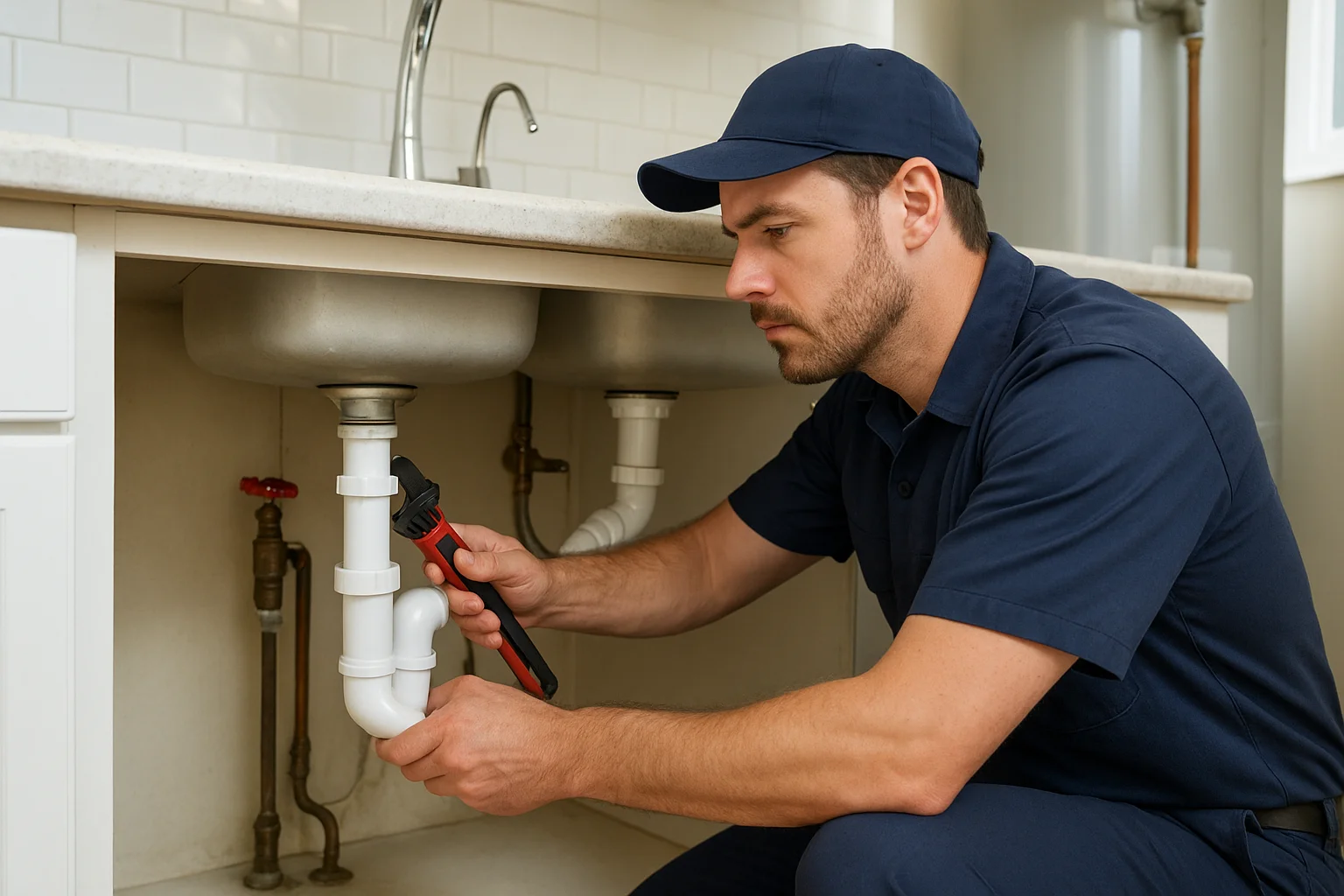
Fixture installation also matters more than many homeowners expect. A toilet that is not set properly can rock and leak at the base. A faucet with loose supply connections can drip inside a vanity for months before anyone notices. Outdoor showers and hose bibs need weather aware installation so they hold up to salt air and heavy use. If you are updating fixtures, it helps to review What Homeowners Often Miss During Plumbing Fixture Replacement in 30A, FL before starting the project.
Prevention that saves money over time
The best plumbing problems are the ones you never have to deal with. Preventive maintenance is especially valuable in 30A, where homes may sit vacant, get rented often, or experience sudden changes in water use. A few practical habits can make a big difference. Check under sinks for moisture, watch for changes in water pressure, listen for running toilets, and pay attention to slow drains before they turn into full blockages.
It is also smart to schedule regular inspections if the home is older, used as a rental, or has had recent remodeling. A plumber can inspect visible pipes, test shutoff valves, check drain performance, evaluate the water heater, and look for signs of hidden leaks. If you are planning a larger project, it can help to think through the budget early and review Smart Ways to Manage Plumbing Financing for 30A Homeowners before work begins.
For homeowners who want to reduce risk even further, good installation choices matter. That includes using the right pipe materials, proper venting, secure fittings, correctly sized drains, and fixtures that match the home's water demand. A well installed system does not just work better on day one. It also tends to need fewer emergency calls later.
When local plumbing service is the right move
Some plumbing issues can wait, but others need prompt attention. If you see water pooling near a wall or slab, smell sewer gas, hear constant running water, or lose hot water unexpectedly, it is time to call a professional. The same is true if drains back up in more than one room, a toilet overflows repeatedly, or a leak keeps returning after a quick fix. In homes along 30A, delays can turn a manageable repair into damage that spreads through floors, cabinets, and drywall.
Homeowners searching for a plumber near me in Walton County often want someone who can handle more than one issue during a visit. That is where local plumbing services add real value. A skilled plumber can address leak repair, drain cleaning, toilet repair, faucet repair, sewer line concerns, and pipe repair while also making sure the installation is built to last. If the job involves a remodel, addition, or new construction, professional planning helps the system fit the home from the start.
For properties across the county, from beachside homes to rental houses and commercial spaces, reliable plumbing installation supports everyday comfort and long term value. If you are in the middle of a project or noticing repeated problems, working with a local team that knows Walton County can help you avoid shortcuts that cost more later.
In a place like 30A, plumbing has to stand up to salt air, seasonal traffic, hard water, and the realities of coastal living. Older homes may need careful replacement work, newer homes may need better installation planning, and every property benefits from maintenance that keeps leaks, drains, pipes, and water heaters in good shape. A well built plumbing system is one of the simplest ways to protect a home and keep it ready for daily life or guest turnover.
Find Plumbing Installation in 30A, FL
If you need Plumbing Installation in 30A, FL, visit our local service page or contact A Superior Mechanical today.
Map of 30A, FL
Frequently Asked Questions
Why do older homes in 30A need more plumbing attention?
Older homes may have aging pipes, worn shutoffs, outdated drain lines, or past repairs that no longer match the rest of the system. In a coastal area like 30A, humidity and salt air can speed up wear.
Can newer homes still have plumbing problems?
Yes. Newer homes can still develop leaks, drain issues, or water pressure problems if the plumbing was installed poorly or if the home has heavy use from guests, rentals, or large households.
What plumbing issues are most common in 30A homes?
Homeowners often deal with leaks, slow drains, slab leaks, water heater issues, fixture problems, and sewer line concerns. Hard water and seasonal use can make those issues more noticeable over time.
How often should plumbing be inspected in a coastal home?
Many homeowners benefit from an annual inspection, especially if the home is older, used as a rental, or has had recent remodeling. Regular checks can catch leaks and pipe problems early.
Related Articles
Photo Gallery