Stop and call for qualified help when plumbing water is near electrical equipment, sewage is entering occupied space, gas or burning odors are present, or a repair would require opening pressurized piping.
What Water Hammer Actually Means
A sharp bang when a washing machine stops filling or a faucet closes can be water hammer. Moving water has momentum. When a valve stops that flow abruptly, a pressure wave travels through the supply piping. The resulting shock can make pipes move against framing, shake connections, or produce a thud that seems to come from somewhere other than the fixture being used. The sound may be a single knock or several closely spaced impacts. A plumber needs to identify both the source of the pressure wave and how the piping responds.
Water hammer is not simply another name for high water pressure, and it can occur when the normal supply pressure is otherwise acceptable. Valve closing speed, water velocity, pipe layout, and support all matter. In an Inlet Beach home, the first clue may be an appliance starting its cycle during a busy household morning. Heat, humidity, and coastal location alone do not establish the cause. A new or worsening bang deserves investigation rather than an assumption that noisy plumbing is normal for the area.
Distinguish Banging From Ticking, Rattling, and Humming
The timing of a sound often tells a plumber more than its volume. A bang precisely when flow stops points toward hydraulic shock. Rattling while water continues to run may involve loose supports, a vibrating valve, or piping touching another surface. Rapid chatter can originate in a worn valve component or pressure-control device. A hum may travel from a circulating pump or an appliance through the piping. Because walls and framing transmit sound, the loudest room is not necessarily where the problem begins.
Ticking or light popping that starts as hot water reaches a pipe, then fades, often comes from thermal movement. Piping expands as it warms and contracts as it cools. If it rubs against framing or a tight penetration, that movement can become audible. Drain piping can also make expansion noises, which a supply-side arrestor will not correct. A sound that resembles dripping should not automatically be dismissed as expansion, especially if it accompanies staining or dampness. These distinctions help prevent paying for a device that cannot address the actual source.
Record the Pattern Without Disturbing the Plumbing
Before scheduling service, note which fixture or appliance is operating, whether hot or cold water is involved, and whether the sound happens at startup, during flow, or at shutoff. Record whether the problem occurs with one fixture alone or only when several are in use. A short phone recording can help, particularly with an intermittent dishwasher or washing-machine fill cycle. Also note recent appliance replacements, plumbing repairs, or changes in how the building is occupied. A faster-closing replacement appliance valve can expose a problem that was not previously noticeable.
In an Inlet Beach vacation home or rental, ask occupants for specific observations rather than simply a report of loud pipes. Did the bang follow a toilet refill, an ice-maker cycle, or a shower being turned off? Does it happen only during turnover laundry? Observe accessible areas from a dry, safe location, but do not remove appliance panels, pull out connected appliances, enter a wet crawlspace, or open walls. Avoid repeatedly snapping faucets closed to demonstrate the problem. Normal-use observations are enough to give the plumber a useful starting point.
Know When to Stop Using the Affected Fixture
An occasional mild tick during hot-water use is different from a forceful bang that visibly shakes piping or hoses. Repeated heavy impacts, new leakage at a connection, substantial appliance movement, or a sudden change in water delivery warrant prompt professional attention. Stop using the fixture or appliance that reliably triggers the problem until it can be assessed. Water hammer can stress plumbing components, but noise alone cannot establish that a pipe is about to fail. The urgency depends on the accompanying conditions and the severity of the movement.
If active leakage occurs, stop the appliance if it is safe to do so and keep people away from wet electrical equipment. Use a known, accessible water shutoff only if you can reach and operate it safely; do not force a stuck valve. If water has reached receptacles, wiring, or equipment connections, stay out of the wet area and seek appropriate emergency help. Do not tighten vibrating connections while the system is operating or brace a moving pipe with an improvised wedge. Those actions can create new stress without resolving the pressure shock.
What a Professional Noise Diagnosis Should Include
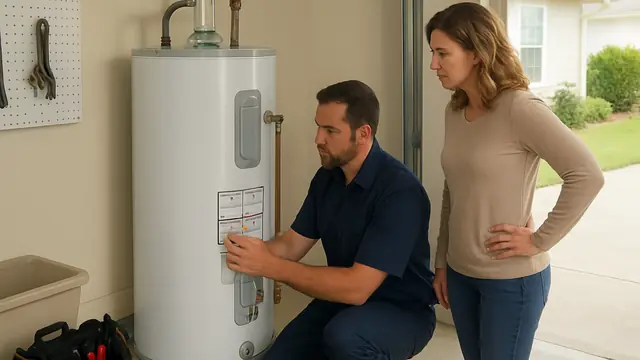
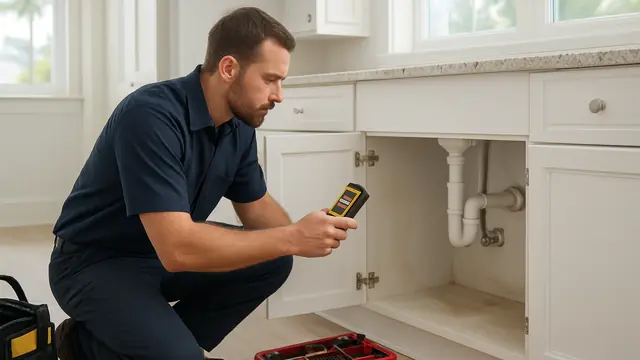
A useful diagnostic visit begins with reproducing the sound under normal operating conditions. The plumber should compare the noise with the opening and closing of specific valves, then inspect accessible piping, supports, appliance connections, and any existing arrestors. Pressure measurements can help separate an abnormal baseline pressure from a short-lived event. An ordinary gauge may not capture a very brief surge, so a normal reading does not by itself rule out water hammer. Intermittent problems may require additional monitoring or a return observation during the operating cycle that causes the noise.
The evaluation may also include pressure-regulating equipment, check valves, recirculation components, and the system’s provisions for thermal expansion. These checks are related but not interchangeable. Pressure that rises as a water heater heats a closed system is a different issue from a sudden wave caused by a closing appliance valve. A worn valve that chatters may need repair or replacement rather than an arrestor. Ask the plumber to explain what observation supports the diagnosis, what remains uncertain, and whether concealed piping must be accessed before a complete repair can be proposed.
When Water Hammer Arrestors Are the Right Repair
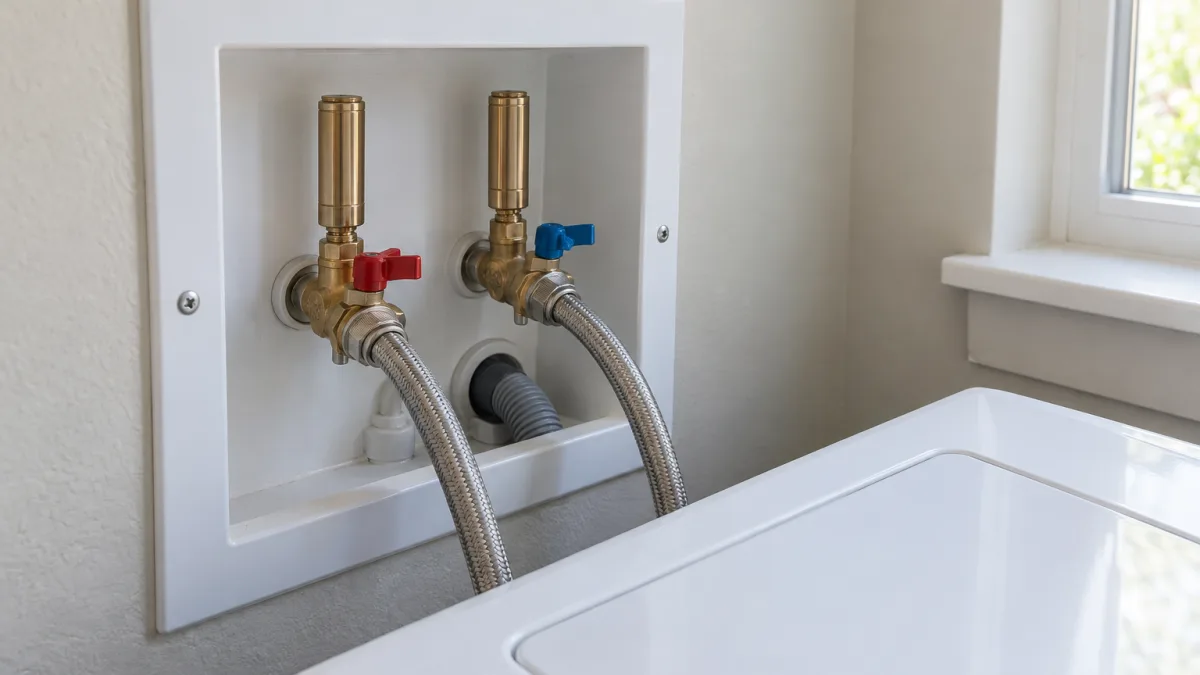
A water hammer arrestor provides a compressible cushion that absorbs the shock created by an abrupt change in flow. Manufactured units commonly separate the water from a sealed gas chamber with a piston or diaphragm. They can be appropriate near quick-closing valves, including those serving certain appliances. The plumber should select the device for the application and install it in a location and orientation allowed by its manufacturer. Correct sizing and placement matter. A single arrestor installed somewhere convenient is not automatically a solution for every noisy branch in a house.
Some older systems have capped pipe sections intended to act as air chambers. These can lose their air cushion as water absorbs the trapped air. Repeatedly draining a plumbing system to restore that cushion is not a dependable substitute for diagnosing recurring hammer. Modern arrestors also have product-specific service requirements and are not necessarily maintenance-free forever. If a previously effective arrestor no longer controls the noise, the plumber should consider device condition, valve behavior, and other system changes. An arrestor will not correct loose framing contact, every form of valve chatter, or excessive steady pressure.
Pipe Supports and Thermal Movement Need Different Solutions
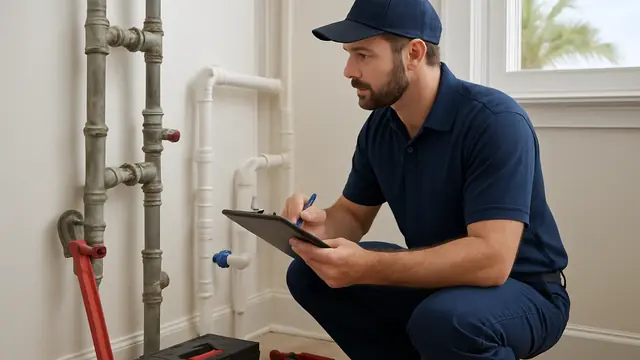
Even a modest pressure event can sound dramatic when a pipe is free to strike wood, metal, or another pipe. A repair may involve properly supporting an accessible run or correcting a point of contact. Supports must suit the piping material, installation location, and required allowance for movement. Simply clamping every pipe as tightly as possible can transfer sound to the structure or interfere with normal expansion. Where suitable, compatible isolation materials can reduce contact noise, but their selection and placement should be part of the repair rather than an improvised patch.
Thermal ticking may call for correcting an overly tight penetration or allowing a pipe to move without rubbing. Concealed contact points can be harder to locate, and the plumber may need to coordinate limited access with another qualified trade. Openings through rated assemblies must be restored appropriately. In humid Northwest Florida spaces, cold-water piping can also sweat, so insulation and moisture conditions deserve attention when work exposes the area. Insulation may help manage condensation or certain contact sounds, but wrapping a pipe is not a general cure for hydraulic shock.
Plan Repairs Around Access and Real Operating Conditions
Before approving work, ask whether the estimate covers diagnosis only or includes a defined repair. Clarify whether cabinets, walls, ceilings, or appliance connections must be accessed, and who will restore any finishes. For concealed piping, a staged approach may be reasonable: inspect accessible components, address a confirmed problem, and then reassess before opening additional surfaces. Ask how the repair will be tested and which sounds it is expected to resolve. This is especially helpful when a home has both appliance-related banging and unrelated hot-water expansion ticks.
For a seasonal property, arrange service when the responsible owner or manager can provide access and describe the complaint. Whenever practical, leave the relevant appliance available for its normal operating cycle rather than disconnected or blocked by stored items. Testing should reflect the conditions that trigger the sound, including ordinary simultaneous use if that is part of the pattern. Scheduling work between guest stays can simplify access, but active leakage or violent pipe movement should not wait for a convenient vacancy. Keep occupants informed about any fixture or appliance that should remain out of service.
Verify the Repair and Keep a Useful Maintenance Record
After a repair, the plumber should repeat the operating condition that produced the original noise and check disturbed connections for leakage. The homeowner or manager should understand whether all reported sounds were addressed or whether another noise needs separate evaluation. A washing machine may operate its inlet valves several times during a cycle, so one quiet fill does not always demonstrate the full result. Likewise, expansion ticking may not occur until hot water has traveled through a particular run. Verification should match the diagnosis rather than consist only of turning on a nearby faucet.
Keep a record of the cause, repaired components, arrestor locations, and any recommended follow-up. During routine property checks, look at accessible appliance connections and supports without moving or adjusting them. Report renewed banging after an appliance replacement or plumbing alteration, since operating conditions may have changed. Following a utility interruption, sputtering can occur as service returns; follow utility guidance and seek evaluation if forceful banging persists afterward. There is no single maintenance schedule for every noise-control device. Use the installed product’s guidance and the plumber’s recommendations instead of routinely draining the system or replacing parts without evidence.
About this guide: This resource provides general homeowner education, not a remote diagnosis. Actual conditions, code requirements, equipment, and safe repair options must be evaluated at the property.