Stop and call for qualified help when plumbing water is near electrical equipment, sewage is entering occupied space, gas or burning odors are present, or a repair would require opening pressurized piping.
You return to a bathroom after it has not been used for several days and notice reddish water for the first few seconds. Later, a faucet begins delivering less water, and a small wall repair reveals an older section of pipe with visible deterioration. For an Inlet Beach homeowner, one symptom may have a simple explanation. Several symptoms developing together may be signs your home needs repiping.
Repiping replaces unreliable hot- and cold-water supply lines in one branch, selected sections, or the whole house. It does not include drains or sewers, and age alone is not enough reason to recommend it.
When water is leaking, the immediate safe action is to stop the flow. Close the nearest fixture valve or the main shutoff if it is safe to reach. Avoid wet electrical areas, protect belongings, and contact a licensed plumber. Do not keep restoring water service when a concealed line is still leaking.
Signs Your Home May Need Repiping in Inlet Beach
Water Looks Different After Sitting
Brown, yellow, or reddish water after a fixture has sat unused may come from corroding metal pipe, the water heater, incoming supply, or a local fixture. Note whether it affects hot water, cold water, or both, whether several fixtures are involved, and how quickly it clears.
Flow Has Declined Gradually
Restricted flow is often described as low pressure. A home may have acceptable incoming pressure while internal buildup limits water at fixtures. One slow faucet may have a clogged aerator, but gradual weakness at multiple hot- and cold-water fixtures deserves evaluation.
New Leaks Follow Earlier Repairs
One damaged fitting does not prove the entire system is unreliable. Concern increases when leaks appear in different areas and involve the same material or connection. Keep records of locations, dates, and repairs so the pattern can be evaluated.
Valves and Exposed Pipes Show Deterioration
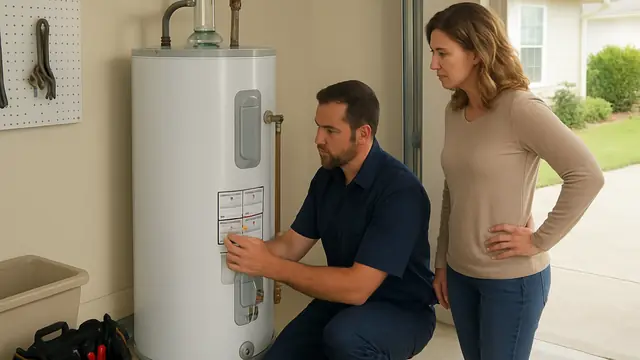
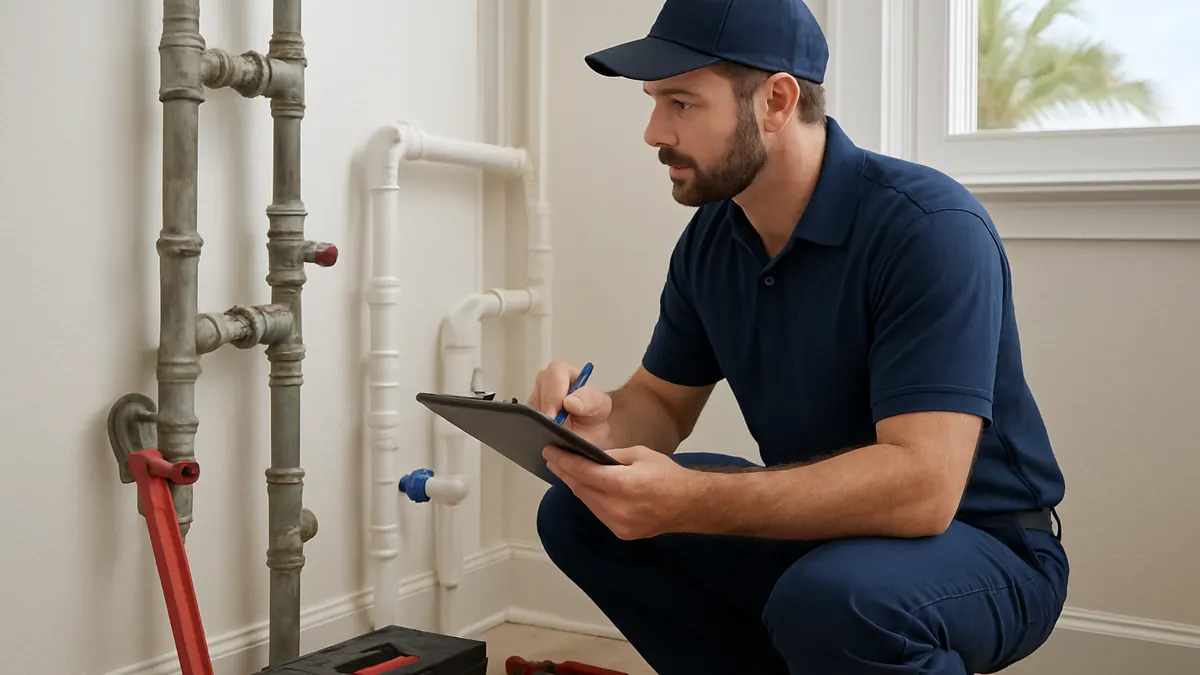
Inspect visible piping around sinks, appliances, and the water heater for rust, pitting, colored stains, deposits, moisture, or old patches. Do not test a heavily corroded valve by forcing it; a weakened component can break when disturbed.
Temperature and Pressure Change During Normal Use
A shower that changes temperature when another fixture runs may have a balancing-valve, sizing, or distribution problem. This becomes more significant when combined with poor flow, recurring leaks, or deteriorated piping.
Why a Water-Supply System Can Begin Failing
Pipe life depends on material, workmanship, pressure, temperature, damage, support, fittings, and water chemistry. Similar-age systems can be in very different condition.
Metal pipe may narrow as internal corrosion develops, reducing flow before a visible leak appears. Plastic pipe does not rust, but incompatible components, damage, poor support, heat, or pressure can still cause failures.
A fastener may cause one isolated leak, which should be distinguished from system-wide deterioration.
Safe Checks Before Scheduling an Inspection
- Start by identifying which fixtures are affected. Run cold water, then hot water, at several locations. Compare flow and note any discoloration, particles, sputtering, or delay.
- Inspect a faucet aerator only if you can reinstall it correctly. Local debris may explain one slow faucet; similar material at several fixtures deserves attention.
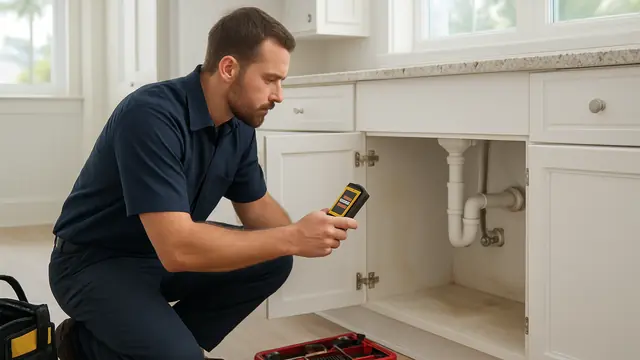
- Look under cabinets, along baseboards, and on ceilings below water-using rooms for moisture, swollen materials, peeling finishes, soft drywall, or musty odors.
- With all known water use stopped, observe the water meter if it is safely accessible. Movement may suggest a leak, although automatic equipment must be considered.
- Photograph symptoms and record when they occur.
What the Homeowner Should Not Attempt
- Do not remove large sections of finishes to search for pipe. Controlled testing can often narrow the location first.
- Do not increase system pressure to overcome weak flow. If pipes are restricted or fittings are vulnerable, higher pressure can make the problem worse.
- Do not use drain cleaner for discolored water or low supply flow. Drains are separate from pressurized supply lines.
Do not treat tape, sealant, or an improvised clamp as a permanent concealed repair. Temporary control may be useful during an emergency, but the damaged section must still be corrected properly.
Signs That Require Urgent Plumbing Service
- Water near electrical equipment creates an additional hazard. Shut off the water if safe, avoid the wet area, and seek prompt help.
- A ceiling that is sagging or bulging, a rapidly expanding stain, a visible burst line, or sudden whole-home pressure loss also requires immediate attention.
- Running-water sounds behind a wall or rapid meter movement without known use can indicate a concealed leak.
- Repeated leaks over a short period deserve timely planning even after the current leak is stopped.
How a Licensed Plumber Determines the Right Scope
- Diagnosis begins with repair history, affected fixtures, pipe material, and symptoms. The plumber inspects exposed lines, valves, fittings, patches, and accessible connections.
- Pressure testing measures the system when no fixture is running and while water is flowing. This helps identify high pressure, weak incoming pressure, and abnormal pressure loss.
- Branches may be isolated to determine whether one area or the whole home is affected. Leak-detection tools may locate hidden water without random demolition.
- The recommendation should identify the cause, remaining-pipe condition, and reason for the proposed scope.
Repair Options Beginning With the Least Invasive
A simple correction may involve cleaning an aerator, replacing a fixture cartridge, repairing a connector, replacing a shutoff valve, adjusting or replacing a pressure regulator, or repairing one accessible section.
If the problem is confined to one bathroom, one hot-water route, or another defined branch, partial repiping may be the most reasonable long-term option.
Selective replacement may be coordinated with remodeling, provided material transitions and piping left in service are evaluated.
Whole-house repiping becomes practical when failures are widespread, restrictions affect many fixtures, or repeated repairs cause continuing damage. PEX and copper are common options, selected according to approved use, routing, access, and priorities.
Factors That Determine Repiping Cost
- Cost varies with home size, number of fixtures, stories, material, pipe length, routing, and accessibility.
- Access behind cabinets, tile, or finished ceilings can increase labor and restoration. Plumbing-group locations and available routes also affect the work.
- Permits, inspections, valves, insulation, reconnections, drywall repair, painting, cleanup, and water scheduling may affect the scope. Ask for clear inclusions and exclusions.
Preventing Future Plumbing Damage
Know the location of the main shutoff and keep it accessible. Replace aging washing-machine hoses, refrigerator lines, toilet connectors, and faucet supplies before visible deterioration becomes a leak.
Have water pressure tested when pipes bang, valves or connectors fail repeatedly, or fixture components wear out unusually quickly. Address stains, damp odors, or unexplained flow changes promptly.
For a home that may sometimes be vacant, monitored leak sensors or an automatic shutoff can reduce how long an unnoticed leak runs. These devices supplement routine inspection.
Respond to the Pattern, Not Just the Latest Leak
The signs your home may need repiping in Inlet Beach include recurring leaks, declining flow, discoloration, visible deterioration, and concealed moisture. No one symptom automatically requires full replacement. A licensed plumber should determine whether a focused repair, partial repipe, phased project, or complete repipe provides the most responsible next step.
About this guide: This resource provides general homeowner education, not a remote diagnosis. Actual conditions, code requirements, equipment, and safe repair options must be evaluated at the property.