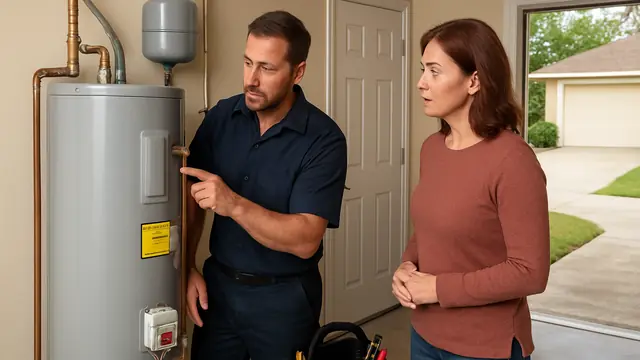
Stop and call for qualified help when plumbing water is near electrical equipment, sewage is entering occupied space, gas or burning odors are present, or a repair would require opening pressurized piping.
A Pretty Bayou homeowner may first notice a damp odor in a bathroom, flooring that feels different, or a water bill that no longer matches normal use. These symptoms can mean water is escaping from a concealed supply line, drain connection, fixture seal, appliance hose, or valve. Stop using the nearest fixture, remove anything stored in the wet area, and watch whether moisture spreads. If active water cannot be controlled with a nearby valve, turn off the main water supply when it is safe.
Why Hidden Plumbing Leaks Are Easy to Miss
A supply pipe carries pressurized water and may leak even when fixtures are off. A drain line usually leaks only while water leaves a sink, tub, shower, toilet, dishwasher, or washing machine. Loose connectors, worn toilet seals, cracked appliance hoses, failed valves, and deteriorated joints are also common sources.
Other moisture sources can look similar, so confirm the source before opening finishes.
Seven Warning Signs of a Hidden Plumbing Leak in Pretty Bayou
1. The Water Meter Moves When Nothing Is Using Water
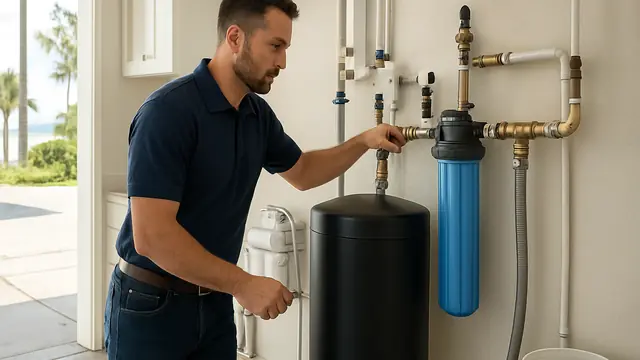
Turn off faucets, irrigation, appliances, ice makers, and water-treatment equipment. Make sure toilets have finished filling. Record the meter, avoid using water for 20 to 30 minutes, and check it again.
A running toilet or automatic equipment may use water quietly. If those are isolated and the meter still changes, a hidden supply leak becomes more likely.
2. A Musty Smell Keeps Returning
A persistent damp odor may mean drywall, insulation, cabinets, flooring underlayment, or carpet padding remains wet.
Notice whether the odor becomes stronger after a shower, dishwasher cycle, toilet flush, or sink use. That timing can help distinguish a drain leak from a continuously leaking supply line.
3. Cabinets, Baseboards, or Trim Begin to Swell
Water absorbed into wood products can cause swelling, separated seams, loose laminate, and sticking doors. Remove stored items and inspect accessible shutoff valves, faucet lines, drain traps, and appliance hoses.
A dry paper towel can reveal a small seep. Do not remove fixed cabinetry because water may have traveled from elsewhere.
4. Flooring Feels Soft, Loose, Warped, or Warm
Hidden water may raise laminate seams, loosen vinyl, cup wood, dampen carpet padding, or make tile sound hollow. Flooring near a toilet, tub, shower, refrigerator, dishwasher, or washing machine deserves attention.
A warm area may indicate hot water beneath the surface, although sunlight, appliances, and ductwork can also cause warmth. Meter movement or water sounds make it more significant.
5. You Hear Hissing, Dripping, or Rushing Water
Listen when the house is quiet and every fixture is off. A hiss may indicate pressurized water escaping, while dripping inside a wall or cabinet may point to a connection or drain problem.
A toilet can leak internally without wetting the floor. Add food coloring to the tank and wait without flushing. If colored water enters the bowl, the toilet is leaking. If the sound continues after fixtures are isolated, concealed piping should be tested.
6. Paint, Drywall, or Ceilings Begin to Change
Bubbling paint, softened drywall, peeling texture, separated baseboards, and yellow or brown ceiling marks can indicate hidden moisture. A stain may darken after fixture use or expand gradually.
The mark is not always directly below the leak. Water can follow framing, pipes, or low points before reaching the surface. Photograph the area and mark the stain's edge to track growth.
7. Hot-Water Performance or Water Pressure Changes
A concealed hot-water leak can make the water heater cycle more frequently and cause hot water to run out sooner. A larger supply leak may reduce pressure at several fixtures.
Low pressure can also result from an aerator, valve, regulator, or utility issue. Note what parts of the home are affected.
Safe Checks a Homeowner Can Perform
Use a flashlight to inspect under sinks, around toilet bases, behind accessible appliances, near the water heater, and around visible valves.
Document when symptoms appear, photograph damage, and move belongings away from wet areas.
If water is spreading, close the nearest fixture valve or main shutoff when safely accessible. Keep away from standing water near electrical outlets, appliances, ceiling fixtures, or the electrical panel.
What You Should Not Attempt
- Do not cut drywall, drill through a wall, remove flooring, or break tile based only on a sound or stain. Blind demolition can miss the source and damage wiring or other plumbing.
- Do not use chemical drain cleaner. It cannot repair a cracked drain, loose joint, or failed seal.
- Avoid forcing a corroded valve or repeatedly tightening an old fitting. Tape, caulk, and surface sealants are not dependable permanent repairs for pressurized plumbing.
When the Leak Requires Urgent Service
Treat the problem as urgent when water spreads rapidly, a ceiling bulges, flooring lifts, drywall softens, or cabinetry separates. Keep people away from a sagging ceiling because saturated material can fall.
Moisture near electrical equipment requires immediate caution. Continuous meter movement, sudden pressure loss, frequent water-heater operation, or an active leak in an unattended home also warrants prompt attention.
How a Licensed Plumber Diagnoses the Source
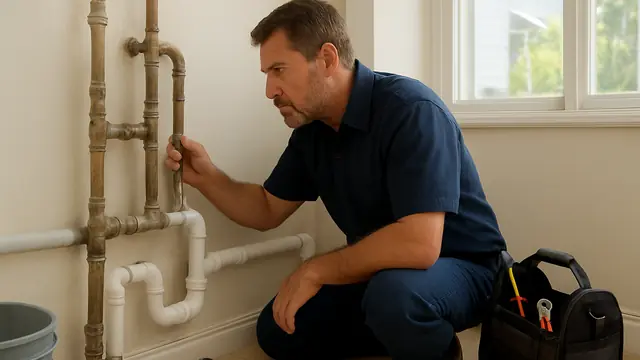
A plumber determines whether the problem follows supply water, hot water, or drainage. The inspection may include meter observation, pressure testing, toilet testing, fixture isolation, and examination of accessible connections.
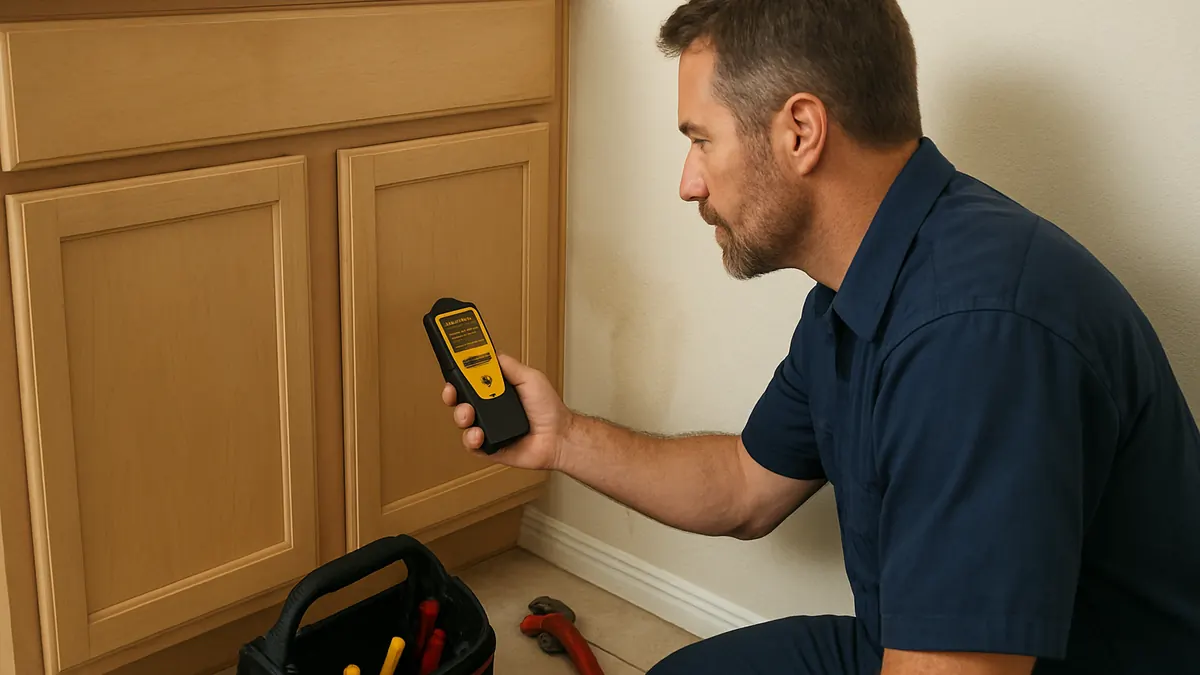
Moisture meters map damp materials. Thermal imaging may reveal temperature patterns, acoustic equipment can help locate pressurized leaks, and a drain camera may be useful when moisture appears after wastewater flows. These findings help identify the smallest reasonable access point.
Repair Options From Least Invasive to More Extensive
A loose faucet connector, appliance hose, sink trap, shutoff valve, toilet seal, or water-heater fitting may only require component replacement. A failed joint or short damaged pipe section may be repaired through limited access.
If a concealed line is difficult to reach, rerouting may avoid opening a large finished area. A longer branch can be replaced when damage extends beyond one point. Partial or whole-home repiping may be considered when leaks repeat or the system shows broader deterioration. Wet materials may also require drying or restoration.
Typical Factors That Affect Cost
Cost depends on the leak's location, pipe material, accessibility, diagnostic time, repair method, and water damage. An exposed connector is generally simpler than a pipe beneath concrete, tile, or built-in cabinetry.
Prevention and Maintenance Guidance
Inspect sink cabinets, toilet connections, appliance hoses, and the water heater several times each year. Replace connectors that are cracked, swollen, corroded, or damp. Keep shutoff valves visible and make sure household members know where the main valve is located.
Watch bills for unexplained changes, have excessive pressure evaluated, and address small stains or odors promptly.
Homeowner FAQs
Can a slow hidden leak cause major damage?
Yes. Even a small leak can repeatedly wet the same materials and eventually damage flooring, cabinets, drywall, or framing.
Why does the stain appear far from the bathroom?
Water can travel along framing, pipes, and low points before it reaches a visible surface.
Can a plumber find the leak without opening a large area?
Often, yes. Meter testing, moisture readings, thermal imaging, pressure tests, and acoustic tools can narrow the location first.
Does a warm floor always mean a slab leak?
No. Sunlight, ductwork, and appliances can also warm flooring. It is more suspicious when paired with meter movement or water sounds.
Should I keep the main water turned off?
If active supply water is causing damage, leave it off until the source is evaluated and service can be restored safely.
Respond Before the Damage Expands
Seven warning signs of a hidden plumbing leak in Pretty Bayou include meter movement, recurring odors, swollen finishes, flooring changes, water sounds, damaged walls or ceilings, and changes in hot water or pressure. Stop using the suspected fixture, document the evidence, control active water safely, and arrange a licensed diagnosis before moisture reaches a larger area.
About this guide: This resource provides general homeowner education, not a remote diagnosis. Actual conditions, code requirements, equipment, and safe repair options must be evaluated at the property.