Stop and call for qualified help when plumbing water is near electrical equipment, sewage is entering occupied space, gas or burning odors are present, or a repair would require opening pressurized piping.
What an Automatic Water Shutoff System Actually Does
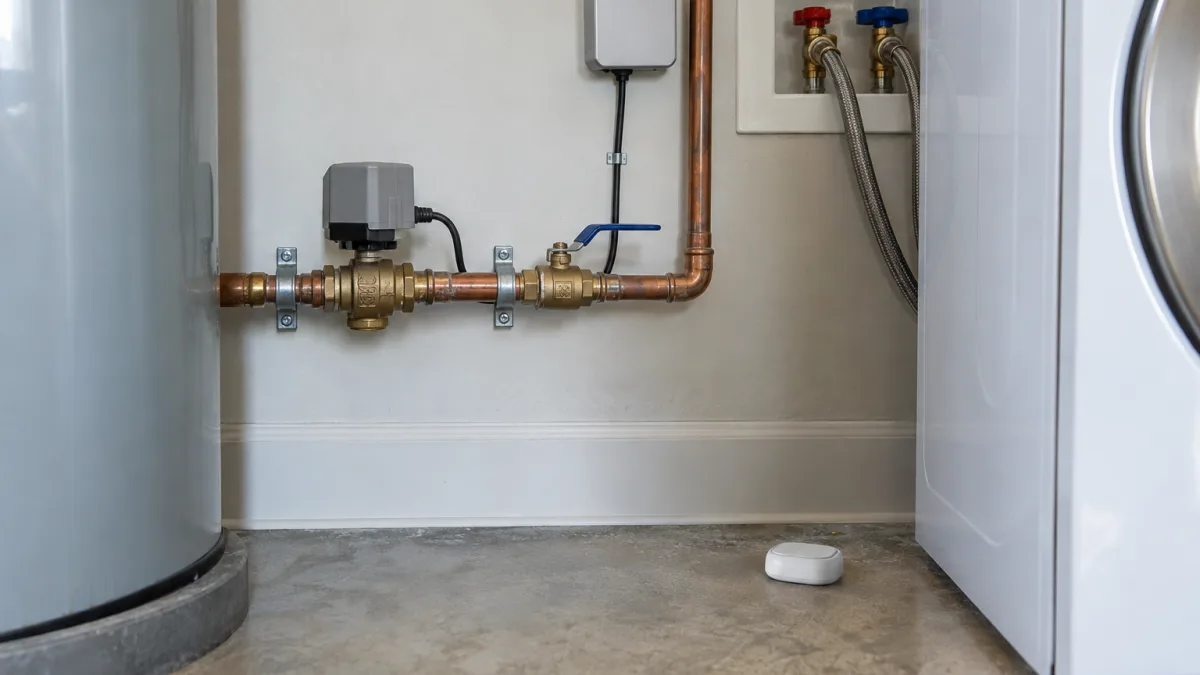
An automatic water shutoff system combines a powered valve with a way to detect a possible leak. Depending on the equipment, it may respond to unusual water use, moisture detected by a nearby sensor, or both. When its programmed conditions are met, the valve closes to interrupt the water supply. The goal is to reduce how much additional water escapes, not to make a home leakproof or replace plumbing maintenance.
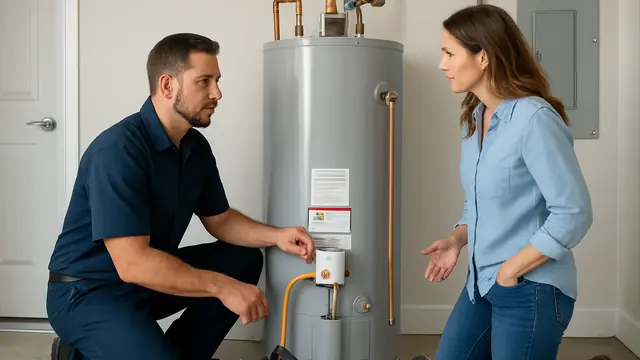
For Santa Rosa Beach homeowners and property managers, the practical value is often response time. A leak that starts between guest stays or while an owner is away may otherwise continue until someone enters the property. Automatic closure can provide another layer of protection, but only for water supplied through that valve. Installation planning should begin with the property’s plumbing layout and an honest discussion of what the system cannot protect.
Understand Flow Monitoring and Moisture Sensors
A flow-monitoring system watches water moving through the supply piping. Depending on the model, it may evaluate continuous use, volume, duration, or changes from an established usage pattern. Some systems also perform pressure-based checks during periods when fixtures are not operating. Detection capabilities vary, so ask what conditions trigger an alert, what triggers valve closure, and whether a small intermittent leak could remain below the device’s detection threshold.
Point-of-use moisture sensors work differently: they react when water reaches their sensing contacts. Common locations include beneath sinks, near washing machines, and beside water heaters. A sensor can detect water only where it is placed, and not every sensor communicates with an automatic valve. Confirm compatibility before purchasing separate components. A combined system can offer complementary protection, but its performance still depends on correct sensor placement and dependable communication.
Map the Plumbing Before Choosing a Valve Location
A licensed plumber should identify where the water service enters, how the main shutoff is arranged, and where major branches separate. An automatic valve protects only the piping downstream of its installation point. A branch feeding an outdoor fixture, detached building, or irrigation system may fall outside that protection. The proposed location should also provide access for inspection, service, and manual operation without requiring someone to move heavy equipment.
Shared services and special connections deserve additional review. A condominium owner may not control the building’s incoming supply, and closing a shared valve could affect other occupants. Where domestic water and fire sprinklers share supply arrangements, the installer must coordinate with qualified fire-protection professionals so the device does not impair sprinkler service. Homes with wells or other specialized supply equipment need a system-specific plan rather than a standard installation assumption.
Choose Equipment for the Installation Environment
Northwest Florida heat, humidity, and salt air matter when equipment sits in a garage, utility enclosure, or exterior service area. A valve body suitable for water piping does not automatically mean its electronics, power supply, and connectors are rated for outdoor exposure. Ask the installer to verify the manufacturer’s temperature, moisture, and enclosure requirements. Equipment should not be placed where routine rain, irrigation spray, or standing water exceeds those ratings.
The plumber should also match the valve to the pipe material, connection method, operating pressure, and required flow capacity. An undersized device can create unwanted pressure loss when several fixtures run together. Electrical power and network coverage must be evaluated at the actual installation location, not assumed from conditions inside the house. If a new receptacle or electrical modification is needed, have that work handled by an appropriately licensed professional.
Set Detection Rules Around Real Water Use
A long shower, a soaking tub fill, irrigation, or a water treatment regeneration cycle can resemble a leak to a system using duration or volume thresholds. Before configuration, list equipment that operates automatically and activities that use water for extended periods. Ask whether the device supports schedules, operating modes, or other adjustments, and understand which changes reduce protection. Raising thresholds until alerts disappear can defeat the purpose of installing the system.
Seasonal occupancy makes this especially important in Santa Rosa Beach. An empty home may use almost no water, while a fully occupied vacation property may have overlapping showers and laundry loads. If the equipment has a learning period, follow its setup instructions and review performance after occupancy changes. Temporary overrides should have a clear reason and end point. Avoid leaving automatic closure disabled simply because one legitimate water-use event caused an interruption.
Plan for Power, Internet, and Communication Failures
Automatic does not necessarily mean independent of household utilities. Some systems continue local monitoring and valve control without internet access, while remote alerts and app commands may stop working. Other functions may depend on a gateway or cloud connection. Power-loss behavior also varies: a valve may remain in its current position, rely on backup power, or follow another manufacturer-defined response. Get these answers for the exact model before installation.
Utility interruptions during Northwest Florida storms make a backup plan worthwhile, but a backup battery is not unlimited protection. Ask which components it powers, how its condition is checked, and what happens when it runs down. Confirm how an authorized person can operate the valve manually if the app is unavailable. Keep access instructions available outside the app, and do not assume that a remote command succeeded unless valve status can be verified.
Know Which Water Problems It Cannot Stop
A domestic water shutoff device does not stop roof leaks, stormwater intrusion, sewer backups, or air-conditioning condensate overflow. It also cannot isolate a leaking section of the service line upstream of the valve. A moisture sensor may alert someone to certain non-plumbing water problems, but closing the domestic supply will not remove their source. This distinction matters when deciding where to place sensors and what response each alarm should trigger.
Even after successful closure, water already inside pipes, appliances, or a storage water heater may continue escaping. Closing the inlet does not instantly empty those components or eliminate damage already underway. If water is near electrical equipment, stay out of the affected area and arrange safe professional assistance. Do not touch wet equipment or enter standing water to reach a valve. A shutoff system supports an emergency response plan; it does not replace one.
What Professional Installation and Commissioning Should Include
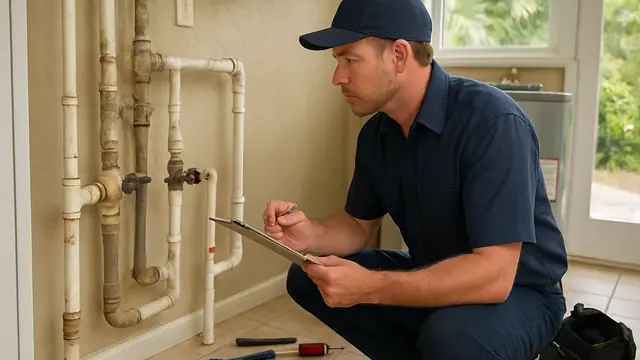
Before installation, a plumber should inspect the proposed connection area, evaluate pipe condition, verify that the existing shutoff works, and check operating pressure against equipment specifications. Corroded fittings or an unreliable manual valve may need attention first. The written scope should explain the protected branches, any excluded connections, power requirements, and arrangements for required permits or approvals. Ask who handles setup, account access, and follow-up adjustments.
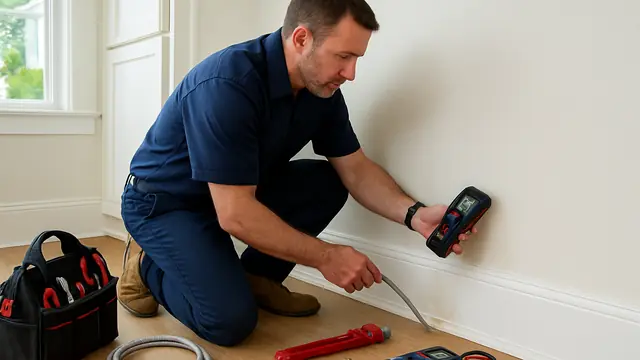
Commissioning should include checking the new connections for leaks, confirming normal fixture operation, and testing closure using the manufacturer’s approved procedure. Compatible moisture sensors should be tested without deliberately flooding the area. The installer should verify that alerts reach the intended contacts and explain valve status indicators and manual operation. Before the job is considered complete, request the model information, warranty documents, maintenance instructions, and a record of the initial settings.
Create an Alert Response Plan for Owners and Managers
An alert is useful only if someone knows what to do next. Assign a primary contact, a backup contact, and someone who can safely reach the property. For a rental, clarify whether the owner or manager controls settings and authorizes reopening. Share only the access needed for each person’s role. When management changes, update permissions and notification lists so former staff do not retain control and current staff receive warnings.
If the valve closes unexpectedly, review the alert and contact anyone onsite before restoring water remotely. Have the affected area checked for visible leakage when it is safe to do so. Repeated closures without an obvious cause warrant professional investigation rather than repeated resets. A plumber may review usage history, test for plumbing leakage, and check device operation. Document the finding and any setting changes so the next person does not have to start from scratch.
Maintain Protection After the First Installation
Follow the manufacturer’s inspection and testing schedule, including sensor battery replacement and any specified valve exercise procedure. Keep sensors in their intended positions and check that cleaning, storage, or appliance replacement has not displaced them. Look for corrosion or moisture around accessible equipment without opening electrical housings. Use only approved cleaning and testing methods, and have binding valves, damaged connections, or recurring communication failures evaluated rather than forcing components to operate.
Recheck notifications after changing a router, internet provider, phone number, or property manager. Review settings after adding water-using equipment or changing how the property is occupied. For seasonal homes, test communication and closure before an extended absence rather than relying on an old successful test. Keep service records with the plumbing documentation, including which branches remain outside the system’s coverage. That information helps future technicians and managers preserve the intended protection.
About this guide: This resource provides general homeowner education, not a remote diagnosis. Actual conditions, code requirements, equipment, and safe repair options must be evaluated at the property.