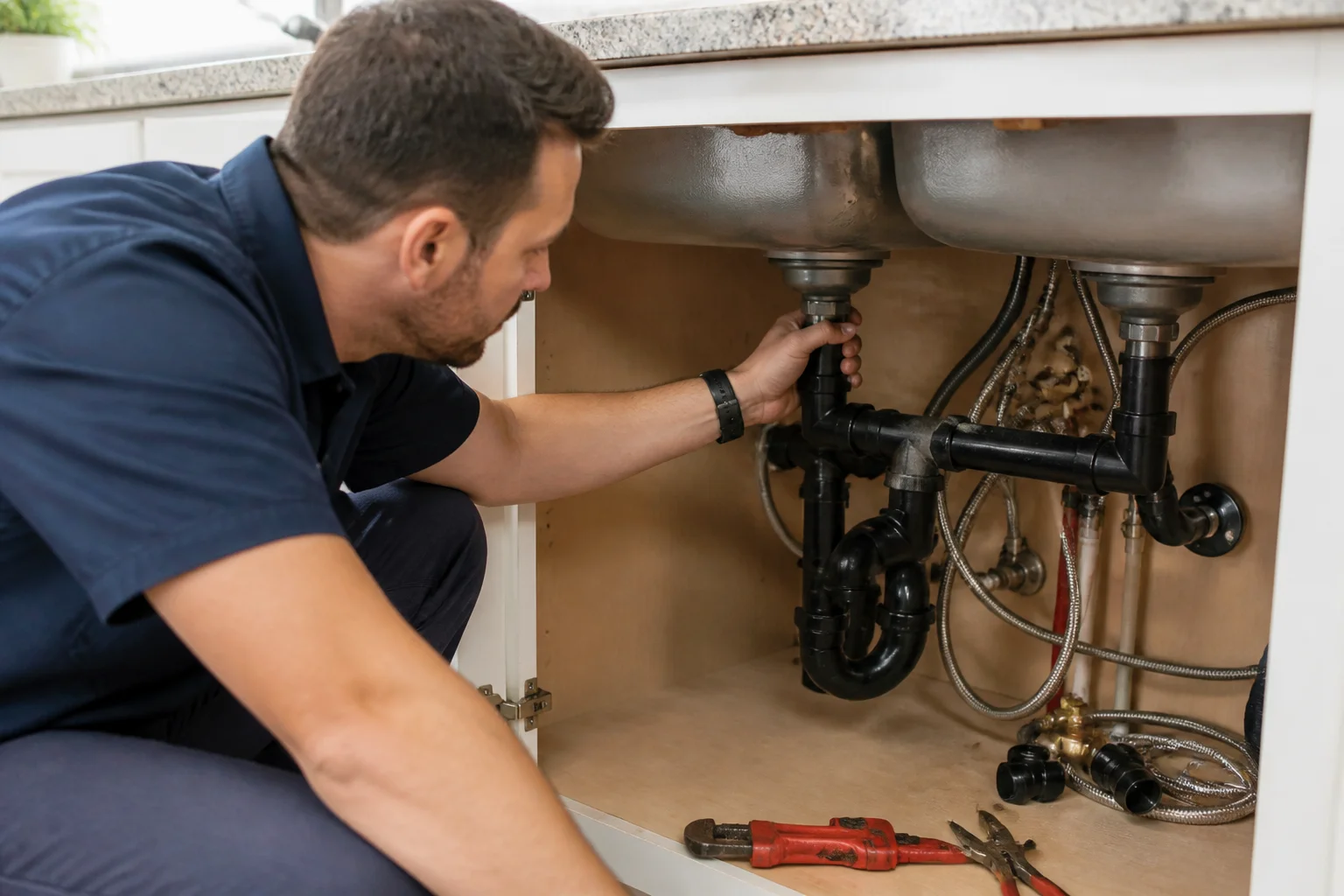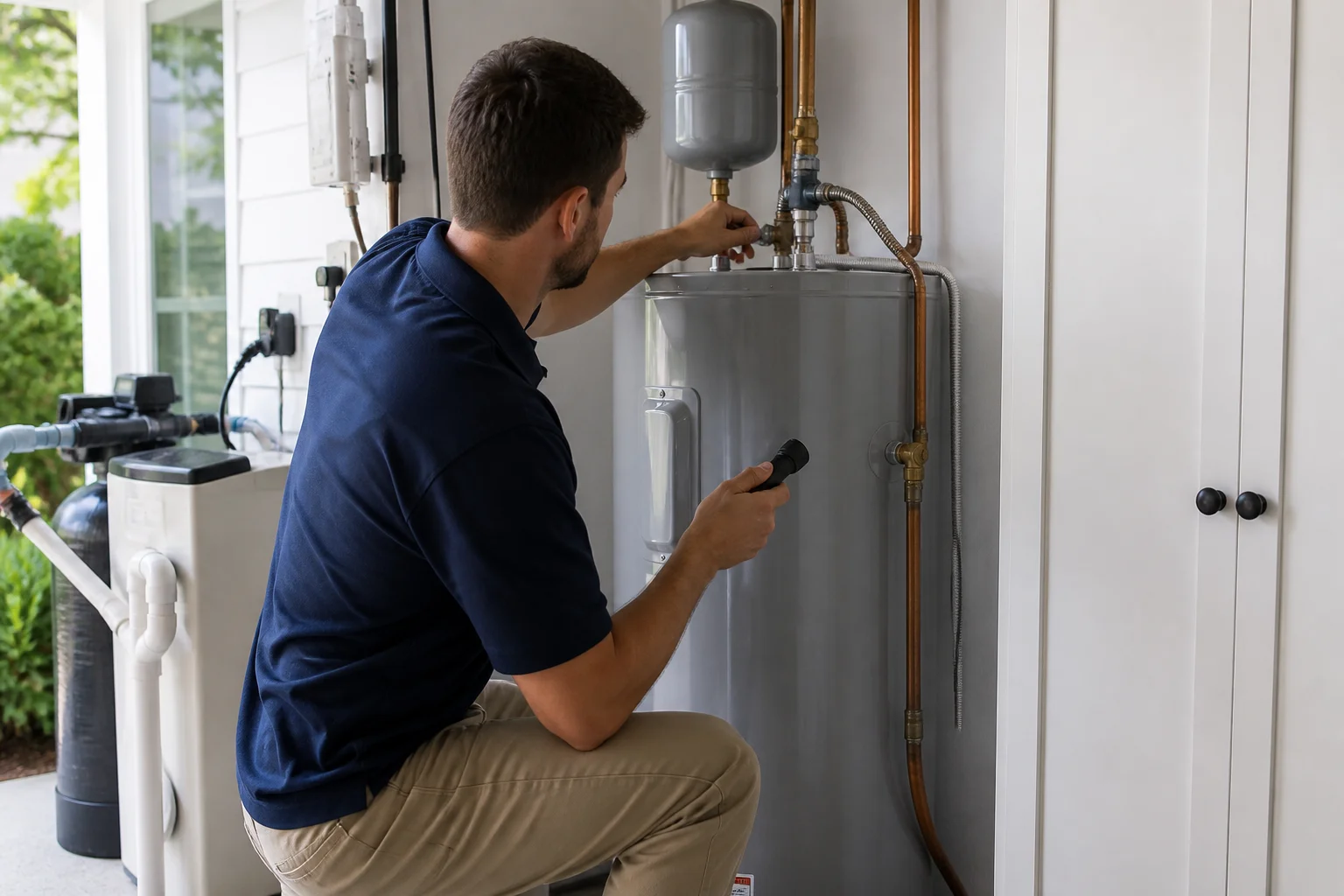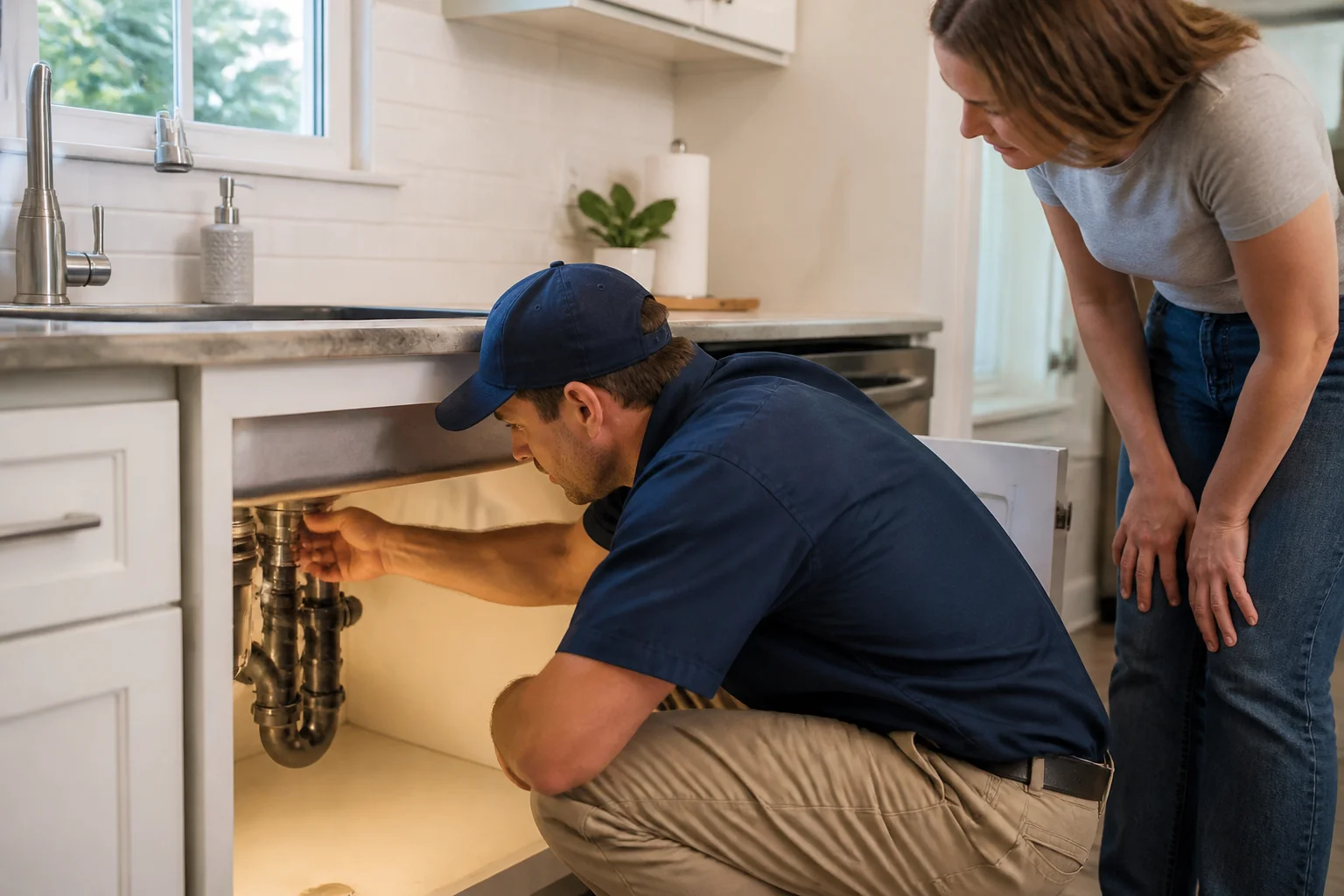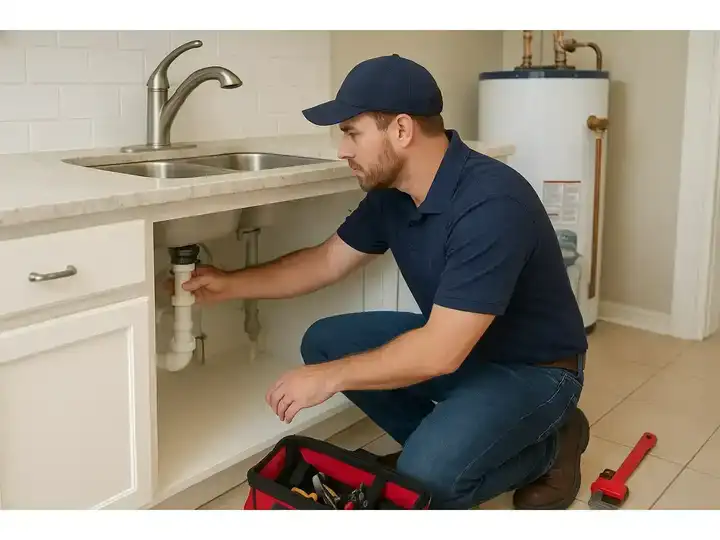
In Panama City, plumbing systems work hard. Between humid weather, sandy soil, heavy summer rain, and the wear that comes with hard water, local homes can develop water line problems faster than many homeowners expect. A small leak under the yard or slab can become a costly emergency if it goes unnoticed. That is why routine care and early repairs matter so much for water line repair in Panama City, FL.
For homeowners searching for a plumber near me, plumbing repair, drain cleaning, leak repair, or even water heater service, the same rule usually applies. The earlier a plumbing issue is found, the easier it is to fix. Water line problems can affect water pressure, fixtures, drains, toilets, faucets, and even the sewer line if soil movement or leaks create bigger system stress. A local plumber who understands Panama City homes can often spot trouble before it turns into an emergency plumbing call.
Why Panama City homes face water line problems
Panama City and the rest of Bay County have a mix of older homes, newer construction, coastal properties, and homes that have been renovated over time. That variety matters because plumbing systems age differently depending on the materials used, the soil conditions around the home, and how much strain the system sees each day. Hard water is one of the biggest issues for many local homeowners. Mineral buildup can narrow pipes, reduce water flow, and put extra pressure on fixtures and appliances.
Coastal weather also plays a role. High humidity, frequent rainfall, and shifting ground can all affect buried pipes. In some neighborhoods, slab foundations make it harder to notice a leak until water damage shows up indoors. That is why local plumbing service matters. A plumber who knows Panama City and the wider Bay County area understands the common causes of hidden water line damage and can recommend the right repair approach.
How hard water leads to bigger plumbing headaches
Hard water leaves mineral deposits inside pipes, faucets, showerheads, and water heaters. Over time, those deposits can reduce water pressure and make fixtures work harder than they should. Homeowners often notice a slower shower, a faucet that spits or sprays unevenly, or a water heater that does not seem to perform as well as it used to. In some cases, hard water contributes to corrosion or buildup that weakens older pipe sections.
When mineral buildup combines with aging plumbing, a small problem can spread through the system. A line that already has scale buildup may be more likely to crack under pressure changes or fail where fittings are already stressed. If a home also has a slab leak or underground leak, the symptoms can be confusing because the problem may first look like a fixture issue, a water heater issue, or even a drain problem.
Early warning signs that deserve attention
Water line trouble does not always start with a burst pipe. Many homeowners see smaller changes first. A good plumbing repair visit can help identify whether the issue is in the line, the fixture, or another part of the system.
Watch for these changes around the house
Low or uneven water pressure is one of the most common clues. If one fixture seems weak or several fixtures lose pressure at once, there may be a supply line problem. Brown or cloudy water can also point to corrosion, disturbed sediment, or pipe damage. Damp spots in the yard, unusually green patches of grass, or soft ground near the home can signal an underground leak. Inside, a musty smell, peeling flooring, or unexplained moisture near walls or baseboards may suggest a slab leak.
Higher water bills are another clue. If your usage has not changed but your bill has climbed, a hidden leak may be wasting water every day. Some homeowners also hear water running when no fixtures are in use. That sound can come from a damaged line, a toilet leak, or another plumbing issue that needs prompt attention.
Don’t ignore connected plumbing symptoms
Water line problems can show up alongside other issues. A struggling water heater may be affected by hard water sediment. A toilet that keeps refilling could be wasting water and making pressure changes more noticeable. Slow drains may not be caused by the water line itself, but they can indicate that the system is under stress or that a larger plumbing issue is developing. If multiple problems appear at once, it is smart to have a local plumber inspect the whole system rather than treating each symptom separately.
Simple maintenance that helps prevent emergency calls
Homeowners cannot control every plumbing issue, but a few practical habits can reduce the risk of a major water line repair. The goal is to catch small problems early and keep the system working efficiently.
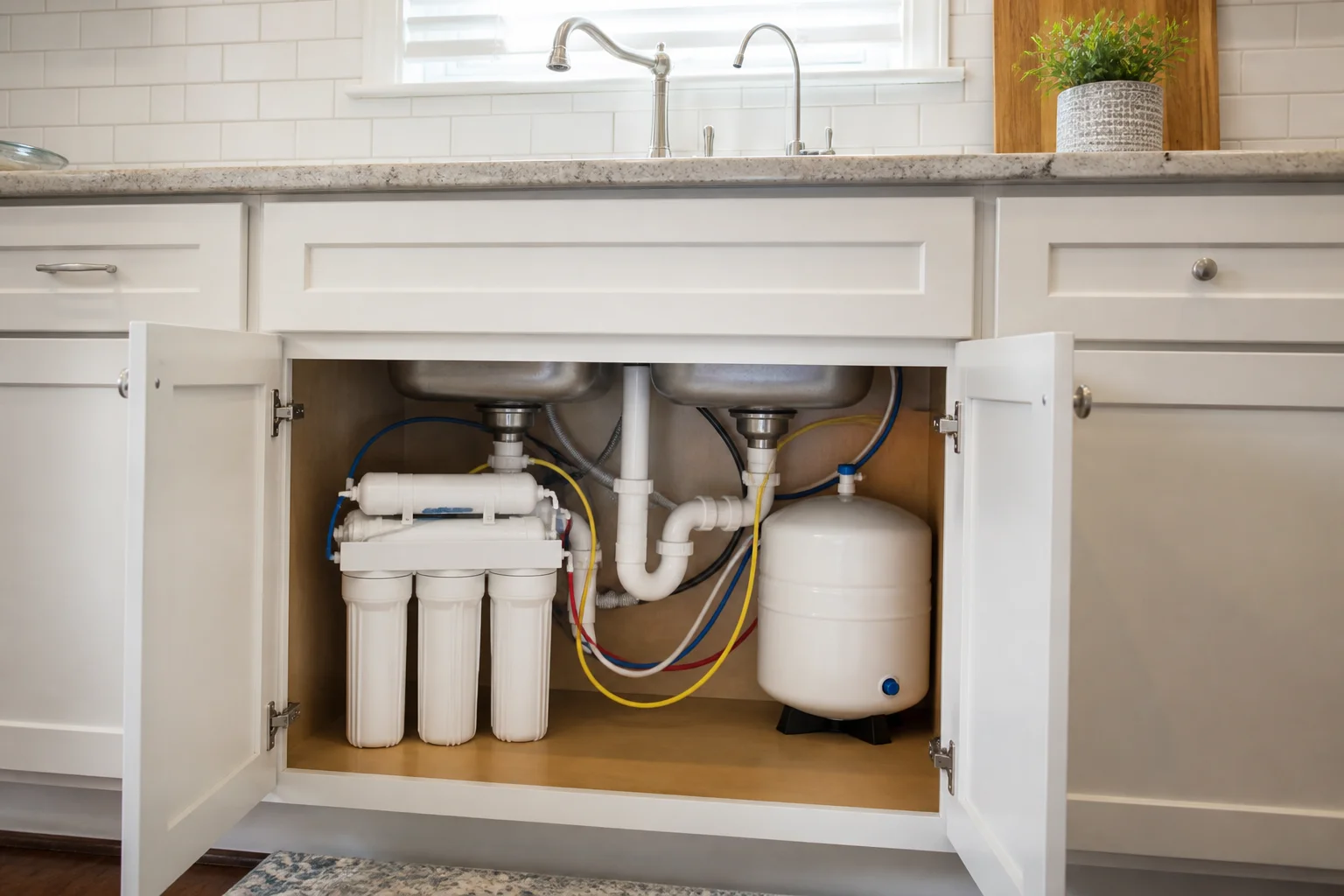
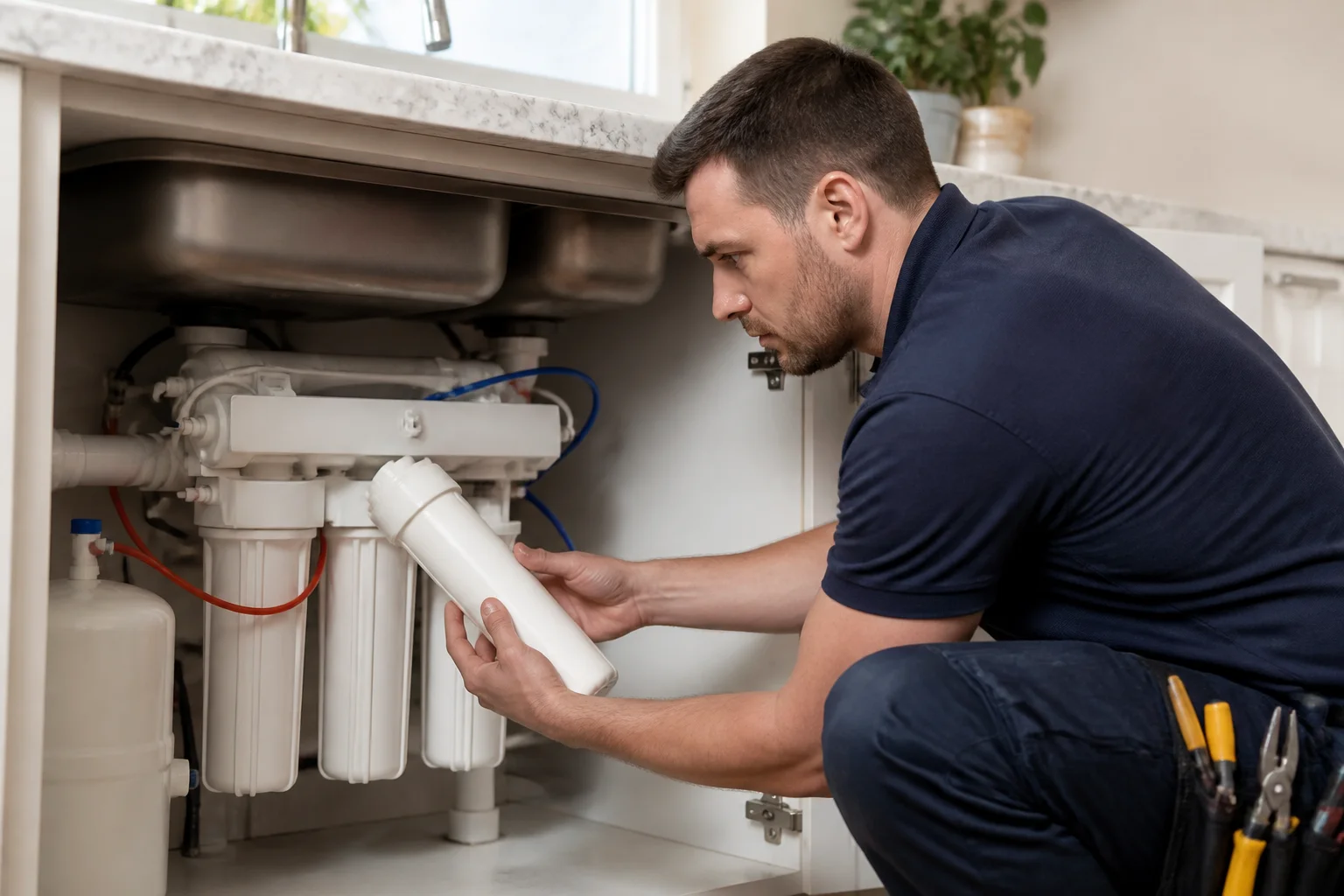
Start by watching your water bill and pressure. A sudden change is worth investigating. Check visible fixtures for scale buildup, corrosion, or dripping. If your home has hard water, routine maintenance on faucets, showerheads, and the water heater can help limit mineral buildup. In some homes, a solution like reverse osmosis systems can improve water quality at the tap, which may help reduce the amount of mineral-heavy water moving through certain fixtures.
It is also wise to keep an eye on the yard. If one area stays damp after dry weather or you notice sinkholes, settling, or unusually lush grass, the underground water line may need inspection. After heavy rain, check for new cracks or shifting near the foundation. In Panama City, where stormwater and soil movement can affect buried pipes, these checks are especially helpful.
For homes with older plumbing, scheduling regular maintenance is often the best defense. A local technician can inspect visible lines, test pressure, look for corrosion, and recommend plumbing installation updates where needed. If a section of pipe is failing repeatedly, a targeted replacement may cost less than repeated emergency repairs.
How local plumbers diagnose water line issues
Professional water line repair usually starts with finding the source of the problem. That may involve pressure testing, leak detection equipment, visual inspection, and checking how the issue affects the rest of the plumbing system. A good plumber will look at the age of the pipe, the material, the location of the leak, and whether the line can be repaired or needs partial replacement.
In some cases, the issue is isolated to one section of pipe. In others, corrosion or repeated leaks mean the line is nearing the end of its service life. Underground repairs can be more complex because they may involve digging, accessing the line under a slab, or working around landscaping and driveways. That is one reason local experience matters. A plumber familiar with Panama City neighborhoods can choose a repair method that fits the home and the property layout.
If the leak has already caused broader damage, you may also need help with related plumbing services. That can include emergency plumbing services, water heater repair, or even sewer line help if the leak or soil movement has affected nearby piping. If the project involves replacing old lines or updating fixtures, plumbing installation may be part of the solution.
Why waiting can make a small leak much worse
Many homeowners hope a small leak will stay small. Unfortunately, water line damage usually gets worse with time. A pinhole leak can erode surrounding soil, weaken support under the slab, and increase stress on nearby fittings. If the leak is underground, the water may travel before it becomes visible, which makes the damage harder to track. A hidden leak can also encourage mold growth, damage flooring, and raise utility costs month after month.
There is also the risk of sudden failure. A line that has already been weakened by corrosion, hard water buildup, or shifting ground can burst without much warning. That can turn a manageable repair into an emergency plumbing call, especially if the leak is inside the home or close to electrical, flooring, or structural materials. Homeowners who act early usually have more repair options and less cleanup.
Local plumbing help that fits Panama City homes
Panama City homeowners need more than a quick patch. They need plumbing repair that accounts for local conditions, from coastal humidity to hard water and aging pipes. A Superior Mechanical provides water line repair in Panama City, FL, with leak detection, underground pipe repair, emergency service, and replacement solutions for homes across Bay County. That local knowledge can make a difference when a leak is hidden, pressure is inconsistent, or multiple plumbing issues appear at once.
If you are already dealing with recurring leaks, weak pressure, or signs of slab damage, a professional inspection can save time and money. The same is true if your home has frequent faucet repairs, toilet issues, drain cleaning needs, or a water heater that seems to be struggling. Those symptoms may be separate, but they often point to a plumbing system that needs attention before the next failure happens.
Homeowners looking for reliable help can also keep up with broader maintenance tips in posts like Staying Ahead of Plumbing Problems in Panama City Homes, Signs You Need Plumbing Repair in Panama City, FL, and Making Smarter Plumbing Installation Choices for Everyday Home Protection in Panama City, FL. For families planning a larger repair and trying to budget carefully, Why Smart Plumbing Financing Helps Panama City Beach Homes Stay Reliable Longer offers another useful perspective.
Keeping a Panama City home protected often comes down to noticing the small things early. A change in water pressure, a damp patch in the yard, a noisy water heater, or a faucet that will not stop dripping can all be early clues that the plumbing system needs professional attention. The sooner those issues are checked, the less likely they are to turn into a major water line emergency.
Find Water Line Repair in Panama City, FL
If you need Water Line Repair in Panama City, FL, visit our local service page or contact A Superior Mechanical today.
Map of Panama City, FL
Frequently Asked Questions
How does hard water affect water lines in Panama City homes?
Hard water leaves mineral deposits inside pipes and fixtures. Over time, that buildup can reduce water pressure, stress older plumbing, and make leaks more likely in worn sections of pipe.
What are the most common signs of a hidden water line leak?
Common signs include low water pressure, higher water bills, damp spots in the yard, unexplained moisture inside the home, cloudy water, and the sound of running water when nothing is on.
Can a water line leak affect my water heater or drains?
Yes. A leak can change system pressure, add stress to fixtures, and make other plumbing problems more noticeable. Hard water can also affect water heater performance and contribute to buildup in faucets and drains.
Should I call for emergency plumbing service if I suspect a water line break?
If you see rapid water loss, flooding, a sudden pressure drop, or water near the slab or foundation, it is smart to call for emergency plumbing services right away.
Related Articles
Photo Gallery