Callaway homes deal with a mix of coastal weather, seasonal humidity, and plumbing systems that work hard every day. For property managers, HOA boards, rental owners, and multi-unit operators, that combination can turn small plumbing issues into expensive downtime fast. Hard water makes the problem worse by leaving mineral buildup in pipes, fixtures, water heaters, and drains.
That is why property management plumbing services in Callaway, FL need to be proactive, not just reactive. A Superior Mechanical helps local properties stay ahead of leaks, drain clogs, pipe damage, and emergency repairs with service that fits the pace of rentals, condos, apartments, and managed homes across Bay County. If you are comparing options for a plumber in Callaway or looking for a reliable Bay County plumbing partner, it helps to understand what commonly goes wrong and how to prevent it.
Why Callaway plumbing systems face extra wear
Callaway’s warm, humid climate keeps plumbing under steady pressure. High water use, long cooling seasons, and the demands of rental turnover can all increase strain on pipes, drains, faucets, toilets, and water heaters. In many local homes, plumbing is also exposed to older materials, shifting soil, and moisture around slabs and crawlspaces.
Hard water adds another layer. Mineral content in the water can leave scale inside fixtures and pipes, reduce water flow, and shorten the life of appliances. In managed properties, that often shows up as repeated service calls for the same sink, shower, or toilet. A property manager may replace parts more often, only to find the underlying issue never really went away.
How hard water affects pipes, fixtures, and water heaters
Hard water is one of the most common reasons plumbing maintenance becomes a recurring expense. Calcium and magnesium deposits can cling to the inside of supply lines and around moving parts in faucets and valves. Over time, that buildup narrows flow and puts more stress on the plumbing system.
In fixtures, hard water can cause aerators to clog, showerheads to spray unevenly, and faucet cartridges to wear out early. Toilets may run longer or need repeated repairs because scale affects internal components. In water heaters, mineral buildup can settle at the bottom of the tank and reduce heating efficiency. That means higher utility costs, slower hot water delivery, and more wear on the unit.
For properties with multiple tenants or frequent guest stays, those issues are not just inconvenient. They can create complaints, water waste, and emergency calls that interrupt operations. When hard water is part of the picture, regular plumbing maintenance matters just as much as repair work.
Leaks that start small and spread fast
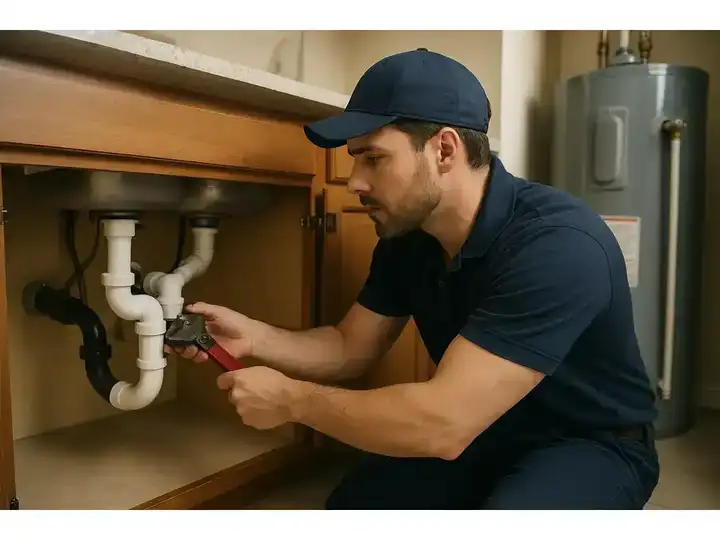
Leaks are often easy to miss at first. A slow drip under a sink, a damp cabinet floor, or a toilet that rocks slightly can seem minor. In Callaway homes, though, moisture problems can escalate quickly because heat and humidity make hidden leaks harder to spot until damage is already underway.
Common leak sources include supply lines, shutoff valves, faucet bases, toilet seals, water heater connections, and slab plumbing. A slab leak is especially serious because it can go unnoticed while water moves through concrete or under flooring. Signs may include warm spots on the floor, unexplained water bills, low pressure, or the sound of running water when fixtures are off.
Property managers should also watch for staining, mildew odors, warped flooring, and recurring drywall damage. Those are often symptoms of a leak that has already been active for longer than anyone realized. If a leak is affecting multiple units or causing visible damage, emergency plumbing service may be the fastest way to limit the repair bill.
Drain problems that keep coming back
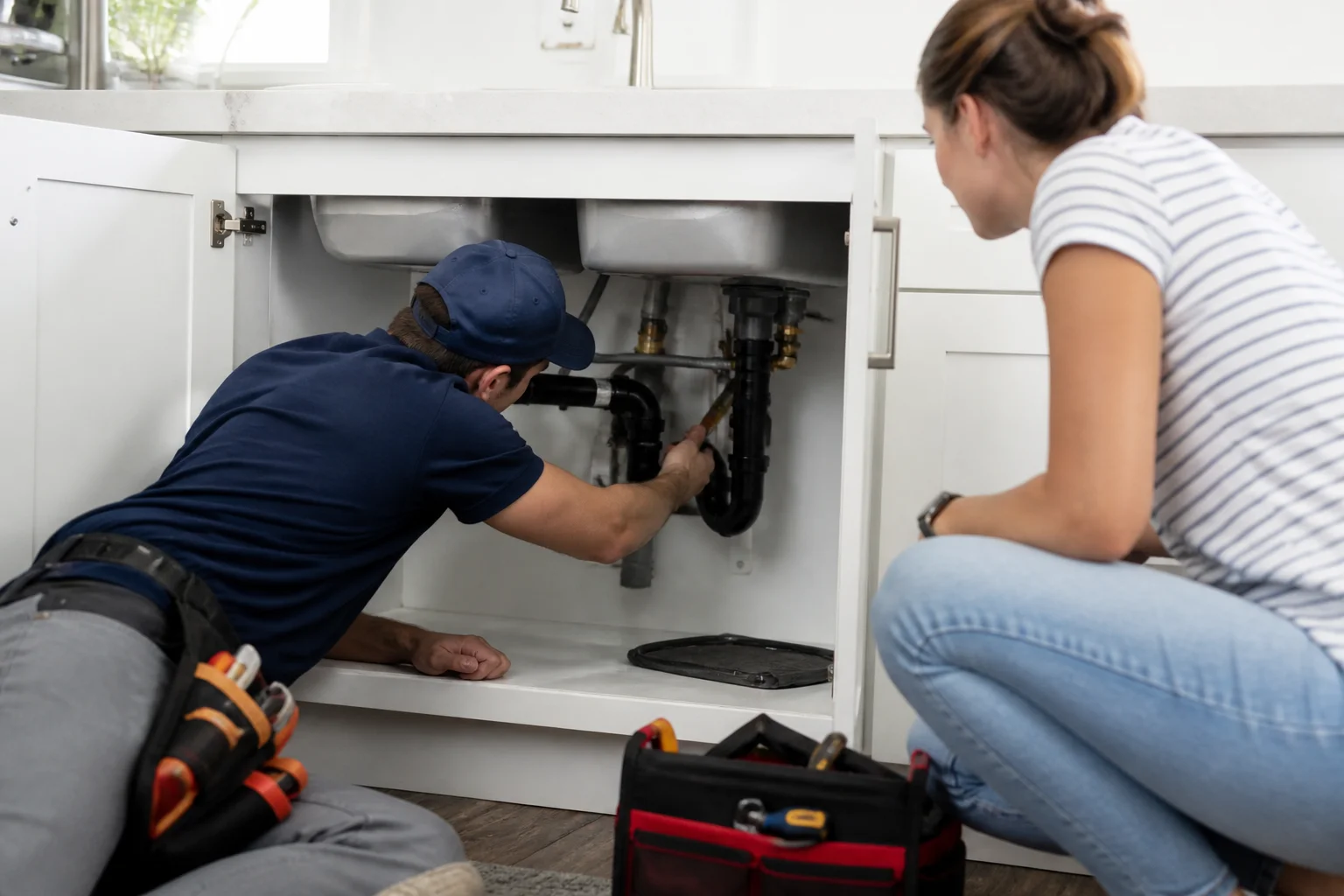
Drain clogs are one of the most frequent calls for local plumbing help, especially in homes with heavy use. Kitchen sinks collect grease and food residue. Bathroom drains collect hair, soap scum, and mineral deposits. Laundry lines and floor drains can also slow down when buildup starts to narrow the pipe.
In properties with hard water, drain problems can become more stubborn because scale helps debris stick to the pipe walls. That is why one quick snaking job may clear the line temporarily, but the same drain clogs again a few weeks later. In those cases, a deeper look at the line often saves time and money.
For recurring drain issues, sewer camera inspection can help identify whether the problem is buildup, root intrusion, a damaged pipe, or a low spot in the line. That kind of information is especially useful for property managers who need a clear plan instead of repeated guesswork.
For more on keeping lines clear, see How Better Sewer and Drain Service Helps Callaway Homes Stay Ahead of Plumbing Problems.
Pipe issues hidden behind walls and under slabs
Pipes in older Callaway homes may be more vulnerable to corrosion, shifting, or joint failure. Even newer properties can develop problems if water pressure is too high or if scale buildup makes the system work harder than it should. Once a pipe starts weakening, the signs may be subtle at first: low pressure, noisy pipes, discolored water, or a small leak that appears only when a fixture is in use.
Slab leaks deserve special attention in this area because many homes are built on concrete foundations. A leak under the slab can lead to floor damage, mold growth, and structural concerns if it is not addressed quickly. In some cases, the pipe itself may be too compromised for a simple repair, and pipe replacement in Callaway becomes the more practical long-term solution.
For property managers, the key is documenting repeat problems and responding early. A pipe that has already corroded once is often part of a larger system issue, not just a one-off repair.
Water pressure that is too high or too low
Water pressure problems can show up in many ways. Too little pressure makes showers and sinks frustrating to use. Too much pressure puts stress on hoses, valves, appliance connections, and older pipes. In managed properties, pressure swings often lead to repeated fixture failures or leaks that seem to come out of nowhere.
Hard water can contribute to low pressure by narrowing the inside of lines and clogging faucet screens and showerheads. High pressure can make those same parts fail faster. A plumbing professional can check whether the issue is localized to one fixture or part of a larger system problem.
Pressure concerns matter because they affect daily comfort and long-term plumbing health. A property that keeps losing faucets, toilet parts, or supply lines may need both repair work and a pressure check to stop the cycle.
Water heater problems in rental and multi-unit properties
Water heaters work harder in homes with frequent occupancy changes, large households, or multiple units. In Callaway, hard water can shorten the life of a tank by leaving sediment behind. That sediment forces the heater to use more energy and can create popping noises, slow recovery times, or inconsistent hot water.
Property managers often hear about water heater issues only after tenants lose hot water or notice leaks around the base of the tank. Regular flushing, inspection of valves and connections, and prompt repair of small problems can help extend the life of the unit. If a heater is already leaking or failing to recover properly, service should happen quickly to avoid water damage and tenant complaints.
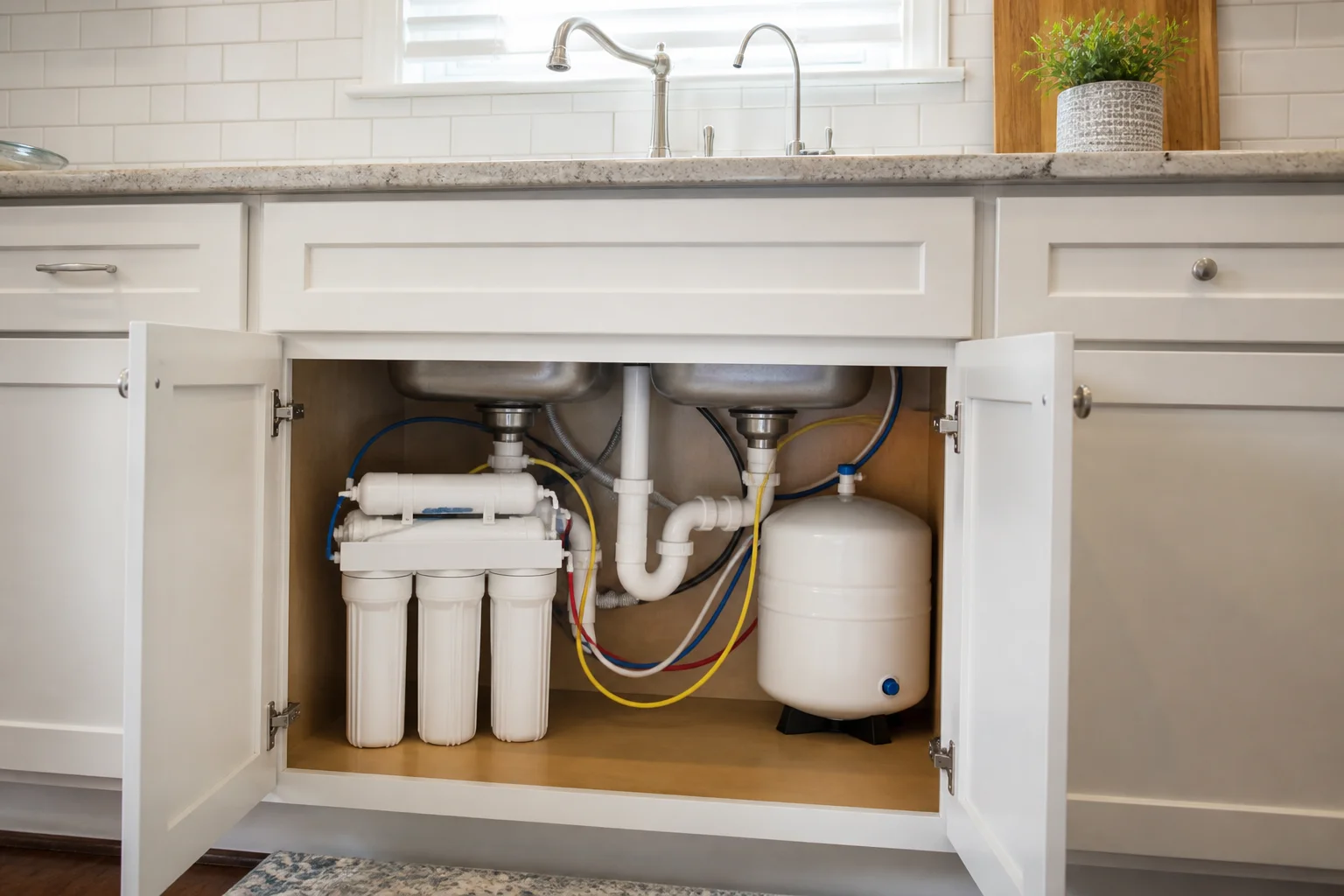
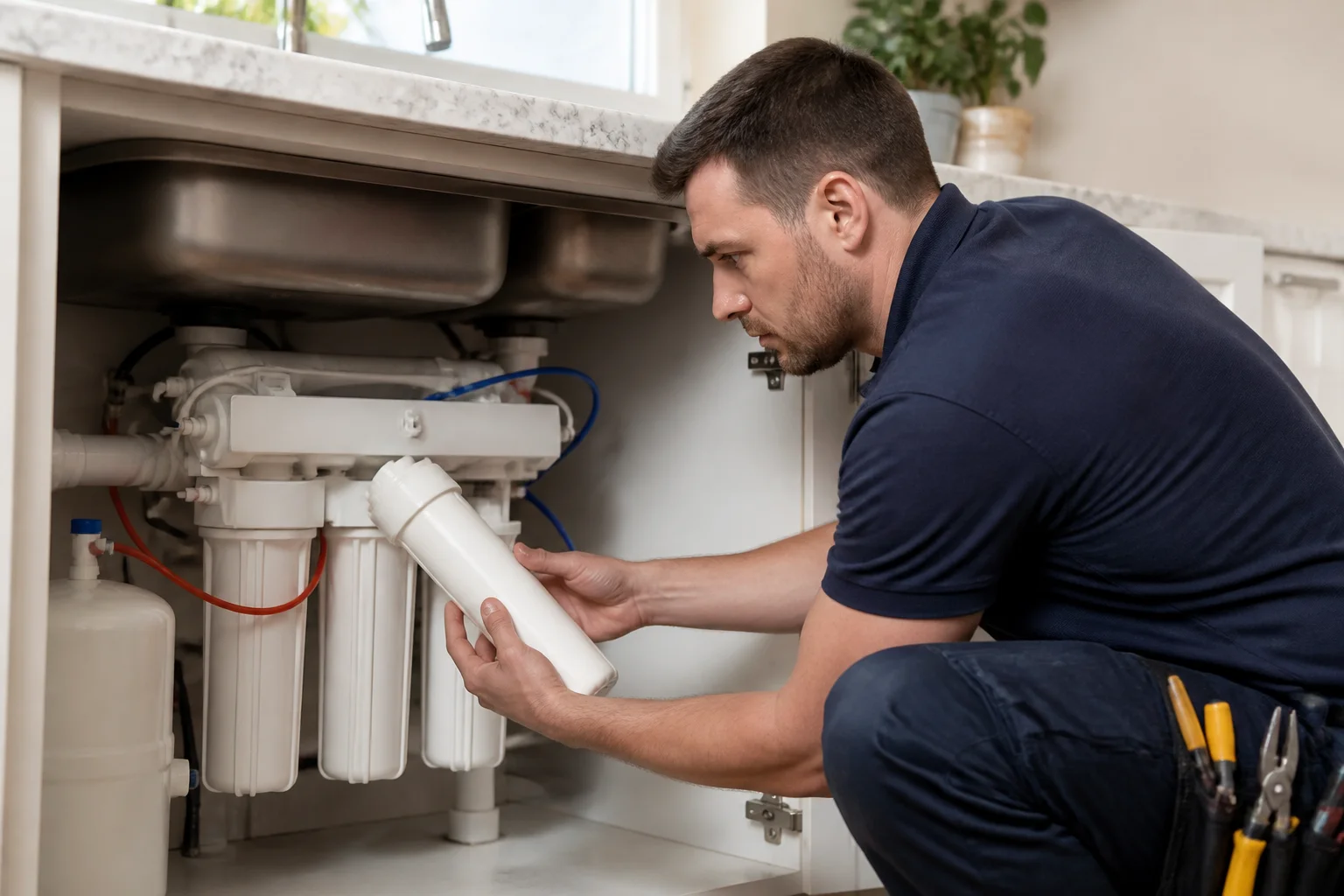
For properties with repeat hot water complaints, it may also be worth reviewing water quality and considering filtration options. In some cases, reverse osmosis systems in Callaway can help improve water quality at specific points of use, which may reduce scale-related nuisance issues in kitchens or break areas.
Toilets, faucets, and the fixtures tenants notice first
Small fixture problems often become the most visible plumbing complaints. A running toilet, loose handle, dripping faucet, or slow sink drain may not seem urgent, but in a rental or HOA setting those issues affect satisfaction and water use right away. Hard water can make them worse by wearing out seals, valves, and cartridges faster than normal.
Toilet repair is especially important because a constantly running toilet can waste a surprising amount of water. Faucet repair matters too, not just for convenience but for preventing cabinet damage and mold around sinks. The earlier these problems are fixed, the less likely they are to trigger a bigger repair later.
For property managers, a good maintenance plan includes routine checks of fixtures in vacant units, common areas, and high-use bathrooms. That helps catch small failures before move-in day, inspection time, or peak occupancy.
Emergency plumbing concerns that should not wait
Some plumbing problems are too urgent for a standard service window. Burst pipes, active slab leaks, sewage backups, major drain blockages, and water heater leaks can all create immediate property damage. In Callaway, where humidity can speed up mold growth, a delay can make cleanup much more expensive.
If a property has sudden loss of water, visible ceiling stains, sewage odors, or water pooling around fixtures, it is time to call for emergency plumbing services. Fast response matters most when several units are affected or when the problem could spread into walls, floors, or shared spaces.
Property management teams that already have a trusted local plumber can move faster because they do not have to start from scratch during a crisis. That is one reason local service matters so much in Bay County.
Prevention that saves time, money, and repeat visits
Good plumbing maintenance is usually less expensive than repeated repair calls. For Callaway properties, the most useful prevention steps often start with routine inspections, drain cleaning, fixture checks, and water heater maintenance. It also helps to watch for early signs of mineral buildup, pressure issues, and recurring leaks in the same location.
Property managers can reduce problems by scheduling service before turnover, after heavy seasonal use, and whenever a unit shows repeated complaints. That can include checking shutoff valves, testing toilets, cleaning aerators, inspecting supply lines, and reviewing drain performance in kitchens, baths, and laundry areas.
If a property has older plumbing or repeated failures, a broader plan may be needed. That could involve replacement of worn sections, camera inspection of sewer lines, or a more complete repair strategy. For a deeper look at that approach, see A Smarter Way to Handle Plumbing Replacement in Callaway, FL and How Small Plumbing Problems Grow in Callaway Property Management.
Why local plumbing service matters in Callaway
Local plumbing service is valuable because it takes Callaway conditions into account. A plumber who works in Bay County understands how hard water, humidity, coastal weather, and local housing types affect plumbing systems. That local knowledge helps with faster diagnosis, better recommendations, and more practical maintenance planning.
It also matters for scheduling. Property managers need a plumbing partner who can respond quickly, communicate clearly, and work around occupied units, guest stays, and tenant needs. Whether the issue is a clogged drain, a leaking water heater, a toilet repair, or a sewer line concern, responsive service keeps the property running and reduces disruption.
For planned upgrades or system changes, it helps to work with a team that understands the full scope of the property. If you are mapping out future work, Planning Plumbing Installation the Right Way in Callaway, FL offers a helpful starting point.
A practical maintenance approach for managed properties
Property management plumbing works best when problems are tracked, not just fixed. Keep notes on repeat leaks, the units with the most drain issues, the fixtures that fail most often, and any signs of pressure or water quality problems. That record can reveal patterns that point to a larger plumbing issue.
In many Callaway homes, the biggest savings come from catching hard water damage early, responding quickly to leaks, and staying ahead of drain and sewer trouble. With the right maintenance plan, property managers can protect tenants, reduce emergency calls, and extend the life of the plumbing system.
A Superior Mechanical provides responsive property management plumbing services in Callaway, FL for rentals, HOAs, condos, apartments, and multi-unit properties across Bay County. When plumbing issues start showing up more often, local service makes it easier to stay ahead of the damage and keep the property in good shape.
Find Property Management Plumbing Services in Callaway, FL
If you need Property Management Plumbing Services in Callaway, FL, visit our local service page or contact A Superior Mechanical today.
Map of Callaway, FL
Frequently Asked Questions
How does hard water affect plumbing in Callaway homes?
Hard water leaves mineral buildup inside pipes, faucets, showerheads, and water heaters. Over time, that can reduce water flow, wear out parts faster, and make drain and fixture problems more common.
What plumbing issues should property managers watch for first?
Recurring leaks, slow drains, running toilets, low water pressure, water heater complaints, and stains around ceilings or cabinets are all worth checking quickly. Those problems often point to larger issues if they keep coming back.
When is sewer camera inspection useful?
A sewer camera inspection is helpful when drains keep backing up, the same line clogs repeatedly, or there is concern about damaged pipes, roots, or a hidden blockage. It gives a clearer picture of what is happening underground.
Can hard water shorten the life of a water heater?
Yes. Sediment buildup from hard water can make a water heater less efficient and increase wear on the tank and components. Regular maintenance can help reduce that damage.
Related Articles
Photo Gallery