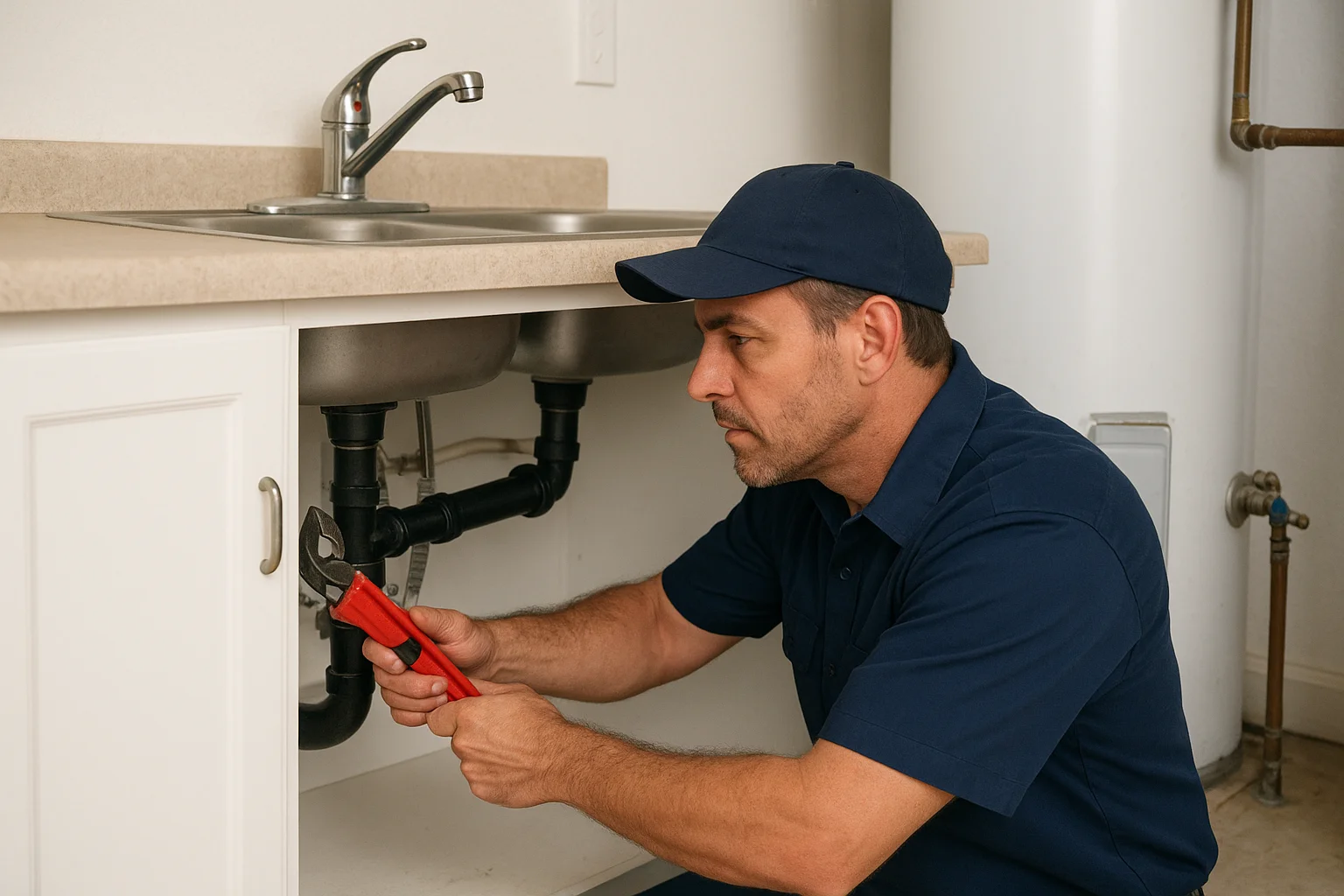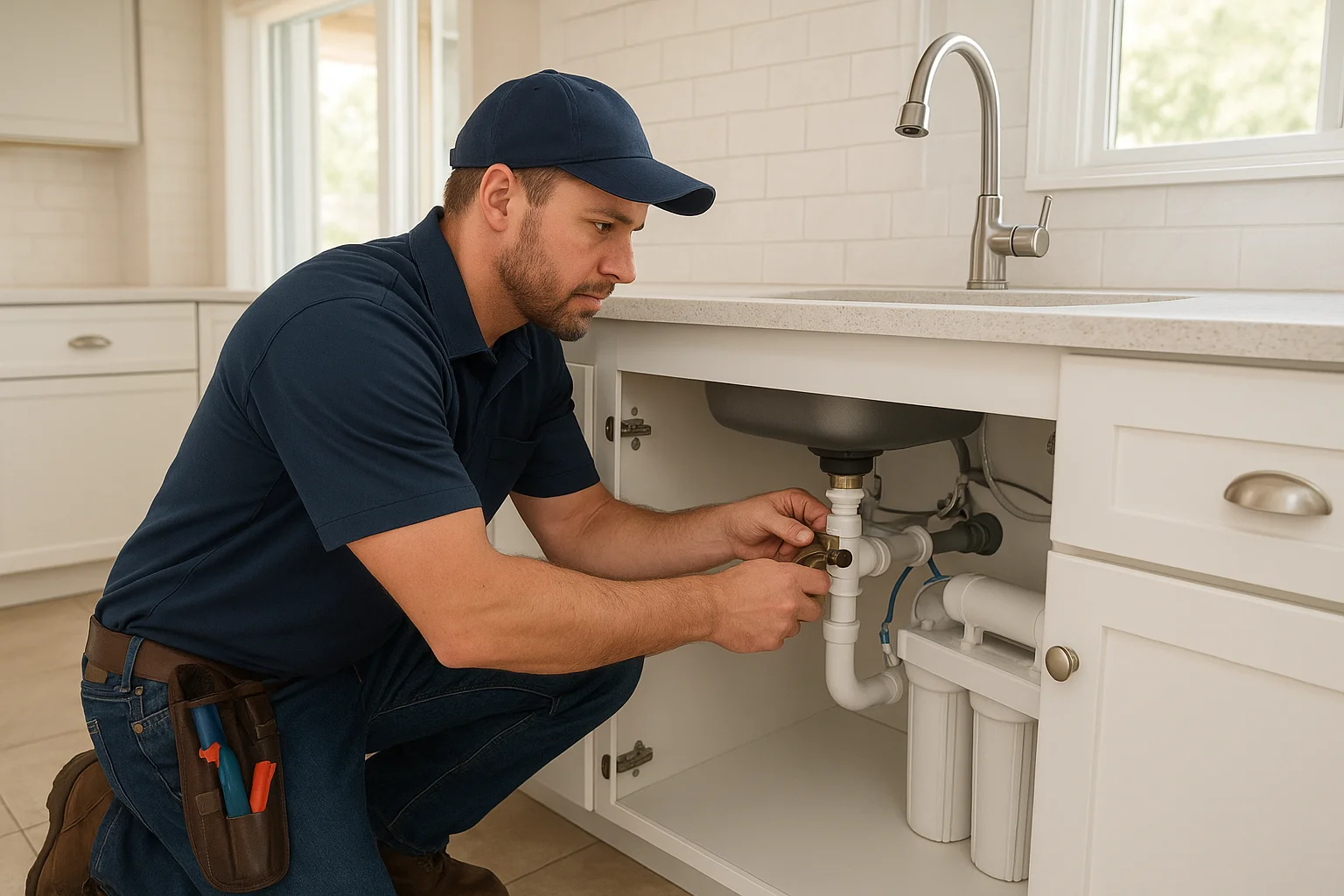
In Rosemary Beach, a water heater does not work alone. It depends on the condition of the home’s pipes, valves, drains, fixtures, and water pressure every time someone showers, runs a sink, or fills a tub. When those parts start to wear down, the water heater often shows the strain first. That is why water heater maintenance in Rosemary Beach, FL is about more than flushing a tank. It is part of a larger plumbing checkup that helps protect the whole system.
Homes in Rosemary Beach face a unique mix of coastal humidity, salt air exposure, seasonal occupancy, and heavy weekend or rental use. Those conditions can speed up corrosion, encourage leaks, and put extra stress on plumbing connections. Whether you own a full-time residence, a vacation home, or a rental property, keeping the plumbing in good shape helps the water heater run more reliably and can reduce the chance of an emergency call.
Why plumbing wear and tear matters to water heaters
Most homeowners think of water heater maintenance as a task for the appliance itself, but the surrounding plumbing plays a major role. Sediment from hard water can settle in the tank, but scale can also build inside pipes, fixtures, and shutoff valves. A partially clogged supply line can make the heater work harder. A worn pressure relief valve or a slow leak at a fitting can become a bigger problem once the system is under regular demand.
In Rosemary Beach and the wider Walton County area, coastal conditions can make these issues show up sooner. Humid air can speed rust on exposed fittings. Sand and mineral buildup can affect drains and fixtures. Older or lightly maintained plumbing may also hide small leaks behind walls or under slabs, which can change water pressure and reduce heater performance without being obvious right away.
Local plumbing conditions that affect maintenance needs
Rosemary Beach homes often see a mix of plumbing materials and ages, especially in properties that have been renovated or used seasonally. In some homes, water heaters are connected to older shutoff valves, flexible supply lines, or fixtures that have seen years of use. In newer homes, high-demand systems may still experience wear if the household has multiple bathrooms, outdoor showers, or frequent guest turnover.
Water use patterns matter. A home that sits empty for part of the year can develop stagnant water, dried seals, or hidden leaks that go unnoticed until the property is occupied again. A rental property may have frequent showers, laundry, and dishwashing that push the heater hard for long stretches. In both cases, maintenance should account for the rest of the plumbing system, not just the tank or tankless unit.
Hard water, scale, and sediment
Hard water is one of the most common reasons water heaters lose efficiency. Mineral buildup settles in the tank, coats heating surfaces, and can create popping or rumbling sounds. In tankless systems, scale can narrow the heat exchanger and reduce flow. The same minerals can collect in faucet aerators, showerheads, and toilet fill valves, which is a clue that the plumbing system needs attention.
That is why maintenance often includes flushing the tank, descaling tankless equipment, and checking nearby fixtures for signs of buildup. If a homeowner keeps calling for faucet repair, low hot water flow, or inconsistent temperatures, the water heater may be part of a larger mineral problem.
Water pressure and hidden leaks
Water pressure that is too high can stress pipes, valves, and water heater connections. Over time, that pressure can contribute to leaks at joints, corrosion at fittings, and extra wear on the heater itself. Pressure that is too low can also cause problems, especially if sediment or a partially blocked line is restricting flow.
Hidden leaks are another concern in coastal homes. A small slab leak or a slow leak inside a wall can change the way hot water moves through the system. Homeowners may notice longer wait times for hot water, unexplained moisture, or a water bill that keeps creeping up. If those symptoms appear, it may be time to look beyond the heater and request plumbing repair or a camera inspection to check for trouble in the pipes or sewer line.
How wear and tear shows up around the water heater
Water heater problems often start small. A homeowner may hear a new noise, notice lukewarm water, or see rust around a fitting. Those changes can point to sediment, a worn valve, corrosion on nearby plumbing, or a venting or drain issue that needs attention. In a home with steady use, especially during peak vacation season, these early warning signs matter.
Some of the most common wear-related issues include:
Rust or corrosion on supply lines, shutoff valves, or the tank base
Water pooling near the heater or dripping from a fitting
Temperature swings that suggest a failing thermostat or mineral buildup
Reduced hot water volume after other plumbing fixtures are used
Noisy operation caused by sediment or restricted flow
Slow drains nearby that can signal a broader plumbing issue
Any of these problems can affect the heater’s performance and shorten its lifespan if they are left alone.
Maintenance that protects both the heater and the plumbing system
Good water heater maintenance is practical, not complicated. The goal is to keep the unit clean, safe, and connected to healthy plumbing. For many Rosemary Beach homes, that means checking the tank or tankless unit, flushing out sediment, testing safety components, and inspecting the surrounding pipes and fixtures for wear.
A thorough service visit may include looking at supply lines, drain valves, pressure relief valves, shutoff valves, and signs of corrosion. If the home has a tankless system, descaling is often part of the process. If the system is tank style, flushing helps remove sediment that can reduce efficiency and create noise. If the heater is connected to older plumbing, a plumber may also recommend repair or replacement of worn parts before they fail.
For homeowners who want a dedicated service option, water heater maintenance in Rosemary Beach, FL can help keep the system running smoothly through high-use months and quieter off-season periods.
When plumbing repair should be part of the visit
Sometimes the water heater is only one part of the issue. A leaking toilet can waste water and add pressure fluctuations. A dripping faucet can hint at mineral buildup or aging fixtures. A slow drain can create backflow concerns in nearby plumbing. If the water heater is installed near pipes that have visible rust, sweating, or old insulation, those lines may need attention too.
That is why homeowners often look for a plumber near me who can handle more than one issue in the same visit. If the service call reveals worn pipes, valve problems, or fixture leaks, it may be smart to address them before they become emergency plumbing concerns. Related services such as toilet repair and replacement or water heater installation may also come into play if the system is aging out.
Why local homes benefit from routine plumbing maintenance
Rosemary Beach is known for beautiful homes, but coastal charm also comes with practical plumbing challenges. Salt air can be hard on exposed metal parts. Humidity can make corrosion harder to spot. Seasonal occupancy can let small issues grow between visits. Local plumbing maintenance helps catch those problems before they affect daily comfort or cause damage to floors, walls, and cabinets.
Routine maintenance is also useful for property managers and owners of rental homes who need dependable hot water for guests. A water heater that fails during a busy weekend can quickly turn into a larger plumbing repair issue, especially if the property also has drain problems, leak repair needs, or sewer line concerns. If you manage multiple properties in the area, services like commercial plumbing services may be helpful for keeping systems consistent across units or buildings.
For homeowners comparing options, it helps to work with a local plumber who understands the homes, water conditions, and plumbing layouts common in the area. A local team can spot patterns faster, recommend practical maintenance intervals, and respond quickly if a problem turns into an urgent leak or no hot water situation.
How to reduce wear before it becomes a bigger problem
There are a few simple habits that can help reduce stress on the water heater and the rest of the plumbing system. Keep an eye on water pressure. Watch for staining, rust, or moisture around the heater. Pay attention to slow drains, unusual sounds, or changes in water temperature. If the home has hard water, ask about flushing or descaling on a regular schedule. If the property is vacant for long periods, have the plumbing checked before and after the season.
It also helps to schedule maintenance early rather than waiting for a breakdown. The article Why Earlier Plumbing Maintenance Saves Rosemary Beach Homes from Costly Emergency Calls explains how small service visits can help prevent larger repairs later. For property managers, tips for avoiding emergency property management plumbing services in Rosemary Beach, FL can be especially useful when planning around guest turnover and seasonal demand.
When to bring in a professional plumber
Some maintenance tasks are easy to overlook until the heater starts losing performance. If you notice rusty water, fluctuating temperatures, low hot water pressure, moisture near the unit, or repeated plumbing issues in nearby fixtures, it is time to bring in a professional. The same is true if you suspect a slab leak, sewer line problem, or pipe corrosion that could be affecting the heater indirectly.
Professional plumbing service is especially important when the heater is older, the home has had recurring leaks, or the system needs more than a quick flush. A trained plumber can inspect the tank or tankless unit, check connected plumbing, look for hidden damage, and recommend repair or replacement if needed. For homeowners who want a clear idea of the process, What to Expect From Plumbing Repair in Rosemary Beach, FL offers a helpful look at how service visits typically work.
If you are searching for local plumbers near you in Rosemary Beach or nearby Walton County communities, choosing a company that understands coastal plumbing conditions can make a real difference. A Superior Mechanical provides plumbing maintenance that focuses on the full system, not just the appliance, so small wear issues do not turn into larger water heater failures.
For homeowners who want to keep hot water reliable and protect their plumbing investment, staying ahead of wear and tear is one of the most practical steps you can take. A clean heater, healthy pipes, and well-maintained fixtures all work together, and in a coastal home, that coordination matters.
Find Water Heater Maintenance in Rosemary Beach, FL
If you need Water Heater Maintenance in Rosemary Beach, FL, visit our local service page or contact A Superior Mechanical today.
Map of Rosemary Beach, FL
Frequently Asked Questions
How does plumbing wear and tear affect water heater maintenance in Rosemary Beach?
Wear in pipes, valves, fixtures, and supply lines can reduce water flow, increase corrosion, and put extra stress on the water heater. In Rosemary Beach, humidity, hard water, and coastal conditions can make maintenance more important.
How often should homeowners schedule water heater maintenance?
Most homes benefit from annual maintenance, but homes with hard water, high use, or tankless systems may need service more often. A local plumber can recommend a schedule based on the property and water quality.
Can a slab leak or pipe leak affect hot water performance?
Yes. Hidden leaks can change water pressure, waste hot water, and create strain on the system. If you notice moisture, pressure changes, or higher water bills, a plumbing inspection is a good idea.
Related Articles
- What to Expect From Plumbing Repair in Rosemary Beach, FL
- Tips for Avoiding Emergency Property Management Plumbing Services in Rosemary Beach, FL
- Practical Advice for Camera Inspections That Protect Rosemary Beach Plumbing Long Term
- Why Earlier Plumbing Maintenance Saves Rosemary Beach Homes from Costly Emergency Calls
Photo Gallery