In Callaway, Florida, water quality is only part of the story. Even a well chosen water purification system can struggle if the plumbing around it is worn, leaking, or clogged with buildup. Homes in Bay County deal with heat, humidity, salt air, hard water, and the kind of everyday plumbing stress that adds up over time. That is why water purification and plumbing maintenance should work together, not as separate projects.
For homeowners looking for cleaner water, better tasting water, and fewer surprise repairs, the condition of pipes, fixtures, drains, and water heaters matters just as much as the purifier itself. A Superior Mechanical helps local homeowners in Callaway with water purification in Callaway, FL, along with the plumbing repairs and maintenance that keep those systems working the way they should.
Why plumbing wear changes how water purification performs
Water purification systems are designed to improve water before it reaches your taps, showerheads, and appliances. But if your plumbing is already compromised, the system may have to work harder than it should. Old galvanized pipe, mineral scale, small leaks, or pressure problems can all reduce performance and make water quality less consistent from room to room.
In many Callaway homes, especially older properties or homes that have seen several repairs over the years, the plumbing layout itself can affect water quality. Sediment in pipes can discolor water. Corrosion can add metallic taste. Leaks can pull in contaminants through cracks or loose joints when pressure changes. If the water purifier is connected to a system with hidden damage, the results may be uneven, and the homeowner may still notice odor, staining, or low flow.
That is one reason local service matters. A plumber who understands Bay County homes can look at the whole system, not just the treatment unit. If you need help beyond purification, it may make sense to pair service with plumbing replacement or targeted repairs to aging lines and fixtures.
Callaway homes face a mix of water and weather stress
Callaway’s warm, humid climate puts steady pressure on plumbing systems. Heat can speed up wear on seals and fittings. Humidity can make small leaks harder to spot until cabinets swell, drywall stains appear, or mold becomes visible. Coastal conditions can also contribute to corrosion on exposed parts and outdoor plumbing connections.
Many homes in the area use water heavily for showers, laundry, dishwashing, lawn care, and cooking. That daily demand can expose weak spots in pipes, faucets, toilets, and water heaters. If the water pressure changes often, or if it feels weaker than it used to, there may be buildup, a partial blockage, or a leak somewhere in the line. Those issues can affect how well a purification system distributes treated water through the house.
For homeowners comparing service providers, it helps to choose a local team that knows the area. The city page for Callaway, FL plumbing service is a good place to start when you want help from a nearby crew that understands local homes and local water conditions.
What plumbing wear and tear can do to purified water
Even after water has been filtered or treated, it still has to travel through your plumbing before you use it. That means worn plumbing can change the final result in several ways.
Corrosion can affect taste and appearance
Older pipes and fittings can corrode over time, especially when water chemistry, age, and moisture all work against them. Corrosion may create a metallic taste, orange or brown staining, or cloudy water. A purifier can help reduce certain contaminants, but it cannot fully fix a pipe that is breaking down from the inside.
Leaks can let in outside contaminants
A hidden leak is more than a water waste issue. If a line loses pressure, damaged joints or cracks can allow dirty water or debris to enter the system when the pressure shifts. That can undermine water purification and create recurring water quality complaints. Slab leaks are especially important in Florida homes because they can stay hidden for a long time while causing damage below floors and behind walls.
Mineral buildup can reduce flow
Hard water and mineral scale can collect inside pipes, faucet aerators, showerheads, and water heater components. As buildup narrows the passageway, water flow drops and appliances have to work harder. A water purification system may still be doing its job, but slow flow can make homeowners think the system is failing when the real issue is buildup in the plumbing.
Pressure swings can strain the whole system
Water pressure that is too high can stress fixtures, supply lines, and purifier connections. Pressure that is too low can make it harder for treated water to reach every tap consistently. If you notice a shower that suddenly loses pressure or a faucet that sputters, the problem may be tied to plumbing wear, a clog, or a failing valve rather than the purifier itself.
Warning signs that plumbing problems are affecting water quality
Homeowners often notice the symptoms before they find the source. If your water purification system is in place but the water still seems off, pay attention to changes like these:
Water that tastes metallic, musty, or earthy even after treatment
Stains on sinks, tubs, or toilets
Low water pressure in one part of the house
Cloudy water or visible sediment
Rattling pipes or banging when fixtures turn on
Frequent faucet drips or toilet leaks
Water heater rumbling, popping, or producing discolored hot water
Damp spots on floors, ceilings, or walls
Slow drains or recurring backups
These issues do not always mean the purifier is the problem. In many cases, they point to plumbing repair needs, drain cleaning, or a water heater service call. If the issue is broader than one fixture, local help from a plumber near me search can be a good first step, but it is even better when the plumber understands purification, pipe condition, and water flow together.
How local maintenance helps prevent plumbing emergencies
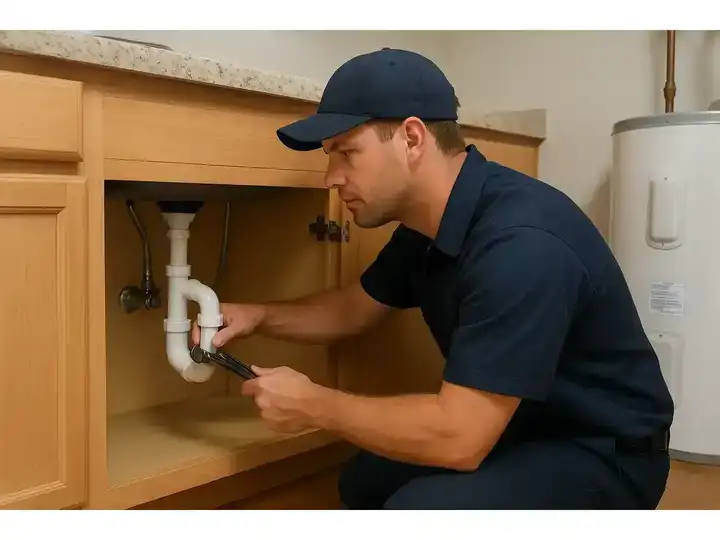
Small plumbing issues have a way of becoming expensive fast in Callaway homes. A tiny leak under a sink can damage cabinets and attract mold. A slow drain can turn into a backup. A worn toilet seal can waste water and damage the floor. When those issues are ignored, they can also interfere with the water purification system by changing pressure, allowing contamination, or stressing connections.
Routine maintenance helps catch problems early. That can include checking visible supply lines, testing water pressure, inspecting shutoff valves, flushing sediment from a water heater, and looking for signs of corrosion around fixtures. It also includes drain care. If sinks, tubs, or showers are draining slowly, sewer and drain services can keep buildup from turning into a full blockage.
For homes with repeated backups or sewer odor, sewer repair and maintenance may be needed to protect the plumbing system as a whole. That matters because water purification works best when the rest of the plumbing is clean, stable, and free of hidden failures.
Where water purification fits into a broader plumbing plan
Water purification is often installed to improve drinking water, protect appliances, and reduce sediment or unwanted tastes. In Callaway, many homeowners also want a system that helps with hard water, scale, and the wear those minerals can cause over time. But purification should be part of a bigger plumbing plan, especially in homes that already have aging lines or frequent service calls.
If your home has recurring leaks, old fixtures, or uneven pressure, a water treatment system alone may not solve the issue. It may be smarter to combine purification with plumbing repair, drain cleaning, or selective replacement. That approach can help protect faucets, toilets, shower valves, dishwashers, and water heaters from unnecessary wear.
Homeowners who want a closer look at how plumbing problems spread through a property may also find value in How Small Plumbing Problems Grow in Callaway Property Management. Even if you are not managing multiple homes, the lesson applies: small plumbing issues are easier and cheaper to fix before they affect the rest of the system.
Water heaters, fixtures, and the hidden cost of buildup
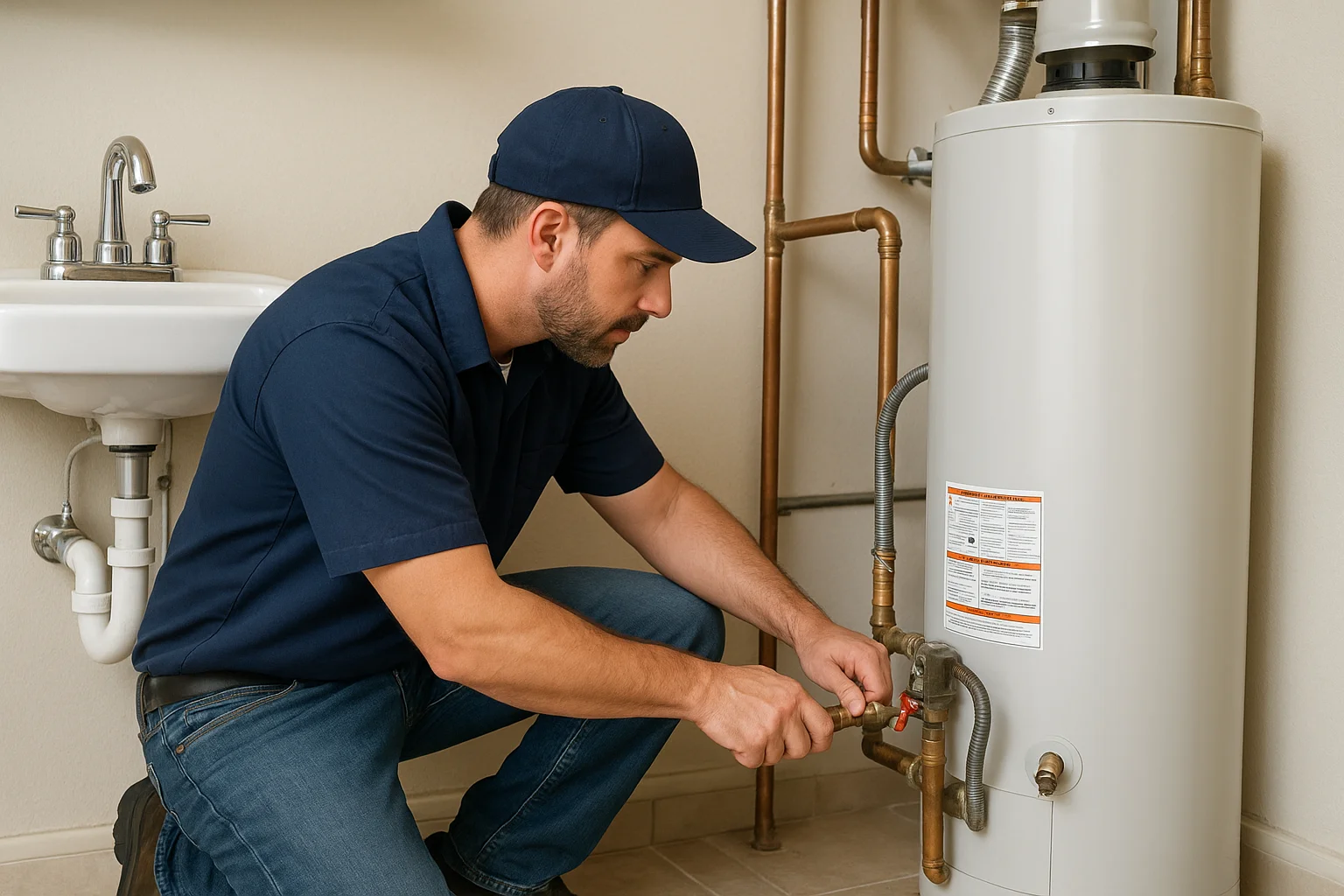
Water heaters are often overlooked when people think about purification, but they are part of the same system. Sediment buildup in a tank can reduce efficiency, create noise, and affect hot water quality. If you notice rusty water only when running hot taps, the heater may need service. If the water smells off or the temperature fluctuates, the issue could involve both the heater and the plumbing feeding it.
Fixtures matter too. Dripping faucets, running toilets, and worn shower cartridges waste water and can make it harder to tell whether your purification system is working properly. A bad toilet flapper or failing supply line can create pressure changes and hidden leaks. These are the kinds of repairs that should be handled quickly, especially in homes where water use is already high.
For homeowners comparing service options, a trusted local plumber can address the whole picture, from water filtration services to fixture repairs and ongoing maintenance. If a system is beyond repair, A Smarter Way to Handle Plumbing Replacement in Callaway, FL offers a practical look at replacing aging parts before they cause repeated disruptions.
Helpful steps homeowners can take between service visits
There are a few simple habits that can make a real difference in Callaway homes. Check under sinks for moisture. Watch for changes in water pressure. Listen for running toilets. Keep an eye on your water heater for rust, noise, or leaks. If your drains start slowing down, do not wait for a backup. If you see water around a wall, floor, or foundation, call for help before the damage spreads.
It also helps to schedule periodic inspections if your home has older plumbing, a history of leaks, or a purification system that serves the whole house. If you are planning upgrades or remodeling, professional guidance matters there too. A good installation strategy can prevent future headaches, which is why Planning Plumbing Installation the Right Way in Callaway, FL is worth reading before starting a project.
When water quality and plumbing condition are addressed together, homeowners usually get better results: cleaner water, steadier pressure, fewer emergency calls, and less wear on fixtures and appliances. For local support in Bay County, A Superior Mechanical provides the kind of service that helps protect both the purifier and the plumbing around it. If you need broader coverage across the area, you can also review our Bay County plumbing service area for more local help.
When to bring in a professional
Call a professional if your purified water still tastes off, if pressure has dropped, if you suspect a slab leak, or if you are seeing repeated stains and buildup around fixtures. You should also get help if drains keep backing up, your water heater is producing discolored water, or you hear pipe noises that were not there before. These are all signs that the plumbing system may be affecting water quality and increasing the chance of an emergency plumbing call.
For Callaway homeowners, local service is valuable because the problems are often tied to regional conditions, not just one isolated fixture. The combination of heat, humidity, hard water, and aging plumbing can create a pattern that only a local plumber will recognize quickly. That is why water purification works best when it is supported by good pipe care, drain maintenance, and timely repairs.
Find Water Purification in Callaway, FL
If you need Water Purification in Callaway, FL, visit our local service page or contact A Superior Mechanical today.
Map of Callaway, FL
Frequently Asked Questions
Can worn plumbing affect how well my water purifier works?
Yes. Corroded pipes, leaks, mineral buildup, and pressure swings can reduce water quality after it leaves the purifier. The system may be working, but the plumbing can still change the final result at your tap.
Why does my purified water still taste metallic in my Callaway home?
That can happen when older pipes, fixtures, or the water heater are adding corrosion or sediment back into the water. A plumbing inspection can help find whether the issue is the treatment system or the lines carrying the water.
How often should I have plumbing checked if I use water purification?
Annual checks are a good starting point for many homes, especially if you have older pipes, hard water, or past leak issues. Homes with recurring pressure problems or drain backups may need more frequent maintenance.
Can a slab leak affect water purification?
Yes. A slab leak can lower pressure, waste water, and create conditions that let contaminants enter damaged lines. It can also make it harder for purified water to reach fixtures consistently.
Related Articles
Photo Gallery