Stop and call for qualified help when plumbing water is near electrical equipment, sewage is entering occupied space, gas or burning odors are present, or a repair would require opening pressurized piping.
You clean the shower glass and wipe the faucets, yet white spots return within days. At the same time, water from one or more sinks may have a taste or odor you do not like. Those symptoms can have different causes, which is why comparing a water softener versus whole house filtration in Bluewater Bay, FL should begin with testing rather than guesswork.
The safest first step is to document what you notice. Check whether the problem affects hot water, cold water, or both, and compare several faucets. Avoid adjusting unfamiliar treatment valves. A water softener and a whole-house filter are not interchangeable, and the correct choice depends on what the water contains.
Water Softener Versus Whole House Filtration: What Is the Difference?
A water softener mainly reduces hardness minerals, especially calcium and magnesium. These dissolved minerals can leave scale, interfere with soap, spot glassware, and collect inside water-using equipment.
A whole-house filtration system treats water before it travels through the home, but the result depends on the media. A sediment filter captures particles. Activated carbon can reduce certain tastes and odors. Specialty media may target a confirmed substance.
A conventional softener is not a universal filter, and a standard whole-house filter is not automatically a softener. Some homes need one, some need both, and others need only a local correction.
Common Symptoms and What They May Mean
White Crust Around Faucets and Showerheads
Recurring chalky buildup often points toward hardness. The minerals remain after water evaporates, leaving deposits on metal, tile, glass, and appliances.
Poor Soap Lather or Film After Bathing
Hardness minerals react with soap. You may use more shampoo or detergent and still notice residue on tubs, dishes, or laundry.
Unpleasant Taste or Odor
Taste and odor complaints may originate in incoming water, a water heater, a drain, a faucet component, or old filter media. Filtration may help, but only when the correct media matches the cause.
Particles or Low Pressure
Visible sediment can come from the supply, internal plumbing, recent repairs, or a water heater. A clogged filter, undersized housing, or partly closed valve can also reduce flow.
Safe Checks a Homeowner Can Perform
- Fill glasses from several cold-water faucets and compare color, particles, taste, and odor. Then compare hot and cold water. A hot-side-only issue may involve the water heater.
- Inspect shower doors, faucets, dishes, coffee makers, and ice trays for recurring deposits. Note how quickly residue returns after cleaning.
- Carefully remove a faucet aerator and look for trapped particles. Clean it according to the fixture instructions rather than scraping the faucet.
- If treatment equipment is installed, record the make, model, control display, salt level, cartridge date, bypass position, and any leaks. Do not turn unfamiliar valves.
- Observe the water meter when all fixtures and appliances are off. Continued movement can suggest leakage.
What the Homeowner Should Not Attempt
Do not purchase a softener based only on a soap demonstration or a filter based only on a cartridge that changed color. Those observations do not identify every substance in the water.
Do not pour bleach, acid, descaler, or other chemicals into plumbing or treatment tanks without a qualified procedure.
Do not install multiple filters without checking pressure, flow, and capacity. Each stage creates resistance, and an undersized design can cause weak showers.
Do not eliminate the air gap on a softener drain or create a direct cross-connection. Do not set a softener to an arbitrary high hardness value, because incorrect programming can waste salt and water.
Signs That Make the Situation More Urgent
Gradual spotting and scale usually allow time for testing. A sudden change in color, odor, taste, or clarity deserves prompt attention, especially when it affects several fixtures.
Avoid using water for drinking or cooking when there is a suspected contamination event, official notice, unexplained chemical odor, sewage-like odor, or oily appearance until appropriate guidance is obtained.
Call promptly when a treatment tank leaks, a filter housing cracks, a softener runs continuously to the drain, or pressure drops sharply. Water near electrical controls or appliances creates an added hazard.
Use a bypass only when you understand the valve arrangement.
How a Licensed Plumber Diagnoses the Correct Treatment Need
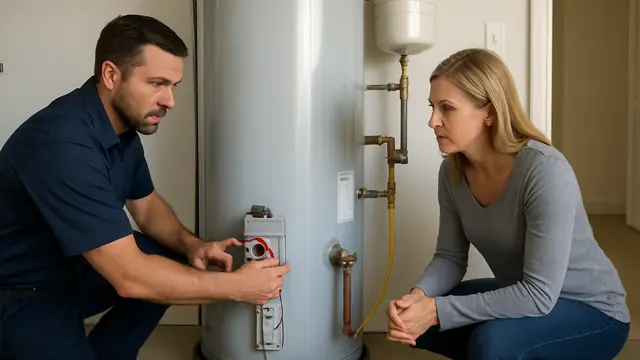
A licensed plumber determines whether the complaint is local or whole-house, hot or cold, constant or intermittent. This helps separate a treatment need from a fixture, water-heater, or plumbing problem.
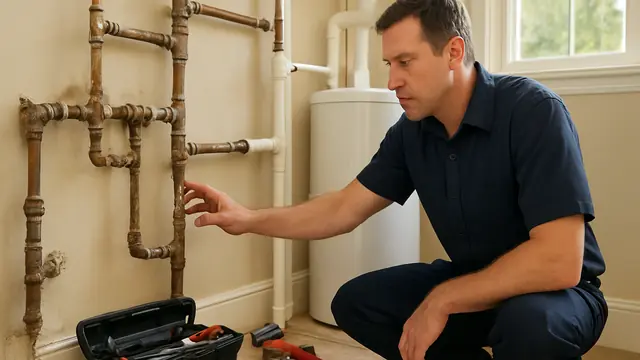
The inspection may include pressure, flow, scale, sediment, aerators, plumbing materials, the water heater, existing filters, softener settings, bypass valves, and drainage.
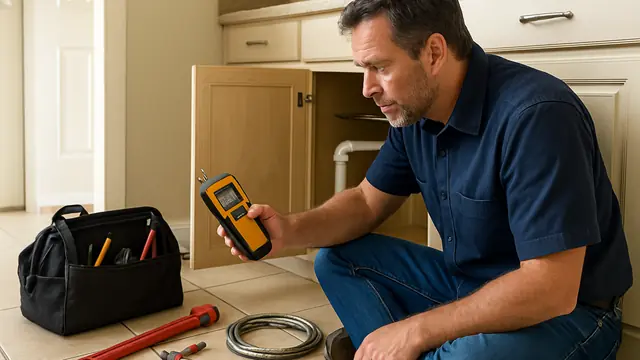
Water testing provides information visual clues cannot. Hardness testing helps determine whether a softener is needed and how it should be sized. Depending on the symptoms, additional testing may be recommended for iron, pH, sediment, taste, odor, or another concern.
The plumber also considers peak flow. The system must serve multiple fixtures without unacceptable pressure loss. Household demand, space, drain access, and maintenance clearance affect the recommendation.
Treatment Options From the Least Invasive to the Most Complete
Correct a Fixture-Specific Problem
If only one faucet has odor, sediment, or poor flow, cleaning an aerator, replacing a local cartridge, servicing the faucet, or correcting a nearby drain issue may solve the complaint.
Service Existing Equipment
A softener may need salt, corrected programming, salt-bridge removal, or valve service. A filter may need a cartridge or media replacement.
Add Point-of-Use Filtration
When the concern is limited to drinking and cooking water, point-of-use treatment may be more practical than filtering every gallon entering the home.
Install Targeted Whole-House Filtration
When testing confirms a concern that should be treated throughout the home, a properly sized whole-house filter may be appropriate. The media should have a defined purpose.
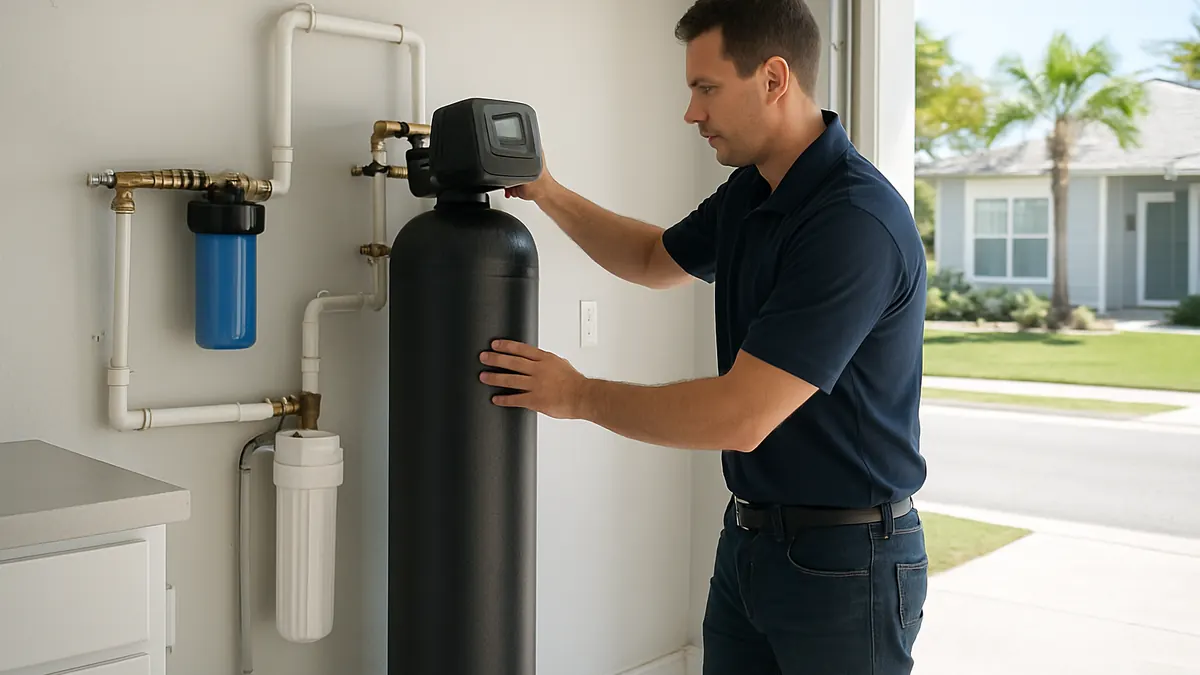
Install a Water Softener
When measured hardness is causing scale and cleaning problems, a properly sized softener can reduce mineral buildup and improve soap performance.
Combine Filtration and Softening
When testing confirms hardness and a separate filtration concern, a treatment train may include sediment protection, filtration, and softening in a planned order.
Typical Factors Affecting Cost
Cost depends on testing, treatment goal, system capacity, flow requirements, media, controls, installation location, plumbing changes, drain access, and existing equipment.
Ongoing costs include salt, cartridges, media replacement, regeneration water, and service. Compare long-term ownership rather than only the initial price.
Prevention and Maintenance Guidance
- Keep test results, settings, service dates, and cartridge schedules together. Label bypass valves and maintain access around equipment.
- Check salt levels and watch for hardened bridging. Replace cartridges before severe restriction develops.
- Inspect housings, valves, drain tubing, and connections for leaks. Retest when symptoms change or after significant plumbing work.
- New treatment may not remove scale already inside fixtures or a water heater.
Choose the System That Matches the Confirmed Problem
The right answer to water softener versus whole house filtration in Bluewater Bay, FL depends on the symptoms and test results. Scale, spotting, and poor soap performance usually point toward hardness treatment. Taste, odor, sediment, or a confirmed unwanted substance may require filtration. A problem at one fixture may need only a local repair.
A licensed evaluation should explain what was found, what each component will reduce, how the system will affect pressure, and what maintenance it requires. That information supports an evidence-based treatment plan.
About this guide: This resource provides general homeowner education, not a remote diagnosis. Actual conditions, code requirements, equipment, and safe repair options must be evaluated at the property.