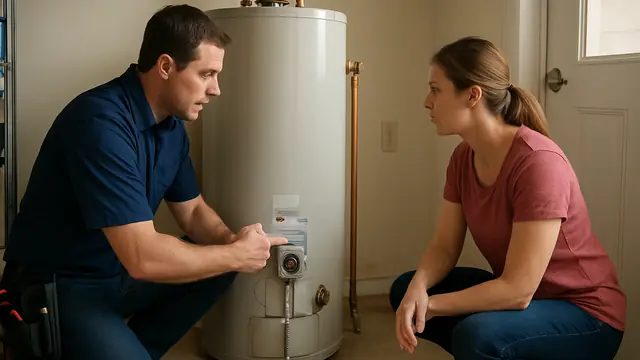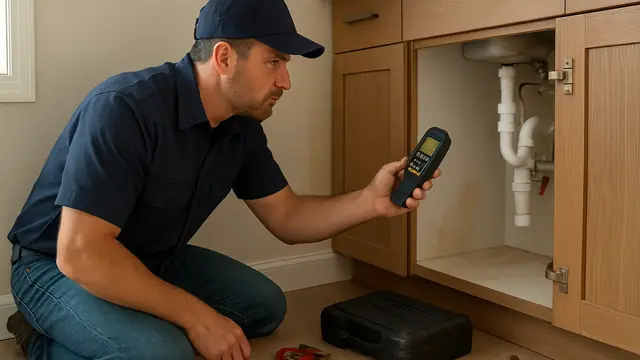
Stop and call for qualified help when plumbing water is near electrical equipment, sewage is entering occupied space, gas or burning odors are present, or a repair would require opening pressurized piping.
You clean the bathroom faucet, but the white crust returns quickly. Then you replace a drinking-water filter and still notice an odor at another sink. Different symptoms can lead homeowners to buy the wrong equipment or assume every tank-shaped system does the same job. That is why the comparison between a water softener versus whole house filtration in Crestview, FL should begin with testing and a treatment goal.
Avoid adjusting unfamiliar valves or adding chemicals to the plumbing. Write down what you notice, where it occurs, and whether it affects hot water, cold water, or both. A licensed evaluation can separate hardness, sediment, taste, odor, fixture problems, and equipment malfunctions.
The Practical Difference Between Softening and Filtration
A water softener mainly reduces hardness: dissolved calcium and magnesium that can create scale, interfere with soap, spot dishes, and accumulate inside fixtures or water-heating equipment.
Whole-house filtration passes incoming water through media that may capture sediment, reduce certain tastes or odors, or target a specific substance. It is not one universal technology.
Softening and filtration overlap only when equipment is specifically designed to perform both functions. A standard sediment or carbon filter does not automatically soften water, and a conventional softener is not a complete contaminant-removal system.
Common Causes Behind the Symptoms Homeowners Notice
Dissolved Hardness Minerals
Recurring white scale, cloudy glassware, soap film, and poor lather are common reasons to test for hardness. The minerals are dissolved, so a basic particle filter usually will not remove them.
Sediment in the Water or Plumbing
Particles trapped in aerators may come from the supply, plumbing, water heater, or recent work. Identify the source before selecting a filter.
Taste and Odor Concerns
An unwanted taste or smell can originate in incoming water, a water heater, a drain, a faucet component, or old filter media. Whole-house filtration may help some causes, but treatment must be matched to the diagnosis.
Existing Equipment That Is Not Working Properly
A softener can run out of salt, develop a salt bridge, lose programming, or need valve service. A filter can become exhausted or restricted. Maintenance may restore performance.
A Fixture-Specific Plumbing Issue
When only one faucet has discolored, slow, or unpleasant water, the cause may be local. An aerator, supply tube, refrigerator cartridge, faucet body, or nearby drain can create symptoms that whole-house treatment will not solve.
Safe Checks Before Comparing Systems
- Compare clear glasses from several cold-water faucets for color, particles, taste, and odor. Then compare hot and cold water. A hot-side-only issue may involve the water heater.
- Inspect showerheads, faucets, dishes, and appliance surfaces for white mineral scale. Note how quickly deposits return after cleaning.
- Remove a faucet aerator carefully and look for trapped particles. Clean or replace it according to the fixture instructions rather than scraping the faucet.
- Check existing equipment without changing its operation. Record the make and model, control display, salt level, cartridge date, leaks, unusual sounds, and current bypass position.
- Note whether pressure has declined. A restricted filter can reduce flow, but valves, pipes, or other conditions can also contribute.
What a Homeowner Should Not Attempt
- Do not taste water with an unexplained chemical, fuel-like, or sewage-like odor. Obtain appropriate guidance and testing.
- Do not assume boiling solves every problem. It addresses limited biological concerns under specific instructions and can concentrate dissolved substances.
- Do not pour bleach, acids, or descalers into plumbing or treatment tanks without a qualified procedure. Do not bypass equipment when contamination is suspected.
- Do not size a system by bathroom count alone. Testing, household demand, service flow, equipment capacity, and available pressure also matter.
When the Water Problem Becomes Urgent
Hard-water scale develops gradually. A sudden major change in color, taste, odor, or clarity deserves prompt attention.
Follow any official advisory rather than assuming a household filter provides protection. Equipment only reduces substances it is designed and maintained to treat.
Call a plumber promptly when a filter housing cracks, a treatment tank leaks, a softener continuously discharges to the drain, or pressure drops throughout the home. Shut off or bypass equipment only when you understand the controls and can operate them safely.
Water leaking near an electrical outlet, pump, control head, or appliance creates an added hazard. Keep away from wet electrical equipment.
How a Licensed Plumber Diagnoses the Need
- The plumber begins with the symptom pattern: local or whole-house, hot or cold, sudden or gradual.
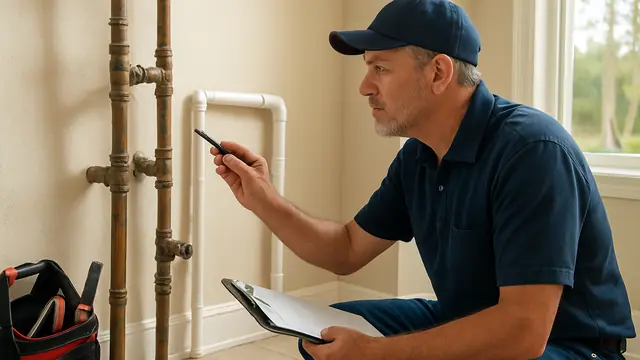
- An inspection checks pressure, flow, scale, sediment, plumbing materials, the water heater, filters, softener settings, bypass valves, and drainage.
- Testing confirms what visual clues cannot. Hardness results guide softener capacity. Other testing may evaluate iron, pH, sediment, taste, odor, or specific concerns.
The plumber determines peak flow and daily demand. Equipment must serve several operating fixtures without unacceptable pressure loss. Space, drainage, electrical access, maintenance clearance, and existing plumbing matter.
Options From the Least Invasive to a Complete Treatment System
Repair the Local Cause
Cleaning an aerator, replacing an expired refrigerator cartridge, servicing a faucet, or correcting a water-heater issue may resolve a limited symptom.
Service Existing Treatment Equipment
Reprogramming a control valve, correcting a salt bridge, cleaning approved components, replacing a cartridge, or renewing media may restore the existing system.
Use Point-of-Use Filtration
When the concern involves only drinking and cooking water, point-of-use treatment may meet the goal with less equipment and maintenance.
Install a Whole-House Sediment or Targeted Filter
A correctly sized filter may be appropriate when testing confirms a concern that should be treated throughout the home. Media selection and flow capacity are critical.
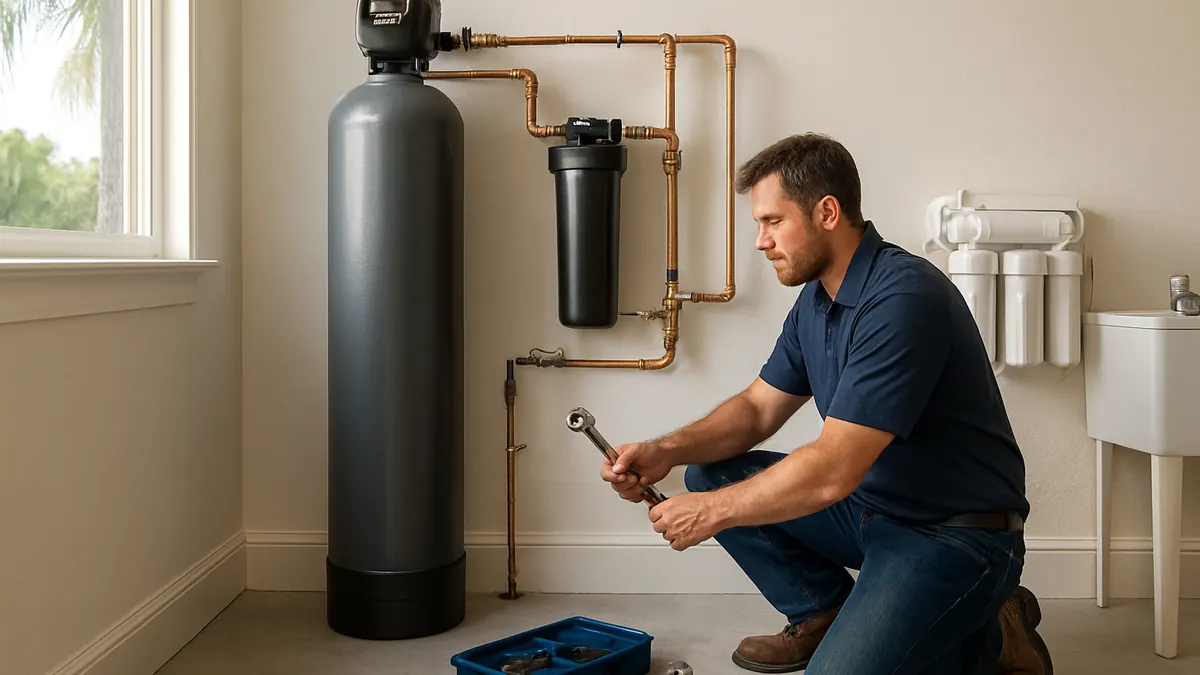
Install a Properly Sized Water Softener
When measured hardness is causing scale and cleaning problems, softening may be recommended. Settings should reflect actual hardness and household usage rather than a generic factory setting.
Combine Filtration and Softening
When separate problems are confirmed, the treatment plan may contain multiple stages. The order matters because one stage may protect another, and every component affects flow and maintenance.
Typical Factors Affecting Cost
Cost depends on the water tests required, system type, treatment media, capacity, expected flow, controls, installation location, plumbing modifications, drainage, electrical access, and existing equipment condition.
Long-term costs include salt, cartridges, media, regeneration water, electricity where required, and service. Undersized equipment may cost more over time.
Prevention and Maintenance Guidance
- Retest when symptoms change or performance declines. Save results, settings, cartridge dates, and service records.
- Keep salt at the recommended level and check for hardened bridging. Do not overfill simply because the tank has room.
- Replace filters according to service conditions and manufacturer instructions. Waiting until pressure becomes unacceptable can place unnecessary strain on the system.
- Inspect housings, valves, drains, and connections for leaks. Keep tanks accessible. Remember that new treatment prevents future scale more readily than it removes old deposits.
Select Treatment for the Confirmed Cause
The decision between a water softener versus whole house filtration in Crestview, FL should be based on what the water test and plumbing inspection reveal. Hardness points toward softening. Sediment, taste, odor, or a specific unwanted substance may point toward filtration. A local faucet or water-heater issue may require a repair instead of either system.
A useful proposal states what each component reduces, how it is sized, how it affects flow, and what maintenance it requires. That supports a defensible decision rather than an expensive experiment.
About this guide: This resource provides general homeowner education, not a remote diagnosis. Actual conditions, code requirements, equipment, and safe repair options must be evaluated at the property.