Stop and call for qualified help when plumbing water is near electrical equipment, sewage is entering occupied space, gas or burning odors are present, or a repair would require opening pressurized piping.
A bathroom may seem fine until the home becomes busy. After several showers and toilet flushes, the lowest drain begins to bubble. The water eventually disappears, but the same thing happens again the next day. For a homeowner, second-home owner, or rental manager in Inlet Beach, that pattern often means the sewer line is partially restricted and cannot handle normal peak use.
Limit water use until the cause is identified. Delay laundry and dishwasher cycles, keep showers short, and avoid repeated flushing. If wastewater enters a shower, tub, floor drain, or living area, stop using the plumbing and keep people away from the affected space.
A sewer camera inspection allows a licensed plumber to look inside the accessible drain or sewer line. The inspection can identify visible blockages, buildup, roots, standing water, shifted joints, and broken pipe. It also helps determine whether the least invasive solution is cleaning, a targeted repair, or something more extensive.
Why Intermittent Backups Matter
A complete blockage is obvious because nothing drains. A partial restriction can be harder to recognize. The line may work when only one fixture is used and fail when several fixtures discharge close together.
Warning signs include toilet gurgling, water rising in the lowest shower, several slow drains, recurring sewage odors, and stoppages that return after professional cleaning.
Common Conditions Found During an Inspection
Soft Blockages
Paper, wipes, hygiene products, food debris, or another object may create a removable obstruction. A camera may stop at the blockage or show the material directly.
Roots
Roots can enter through a loose joint or crack. A small amount of root growth can trap paper and create a larger obstruction.
Offset or Separated Joints
A shifted connection creates an edge inside the line. Waste collects on the edge, and the opening may admit roots or soil.
Standing Water
Water that remains in the pipe may indicate a belly, improper slope, or a blockage farther downstream. The plumber evaluates how long the wet section is and whether the camera can continue through it.
Cracks, Deformation, and Collapse
A cracked pipe may still flow while allowing roots or soil inside. A deformed or collapsed section can reduce the opening enough to cause frequent backups.
Safe Checks Before Calling a Plumber
- Identify which fixtures are affected and when the symptoms occur. Note whether the issue follows a toilet flush, laundry cycle, shower, or kitchen use.
- Check the lowest tub or shower for rising water. Do not touch wastewater or remove the drain cover.
- Listen for gurgling from nearby fixtures. Note any sewage odor and whether it appears only when water is used.
- If an exterior cleanout is visible, look for leaking around the cap without loosening it.
What You Should Not Do
- Do not pour chemical drain cleaner into multiple drains. It may not reach the main obstruction and can remain trapped in the pipe.
- Do not force a small hand snake into a large sewer line. It may be too short or become stuck.
- Do not use a rented sewer machine without training. Rotating cables can injure the operator and damage weakened pipe.
- Do not excavate where you assume the line is damaged. A camera and locating receiver should guide the repair area when possible.
What Happens During a Sewer Camera Inspection in Inlet Beach?
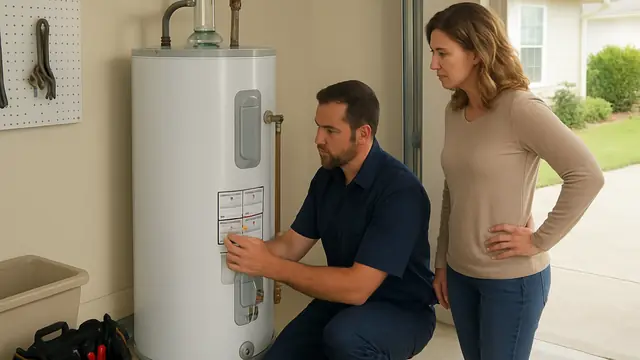
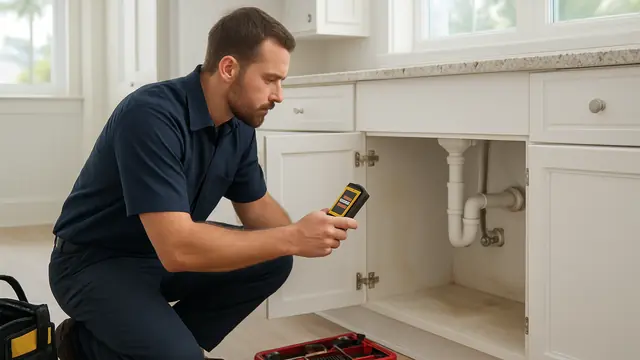
The plumber first reviews the symptoms, timing, and previous service history. This helps determine whether the likely problem is local, shared, or in the main line.
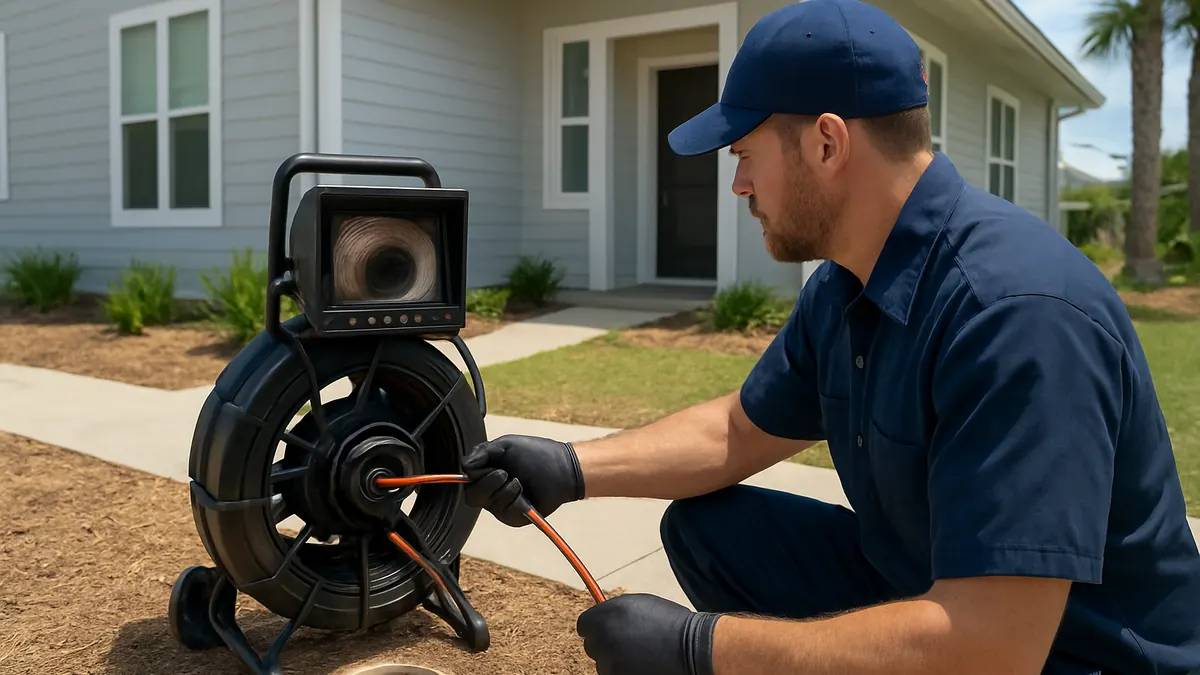
An approved access point is selected. An exterior cleanout is often preferred because it provides a direct route into the sewer line. Another approved opening may be used when necessary.
A waterproof camera with built-in lighting is attached to a flexible push cable. The plumber guides it through the pipe while watching live footage on a monitor.
The plumber examines the pipe wall, joints, water level, and material in the line. The camera may reveal roots, wipes, grease, standing water, foreign objects, cracks, offsets, or collapse.
Distance markings help estimate how far the camera has traveled. Many camera heads also carry a transmitter. A receiver used above ground can locate the camera and estimate the depth of the defect.
If the line is blocked completely, the camera may not move past the obstruction. The plumber may need to clear the line first and perform a second inspection.
What a Good Inspection Should Explain
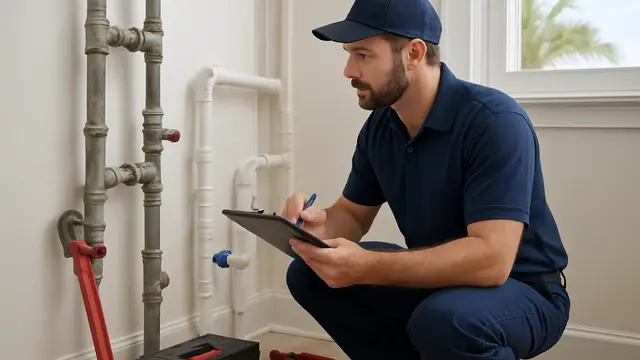
The plumber should explain which sections were inspected, what was found, and whether the finding is maintenance-related or structural.
The homeowner should also understand whether the line is currently open, whether another blockage is likely, and which repair option is reasonable.
Signs That Make the Problem Urgent
Sewage entering a tub, shower, floor drain, or finished area is urgent. Stop all water use.
Prompt service is also needed when no toilets are usable, wastewater leaks from a cleanout, the same line blocks again shortly after cleaning, or several fixtures stop draining together.
A rental property may require faster action because continued guest use can turn a partial restriction into a major overflow.
Repair Options From Least to Most Invasive
- A simple blockage may be removed with professional cable cleaning. A foreign object may be retrieved if it can be reached safely.
- Hydro jetting may be appropriate when heavy buildup coats a structurally sound pipe. The line should be evaluated before high-pressure cleaning is used.
- Roots may be cut to restore flow. The joint or crack that allowed root entry should then be repaired or monitored.
- A localized crack, offset, or broken section may qualify for a spot repair. Depending on access, layout, and pipe condition, a trenchless repair method may be possible.
- Complete replacement is generally reserved for widespread damage, repeated collapse, or several severe defects.
Factors That Affect Cost
Inspection cost depends on access, line length, diameter, blockage severity, cleaning requirements, locating, and recorded footage.
Repair cost depends on the defect type, location, depth, and length. Pipe material, the surface above the line, and restoration needs also affect the total scope.
Prevention and Maintenance Guidance
- Flush only human waste and toilet paper. Place wipes, paper towels, hygiene products, and cleaning cloths in the trash.
- Keep fats, oils, grease, and food scraps out of kitchen drains. Use strainers and empty them regularly.
- Address recurring gurgling or slow drains before a full backup develops. Keep inspection videos, repair records, and cleaning dates.
Schedule a Sewer Camera Inspection in Inlet Beach
What happens during a sewer camera inspection in Inlet Beach is a focused evaluation of the accessible sewer line. A licensed plumber reviews the symptoms, guides a lighted camera through the pipe, identifies visible problems, locates important findings when possible, and explains practical repair choices. When backups happen during heavy use or return after cleaning, the inspection helps identify the real cause before a major repair is considered.
About this guide: This resource provides general homeowner education, not a remote diagnosis. Actual conditions, code requirements, equipment, and safe repair options must be evaluated at the property.