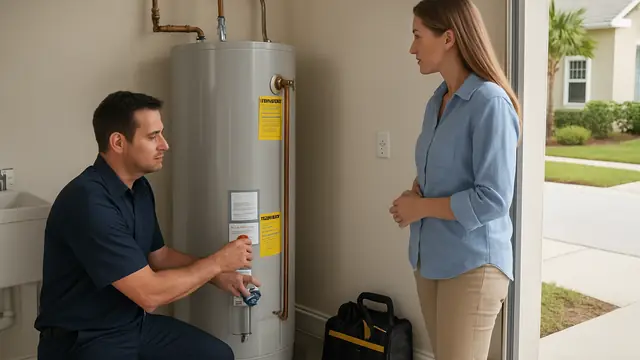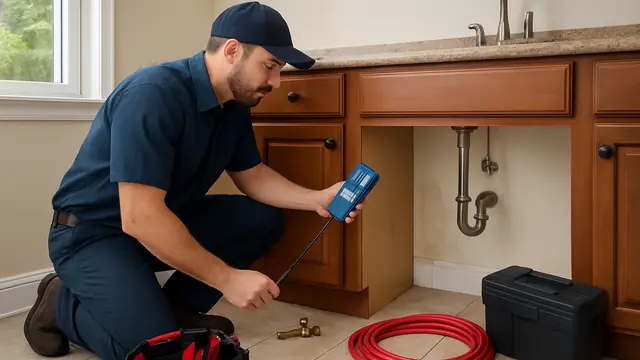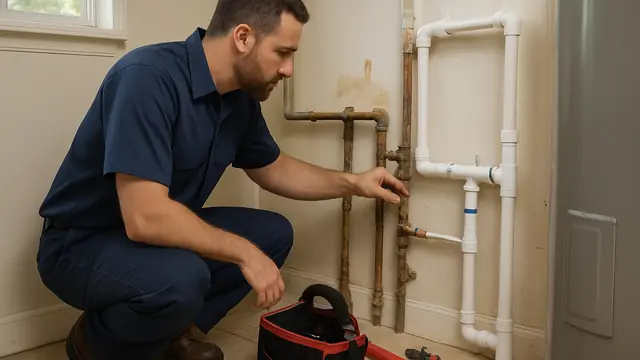
Stop and call for qualified help when plumbing water is near electrical equipment, sewage is entering occupied space, gas or burning odors are present, or a repair would require opening pressurized piping.
Why a Rocking Toilet Deserves Prompt Attention
A toilet should stay firmly supported when someone sits down or stands up. Movement is not just an annoyance. It can stress the connection between the toilet outlet and the drain, loosen mounting hardware, and damage the seal that keeps wastewater inside the plumbing system. A toilet may move for some time before a visible puddle appears, so a dry floor does not rule out a problem.
For homeowners and property managers in Lynn Haven, the practical first step is to take movement seriously without assuming the entire toilet needs replacement. The cause could be uneven flooring, failed anchors, a damaged drain flange, or deteriorated material beneath the fixture. Avoid deliberately rocking the bowl to test it. If it shifts during normal use, schedule a plumbing inspection before continued movement turns a small repair into flooring work.
Understand the Flange, Seal, and Floor Connection
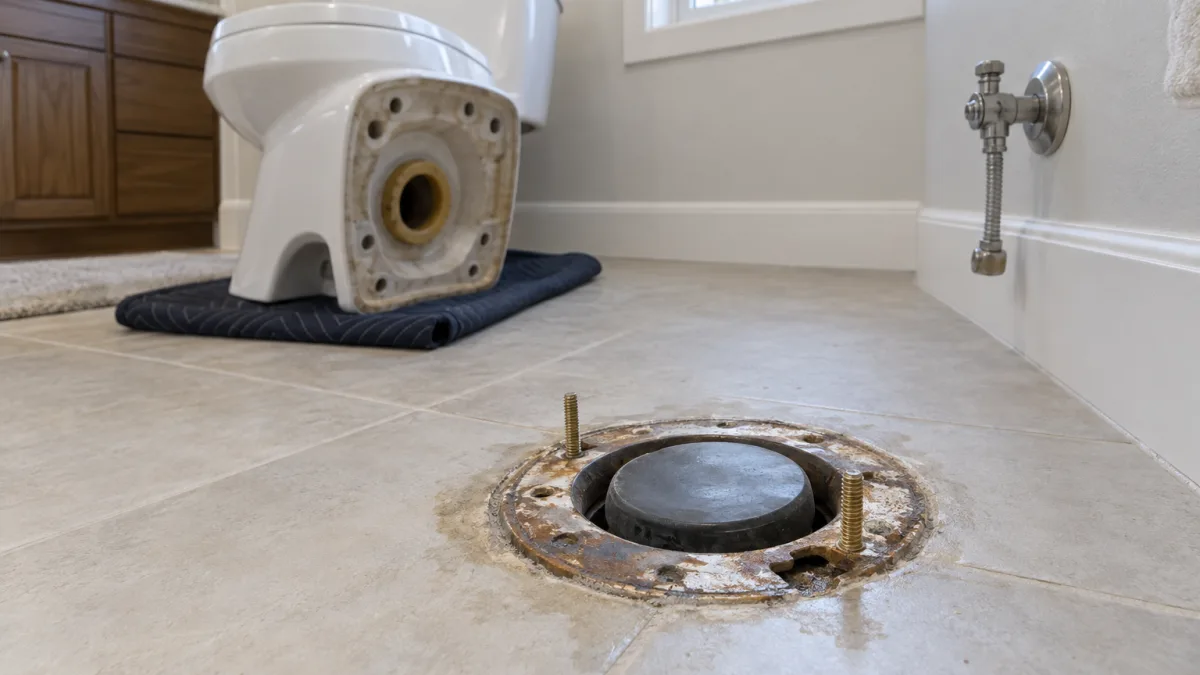
The closet flange is the fitting at floor level that connects the toilet to the drain piping and provides attachment points for the mounting bolts. A wax ring or compatible manufactured seal closes the gap between the toilet outlet and that connection. These parts serve different purposes: the flange and its anchorage help secure the fixture, while the seal contains wastewater and sewer gas.
The floor must support the toilet's weight evenly. The seal is not a structural cushion, and the bolts should not be used to force a porcelain base against an uneven surface. A lasting repair addresses all three elements together: sound support, a secure flange at an appropriate elevation, and a properly selected seal. Replacing only the ring may leave the original cause of movement untouched.
Separate a Base Leak From Water Coming From Above
Water around a toilet does not automatically mean the drain seal has failed. A supply connection, tank bolt gasket, tank-to-bowl connection, or cracked tank can leak water that travels down the porcelain and collects at the base. Shower splash and cleaning water can create a similar appearance. In Northwest Florida's humid conditions, condensation on a cool tank or supply line can also contribute moisture.
Without moving the fixture or touching questionable water, note where moisture first appears and whether it follows flushing. Water emerging from beneath the bowl during or after a flush makes the drain connection a concern, but timing alone is not a diagnosis. A plumber checks upper connections and the fixture before recommending removal. Even clear, odorless water at the base should be treated as potentially contaminated until its source is established.
Know When to Stop Using the Toilet
Stop using a toilet that releases water from beneath the base during flushing, moves substantially, has visible porcelain cracks, or sits on flooring that feels soft or unstable. Repeated flushing to confirm a leak can push more wastewater into concealed spaces. Keep children and pets away from the affected area, and use another bathroom if one is available. An upstairs base leak also warrants attention to any staining or dripping below.
If water is actively escaping from the supply or tank, close the toilet's supply valve only if it is safely accessible and operates normally. Do not force a stuck valve. Closing it will not remove water already stored in the tank, stop a drain backup, or make the toilet safe to use. For a rental or managed property, mark the bathroom out of service and arrange prompt professional assessment rather than leaving the next occupant to discover the problem.
What a Plumber Should Check Before Choosing a Repair
A useful inspection starts with the leak history: when the movement began, whether flooring was recently installed, and whether the toilet has been reset before. The plumber checks the bowl, tank, supply connections, mounting points, and surrounding floor. If the evidence points to the drain seal or flange, removing the toilet is generally necessary to see the condition of the concealed connection.
With the fixture removed, the plumber can examine the flange ring, bolt slots, anchors, drain connection, and seal contact. They should also assess flange elevation relative to the finished floor and look for damaged supporting material. Depending on the building, nearby flooring or the ceiling below may need further evaluation. Photos of the exposed connection help owners understand the recommendation, especially when a previous repair concealed damaged parts or improvised supports.
Why Tightening the Bolts Is Not Always the Answer
Loose mounting hardware can contribute to movement, but tightening it blindly can crack the porcelain or strain a damaged flange. A bolt may turn without securing anything if its slot has broken or the flange itself is loose. Decorative bolt caps hide these conditions, so the appearance of intact hardware does not prove that the toilet is properly anchored.
A plumber determines whether the flange can accept an approved repair component or needs replacement. That choice depends on its material, the extent of damage, the condition of the drain connection, and the available anchoring surface. Corroded or broken parts should not simply be covered with another seal. If drain piping is damaged or the connection has shifted, the scope may extend beyond resetting the toilet, and the owner should receive an explanation before that work proceeds.
Account for Flooring Height and Hidden Moisture Damage
New tile or other flooring can change the relationship between the finished surface and the flange. A flange left too low may require a compatible extension or another corrective approach; an incorrectly positioned high flange may prevent the bowl from resting properly. There is no universal fix based only on the flooring thickness. The plumber must consider the toilet outlet, flange arrangement, sealing system, and installation requirements together.
Moisture damage also changes the repair plan. On a wood-framed floor, deteriorated subflooring may no longer hold anchors or support the toilet reliably. With a slab floor, water can still damage floor coverings, adjacent trim, and other moisture-sensitive materials. Bay County humidity can slow drying, but humidity alone does not establish the cause of the leak. Structural or significant flooring damage may require a qualified contractor before the plumber can complete a durable reset.
Choose a Seal as Part of the Whole Installation
Wax rings and manufactured wax-free seals can both work when selected and installed for the specific toilet and flange arrangement. Neither type can compensate for a loose fixture, broken flange, or inadequate floor support. Wax that has been displaced by movement does not spring back into its original shape. Manufactured seals also have compatibility and positioning requirements that must be followed.
The best question is not which seal is universally superior, but which system fits the actual installation. Avoid treating stacked rings or an oversized seal as an automatic solution to an elevation problem. The professional should explain how the flange height will be addressed and how the bowl will be supported. If the toilet has a cracked base or damaged outlet, replacing the fixture may be necessary even when the flange itself is repairable.
What a Completed Repair Should Include
Before resetting the toilet, the installer should have a sound anchoring surface, a secure flange, and an appropriate seal arrangement. If the floor is uneven, suitable noncompressible supports may be needed so the bowl rests securely without stress. Mounting hardware must be tightened carefully according to the fixture requirements. The toilet should not depend on a thick bead of caulk to hold it still.
After installation, the plumber should check supply and tank connections, test flushing, inspect for leakage, and confirm that the fixture stays stable. Finishing around the base should follow applicable requirements and manufacturer guidance. Ask about any sealant curing time before use and whether damaged surrounding materials need additional drying or repair. An invoice that identifies flange work, seal replacement, and any remaining concerns is especially useful for property managers coordinating multiple trades.
Prevent Repeat Problems and Plan the Service Visit
Routine cleaning provides an opportunity to notice moisture, staining, loose caps, or a changing gap around the base. Do not push against the toilet with your feet, use it as a step stool, or deliberately rock it during inspections. After flooring work, ask whether the toilet connection was evaluated for the new finished-floor height. For a seasonally occupied property, check the bathroom on return and report new movement rather than assuming an unused fixture cannot have a problem.
When arranging service in Lynn Haven, describe whether the toilet moves, when water appears, and whether another bathroom is available. Share photos of visible damage and any known history of resets or floor repairs. Ask whether the estimate covers removal, flange evaluation, resetting, and testing, and how additional damage will be documented. Access to the bathroom and the area below it, where applicable, can help the professional assess the full extent of the repair.
About this guide: This resource provides general homeowner education, not a remote diagnosis. Actual conditions, code requirements, equipment, and safe repair options must be evaluated at the property.