Stop and call for qualified help when plumbing water is near electrical equipment, sewage is entering occupied space, gas or burning odors are present, or a repair would require opening pressurized piping.
The storm forecast is strengthening, your emergency supplies are packed, and you discover that the main water valve is hidden behind stored boxes and coated with corrosion. At the same time, a ceiling stain beneath an upstairs bathroom looks darker than it did last week. Those conditions suggest that the home may have an active plumbing leak and no dependable way to stop the water quickly. The safe immediate action is to clear access to the valve without forcing it, stop using the bathroom above the stain, and arrange an inspection before the weather becomes dangerous.
The Most Common Weak Points Before a Storm
Plumbing failures often begin with ordinary components: toilet supply lines, washing-machine hoses, fixture shutoffs, water-heater connections, and drain lines that have been slow for months.
Create a Simple Plumbing Emergency Map
Walk through the home and record the location of the main water shutoff, water-heater valve, water-heater breaker, sewer cleanout, irrigation shutoff, and any pumps or treatment equipment.
Inspect for Leaks From the Top Floor Down
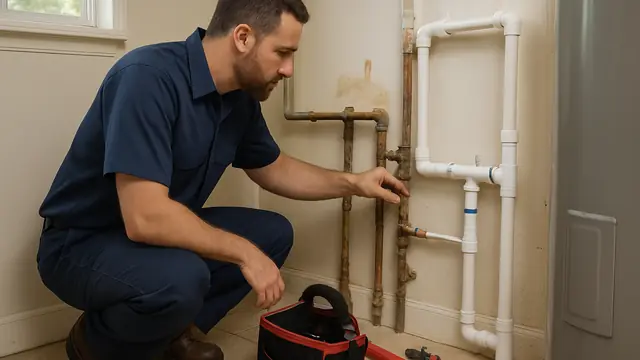
Begin with bathrooms, laundry areas, and other rooms that contain plumbing. Look beneath sinks, around toilets, near tubs and showers, and behind accessible appliances.
A stain that changes shape, darkens, or feels damp needs prompt attention. Do not press on sagging drywall because water may be trapped above it.
Test the Main Shutoff Without Damaging It
The main valve should be clearly identified and reachable. Do not guess or apply excessive force. Stop if the valve is seized, corroded, leaking, or difficult to identify.
Check Toilets and Fixture Connections
Flush each toilet and wait for the tank to fill. The water should stop running. Repeated refilling usually means water is leaking from the tank into the bowl.
Inspect the toilet supply line and shutoff. Look for corrosion, moisture, fraying, or bulging.
Evaluate Drains Before Heavy Rain Arrives
Run water briefly through sinks, tubs, and showers. Flush toilets one at a time.
Protect the Water Heater, Pumps, and Treatment Equipment
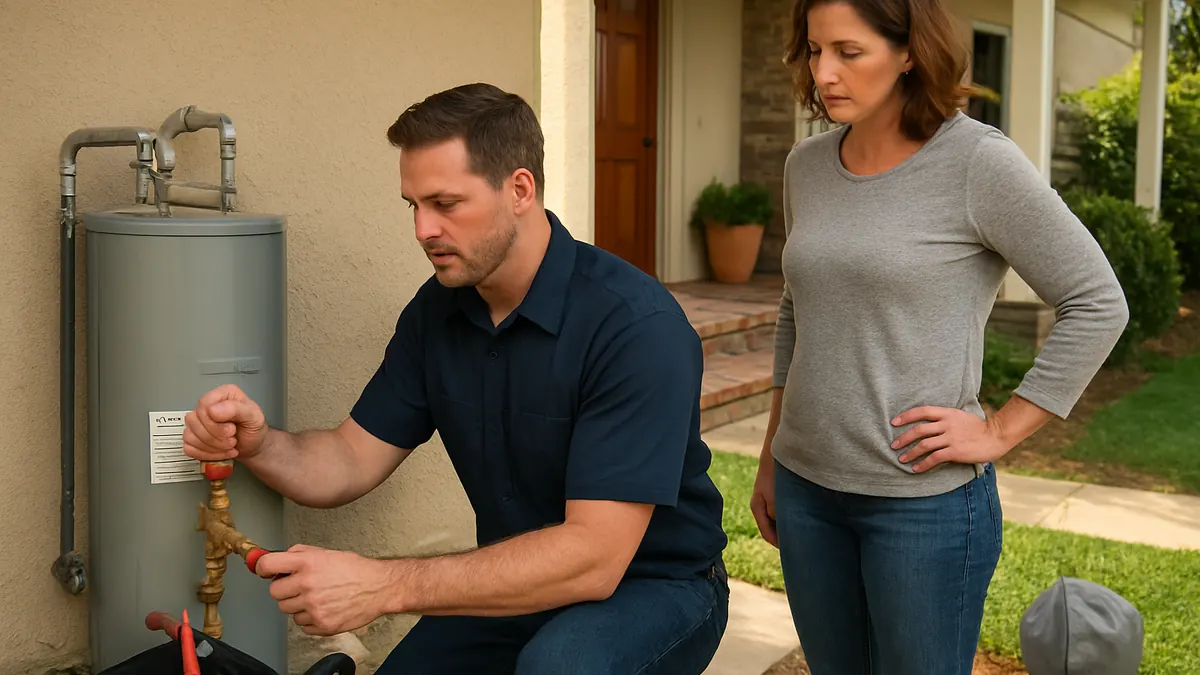
- Look around the water heater for leakage, corrosion, damaged supports, or objects blocking access.
- Never cap the temperature-and-pressure relief discharge pipe. It allows the heater to release dangerous pressure or temperature.
- Know which breaker controls an electric water heater. For gas models, do not adjust controls or attempt relighting after flood exposure or possible vent damage.
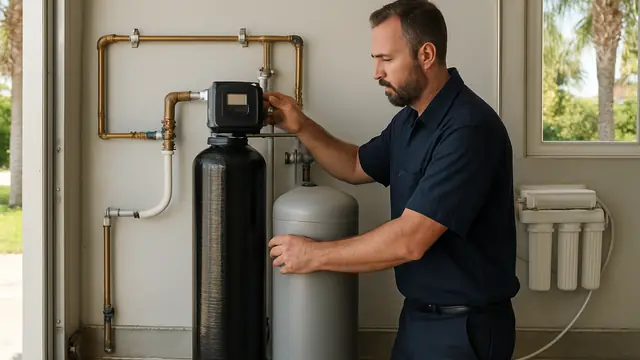
- Pumps, water softeners, filtration systems, and other powered plumbing components should remain off if they become wet. Floodwater can contaminate internal parts and damage wiring.
Safe Steps Homeowners Can Take
You can safely inspect visible plumbing, clear access to shutoffs, disconnect outdoor hoses, document equipment, and store emergency water.
Use clean, food-safe containers for drinking water. Bathtub water may be reserved for cleaning or toilet flushing, but not for drinking.
What You Should Never Attempt During Storm Preparation
- Do not climb onto the roof to inspect a plumbing vent. Do not enter a flooded crawlspace, garage, yard, or utility room where electrical hazards may be present.
- Do not open a sewer cleanout during an active backup. Do not dismantle water-heater controls, alter gas piping, bypass safety devices, or operate submerged equipment.
- Avoid temporary repairs made with materials not rated for plumbing pressure. Once conditions become dangerous, personal safety takes priority over property protection.
Signs That Make the Problem Urgent
- Close the main water valve if a supply pipe bursts and the valve is safely accessible.
- Stop using every drain if sewage appears in a toilet, tub, shower, or floor drain. Keep children and pets away from contaminated water.
- Leave the home and contact the proper emergency or utility service if you smell gas or hear hissing near gas equipment.
- A shifted or flood-exposed water heater must remain off until inspected.
How a Licensed Plumber Diagnoses the Cause
A plumber starts by identifying when the problem occurs and which fixtures are affected.
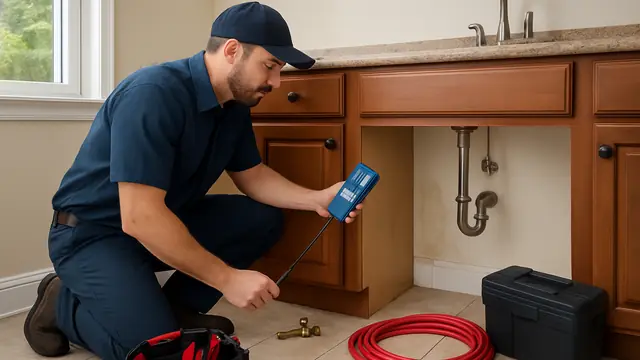
For a suspected supply leak, diagnosis may include meter testing, water-pressure checks, fixture isolation, valve inspection, and moisture detection. Thermal or acoustic tools may help locate hidden water without opening large areas unnecessarily.
For drainage problems, the plumber may test fixtures, inspect traps and vents, access the cleanout, and use mechanical equipment. A sewer camera can identify buildup, damage, offsets, or another obstruction.
Repair Options From the Least Invasive Forward
A toilet that runs may need a flapper or fill valve. A leaking connector or shutoff may be replaced individually.
A localized pipe leak may be repaired by removing and replacing only the failed section. Hidden leaks may require a small, targeted opening after diagnostic equipment narrows the location.
- A clogged fixture or branch drain may be cleared mechanically. Deeper obstructions may require camera-guided cleaning or a localized sewer repair.
- Water-heater repair may involve a valve, connection, thermostat, element, or other serviceable part. A leaking tank or flood-damaged control system may require replacement.
- Larger repiping or sewer replacement is considered when the condition is widespread, recurring, or structurally significant.
Typical Factors Affecting Cost
Cost is influenced by access, pipe material, location, equipment type, testing requirements, and the amount of damage.
A professional diagnosis should explain the least invasive reasonable repair and identify any larger work that can be planned rather than rushed.
Prevention and Maintenance Guidance
Inspect supply lines annually and replace damaged connectors promptly. Repair running toilets, recurring clogs, and unexplained pressure changes before hurricane season.
Keep shutoffs, cleanouts, and equipment accessible. After a storm, walk through the home before restoring normal water use. Check ceilings, floors, equipment, exterior piping, and the water meter. Follow all public guidance regarding water quality and boil-water notices.
Complete Your Lynn Haven Hurricane Plumbing Checklist Before Conditions Worsen
A Northwest Florida hurricane plumbing checklist in Lynn Haven should leave you with a working shutoff, dry connections, clear drains, safe equipment, and a written emergency plan. Small warning signs such as a ceiling stain, corroded valve, or running toilet deserve attention before the storm removes your margin for error.
About this guide: This resource provides general homeowner education, not a remote diagnosis. Actual conditions, code requirements, equipment, and safe repair options must be evaluated at the property.