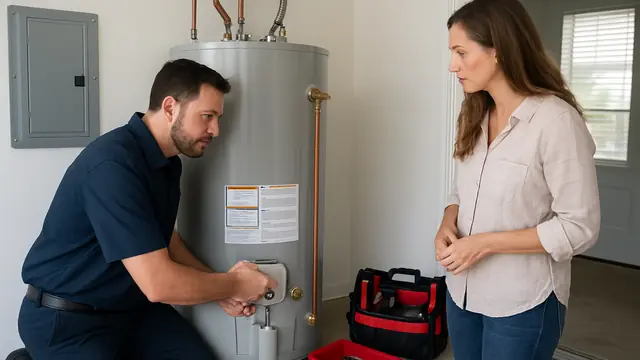
Stop and call for qualified help when plumbing water is near electrical equipment, sewage is entering occupied space, gas or burning odors are present, or a repair would require opening pressurized piping.
The first sign may be easy to overlook. A toilet needs a second flush, a shower drains more slowly after several guests use it, or a faint sewage odor appears near a bathroom and then disappears. A day later, the lowest tub begins to hold water when the dishwasher or washing machine drains. In a Rosemary Beach home or rental property, those symptoms can indicate a partial restriction in a shared drain or main sewer line.
The safest immediate step is to reduce water use. Delay laundry, dishwasher cycles, long showers, and repeated flushing. If sewage enters a shower, bathtub, floor drain, or finished area, stop using the plumbing and keep people away from the wastewater.
A sewer camera inspection allows a licensed plumber to look inside the accessible line. The inspection can show whether the problem is caused by debris, a foreign object, roots, standing water, a shifted joint, or damaged pipe. That evidence helps the plumber recommend the least disruptive reasonable solution.
Why a Partial Sewer Blockage Can Be Misleading
A partial blockage often allows some water to pass. The plumbing may appear normal when only one fixture is used and fail when several fixtures discharge close together.
Common warning signs include toilet gurgling, water appearing in the lowest shower, several slow drains, recurring sewage odors, and clogs that return after professional cleaning.
Safe Observations Before the Plumber Arrives
- Identify every affected fixture. Note whether the symptoms involve one bathroom, one floor, one side of the property, or the entire plumbing system.
- Listen for bubbling or gurgling when toilets flush, tubs drain, or the washing machine empties. Check the lowest tub or shower for rising water, but do not touch wastewater.
- Look for dampness around an exterior cleanout without loosening the cap. A line filled with sewage may release wastewater under pressure when opened.
- Write down when the symptoms occur. This helps the plumber determine whether the restriction is local or farther downstream.
What the Homeowner Should Not Do
- Do not continue running water to force the clog through. Added water can turn a partial restriction into an indoor overflow.
- Do not mix chemical drain cleaners or pour products into several drains. Chemicals may remain trapped behind the blockage and create a hazard.
- Do not use a rented cable machine without training. A sewer cable can twist, lodge in the pipe, damage a weak section, or cause injury.
- Do not remove a cleanout cap when the line may be full. Do not begin digging based only on where you think the pipe is located.
Common Findings During a Camera Inspection
Accumulated Debris
Grease, soap residue, food particles, hair, and paper can coat the pipe wall. The opening becomes smaller and catches additional material.
Wipes or Foreign Objects
Wipes, paper towels, hygiene products, toys, and cleaning cloths do not break down like toilet paper. One lodged object can become the starting point for a larger blockage.
Roots Inside the Pipe
Roots can enter through a crack or loose joint. Fine roots may appear as small strands, while a dense mass can nearly close the line.
A Shifted Joint
An offset joint occurs when two connected sections no longer align. The raised edge catches waste and may allow roots or soil to enter.
Standing Water
Standing water may indicate a low section, poor slope, or a blockage farther ahead. The plumber considers the length and depth of the water before deciding what it means.
Structural Damage
Cracks, deformation, broken sections, or collapse can restrict flow and cause repeated stoppages.
What Happens During a Sewer Camera Inspection in Rosemary Beach?
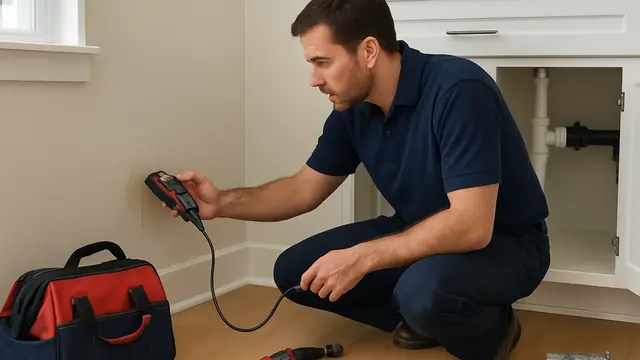
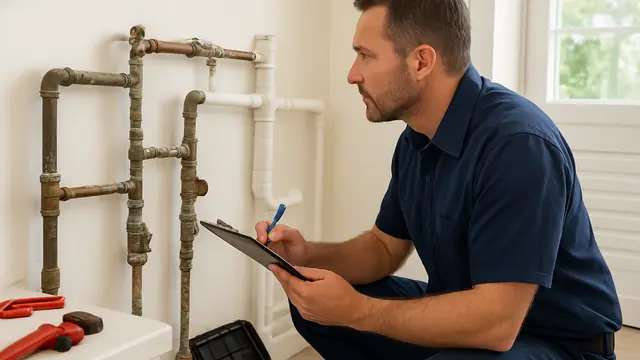
- The plumber begins by reviewing the symptoms, timing, and previous service history. This conversation helps determine the likely section of pipe and the most useful access point.
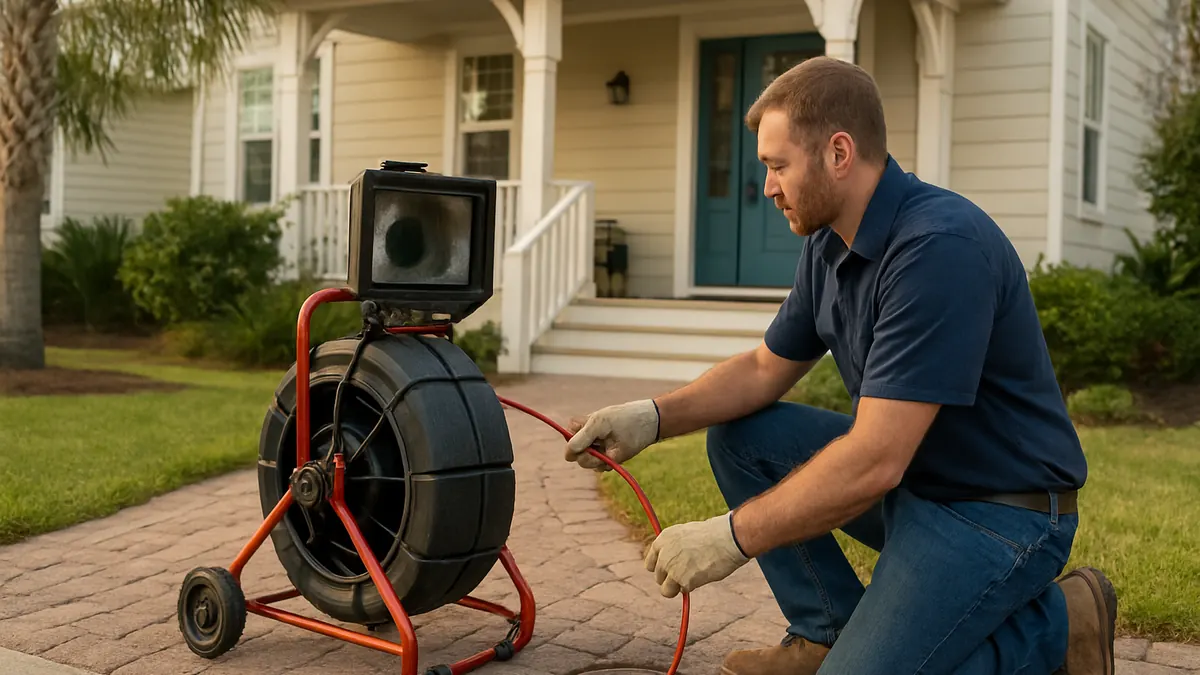
- An exterior cleanout often provides the best route into the main sewer line. If one is not available, the plumber selects another approved opening.
- A waterproof camera with built-in lighting is attached to a flexible push cable. The plumber guides the camera through the pipe while watching live footage on a monitor.
- The camera shows the visible pipe wall, joints, water level, buildup, and obstructions. Distance markings help estimate how far the camera has traveled.
Many camera heads also contain a transmitter. A locating receiver used above ground can help mark the approximate position and depth of a defect. This supports a targeted repair and can reduce unnecessary surface disturbance.
Questionable areas may be reviewed more than once so debris is not mistaken for damage.
If the line is completely blocked, cleaning may be necessary before the camera can travel through the pipe and provide a clear view.
When the Problem Becomes Urgent
- Sewage entering a shower, tub, floor drain, or living space requires prompt attention. Stop all water use connected to the affected line.
- Urgency also increases when toilets cannot be used, wastewater leaks around a cleanout, several fixtures stop draining together, or a recently cleaned line blocks again quickly.
- For an occupied rental, continued guest use can rapidly increase the amount of wastewater in the system. Early action helps limit the spread of contamination and property damage.
Repair Options Beginning With the Least Invasive
If the camera shows a removable obstruction, professional cable cleaning may restore flow. A foreign object may sometimes be retrieved.
When heavy buildup coats a structurally sound pipe, hydro jetting may be considered. This method uses controlled high-pressure water to clean the pipe wall. It is not appropriate for every weak or damaged line.
Roots may be cut to restore drainage. The opening that allowed root entry should then be repaired or monitored.
A localized crack, offset, or broken section may qualify for a spot repair. In some situations, trenchless repair may be possible depending on pipe material, layout, access, and overall condition.
Complete replacement is usually considered only when the damage is widespread, several sections have failed, or targeted repairs would not provide dependable service.
Factors That Affect Cost
Inspection cost depends on access, line length, pipe diameter, blockage severity, cleaning needs, locating work, and recorded footage.
Repair cost depends on the type, depth, location, and length of the defect. Access for equipment, pipe material, surfaces above the line, and restoration needs also affect the scope.
Prevention and Maintenance Guidance
- Flush only human waste and toilet paper. Put wipes, paper towels, hygiene products, and cleaning cloths in the trash.
- Keep cooking fats, oils, grease, and food scraps out of drains. Use strainers in sinks, tubs, and showers where appropriate.
- Address repeated slow drainage, gurgling, or sewage odors before a complete stoppage occurs. Keep camera videos and service records so future findings can be compared.
- For rental properties, provide clear flushing instructions and record each stoppage. Repeated trouble at the same distance or location can indicate a structural problem.
Schedule a Sewer Camera Inspection in Rosemary Beach
What happens during a sewer camera inspection in Rosemary Beach is a controlled diagnostic process. A licensed plumber reviews the symptoms, selects an access point, advances a lighted camera, identifies visible problems, locates important findings when possible, and explains the least invasive reasonable next step. When drainage problems return or several fixtures are affected, the inspection provides the evidence needed to make a practical repair decision.
About this guide: This resource provides general homeowner education, not a remote diagnosis. Actual conditions, code requirements, equipment, and safe repair options must be evaluated at the property.