Stop and call for qualified help when plumbing water is near electrical equipment, sewage is entering occupied space, gas or burning odors are present, or a repair would require opening pressurized piping.
What Tankless Water Heater Maintenance Actually Covers
A tankless water heater heats water as it moves through the unit rather than keeping a tank hot. That design does not eliminate maintenance. Water passages, inlet screens, sensors, and controls still need attention. Gas-fired models also have combustion and venting components, while condensing models produce condensate that must drain correctly. A service visit should address the equipment you actually own, not just provide a generic flush.
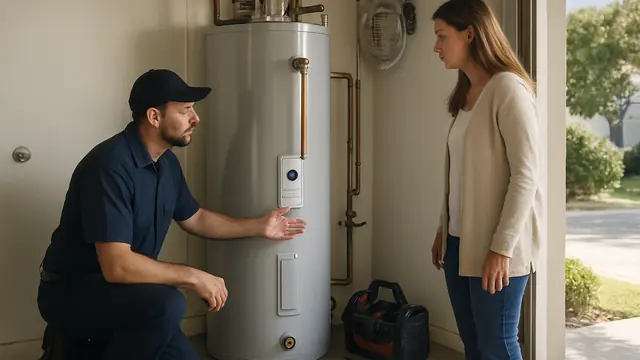
For Seagrove Beach homeowners and property managers, the first step is identifying the model, fuel type, installation location, and service history. Keep the manufacturer's manual available. Northwest Florida's humidity and coastal exposure matter for some installations, but they do not establish a universal maintenance schedule. Water chemistry, hot-water use, equipment condition, and manufacturer instructions are more useful guides than the home's ZIP code alone.
Build a Service Schedule Around Use and Manufacturer Guidance
Many tankless water heaters call for annual inspection or maintenance, but individual tasks may have different intervals. Descaling frequency depends partly on mineral content and water volume passing through the heat exchanger. A heavily occupied vacation rental may process substantially more hot water than a comparable home used occasionally. Neither a busy calendar nor a long vacancy should replace the schedule in the equipment manual.
Ask the servicing plumber to document the recommended interval and explain why it fits your unit. If maintenance records are missing, arrange a baseline inspection rather than assuming the heater is overdue for a particular chemical treatment. For rental properties, schedule planned work between reservations and allow time for testing afterward. A rushed appointment immediately before check-in leaves little room to correct a leaking connection, drainage problem, or unexpected fault.
Understand Scale Before Ordering a Flush
Calcium and magnesium in water can form deposits on heated surfaces. Inside a tankless heater, those deposits may restrict passages and interfere with heat transfer. Reduced hot-water flow, unusual operating sounds, or recurring faults can justify checking for scale, but none proves that scale is the cause. Do not assume every Seagrove Beach property has the same water hardness or needs the same treatment.
Professional descaling typically involves isolating the heater and circulating a manufacturer-approved solution through the appropriate water passages, followed by thorough rinsing and restoration of service. The product, concentration, contact time, and procedure must suit the model. This is not the same as flushing a storage tank or cleaning a whole plumbing system. Improvised chemicals, mixed cleaners, and incorrect valve positions can damage components or introduce cleaning solution into household piping.
Include Inlet Filters, Isolation Valves, and Connections
Many tankless units have a small cold-water inlet screen that catches debris before it enters the heater. A restricted screen can reduce hot-water delivery even when mineral scale is not significant. Sediment disturbed during utility work or plumbing repairs may make this check particularly useful. The technician should distinguish a clogged screen from low supply pressure, a partially closed valve, or an obstruction elsewhere in the system.
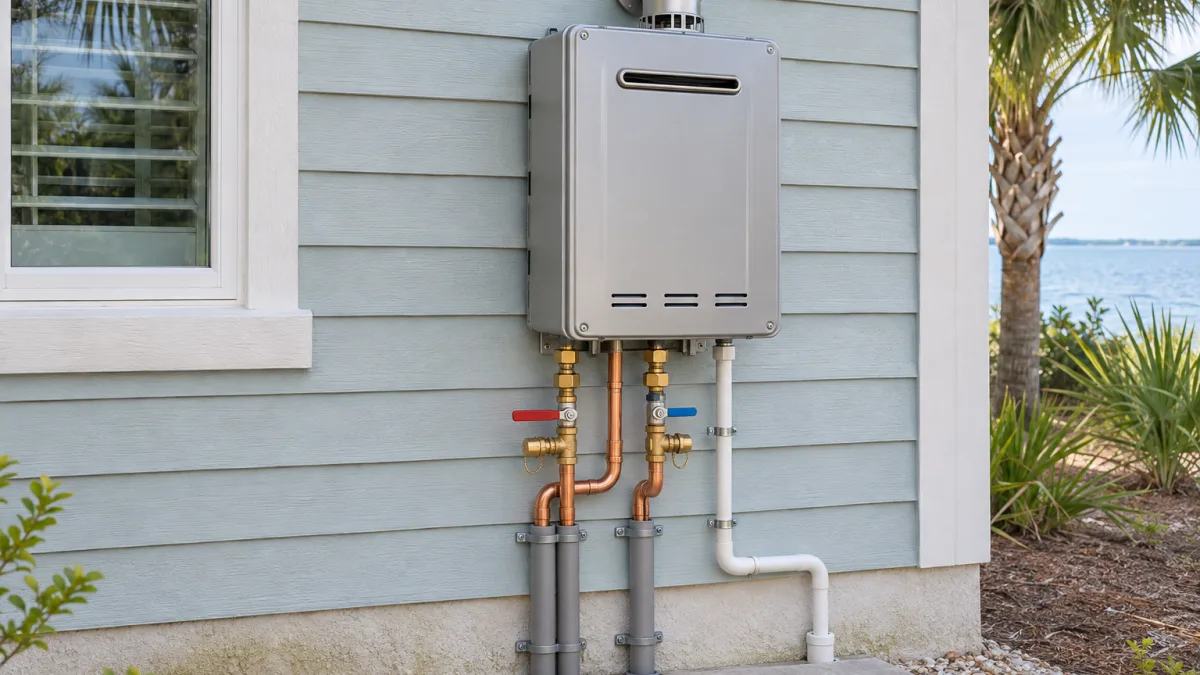
During maintenance, the plumber should also inspect accessible water connections and check the service valve assembly, if installed. These valves allow controlled isolation and connection of flushing equipment. Stiff handles, damaged caps, corrosion, and seepage deserve attention before a service procedure begins. Homeowners should not open a filter housing or service port while the unit is hot or pressurized. If suitable service connections are absent, ask how maintenance can be performed safely.
Check Gas Venting and Condensate Where Applicable
On a gas-fired tankless heater, maintenance should extend beyond the water side. A qualified technician should inspect the accessible combustion-air and exhaust arrangements, look for deterioration or blockage, and perform any operational checks the manufacturer requires. Plant growth, stored items, and outdoor debris can interfere with required clearances. Do not add screening, covers, or decorative enclosures without professional review, because they may restrict airflow or conflict with the installation requirements.
Condensing models also need a functioning condensate drain and, where installed, a maintained neutralizer or condensate pump. A blocked drain can lead to leakage or shutdowns. Neutralizer media does not last indefinitely; inspection and replacement should follow the equipment instructions and actual condition. Condensate drainage is different from a pressure-relief discharge line, and neither should be plugged or casually rerouted. Electric tankless models do not have combustion venting, so their maintenance checklist will differ.
Account for Coastal Exposure Without Altering the Equipment
Salt-laden air and persistent humidity can contribute to corrosion on exposed equipment and connections. For outdoor tankless units in Seagrove Beach, periodically look at the cabinet, mounting points, and visible piping from a safe position. Bubbling finishes, expanding rust, deteriorated insulation, or water entering the cabinet warrant evaluation. Surface discoloration does not automatically mean replacement is necessary, but it should not be ignored until a connection fails.
Keep landscaping and stored items clear according to the manufacturer's requirements. Do not pressure-wash the unit, spray chemicals into openings, paint vents, or wrap the cabinet to protect it from salt air. Those measures can damage electrical components or interfere with operation. A plumber can assess whether the installation location, weather protection, and exposed components remain appropriate. Any proposed shelter or enclosure needs to preserve service access, drainage, airflow, and required clearances.
Recognize Symptoms That Need Diagnosis, Not Repeated Resets
New error codes, repeated shutdowns, declining hot-water flow, and inconsistent operation deserve a service call. Note whether the problem affects every hot-water fixture or only one, whether it occurs during simultaneous use, and whether the cold-water flow also changes. Photograph the displayed code without removing the cover. These observations help a technician separate heater problems from fixture restrictions, supply issues, demand limitations, or recirculation-system faults.
Do not repeatedly reset a heater that keeps locking out. A reset may clear the display without resolving the condition that triggered it. Stop using the equipment and seek prompt help for active leakage, scorching, a burning smell, or unusual exhaust concerns. If you smell gas or a carbon monoxide alarm sounds, leave the building immediately and contact emergency services or the gas utility from a safe location. Do not troubleshoot the heater or operate switches inside.
Plan for Vacancies, Rental Turnovers, and Power Interruptions
A tankless heater still contains water when it is idle, and connected plumbing can stagnate during an extended vacancy. Follow manufacturer guidance for shutdown and restart, and ask a plumber about an appropriate building-wide return-to-service plan when a property has been unused for a long period. Turning up the temperature is not a substitute for that plan and can create a scalding hazard. Descaling the heater alone also does not address stagnant water throughout the home.
During rental turnovers, a simple external check can catch displayed faults, drips, or blocked access before the next guests arrive. Gas tankless units commonly need electricity for controls and ignition, so a power outage may interrupt hot water even when gas remains available. Built-in freeze protection may also depend on electricity and may not protect exposed piping. Although Northwest Florida is generally warm, ask about model-specific precautions before an expected freeze or prolonged utility interruption.
Know What a Complete Professional Visit Should Document
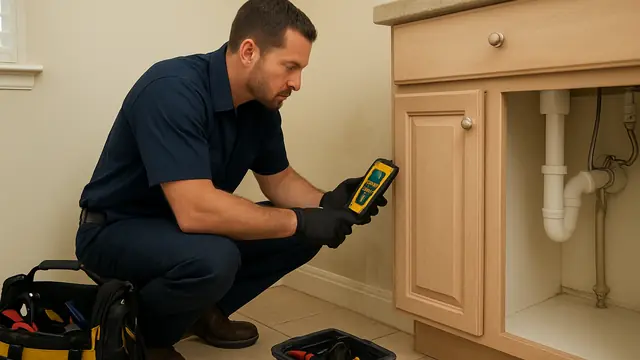
A useful maintenance appointment begins with the complaint history and the manufacturer's service requirements. The technician should inspect for leaks, assess accessible connections and filters, and determine whether descaling or further diagnosis is appropriate. For gas units, the visit should address relevant combustion, venting, and condensate components within the provider's qualifications. If electrical or gas-supply repairs are needed, those tasks require professionals qualified for that work.
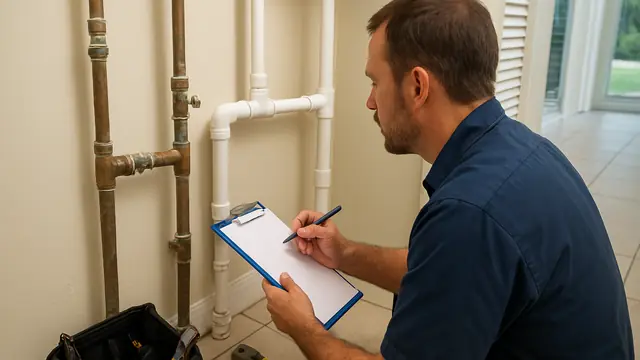
After service, the heater should be returned to its normal operating configuration and checked for leaks and proper operation. Ask for a written record of work completed, observed defects, any fault codes, and the next recommended service date. A report should distinguish preventive work from repairs still needed. If hot-water performance remains poor after cleaning, further testing is more useful than simply repeating the same flush or changing parts without supporting findings.
- Was the inlet screen inspected and cleaned if needed?
- Was descaling performed according to the model's instructions?
- Were applicable venting and condensate components checked?
- Were operation and accessible connections checked after service?
- What follow-up work or monitoring is recommended?
Keep Homeowner Care Simple and Set Clear Service Boundaries
Safe homeowner care is mainly observation, access, and recordkeeping. Keep the area unobstructed, retain the model information, and watch for changes in sound, flow, or displayed status. Record maintenance dates and water-treatment service if applicable. Do not remove the cabinet, adjust gas components, disconnect wiring, or circulate cleaning chemicals unless you are qualified to perform that work. Household familiarity with the equipment does not remove pressure, temperature, electrical, or combustion hazards.
When arranging tankless maintenance with A Superior Mechanical, provide the model number, installation location, service history, and any symptoms you have noticed. Ask what the appointment includes and whether the reported issue requires diagnostic time beyond routine maintenance. Property managers should also identify who can authorize repairs and ensure the equipment is accessible. Clear information helps the service team prepare for the actual unit and gives you a usable record for the next maintenance cycle.
About this guide: This resource provides general homeowner education, not a remote diagnosis. Actual conditions, code requirements, equipment, and safe repair options must be evaluated at the property.