Stop and call for qualified help when plumbing water is near electrical equipment, sewage is entering occupied space, gas or burning odors are present, or a repair would require opening pressurized piping.
You notice a water stain near a laundry-room wall and see flexible gray tubing entering the wall behind a valve. The pipe is dry now, but you are unsure whether it is polybutylene or a newer material. Leave the connection undisturbed, photograph the pipe and any markings, check that the main water shutoff is accessible, and schedule a licensed plumbing inspection.
Understanding how to identify polybutylene plumbing in Crestview can help you avoid two mistakes: ignoring a material that deserves attention or replacing plumbing based on appearance alone. Identification should rely on several clues, not just the color gray.
The Fastest Clues to Look For
Polybutylene is flexible water-supply tubing that may be gray, blue, black, or silver-gray. It was commonly joined with crimped fittings and may carry markings such as "PB2110."
Important clues include:
- Flexible tubing serving a sink, toilet, water heater, washing machine, or other fixture
- The letters "PB" printed on the pipe
- Crimp rings or bands at plastic or metal fittings
- Similar lines disappearing into walls, floors, ceilings, or utility spaces
- Newer pipe connected to older gray tubing
- Evidence of previous leaks or repairs near connections
One clue may be inconclusive. Several clues together justify professional confirmation.
Why Correct Identification Can Be Difficult
Only a small portion of a home's water piping is visible. New shutoff valves or fixture connectors can hide original branch lines. A remodeled bathroom may contain modern PEX while another area still contains older tubing.
Color also creates confusion. PEX and flexible connectors may be gray or white. CPVC is generally rigid and cream-colored. PVC is usually used for drains, waste, vents, or exterior piping. Gray electrical conduit may pass through the same area but will not feed plumbing fixtures.
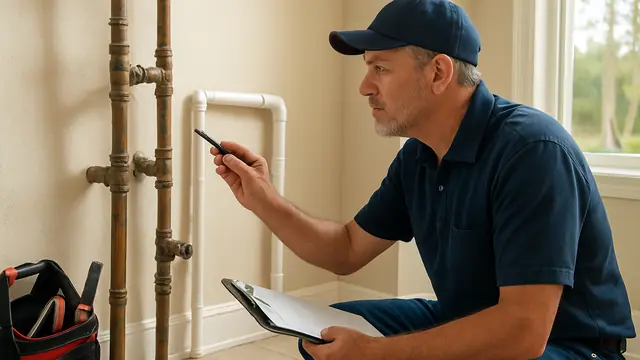
Printed markings provide stronger evidence than color. When "PB" is not visible, fitting type, pipe size, flexibility, and route become more important.
Safe Ways to Inspect Visible Plumbing
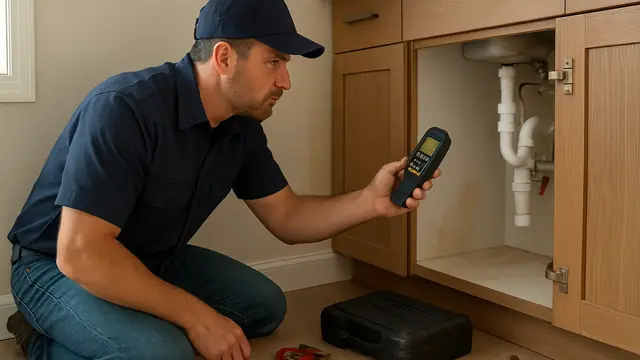
- Look only in open, dry areas: beneath sinks, near the washing-machine box, around the water heater, near utility valves, and inside existing access panels.
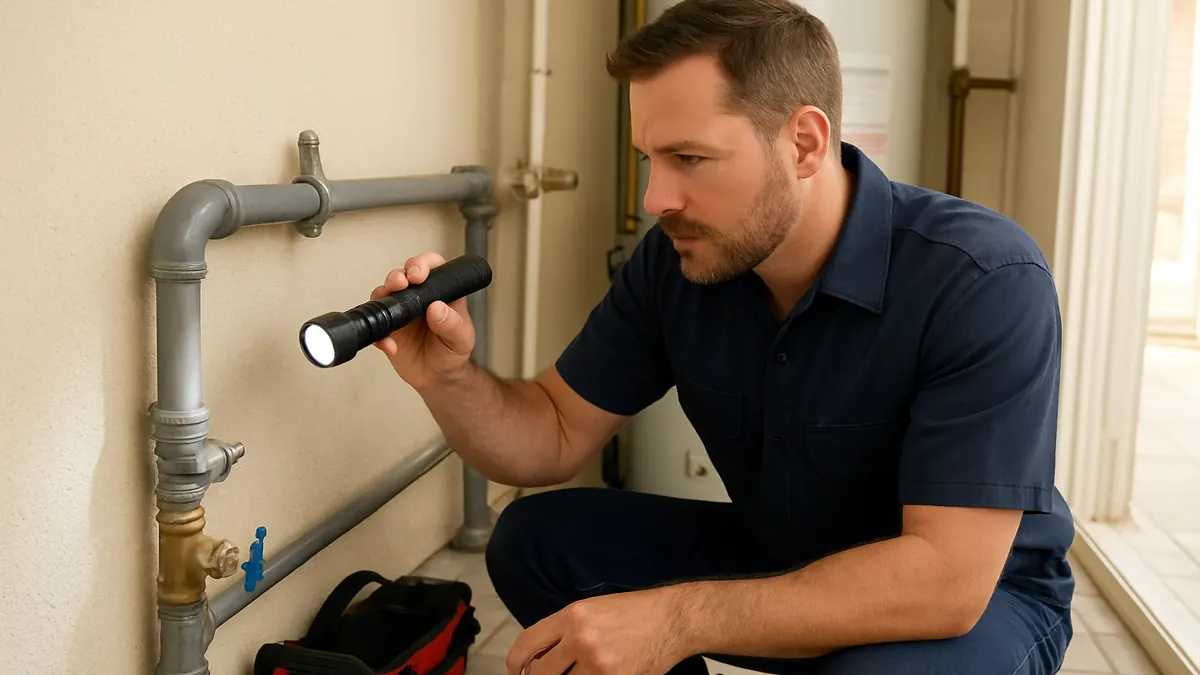
- Use a flashlight at different angles. Markings may be faint or face a wall. Take one wide photograph showing location, one of the connection, and one of any printed code.
- Compare several fixtures. If one room has PEX and another has gray tubing, note where the materials change. A transition may indicate a repair, addition, or partial repipe.
- Look for staining, damp drywall, swollen cabinets, flaking paint, soft flooring, musty odors, or corrosion around a valve.
- You may observe the water meter after all fixtures and water-using appliances are off. Unexpected movement can suggest a leak, but it does not identify the material or location.
What Not to Do During Your Inspection
- Do not pull tubing away from the wall, bend it repeatedly, squeeze it, tap fittings, or twist a valve attached to questionable piping.
- Do not scrape paint or residue from the pipe with a blade. Do not remove a crimp ring or cut a sample.
- Avoid universal repair kits unless a licensed plumber verifies compatibility. A fitting that appears to connect can still be unsuitable for the pipe, pressure, or location.
- Do not rely on an online photo comparison as final confirmation. A photograph cannot reveal hidden routing or the condition of concealed connections.
When the Situation Requires Immediate Help
- Active dripping, spraying, a wet ceiling, soft wall, lifting floor, rapidly moving water meter, or sudden pressure loss requires prompt attention.
- Water near a breaker panel, receptacle, appliance, or other electrical equipment creates additional danger. Keep clear of the wet area.
- If a ceiling is bulging or sagging, do not stand beneath it. Water can collect above drywall and cause it to fall.
- When safe, close the main shutoff to control substantial leakage. Do not force a damaged or seized valve.
- A dry suspected line is less urgent than active water damage, but repeated repairs or multiple questionable connections should move the inspection higher on your priority list.
How a Licensed Plumber Verifies Polybutylene
- A plumber reads visible markings and examines tubing size, flexibility, fittings, crimp method, and transitions to valves or modern pipe.
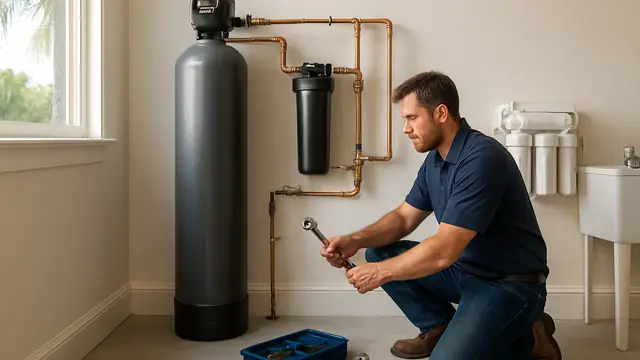
- The plumber then maps what can be reasonably determined through fixture openings, the water heater area, utility spaces, access panels, and previous repair locations.
- The inspection should answer four questions:
- Is the material actually polybutylene?
- How much of the home appears to contain it?
- Is there an active leak or hidden moisture?
- Which repair or replacement path is reasonable?
Moisture meters, acoustic leak-detection tools, thermal observations, or cameras may assist when leakage is suspected. These tools support diagnosis but cannot guarantee the future life of concealed pipe.
A good inspection separates confirmed facts from assumptions and explains what further access may be needed.
Repair Options Beginning With the Smallest Reasonable Step
Identification and Documentation
If no leak is present, begin with confirmation, photographs, mapped locations, and a written recommendation.
Compatible Repair of One Failure
A leaking connection may be removed and transitioned to approved modern pipe. This can restore service, but remaining polybutylene should still be evaluated.
Replacement of an Isolated Run
If the material serves one defined fixture group or accessible area, replacing that run may solve the actual problem without unnecessary work elsewhere.
Planned Partial Repiping
A larger system may sometimes be divided into sections based on access and priority. Completed and remaining areas should be documented.
Complete Supply-Pipe Replacement
When polybutylene is widespread, has leaked in several areas, or requires numerous transitions, complete repiping may be the most practical long-term choice. The proposal should specify material, routing, fixture connections, testing, access, permits when applicable, and finish restoration.
Typical Factors That Affect Cost
- Cost depends on fixture count, pipe length, number of levels, accessibility, routing, replacement material, valve condition, transitions, and wall or ceiling work.
- Other factors include occupied-home protection, built-ins that limit access, permit requirements, and whether drywall, paint, trim, or other finishes are included.
- Ask each contractor to state what is included and excluded so you are comparing the same scope.
Prevention and Maintenance After Identification
- Keep the main shutoff labeled and unobstructed. Consider water alarms near the water heater, washing machine, and beneath frequently used sinks.
- Check visible connections periodically without touching them. Investigate stains, odors, pressure changes, or unexplained water use promptly.
- Maintain records of inspection photos, repair dates, materials, and locations. During remodeling, request photographs before walls are closed.
- If polybutylene remains in service, create a written monitoring or replacement plan. Planned decisions are easier than emergency decisions.
Confirm the Material and Make a Practical Plan
Learning how to identify polybutylene plumbing in Crestview begins with PB markings, flexible tubing, crimped fittings, mixed materials, and repair history. Safe observation can gather useful information, but it should not involve bending, cutting, or testing old connections.
Once the material and its extent are confirmed, you can choose the least invasive reasonable response-from documentation or an isolated repair to phased or complete repiping. Make that decision with a clear diagnosis rather than waiting for hidden water damage.
About this guide: This resource provides general homeowner education, not a remote diagnosis. Actual conditions, code requirements, equipment, and safe repair options must be evaluated at the property.