Stop and call for qualified help when plumbing water is near electrical equipment, sewage is entering occupied space, gas or burning odors are present, or a repair would require opening pressurized piping.
You open the cabinet beneath a bathroom sink and notice flexible gray tubing instead of copper or rigid white pipe. Maybe a home inspector mentioned "possible polybutylene," or a small leak has appeared near a plastic fitting. The safest immediate step is not to tug, bend, cut, or test the pipe. Take clear photos, locate the main water shutoff, and arrange for a licensed plumber to confirm the material.
Learning how to identify polybutylene plumbing in Destin requires more than noticing color. Markings, fittings, installation patterns, previous repairs, and concealed connections all help determine what is present and what should happen next.
What Polybutylene Plumbing Is
Polybutylene is a flexible plastic water-supply pipe installed in many homes during past decades. It may be gray, blue, black, or silver-gray and may run through walls, ceilings, cabinets, garages, or utility spaces.
The most useful identifying mark is often "PB" followed by numbers, commonly "PB2110." Printing may repeat along the tubing, although paint, dust, insulation, or limited access can hide it.
Polybutylene can be confused with PEX, CPVC, fixture connectors, or gray electrical conduit. A plumber considers the entire installation rather than color alone.
Common Signs the Pipe May Be Polybutylene
Gray Flexible Supply Tubing
Polybutylene often curves around framing instead of using an elbow at every turn. Visible sections may appear beneath sinks, near the water heater, above an access panel, or where the water line enters the home.
PB2110 or Similar Markings
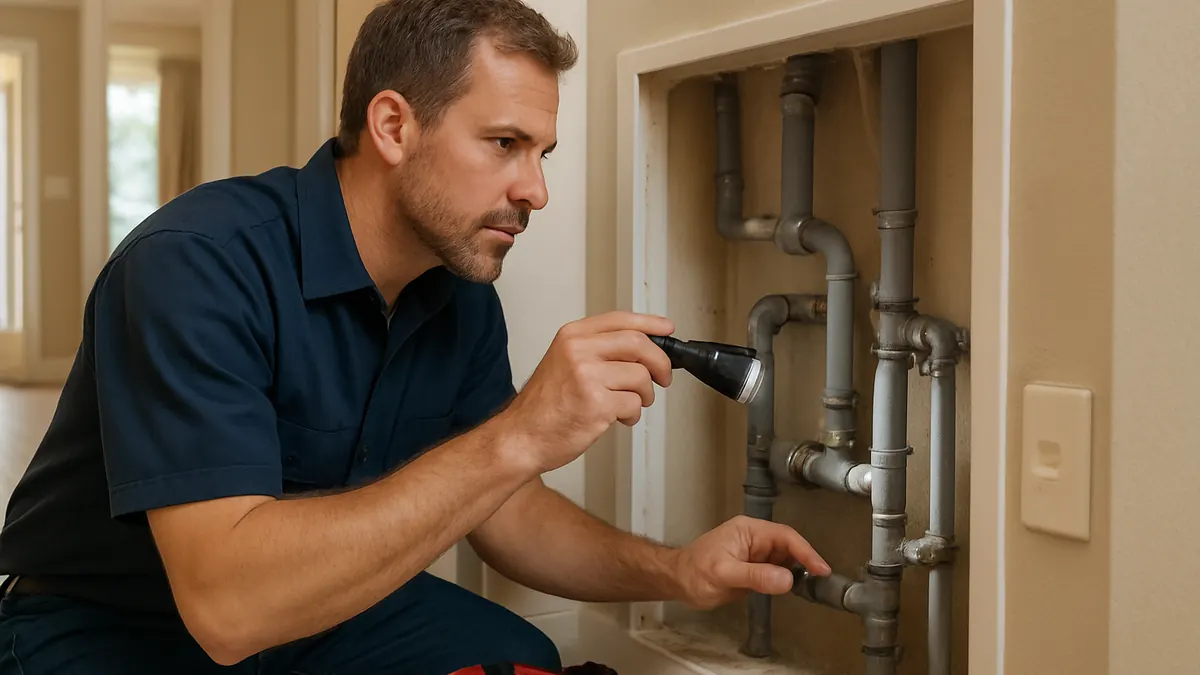
Use a flashlight to inspect an undisturbed section. Printing may include "PB," a standard number, manufacturer information, or pressure ratings. Do not scrape the pipe to expose lettering.
Crimped Connections
Older systems may have plastic or metal fittings with copper-colored rings or aluminum bands. The fitting style does not prove the material, but it is an important clue.
Mixed Old and New Materials
A remodeled kitchen or bathroom may have new PEX, CPVC, or copper visible near fixtures while original polybutylene remains behind walls or ceilings.
Evidence of Previous Leaks
Patched drywall, cabinet swelling, staining, corrosion near fittings, or short replacement sections may show that parts of an older system have already leaked.
Safe Checks a Homeowner Can Perform
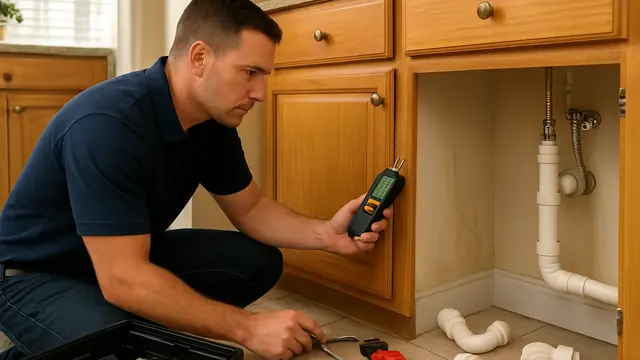
Inspect only accessible areas: beneath sinks, around the water heater, near washing-machine connections, and at visible plumbing entry points. Use a flashlight and phone camera instead of pulling the pipe toward you.
- Look for printed markings and photograph them from several angles. Compare more than one location because a single gray connector may not represent the whole system.
- Locate the main water shutoff and make sure household members know where it is. Do not force a valve that is stuck or corroded.
- Watch for moisture rather than testing the pipe. Look for damp drywall, musty odors, peeling paint, unexplained water-meter movement, or reduced pressure.
What You Should Not Attempt
- Do not bend the pipe sharply, squeeze fittings, twist old connections, remove crimp rings, or tighten plastic parts. Disturbing an aged connection can create an active leak.
- Do not make random wall openings without knowing what plumbing, electrical wiring, or framing may be behind the surface.
- Avoid glue, epoxy, tape, clamps, or generic fittings as permanent repairs. Correct repairs require compatible materials and proper transition methods.
- Do not assume that replacing one visible gray section solves the entire concern. Most of the piping may be concealed.
Signs That Make the Problem Urgent
Prompt professional attention is needed for active dripping, wet drywall, sagging ceilings, water near electrical equipment, sudden pressure loss, a rapidly moving water meter, or repeated leaks in different rooms.
If water is escaping quickly, shut off the main supply only if the valve is accessible and safe to operate. Keep people away from wet ceilings and electrical hazards.
A dry pipe is not the same emergency as an active leak, but confirmed polybutylene still deserves documentation and a plan.
How a Licensed Plumber Diagnoses It
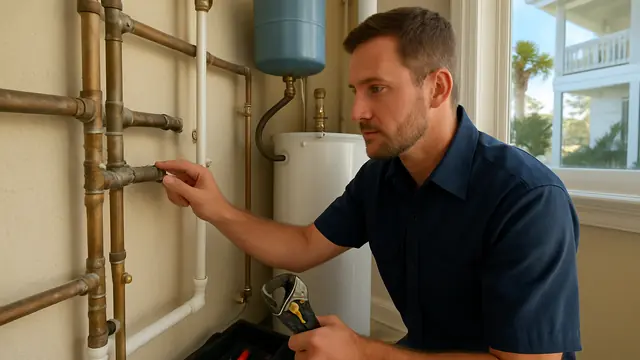
A licensed plumber visually inspects accessible tubing, fittings, markings, transitions, and previous repairs. The inspection may include areas under fixtures, around the water heater, at distribution points, and where the service line enters the structure.
The plumber then determines the extent. Is the material limited to one branch, or does it continue through concealed areas? Are visible fixture connections new while older pipe remains behind them?
Moisture meters, pressure observations, leak-detection tools, or cameras may help evaluate damage and routing. The plumber should also check the shutoff valve, repair history, access conditions, and practical replacement paths.
Repair Options From Least to Most Invasive
Documented Inspection
When no active leak exists, the first step may be photographs, identified locations, shutoff information, and a written recommendation.
Isolated Leak Repair
A plumber may stop a specific leak with an approved transition to modern pipe. This protects the home immediately but does not renew the remaining system.
Accessible Section Replacement
If polybutylene is limited to an exposed run or isolated branch, replacing that section may be reasonable after confirming hidden piping is not being overlooked.
Phased Repiping
Replacement can sometimes be completed in planned stages. The phases should follow a documented map so older sections are not forgotten.
Complete Repiping
When polybutylene is widespread, repeatedly leaking, or concealed throughout the home, complete repiping may be the most dependable long-term solution. The proposal should explain materials, routing, fixture connections, access, testing, permits when applicable, and finish repairs.
Typical Factors Affecting Cost
Cost depends on the amount of piping, number of fixtures, number of stories, accessibility, replacement material, routing choices, shutoff condition, transition fittings, permit requirements, and drywall or finish restoration.
An exposed repair generally requires less labor than replacing concealed piping throughout a finished home. An on-site inspection is necessary for a meaningful scope and estimate.
Prevention and Maintenance Guidance
Keep the main shutoff accessible. Consider water-detection alarms near the water heater, washing machine, and sinks. Monitor bills for unexplained increases and investigate stains or damp odors early.
Do not store items against piping or fittings. During remodeling, photograph exposed plumbing before walls are closed. Keep records of repairs, materials, and locations.
If polybutylene is confirmed, create a replacement plan even when the system is dry. Planning gives you time to compare options and coordinate access.
Know What Is in Your Home Before a Leak Decides for You
Knowing how to identify polybutylene plumbing in Destin begins with careful visual clues, not aggressive testing. Look for flexible gray tubing, PB markings, crimped fittings, mixed materials, and previous repairs. Then have a licensed plumber confirm the material and explain how much of the system is affected.
The right next step may be documentation, an isolated repair, partial replacement, or complete repiping. Accurate information allows you to act before water damage determines the timing.
About this guide: This resource provides general homeowner education, not a remote diagnosis. Actual conditions, code requirements, equipment, and safe repair options must be evaluated at the property.