As more Springfield homeowners switch to electric vehicles, the home charging setup matters just as much as the car itself. A properly planned EV charger installation can save time, reduce strain on your electrical system, and help you avoid the kind of issues that turn a simple upgrade into a bigger repair. In a coastal Florida area like Springfield, where storms, humidity, and older wiring can all affect electrical performance, the details matter.
If you are comparing options for EV charger installation in Springfield, FL, it helps to understand what your panel, wiring, outlets, and grounding system need before the charger ever goes on the wall. The right setup is about safety first, then convenience, then long term reliability.
Why EV charging puts new demands on Springfield homes
Most electric vehicles can charge from a standard outlet, but that slow charging method is not always practical for daily driving. Many homeowners eventually choose a Level 2 charger because it charges faster and handles regular use better. That upgrade sounds simple, but it can place a heavy continuous load on the home electrical system.
In Springfield and across Bay County, homes range from older properties with smaller panels to newer builds with more capacity and modern breaker layouts. Remodels, room additions, detached garages, and updated kitchens can all change how power is distributed. If the electrical system was already close to capacity, adding an EV charger may expose weak points in the panel, wiring, or grounding.
That is why local electrical service matters. A Springfield electrician understands how coastal weather, moisture, and storm related outages can affect equipment over time. If you are already searching for an electrician in Springfield, FL, it is smart to choose someone who can look at the whole system, not just the charger itself.
Panel capacity is usually the first question
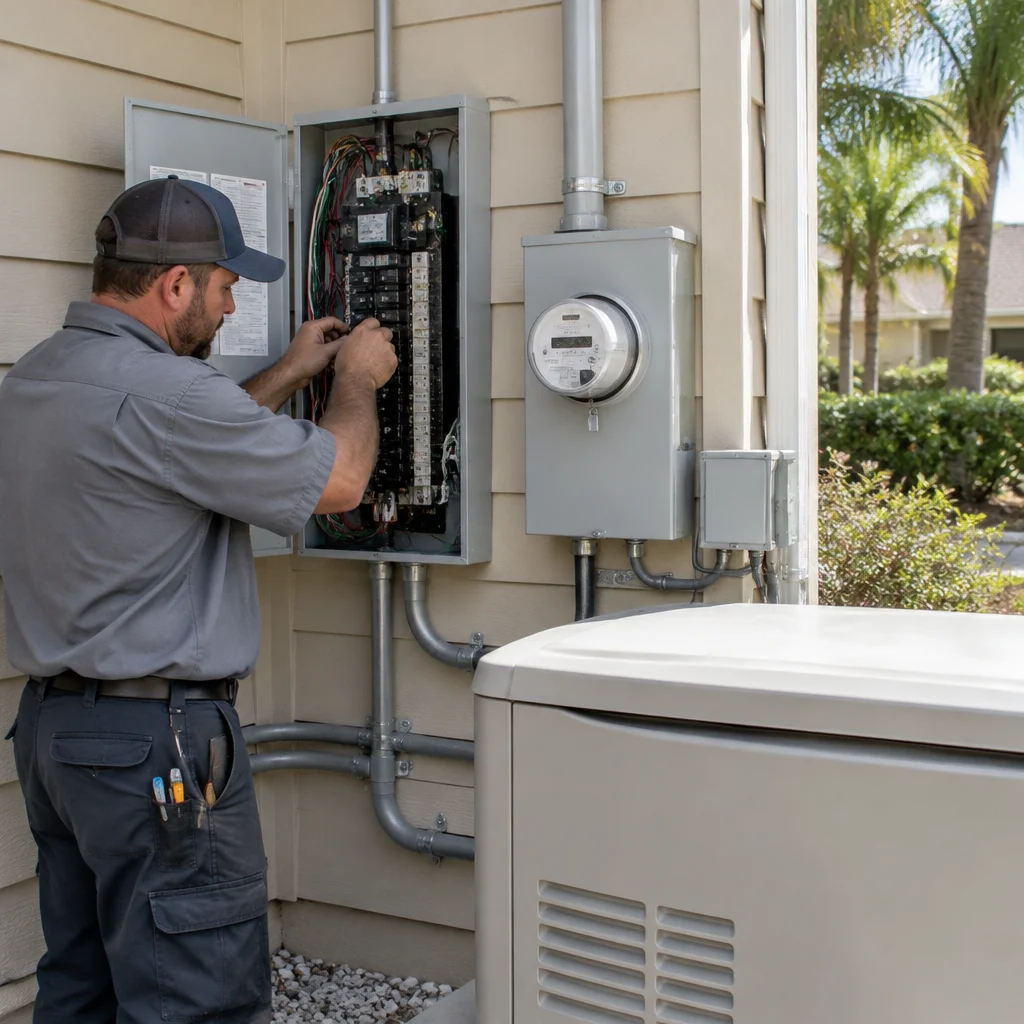
Before installation begins, the panel should be checked for available space, available amperage, and overall condition. A charger may need a dedicated 240 volt circuit, and that circuit must be sized correctly for the charger model and the home’s service rating. In some houses, the panel has room but not enough spare capacity. In others, the panel is outdated, crowded, or showing signs of wear that make a panel upgrade the better move.
Common warning signs include frequent breaker trips, warm panel covers, buzzing sounds, rust or corrosion, and breakers that feel loose or fail to stay set. If those issues are already present, an EV charger should not be added until the panel is evaluated. Sometimes homeowners searching for electrical panel upgrade near me are really dealing with a larger service problem that also affects appliances, lighting, ceiling fans, and outlet performance.
Older Springfield homes may also have fuse boxes or undersized service equipment that no longer fits modern demand. In those cases, a fuse box replacement or service upgrade may be necessary before the EV charger can be installed safely.
What a panel check should include
A proper inspection should review the main breaker size, the condition of branch breakers, grounding and bonding, available breaker spaces, and the load from existing appliances. Electric dryers, electric water heaters, HVAC systems, pool equipment, and kitchen circuits can all affect how much room is left for an EV charger. A home safety inspection electrician can help identify whether the panel is ready or whether code corrections are needed first.
Wiring, circuits, and outlets need to match the charger
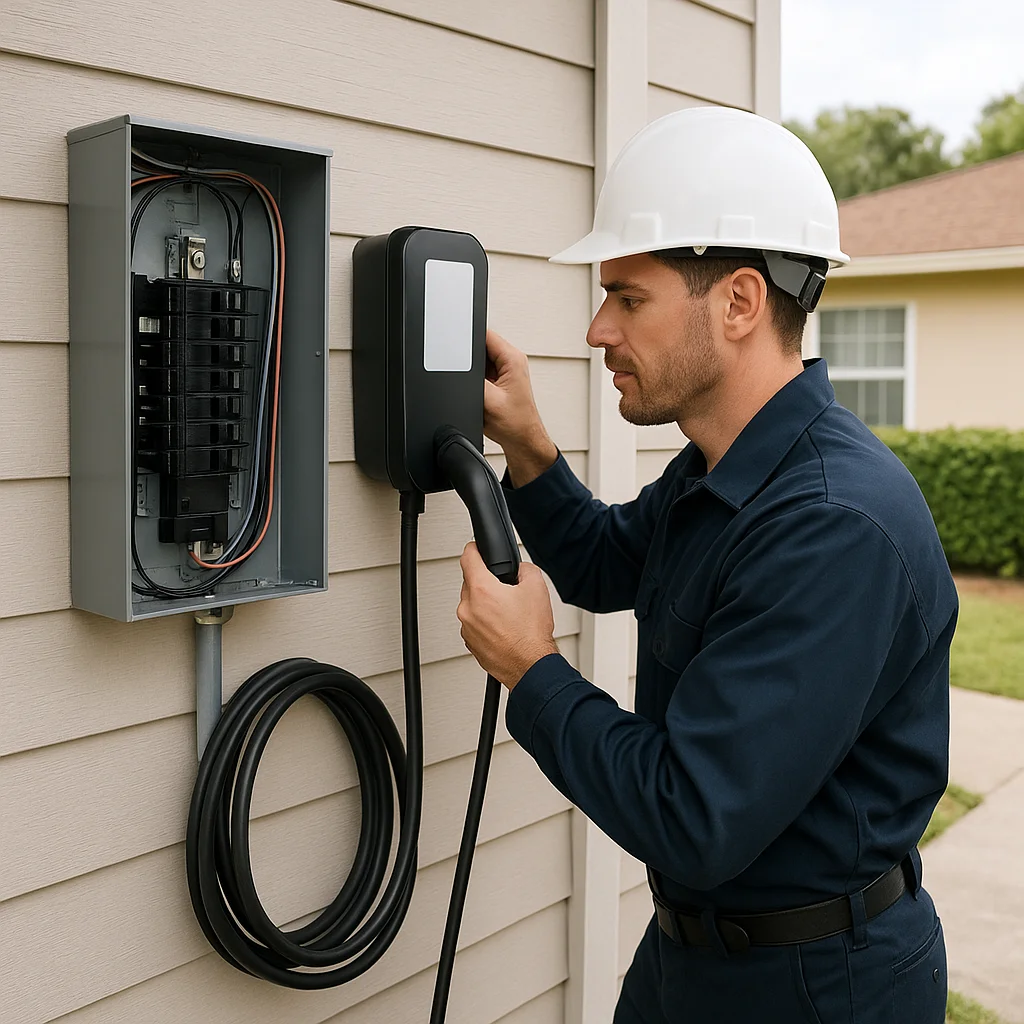
An EV charger should not be treated like a regular appliance. It is a continuous electrical load, which means the circuit and wiring must be sized for long run times without overheating. That often means installing a dedicated circuit from the panel directly to the charger location. In a garage or on an exterior wall, the route may need new conduit, updated wire sizes, and weather resistant fittings.
For some homes, the charger can be hardwired. For others, a receptacle based setup may make sense. Either way, the outlet must be rated for the load and installed with proper GFCI protection where required. A standard receptacle that was fine for a tool or vacuum is not always appropriate for a charger that runs for hours at a time.
If you have been looking for garage ev charger wiring near me or electric car charger installation near me, it is usually because the charger location needs more than a simple plug swap. The wiring has to be matched to the panel, breaker, and charger manufacturer specifications. That is also true for other high demand projects like spa wiring, appliance circuit installation, and home rewiring near me searches that point to overloaded circuits.
Why dedicated circuits matter
A dedicated circuit keeps the EV charger from sharing power with lights, outlets, or garage equipment. Sharing a circuit can cause nuisance trips, overheating, or inconsistent charging. Dedicated circuits also make troubleshooting easier if something fails later. If a breaker trips, the electrician can isolate the charger instead of hunting through multiple connected loads.
This same logic applies to other home electrical upgrades. If a homeowner already needs outlet repair, lighting installation, or electrical wiring repair near me, the condition of the existing circuit should be reviewed before another major load is added.
Outlets, GFCI protection, and weather exposure
Springfield homes face hot summers, heavy rain, and storm season, which means outdoor electrical equipment needs extra protection. If the charger is installed outside or in a partially exposed area, the receptacle, enclosure, and wiring method must be rated for the environment. Moisture, salt air, and wind driven rain can wear down weak connections faster than many homeowners expect.
GFCI protection may be required in certain locations, especially where outlets are exposed to moisture. Even when a charger is hardwired, the surrounding electrical setup still needs to meet code and manufacturer requirements. A loose cover, cracked receptacle, or corroded connection can create heat, nuisance shutdowns, or a shock hazard.
When an outlet repair near me search points to a bigger wiring issue, that is often because the outlet itself is only part of the problem. The box, breaker, wire size, and grounding system all need to work together. This is especially important in garages, carports, and outdoor parking areas where EV charging usually happens.
Grounding, surge protection, and storm readiness
Florida storms can bring power surges, lightning strikes, and utility interruptions. A home that charges an EV regularly should have solid grounding and surge protection in place. Whole home surge protection can help reduce damage to the charger, panel, and other electronics during voltage spikes. That protection is especially useful in homes with smart thermostats, connected lighting, security systems, and appliances with sensitive controls.
If the home has had recent storm damage, flickering lights, tripped breakers, or a burning smell, do not wait to investigate. A burning smell electrical repair near me search usually points to heat, arcing, or failing insulation that needs immediate attention. In those situations, emergency electrical services may be necessary before any charger installation can move forward.
Grounding should also be reviewed during the installation. A charger depends on stable, safe electrical paths, and grounding helps protect both people and equipment if a fault occurs. If the grounding system is weak or outdated, the electrician may recommend code corrections before installing the charging equipment.
Older homes, remodels, and additions need extra planning
Springfield has plenty of homes that have been updated over the years. Some have new kitchens but older service equipment. Others may have room additions, detached garages, or converted spaces that were wired at different times. Those changes can create mixed wiring conditions that are not obvious until an electrician opens the panel and starts tracing circuits.
That is why an EV charger project often turns into a broader electrical review. A panel that looks fine on the surface may still have outdated breakers, undersized conductors, or poor circuit labeling. In homes with old wiring replacement near me concerns, the charger may be the upgrade that finally reveals the need for house rewiring near me or a larger electrical repair plan.
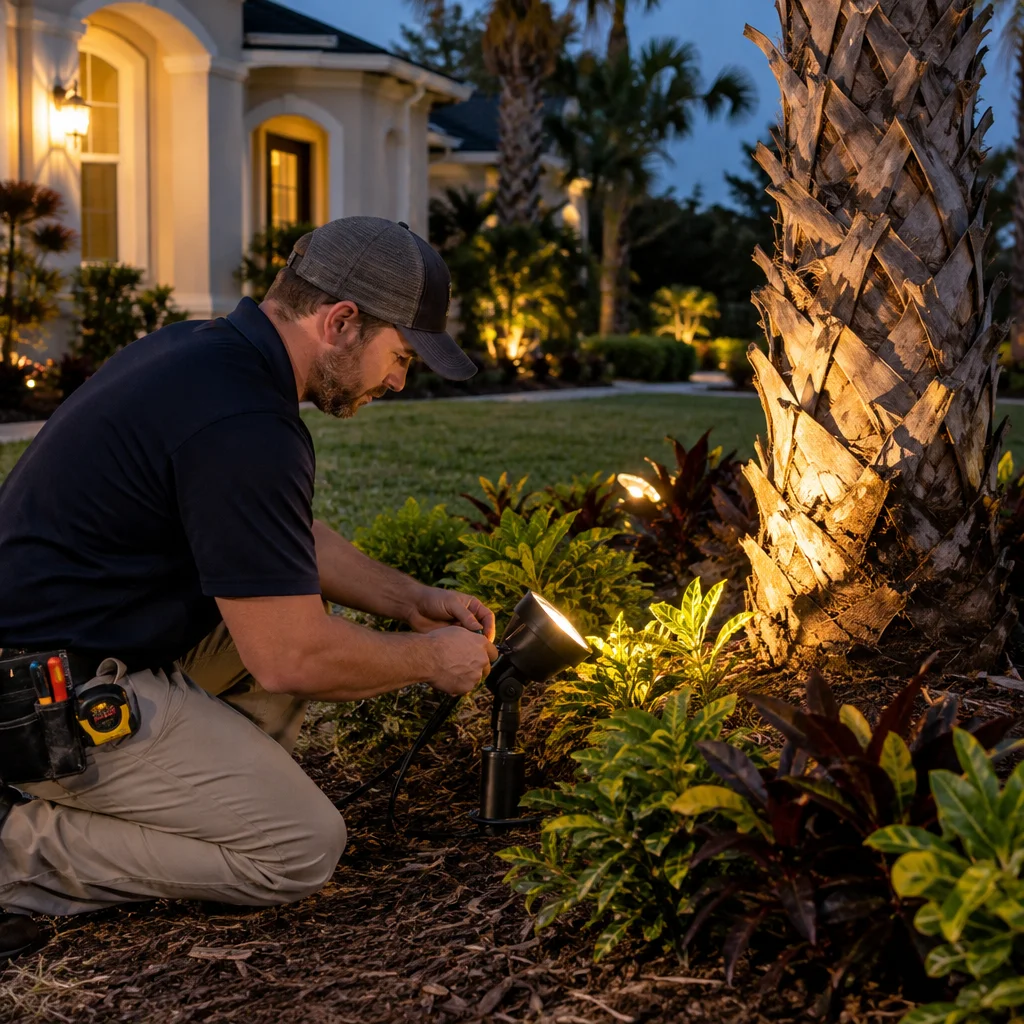
For homeowners planning future improvements, it can also make sense to coordinate the charger with lighting installation, ceiling fan wiring, smart home integration, or security lighting installation near me requests. Doing multiple electrical improvements together can reduce labor duplication and help the system work more efficiently.
How a professional installation helps prevent problems later
A quality EV charger installation is not just about getting power to the vehicle. It is about preventing heat buildup, overloaded circuits, damaged outlets, and repeated breaker issues. A licensed electrician can size the breaker, confirm wire gauge, verify load calculations, and make sure the installation meets local code requirements in Bay County.
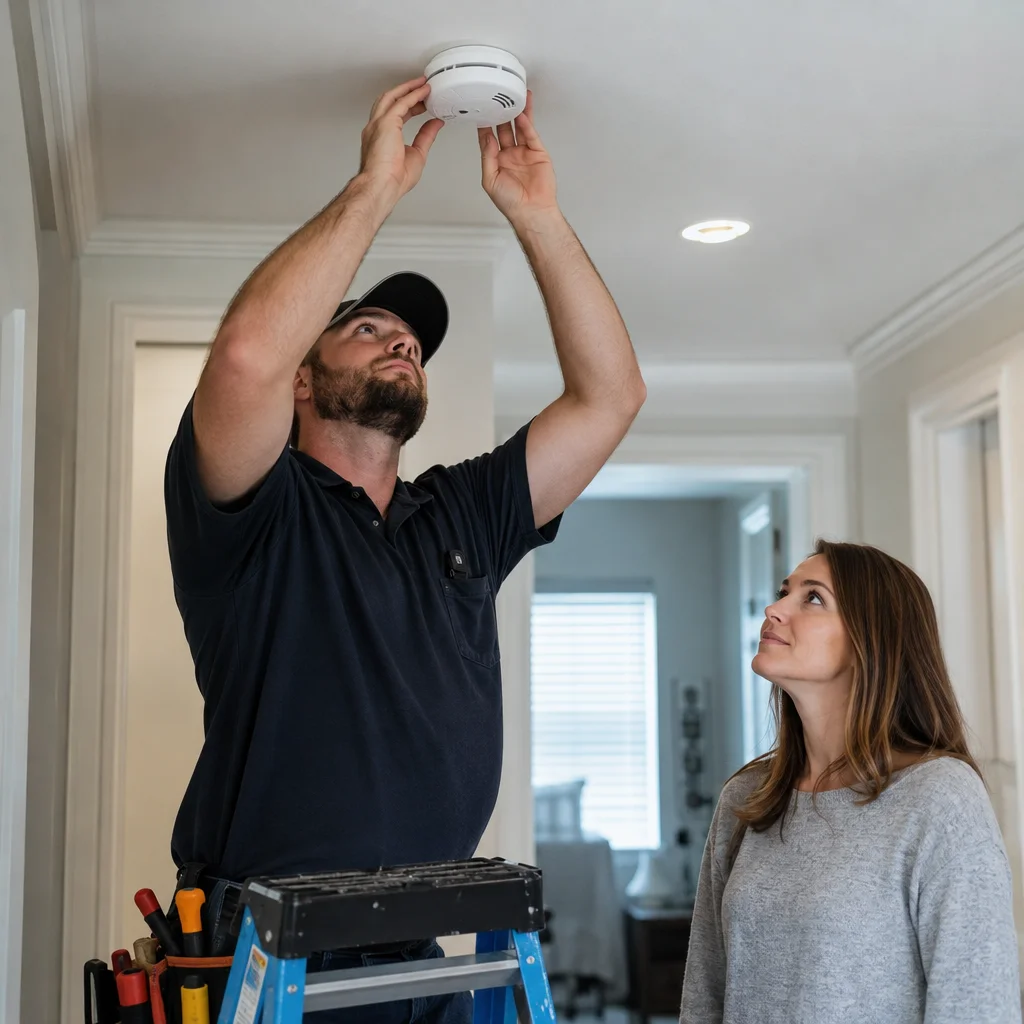
That matters for homeowners who want dependable charging without sacrificing other parts of the home’s electrical system. If the charger is added correctly, the lights stay stable, the breaker panel stays cooler, and the home is less likely to experience unexpected shutdowns. That same careful approach also helps with generator installation, smoke detector installation, and security system wiring projects that depend on safe power distribution.
For some households, a smart charger can also be integrated with smart home controls to schedule charging during lower demand hours. That can be useful when energy use is high in the summer and the home already has air conditioning, appliances, and other loads running. If you are considering smart features, smart home integration in Springfield can make the charging setup more convenient.
When an EV charger project should pause and turn into repair work
Not every home is ready for charger installation right away. If the electrician finds damaged breakers, overheated conductors, a failing meter base, or corrosion inside the panel, those issues should be corrected first. A meter base repair near me search can be a clue that service equipment has moisture or wear damage that should not be ignored. The same is true if the home has repeated outages, inconsistent voltage, or breakers that trip under normal use.
If the garage or exterior wall already has damaged wiring, the fix may need to happen before the charger is installed. That is especially true in homes with older receptacles, loose switches, or evidence of past DIY work. In some cases, the safest answer is an electrical inspection followed by targeted repairs, then the EV charger once the system is ready.
Homeowners who want one contractor to handle both the charger and the rest of the electrical system often appreciate working with a team that can also help with power outage electrician near me calls, code correction electrician near me issues, and local maintenance for panels, outlets, and lighting.
Why local electrical service is worth it in Springfield
Springfield homes deal with a mix of older construction, newer upgrades, humid weather, and storm related electrical stress. That combination makes local knowledge valuable. A charger installed correctly in Bay County should fit the home’s actual load, the local code requirements, and the realities of Florida weather. It should also be installed in a way that protects the rest of the home’s electrical system, not just the vehicle battery.
Whether you are planning a garage charger, an exterior charging station, or a larger electrical upgrade that includes breakers, outlets, or panel work, the safest path starts with an evaluation from a qualified electrician. If your project also includes additions, commercial property needs, or future EV charging expansion, Bay County electrical service can help keep the work consistent across the property.
For homeowners comparing options and looking for a dependable electrician near me, the best approach is to start with the panel, check the wiring, confirm the outlet or hardwired setup, and make sure the installation is built to handle everyday charging plus Florida weather. That is how an EV charger becomes a long term upgrade instead of another source of electrical trouble.
In homes where the electrical system is already showing wear, it may also be wise to schedule an inspection before the charger goes in. That can uncover hidden issues with breakers, grounding, GFCI protection, or aging conductors before they turn into a costly repair later.
Find EV Charger Installation in Springfield, FL
If you need EV Charger Installation in Springfield, FL, visit our local service page or contact A Superior Mechanical today.
Map of Springfield, FL
Frequently Asked Questions
Do I need a panel upgrade for EV charger installation in Springfield, FL?
Not always, but many homes do need one. A licensed electrician should check available capacity, breaker space, and the condition of the panel before installing a Level 2 charger. Older homes, remodels, and properties with multiple large appliances are more likely to need an upgrade.
Can an EV charger use an existing outlet?
Sometimes a charger can plug into a properly rated receptacle, but many installations need a dedicated circuit or a hardwired setup. The outlet, wiring, and breaker must match the charger’s electrical load and local code requirements.
Why does my EV charger keep tripping the breaker?
Frequent breaker trips can point to an undersized circuit, loose wiring, a failing breaker, or a panel that is already overloaded. In some cases, the charger itself is fine, but the home electrical system needs repair or a load calculation first.
Is surge protection worth it for home EV charging?
Yes. In Springfield’s storm prone climate, whole home surge protection can help protect the charger, panel, and connected electronics from lightning related spikes and utility surges. It is a smart add on for many homes.
Related Articles
- How Electrical Wear and Tear Shapes Inspections and Code Updates in Springfield Homes
- A Springfield Homeowner’s Guide to Smarter Water Heater Installation and Fewer Plumbing Surprises
- Why Clean Water Services Matter Before Small Plumbing Problems Turn Costly in Springfield, FL
- Staying Ahead of Pipe Problems in Springfield Homes Starts with the Right Replacement Plan
Photo Gallery