Indoor lighting does a lot more than brighten a room. In Wright, FL, it also reflects the condition of the home’s electrical system. When panels age, wiring loosens, breakers weaken, or circuits carry more demand than they were designed for, the first clue is often a light that flickers, dims, buzzes, or stops working altogether. For homeowners, landlords, and property managers, those lighting changes can point to bigger electrical wear and tear that should not be ignored.
Homes across Wright and the rest of Okaloosa County face a mix of coastal humidity, summer storms, heavy air conditioning loads, and the electrical demands that come with remodels, additions, and modern appliances. That combination can be hard on older panels, switches, outlets, and lighting circuits. If you have been searching for an indoor lighting service in Wright, FL, it helps to understand how the rest of the electrical system affects what you see every day inside the house.
Why lighting issues often start deeper in the electrical system
Indoor lighting problems are not always about the fixture itself. A ceiling light may look like the issue, but the real cause could be a loose neutral, an overloaded circuit, a failing breaker, or old wiring hidden behind the walls. In many Wright homes, especially older ones and homes that have been remodeled over time, lighting circuits were never designed for today’s power needs.
That is why a light that flickers in one room may be connected to a broader electrical problem. A breaker that trips when several lights and a ceiling fan run together may be telling you the circuit is overloaded. A dim room may be caused by voltage drop from aging wiring. And a fixture that works only sometimes may be tied to a worn switch, a loose connection, or a panel that needs attention.
Common electrical wear and tear that affects indoor lighting
Several parts of the electrical system can influence lighting performance:
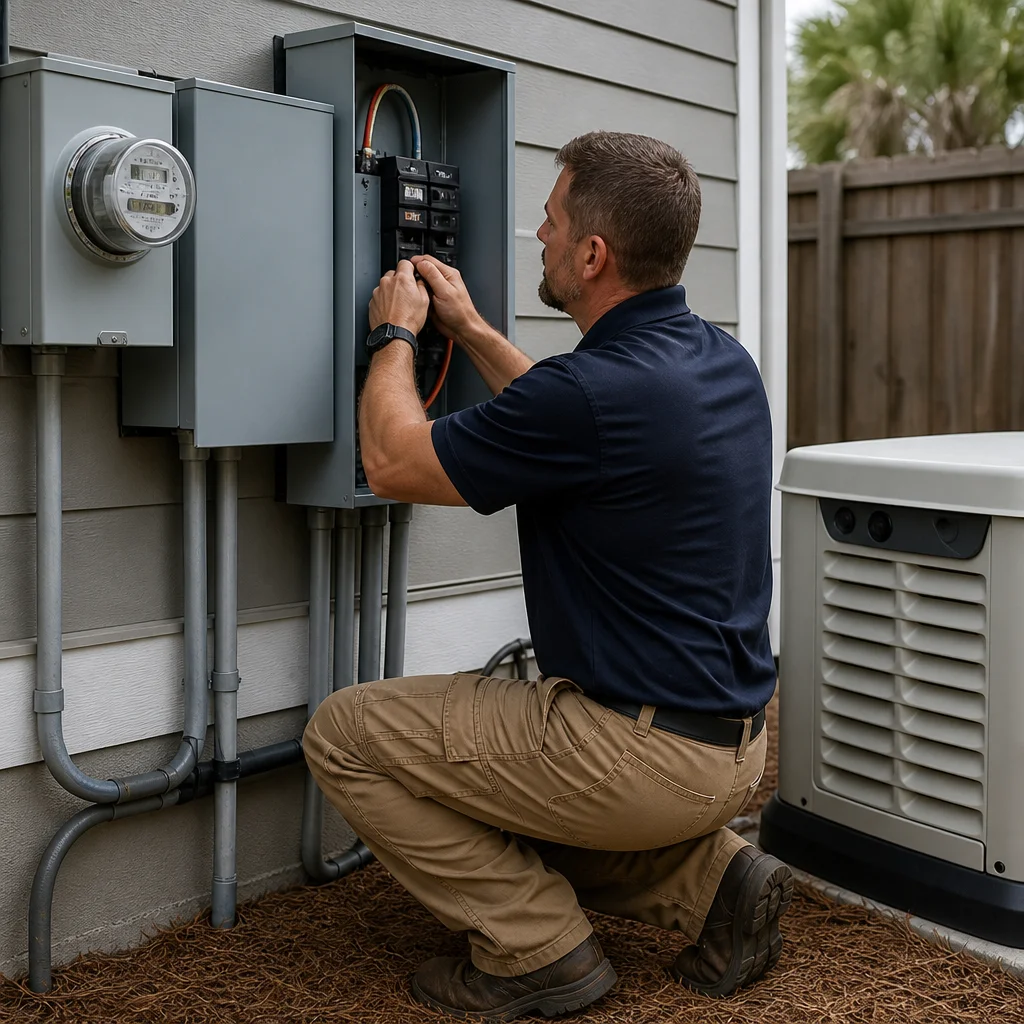
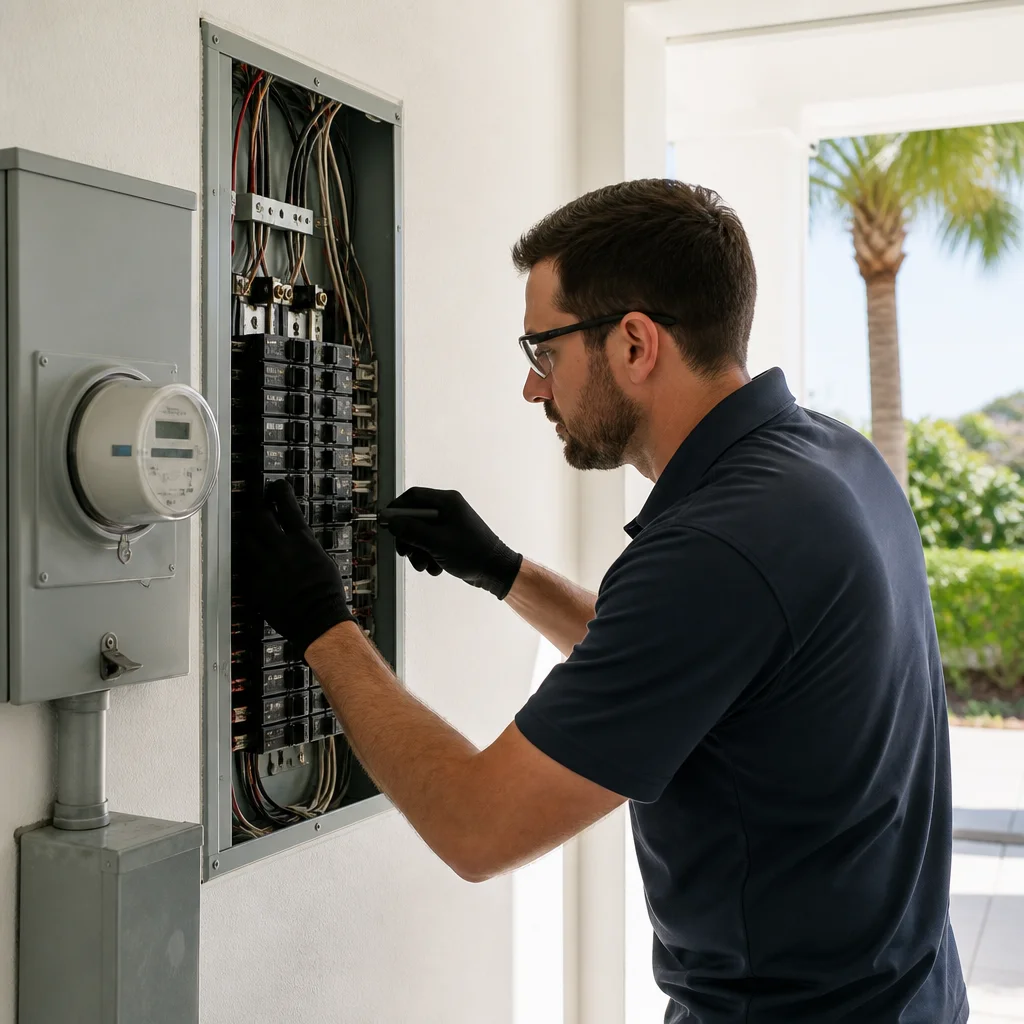
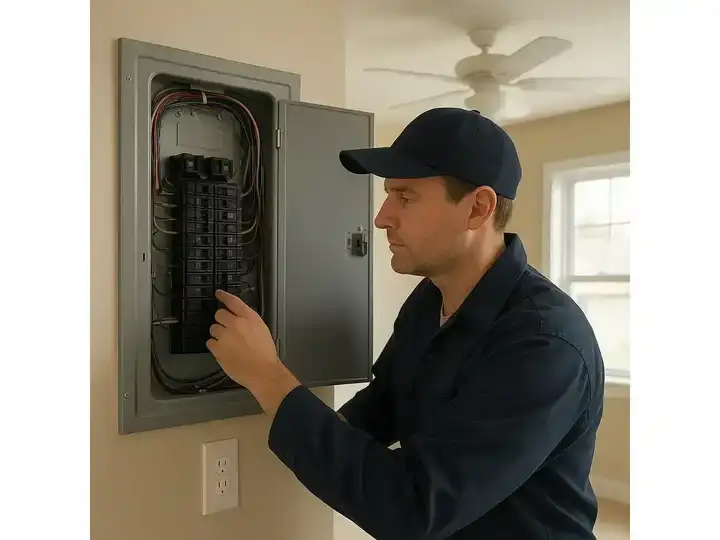
Panels and breakers can weaken over time. If breakers are old or undersized, they may trip too often or fail to protect circuits properly. Wiring can loosen, corrode, or become brittle, especially in homes exposed to heat and humidity. Outlets and switches can wear out from years of use, creating intermittent lighting problems. Grounding issues can also affect how safely lighting circuits operate, especially in homes with older electrical service.
In some properties, lighting trouble is tied to outdated wiring methods. Homeowners looking into electrical service in Wright may discover older systems that need code corrections, panel updates, or partial rewiring before new fixtures can work the way they should.
How Wright’s climate and housing mix play into lighting problems
Wright’s Gulf Coast climate brings moisture, storms, and salt air that can accelerate electrical wear. Even when wiring is indoors, humidity can affect metal components, fixture connections, and panels located in garages, closets, or utility spaces. Storm season can also lead to power surges that stress sensitive lighting controls, dimmer switches, and smart fixtures.
Local housing adds another layer. Some Wright homes have older electrical systems, while newer homes may have more lighting features, more electronics, and a higher total power demand. Add a home office, upgraded kitchen lighting, ceiling fans, or a renovated bathroom, and the original circuits may no longer be enough. That is when a homeowner may start noticing flickering lights, warm switch plates, or a breaker box that seems to work overtime.
For homes with additions or remodels, a local Okaloosa County electrical contractor can help determine whether the lighting circuits were expanded correctly or whether the system needs a dedicated circuit, sub panel, or grounding correction.
What lighting symptoms can tell you about panel, wiring, and circuit health
Lighting issues often give useful clues. A single fixture that fails may be isolated, but multiple fixtures acting up across different rooms can point to a broader electrical concern.
Flickering or dimming lights
Flickering lights can happen when a bulb is loose, but repeated flickering usually deserves a closer look. If lights dim when the air conditioner starts, when the microwave runs, or when several fixtures are on at once, the circuit may be overloaded or the panel may not be distributing power well. Homeowners searching for emergency electrical services often report flickering as one of the first signs something is wrong.
Buzzing switches or warm fixtures
A buzzing dimmer switch or a fixture that feels warm can indicate loose connections, incompatible bulbs, or a switch that is nearing failure. In some cases, dimmer switch installation near me searches are really about replacing a bad switch with one that is properly matched to the fixture load.
Lights that trip breakers
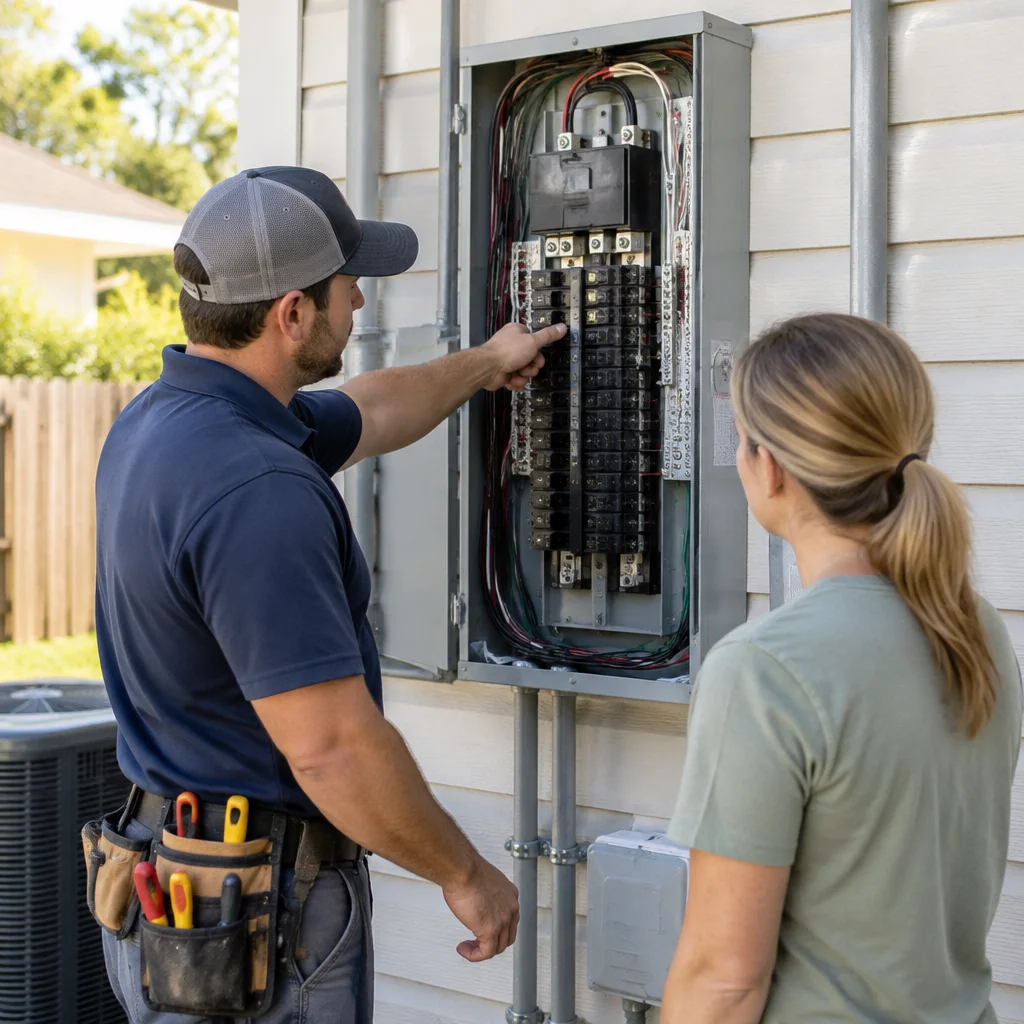
If a light turns on and then the breaker trips, the issue may be in the fixture, but it can also signal a short circuit, an overloaded branch circuit, or a breaker that has worn out. This is where breaker repair, breaker box replacement, or even electrical panel replacement may become necessary.
Rooms with weak or inconsistent lighting
When one room feels noticeably dimmer than the rest, the cause could be voltage drop, undersized wiring, or a poor connection in a switch box or junction box. That is common in homes that have been expanded without a full electrical upgrade.
Indoor lighting upgrades that reduce wear on the system
Not every lighting issue requires major electrical work, but many homes in Wright can benefit from targeted upgrades that reduce strain on the electrical system. LED lighting, for example, uses less power and produces less heat than older bulbs. That makes it easier on circuits and helps keep fixtures performing more consistently.
Recessed lighting, bathroom lighting installation, and smart lighting controls can all improve comfort and efficiency when they are installed on the right circuits. If you are planning a room update, it is smart to think about the electrical load before the drywall goes back up. That is especially true in kitchens, bathrooms, laundry rooms, and living spaces where ceiling fans, lighting, and outlets may all share the same circuit.
Homeowners searching for bathroom lighting installation near me or dimmer switch installation near me often need more than a new fixture. They may need a safer circuit layout, better grounding, or a panel that can support the upgrade.
Dedicated circuits for modern rooms and appliances
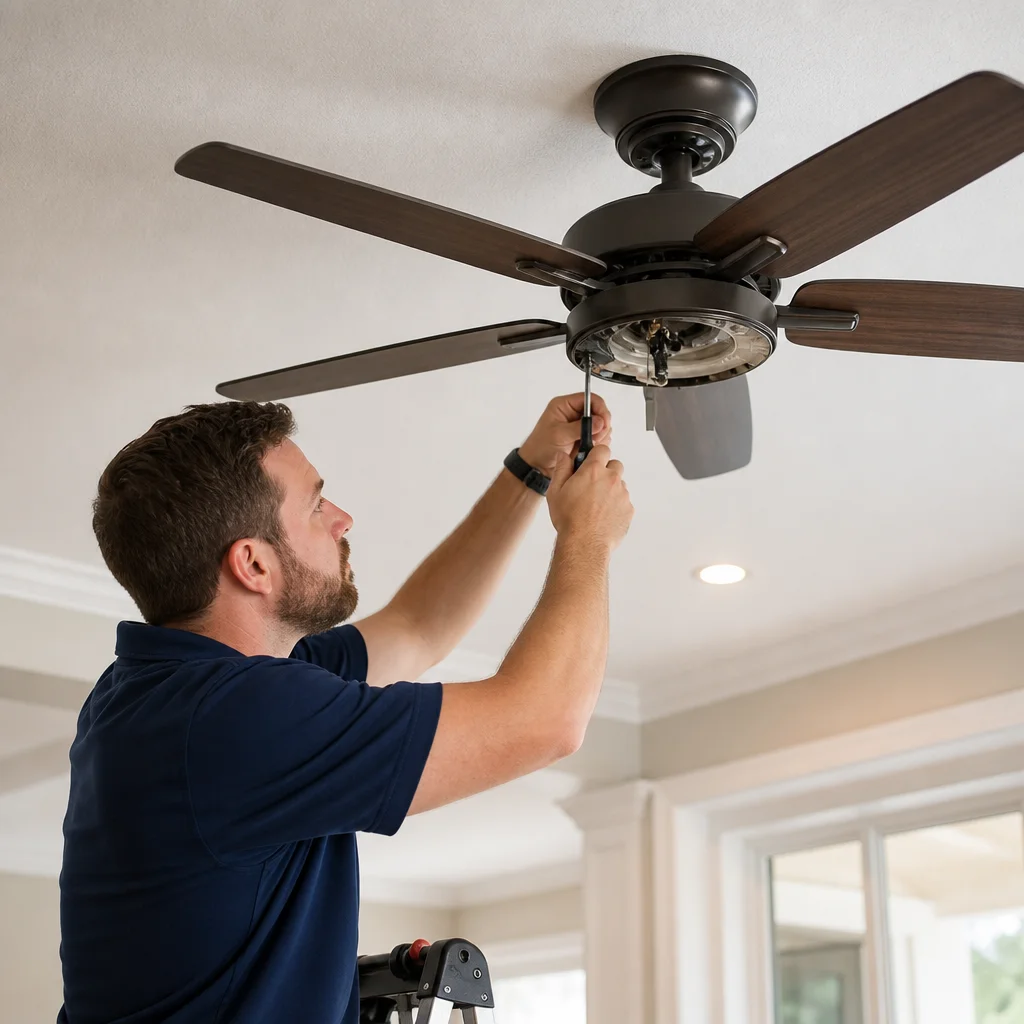
Some indoor lighting problems are tied to other equipment on the same circuit. Ceiling fans, bathroom exhaust fans, kitchen appliances, and entertainment systems can all add load. In homes where the lighting is sharing power with too many devices, a dedicated circuit may be the cleanest solution. A dedicated circuits for appliances service can help separate heavy loads from lighting so the breaker is not constantly stressed.
Panel upgrades, grounding, and code compliance matter more than most homeowners think
Indoor lighting is only as reliable as the system behind it. If a home still has an outdated panel, loose grounding, or aluminum branch wiring that has not been corrected, lighting problems can keep coming back. In some older homes, a code correction electrician near me search is really a sign that the property needs a full electrical review, not just a fixture replacement.
Panel upgrades can improve how power is distributed to lighting circuits and reduce nuisance tripping. Grounding improvements help protect people and equipment during surges or faults. Code corrections can bring outlets, switches, GFCI protection, and smoke detector circuits into safer alignment with current standards.
For homeowners considering preventive electrical service for inspections and code updates, indoor lighting is a good place to start because it often reveals hidden issues before they become expensive repairs.
Storms, surges, and seasonal demand in Wright
Wright homeowners know how quickly weather can change. Thunderstorms, lightning, and utility interruptions can all affect indoor lighting and the broader electrical system. A strong surge can damage LED drivers, smart switches, dimmers, and ceiling fan controls. Even if the lights still work afterward, repeated surge exposure shortens the life of the system.
That is why whole home surge protection is a smart investment in this area. A whole home backup solutions plan can also keep essential lighting available during outages, which matters for families, vacation rentals, and anyone who wants safer visibility when the power goes out.
Homeowners searching for a whole home surge protector near me often discover that lighting problems are just one part of a larger protection strategy. Surge protection, grounding, and panel health work together.
Indoor lighting and the rest of the home electrical system
Lighting does not operate in isolation. Outlets, switches, smoke detectors, ceiling fans, security systems, EV chargers, and generators all share the same electrical infrastructure. If the system is aging, overloaded, or poorly organized, indoor lighting is often one of the first places the strain shows up.
That is why a homeowner looking for security system wiring, garage EV charger wiring, or spa wiring should also ask whether the panel and circuits can support the extra load. Adding modern equipment without checking the electrical foundation can create lighting issues later.
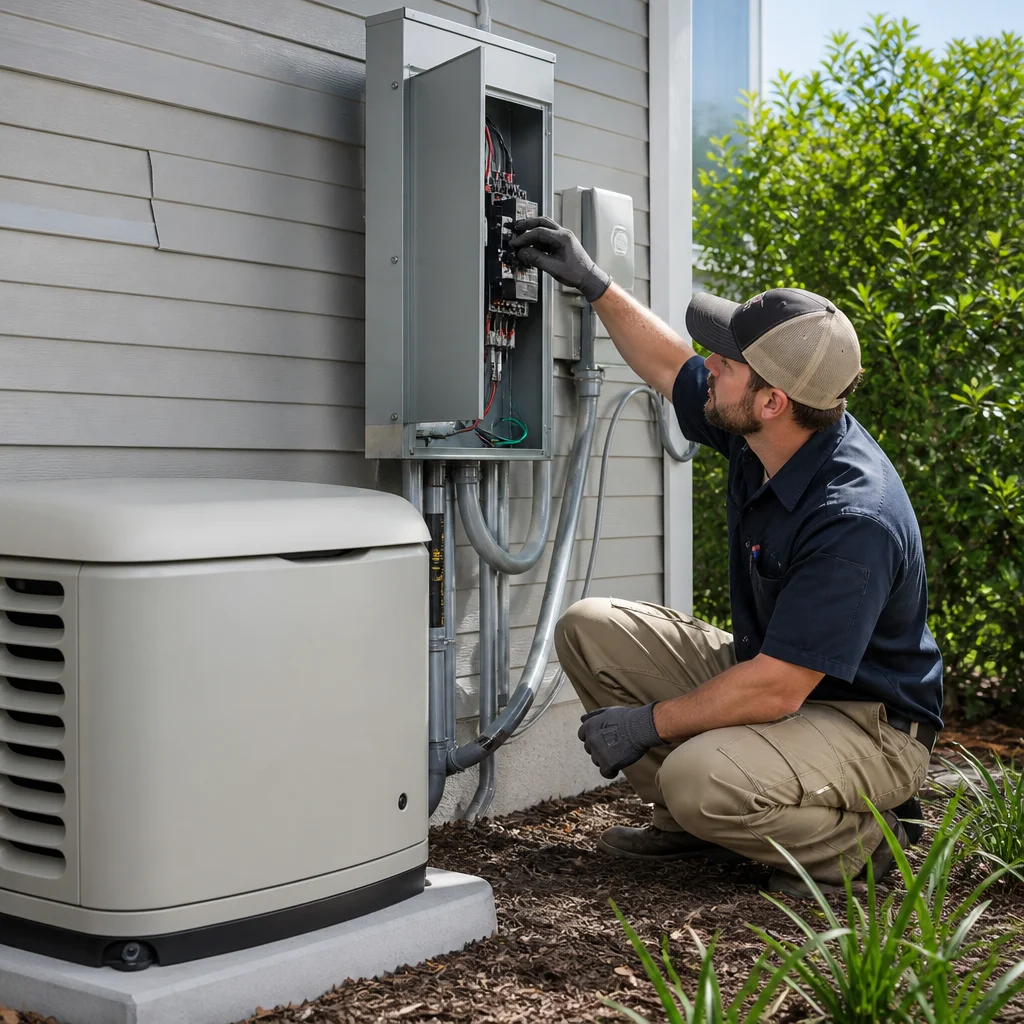
For homes with backup power needs, generator installation can also affect which lighting circuits stay on during outages. If a family relies on hallway lights, kitchen lighting, or a home office during a storm, those circuits should be planned carefully.
When a lighting issue points to urgent electrical trouble
Some lighting symptoms should not wait. If you notice burning smells, scorch marks around a switch, repeated breaker trips, sparking, or a fixture that shuts off with a pop, the problem may be electrical emergency territory. In those cases, a 24 hour electrician near me search is not an overreaction. It is the right next step.
Emergency electrical service may be needed if a lighting circuit is overheating, if a breaker will not reset, or if half the home suddenly loses power. Those issues can involve the panel, the wiring, or the utility connection. A fast response can prevent further damage and restore safe lighting sooner.
For more on urgent electrical situations, see a practical guide to emergency electrical services in Wright, FL.
Maintenance habits that keep indoor lighting dependable
Good lighting performance usually comes from steady maintenance, not just one-time repairs. Homeowners can reduce wear by using the correct bulb types, avoiding overloaded extension cords, keeping fixtures clean, and replacing worn switches before they fail. It also helps to schedule periodic electrical inspections, especially after a remodel, storm, or major appliance upgrade.
Older homes may need closer attention to knob and tube wiring replacement, aluminum wiring repair, or home rewiring if lighting problems keep returning. Newer homes may need better circuit planning for recessed lights, ceiling fans, and smart controls. Either way, the goal is the same: keep the panel, wiring, and circuits working together safely.
If you are comparing an electrical company near me or a licensed electrician near me for indoor lighting work, look for one that can evaluate the full system, not just swap a fixture. That matters in Wright, where weather, coastal conditions, and changing household power demand all put extra pressure on electrical systems.
A Superior Mechanical helps homeowners and property managers in Wright, FL, with indoor lighting installation, lighting repairs, panel upgrades, breaker repair, outlet repair, electrical inspections, and other electrical services that support safer, brighter living spaces. Whether the issue is a single flickering fixture or a bigger system concern, the right electrical repair can protect the whole home and make indoor lighting work the way it should.
Find Indoor Lighting in Wright, FL
If you need Indoor Lighting in Wright, FL, visit our local service page or contact A Superior Mechanical today.
Map of Wright, FL
Frequently Asked Questions
Why do my indoor lights flicker when other appliances turn on?
That usually points to an overloaded circuit, loose wiring, or a panel that is struggling to keep up with demand. In Wright homes, it can also happen when older electrical systems were not designed for today’s appliances and lighting loads.
Can a bad breaker affect indoor lighting?
Yes. A worn or undersized breaker can trip too often or fail to protect the lighting circuit properly. If lights keep cutting out, the breaker, panel, or wiring should be inspected by a licensed electrician.
Do I need a dedicated circuit for new lighting or ceiling fans?
Not always, but it depends on the total load and what else shares the circuit. Bathrooms, kitchens, and rooms with several fixtures or fans may benefit from a dedicated circuit to reduce nuisance tripping and improve safety.
How does surge protection help indoor lighting in Wright, FL?
Storms and utility surges can damage LED drivers, dimmers, smart switches, and other lighting controls. Whole home surge protection helps reduce that risk and can extend the life of your indoor lighting system.
Related Articles
- How Electrical Wear and Tear Shapes Commercial New Construction in Wright, FL
- A Practical Guide to Emergency Electrical Services in Wright, FL: Panels, Wiring, Outlets, and Prevention
- How Preventive Electrical Service Keeps Wright Homes Ready for Inspections and Code Updates
- A Practical Guide to Smarter Commercial Plumbing Maintenance in Wright, FL
Photo Gallery