Bid-A-Wee homeowners are adding EV chargers to garages, driveways, and carports at a steady pace, and the electrical system behind the charger matters just as much as the charger itself. In a coastal area like Bay County, salt air, humidity, storms, and age all affect panels, breakers, wiring, outlets, and grounding. That means an EV charger installation is often more than a simple equipment swap. It can reveal whether the home is ready for modern power needs or whether a few electrical repairs should come first.
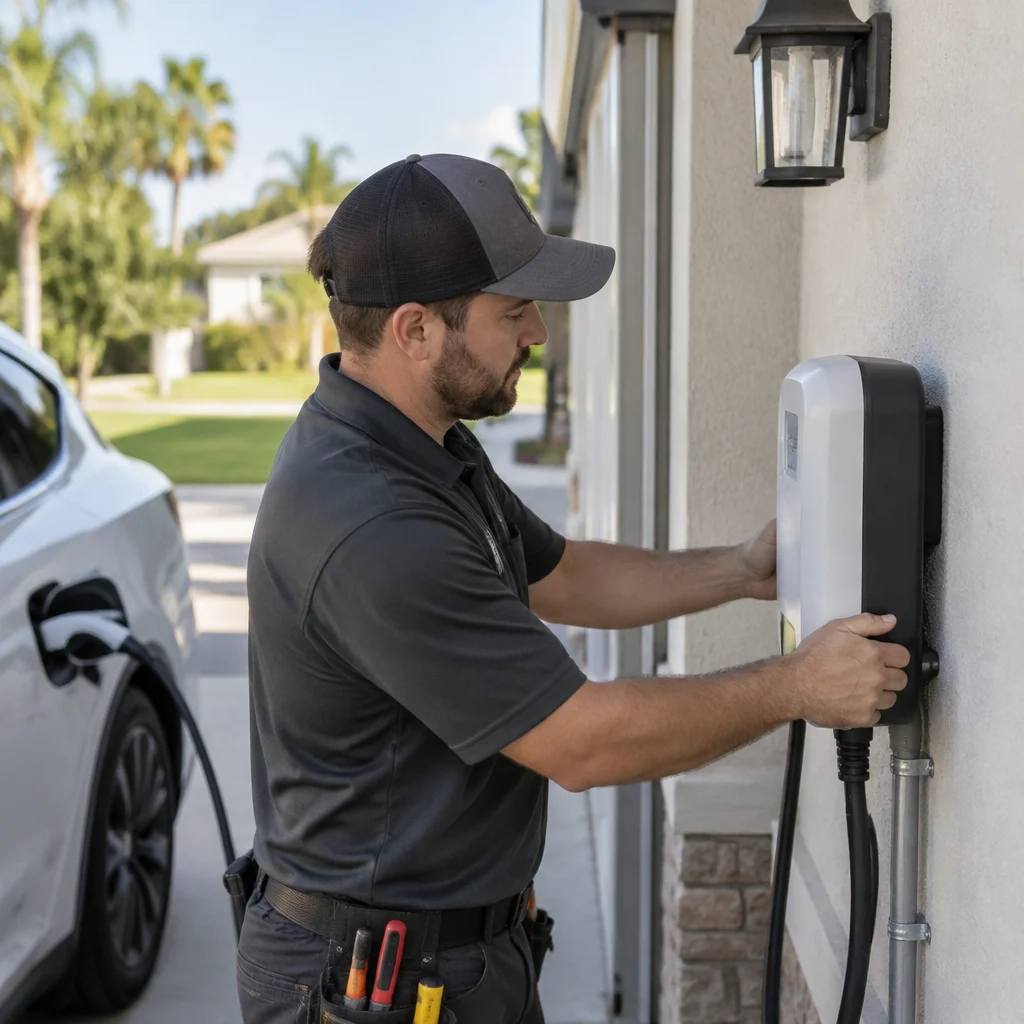
If you are planning EV charger installation in Bid-A-Wee, FL, a good electrician will look at the full electrical picture, not just the charging unit. That includes panel capacity, breaker condition, circuit layout, wire size, GFCI protection, and whether the home has signs of wear that could create nuisance trips or safety issues later.
Why wear and tear matters more with EV charging
EV chargers place a steady electrical load on the home for long periods. Unlike a lamp or a TV, a charger can pull power for hours at a time. That makes weak connections, tired breakers, undersized wiring, and aging panels more noticeable. A home that has worked fine for years with normal appliances may still struggle once an EV charger is added.
In Bid-A-Wee, older homes and remodels often have a mix of original wiring and newer additions. Some homes have had kitchens, garages, or outdoor spaces updated over time, but the panel may never have been fully modernized. When an electrician evaluates the system, they are checking whether the home can safely handle another dedicated circuit without overloading the existing setup.
Common electrical issues that affect charger installs
Panels that are already near capacity
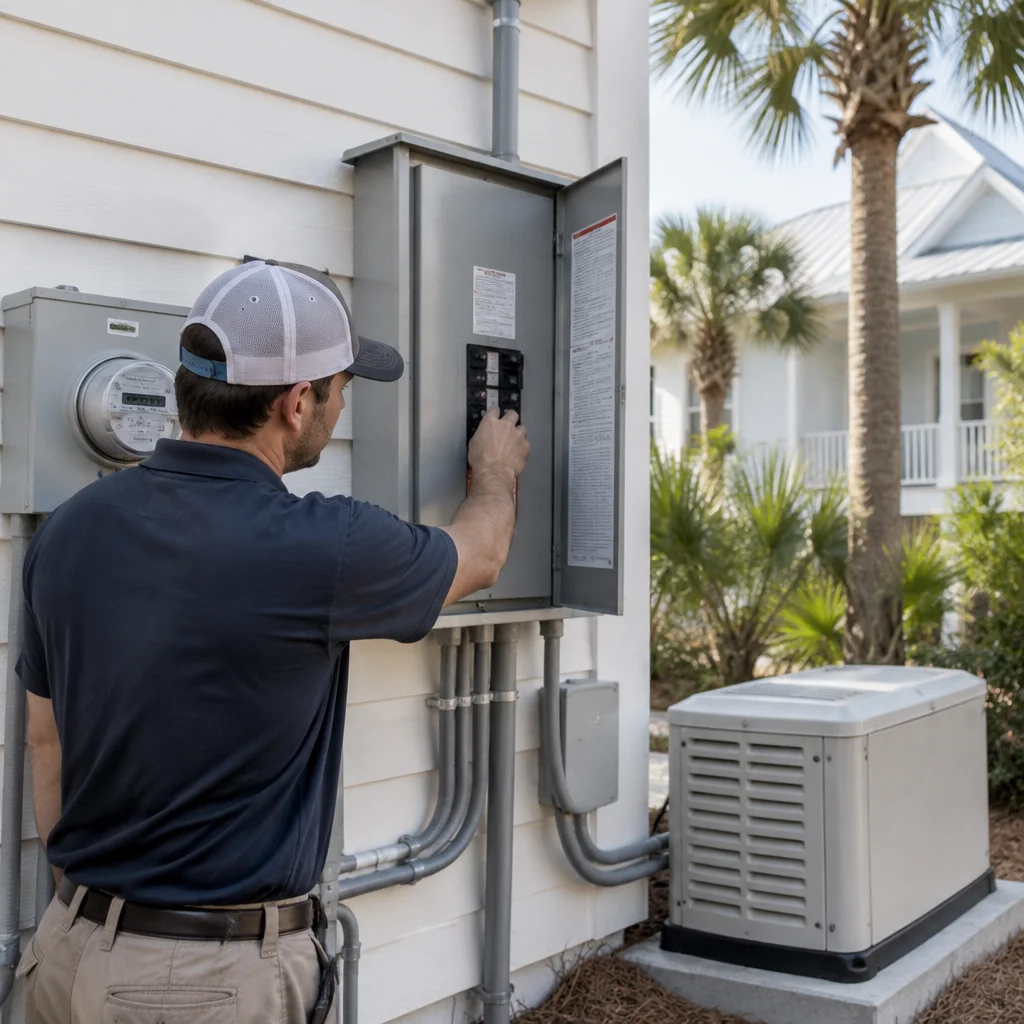
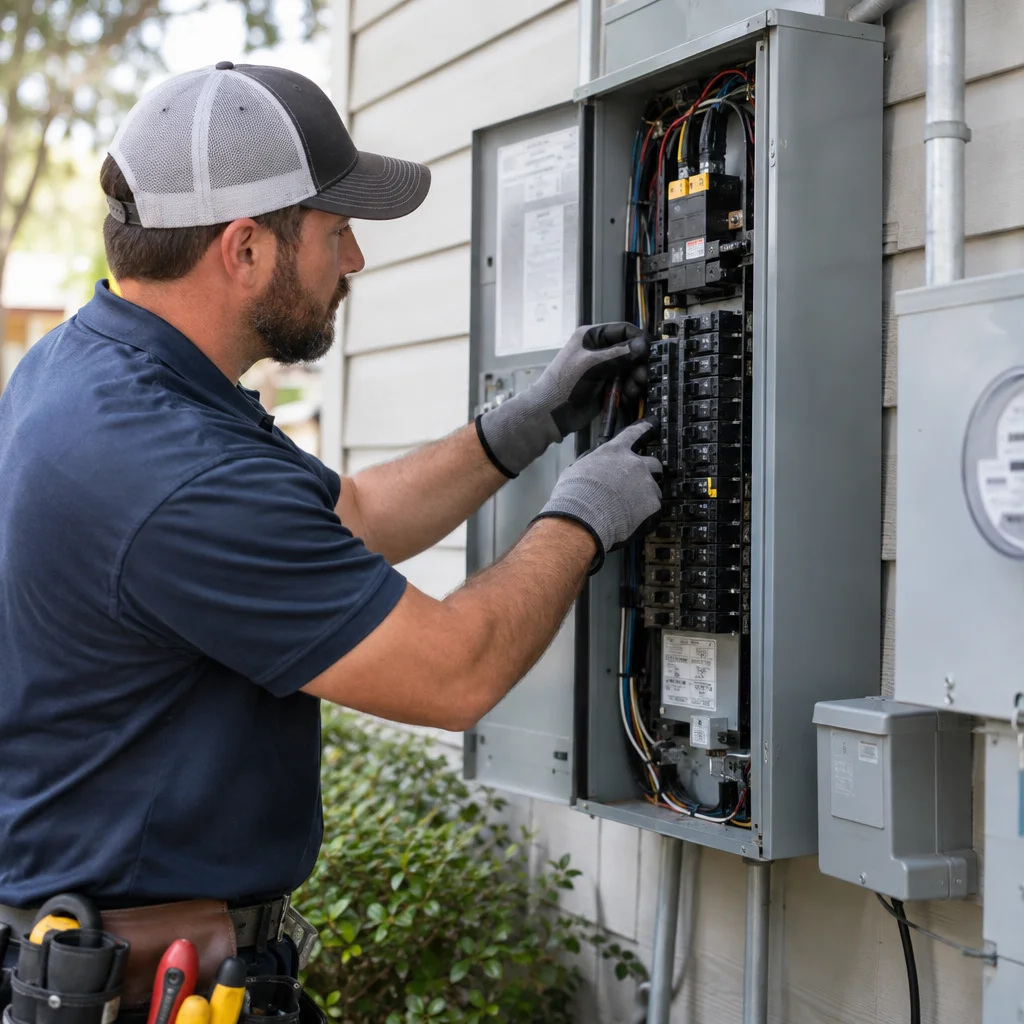
One of the first things an electrician checks is the panel. If the panel is already full or running close to its limit, adding an EV charger may require a panel upgrade or load calculation. Homeowners searching for electrical service in Bid-A-Wee often discover that the charger is only part of the project. The real question is whether the panel can support the new demand safely.
Signs of trouble can include breakers that trip often, heat around the panel, buzzing, or older equipment that no longer meets current code expectations. In those cases, a electrical repair or panel upgrade may be needed before charger installation begins.
Breaker wear and repeated tripping
Breakers wear out over time, especially in homes that have seen storm activity, moisture exposure, or years of use. If a breaker has been tripping on a kitchen circuit, laundry circuit, or garage outlet, that is worth addressing before installing a charger. A charging load can make an already weak breaker fail more often.
Homeowners searching for breaker panel repair near me or circuit breaker repair near me are often dealing with the same underlying issue: worn electrical parts that need attention before adding more demand.
Wiring that is outdated, undersized, or damaged
EV charging circuits need the right wire size, proper routing, secure terminations, and good grounding. In coastal Florida, wiring can also be affected by humidity, corrosion, and past storm damage. If the home has older aluminum branch wiring, brittle insulation, or signs of previous repairs, that can complicate the installation.
That is why some projects start with electrical wiring repair near me or even old wiring replacement near me searches before the charger is installed. A charger should not be connected to a circuit that already has hidden damage.
How Bid-A-Wee homes and weather affect electrical planning
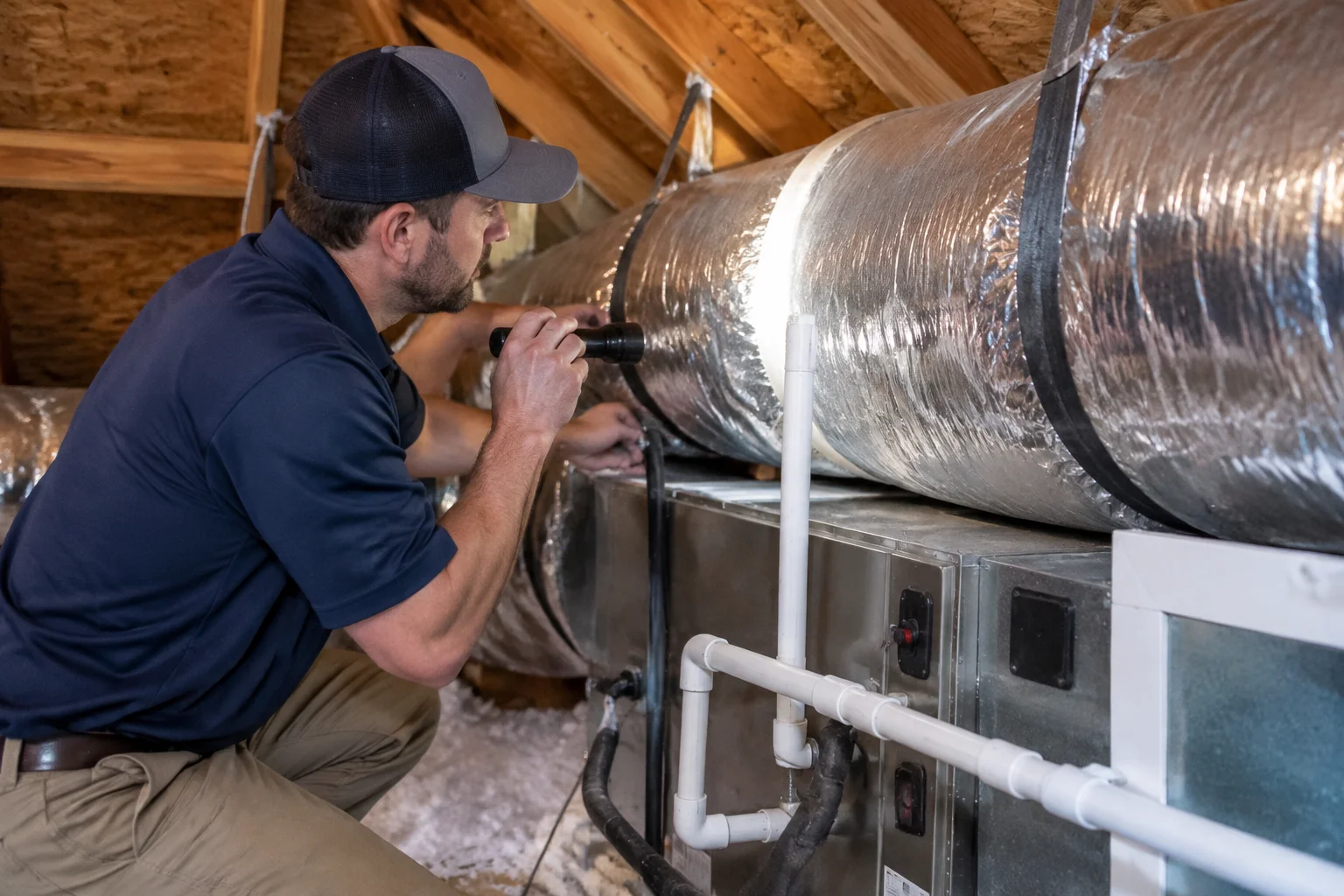
Bid-A-Wee homes see the same climate pressures common across Bay County. Salt in the air, summer humidity, heavy rain, and tropical storm season can all shorten the life of electrical parts. Outdoor receptacles, garage circuits, and service equipment may show corrosion sooner than homes farther inland. Even inside, moisture and heat can affect connections in attics, garages, and utility areas.
That matters because EV chargers need stable power. Loose terminations, corroded lugs, and worn receptacles can create heat and voltage drop. A charger may still run, but not as efficiently or safely as it should. During an electrical inspection near me search, homeowners often learn that the charger location itself needs better protection, a dedicated circuit, or improved grounding.
Dedicated circuits, GFCI protection, and code compliance
Most home EV chargers should be installed on a dedicated circuit. That keeps the charger from sharing power with garage outlets, lighting, or other appliances. Dedicated circuits help reduce overloads and make troubleshooting easier if a problem develops later.
Depending on the charger type and location, GFCI protection may also be required. This is especially important in garages, exterior walls, and other places where moisture is more likely. A proper installation also needs code-compliant disconnects, conductor sizing, breaker selection, and grounding. If the system does not meet current standards, a code correction may be part of the job.
That is one reason homeowners searching for a code correction electrician near me often end up needing a charger consult first. The charger is the new addition, but the existing electrical system sets the rules.
When the charger install points to a bigger electrical project
Some EV charger projects uncover other needs around the home. A panel that cannot support a charger may also be the reason lights flicker when the microwave runs. A garage circuit that is overloaded may also be affecting outlets or a door opener. Outdoor receptacles may need replacement before an EV station or future equipment can be added.
Homeowners often use an EV charger project as a chance to handle other upgrades at the same time, such as device upgrades, ceiling fan services, pool, spa, and hot tub wiring, or outlet repair near me work. In homes with garages or outdoor charging stations, a reliable receptacle, switch, and lighting setup can make everyday use safer and easier.
For some properties, an EV charger also pairs well with lighting installation or led lighting installation near me improvements in the garage, driveway, or side yard. Better lighting helps at night and makes it easier to see the charger, cord, and breaker panel area.
Surge protection and backup power matter in coastal Florida
Storms and utility fluctuations are part of life in Bay County. That makes surge protection a smart addition for homes investing in EV charging. A whole-home surge protector can help shield the charger, panel, electronics, and other appliances from voltage spikes caused by lightning or grid disturbances.
For some households, backup planning is just as important. If a home already has a standby system or is considering one, generator installation near me and whole home generator installation near me searches often come up alongside EV charging questions. A generator will not usually run a high-demand EV charger the same way utility power does, but it can keep critical lighting, refrigeration, communication, and security systems working during outages.
If storm damage has already affected the home, storm electrical repair near me concerns should be addressed before charger installation. Hidden damage in service equipment or conductors can create delays and safety risks.
Older homes, newer additions, and mixed electrical systems
Bid-A-Wee has a mix of older homes, renovated properties, and newer construction. That variety matters. Older homes may have smaller panels, fewer circuits, or outdated grounding. Remodels and additions sometimes add new loads without fully updating the original service. Newer homes may be better prepared, but even they can need load balancing if they already support pools, EV charging, hot tubs, or electric appliances.
In homes with a garage addition or converted space, the charger route may need new wiring, a subpanel, or a better outlet location. When an electrician near me search starts with EV charging, the solution may still involve a larger electrical review so the system stays balanced and code compliant.
Warning signs homeowners should not ignore
Before or after charger installation, call a professional if you notice warm outlets, a burning smell near the panel, flickering lights, buzzing breakers, discoloration on receptacles, or repeated tripping. These can point to loose connections, overloaded circuits, or damaged parts that need immediate attention.
Also pay attention if exterior outlets do not have proper GFCI protection, if switches feel loose, or if a garage outlet has signs of corrosion. In coastal homes, small issues can worsen faster than homeowners expect. A quick fix today may prevent a larger repair later, especially when the home is about to carry a new charging load.
How a local electrician approaches EV charger installation
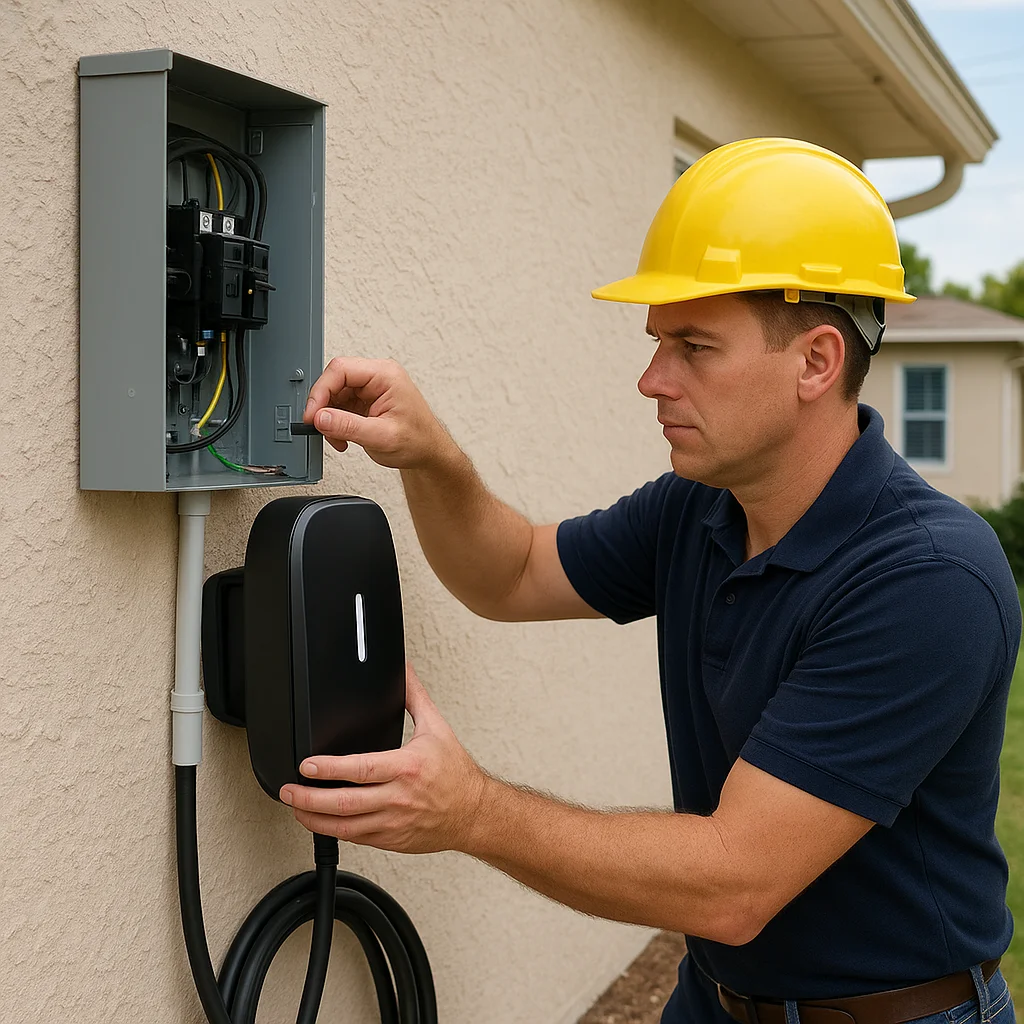
A qualified electrical contractor will usually start with an inspection of the panel, service size, grounding, and available capacity. From there, they may recommend a dedicated circuit, a breaker replacement, a panel upgrade, or a new outlet location depending on the charger type. The goal is not just to get the charger working, but to make sure it works safely every night without stressing the rest of the home.
That same approach helps with other home electrical needs too. If the home also needs flickering lights repair near me, light switch installation near me, or gfci outlet installation near me service, bundling those repairs can reduce repeat visits and help the whole system work better.
For homeowners comparing options, it helps to work with a local electrical company near me that understands Bid-A-Wee homes, coastal conditions, and Bay County permitting and code requirements. A charger install should fit the home, not force the home to adapt in unsafe ways.
Keeping the system ready for modern power needs
EV ownership usually grows into other electrical updates. Once the charger is in place, homeowners often notice opportunities to improve garage lighting, replace aging outlets, add surge protection, or schedule a full electrical inspection near me visit to catch hidden issues before they become outages. Some also use the project to prepare for future loads like a dryer outlet, hot tub, or additional appliance circuits.
For homes that are already showing wear, the smartest path is to fix the weak points first and then install the charger on a stable system. That is how EV charging stays dependable through summer storms, daily use, and the long electrical demands of modern living in Bid-A-Wee.
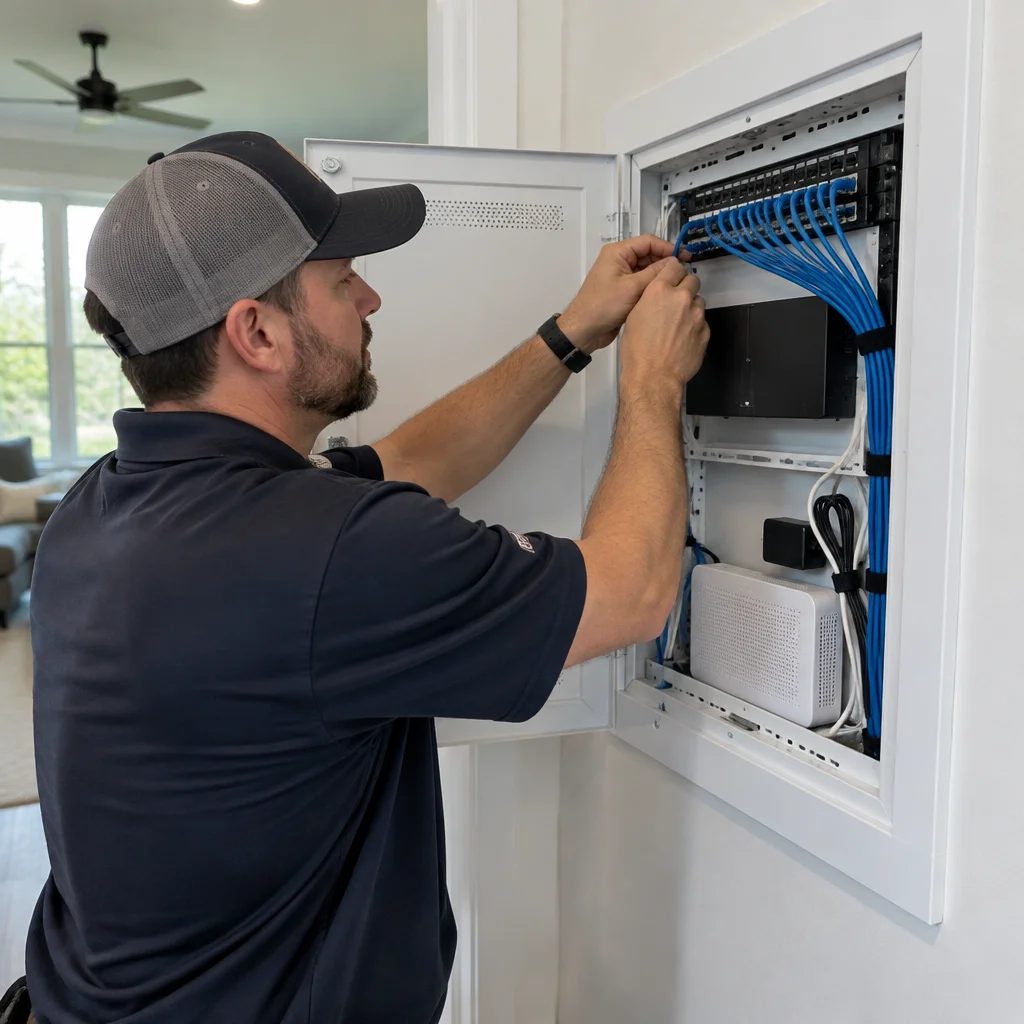
Helpful reading for homeowners planning broader upgrades includes How Modern Homes in Bid-A-Wee Gain More from Simple Electrical Device Upgrades and Why Preventive Electrical Service Matters for Data Network Cabling in Bid-A-Wee Homes. If you are coordinating multiple home improvements, those articles can help you think through the electrical side before work begins.
For homeowners comparing service areas or planning a larger project across the region, the broader Bay County service area page can also be helpful when you need local electrical support that matches the home, the load, and the weather conditions.
Find EV Charger Installation in Bid-A-Wee, FL
If you need EV Charger Installation in Bid-A-Wee, FL, visit our local service page or contact A Superior Mechanical today.
Map of Bid-A-Wee, FL
Frequently Asked Questions
Do I need a panel upgrade for EV charger installation in Bid-A-Wee?
Not always, but many homes do need a load calculation first. If the panel is full, older, or already serving heavy loads like HVAC, pool equipment, or electric appliances, a panel upgrade may be recommended before the charger is installed.
Can an EV charger be installed on an older home with original wiring?
Sometimes, but the wiring must be evaluated carefully. Older homes in Bid-A-Wee may have outdated circuits, worn insulation, or grounding issues that need repair before a dedicated charging circuit can be added safely.
Why does my EV charger keep tripping the breaker?
Frequent tripping can point to an undersized breaker, a weak breaker, loose connections, incorrect wire sizing, or a circuit that is already overloaded. A licensed electrician should inspect the system before the charger is used again.
Is surge protection worth adding with an EV charger in Bay County?
Yes. Coastal storms, lightning, and utility fluctuations can damage chargers and other electronics. Whole-home surge protection adds a valuable layer of defense for EV charging and the rest of the electrical system.
Related Articles
- Why preventive electrical service matters for data network cabling in Bid-A-Wee homes
- How Modern Homes in Bid-A-Wee Gain More from Simple Electrical Device Upgrades
- What Homeowners Miss Most in Clogged Pipe and Drain Service Calls in Bid-A-Wee
- How Plumbing Conditions Change Water Purification in Bid-A-Wee Homes
Photo Gallery