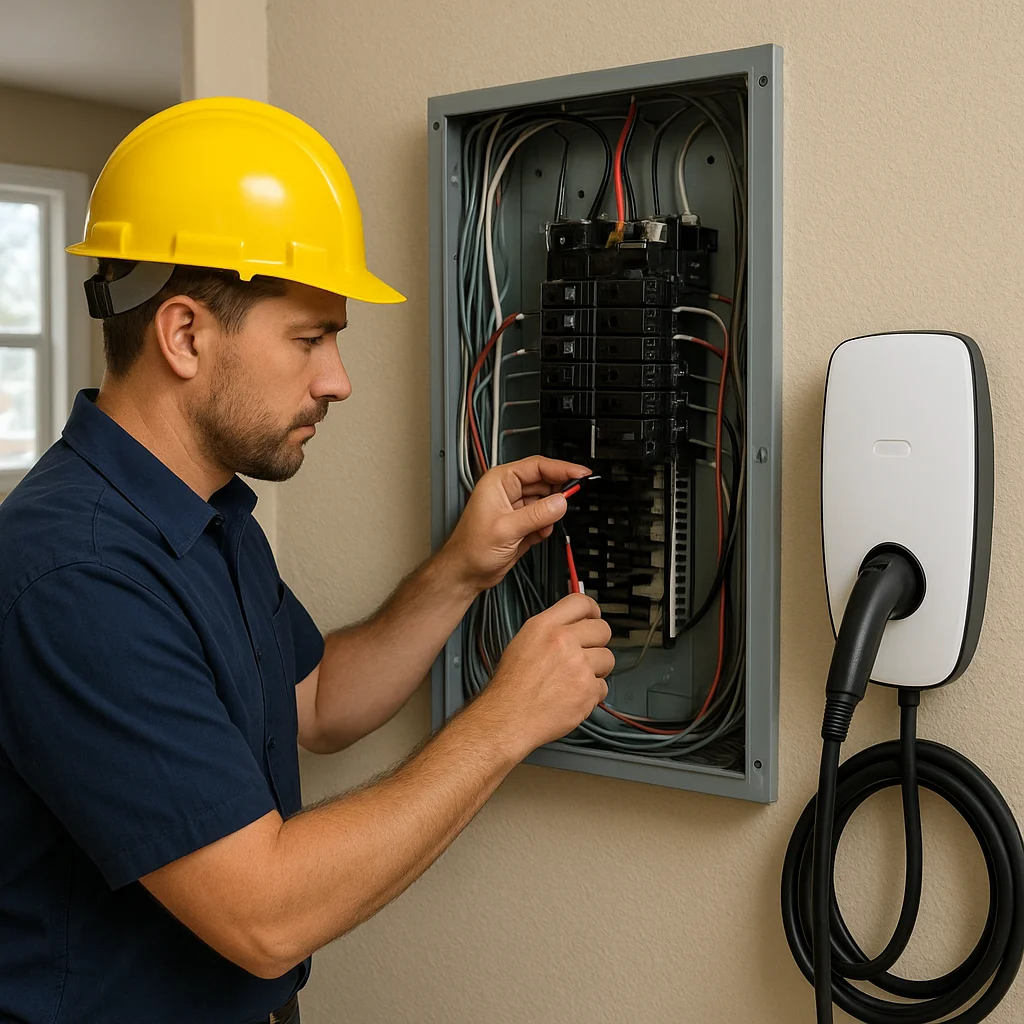
More Parker homeowners are adding electric vehicles, and that means the electrical system has to do more work than it did a few years ago. A properly planned EV charger installation does more than add convenience. It can help protect your home from overloaded circuits, overheated wiring, nuisance breaker trips, and the kind of hidden electrical stress that shows up in older panels and storm-weary homes across Bay County.
In a coastal area like Parker, electrical systems also have to handle humidity, salt air, lightning, and power interruptions that can be hard on breakers, outlets, and service equipment. That is why EV charger installation in Parker, FL should be treated as a whole-home electrical project, not just a device swap. A Superior Mechanical helps homeowners, vacation rentals, and small businesses choose the right charger, check the panel, and make sure the wiring is ready for long-term use. If you are comparing options on the EV charger installation service page, it helps to understand what makes a safe installation work.
Why EV charging changes the load on a home
An EV charger can draw a steady electrical load for hours at a time. That is different from a microwave, dryer, or toaster that runs briefly and shuts off. A Level 2 charger especially needs a dedicated circuit and enough panel capacity to keep the rest of the home stable while the vehicle charges. If the system is undersized, homeowners may notice warm outlets, frequent breaker trips, dimming lights, or circuits that seem to struggle when the charger starts up.
That extra demand matters in Parker homes with older service equipment, additions, converted garages, updated kitchens, or new outdoor living spaces. A home that once handled basic lighting, ceiling fans, and appliances may now need a closer look at the panel, branch circuits, grounding, and bonding before charging equipment is installed. For local homeowners searching for electrical panel upgrade near me, the real issue is often not the charger itself but the home’s ability to support it safely.
Panels, breakers, and wiring need to be part of the plan
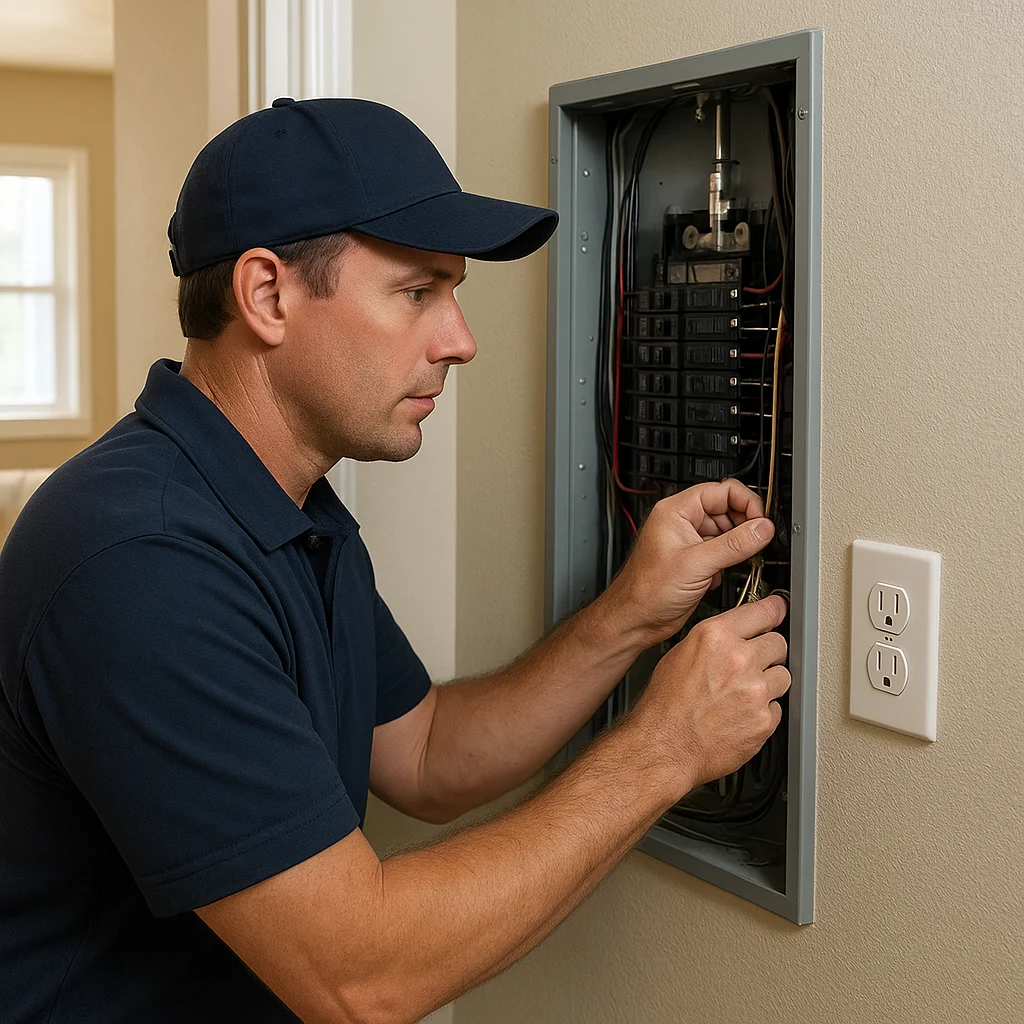
The panel is the center of the home’s electrical system. If it is crowded, outdated, or already near capacity, adding an EV charger can push it too far. That is why many homes need a panel evaluation before installation and, in some cases, a 200 amp panel upgrade near me style solution to support the added load. The right answer depends on the age of the home, the size of the service, the condition of the breakers, and how much electricity the home already uses.
Breaker condition matters too. A breaker that trips occasionally may be doing its job, but repeated trips can also point to a weak breaker, an overloaded circuit, or wiring that is not sized correctly for the load. If a charger is planned for a garage or exterior wall, the wiring path should be reviewed carefully so the circuit is protected all the way to the charger location. That is where electrical wiring installation near me searches often lead homeowners to a bigger conversation about panel space, conductor size, conduit, and local code compliance.
For a broader look at how panel and wiring issues show up in local homes, see Electrical Repair in Parker, FL: A Homeowner’s Guide to Panels, Wiring, and Safer Power.
Common warning signs before installation
Before adding EV charging, it is smart to watch for electrical symptoms that suggest the system needs attention first. These include buzzing at the panel, scorched outlets, warm switch plates, breakers that trip during normal use, lights that flicker when large appliances start, or extension cords being used where a permanent outlet should be installed. If a homeowner already has outlet repair near me or switch repair near me concerns, those should be addressed before a charger goes in.
In some Parker homes, the issue is not just one bad part. It may be a service mast, grounding problem, or aging branch wiring that needs correction. That is why a home safety inspection electrician near me search can be a helpful starting point for families who want to make sure the house is ready for an EV charger and other electrical upgrades.
Dedicated circuits make charging safer and more reliable
EV chargers should not share power with random outlets or appliances. A dedicated circuit gives the charger its own protected path back to the panel, which helps prevent overloads and keeps the charging load from interfering with the rest of the home. This is especially important in garages, workshops, and detached spaces where power demand can change quickly.
Many Parker homeowners also use the same planning process to improve other high-demand areas of the home. Dedicated circuits for appliances, hot tubs, and laundry equipment can reduce nuisance trips and help the electrical system run more predictably. If your project involves more than one upgrade, Dedicated Circuits for Appliances and Circuit Breaker Panels and Rewiring are often part of the same conversation.
For homeowners searching for dedicated circuit installation near me or electric car charger installation near me, the best outcome usually comes from matching the charger to the home’s real electrical capacity instead of guessing.
Outlets, GFCI protection, and garage safety
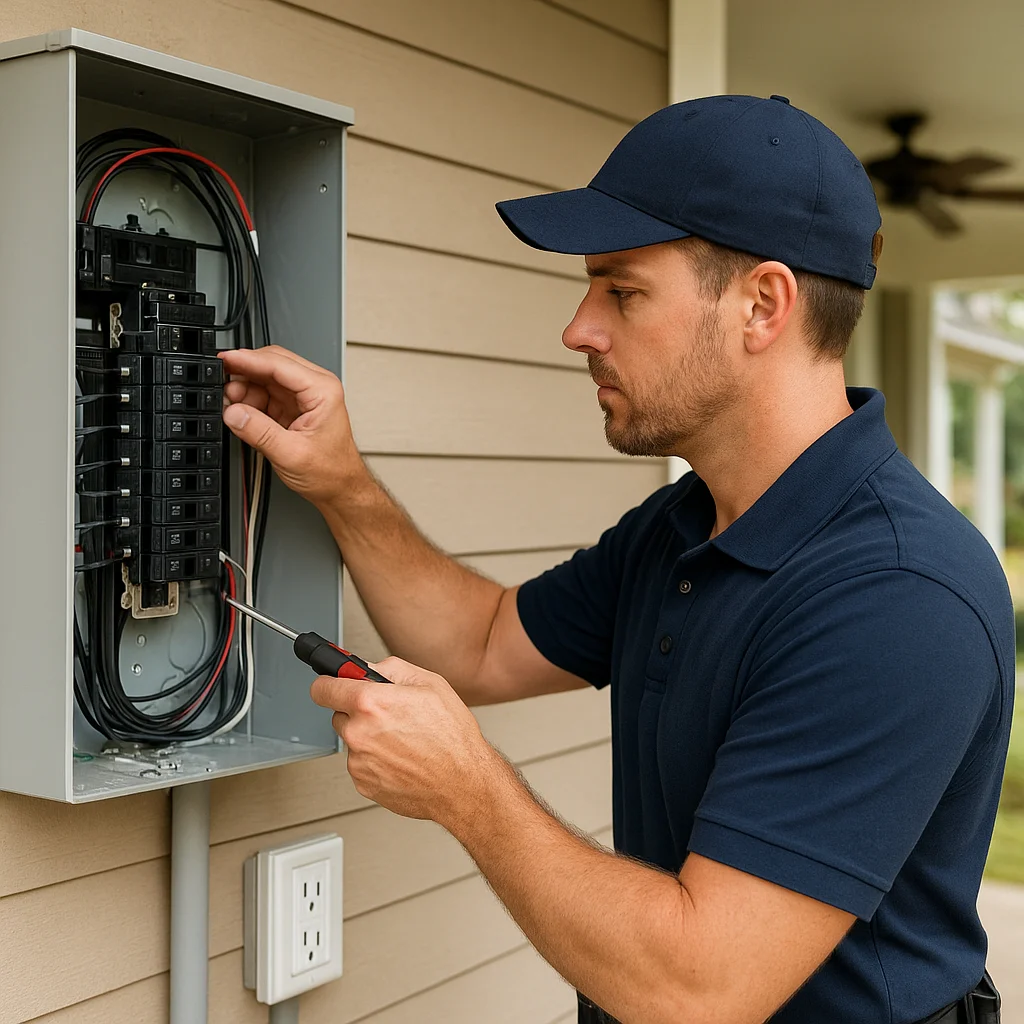
Not every charger setup uses a hardwired unit. Some homes use a receptacle and plug-in charger, which makes outlet quality very important. In garages, carports, and outdoor areas, the outlet should be properly installed, sized, and protected. GFCI protection may be required in certain locations, and weather exposure in Parker makes correct installation even more important.
If a garage outlet feels loose, shows discoloration, or cannot support a charger without an adapter chain, the issue should be corrected before charging begins. A simple outlet repair near me search can uncover a worn receptacle, but the more important question is whether the circuit, box, and wiring are suitable for continuous charging. The same logic applies to exterior outlets near driveways, patios, and parking pads, where moisture and salt air can shorten the life of cheap or damaged parts.
Storms, surges, and coastal weather add another layer of risk
Parker homes deal with summer storms, lightning, and humid coastal air that can wear down electrical parts faster than many homeowners expect. EV chargers are electronic equipment, so they benefit from whole-home surge protection and a properly grounded system. A surge protector installation near me search is worth taking seriously in this part of Florida because a single surge can damage chargers, appliances, garage door openers, and smart home devices.
Many homeowners choose whole home surge protector near me protection at the same time as a charger install, especially if the home already has sensitive electronics, a newer HVAC system, or a generator. If your property has frequent outages or you are planning backup power, it can also make sense to review What Parker Homeowners Should Know About Kohler Power Backup Generators. A charger, a generator, and a surge protector can all work together when the electrical system is designed correctly.
For local homeowners in the city, the Parker service area page is a helpful place to see how A Superior Mechanical supports electrical projects across the community and nearby parts of Bay County.
Older homes, remodels, and additions need a closer look
Many Parker houses were built before EV charging was common, and even homes that have been remodeled may still have older wiring hidden behind newer finishes. Additions, detached garages, and converted spaces often create mixed electrical conditions where some circuits are updated and others are not. That can make EV charger installation more complicated, especially if the original service was never designed for today’s power demand.
In these homes, code compliance is not just paperwork. It affects grounding, conductor sizing, breaker selection, outlet placement, and whether the charger can be installed safely without overloading the existing system. A code correction electrician near me search often points to issues that should be fixed before a charger or other new equipment is installed. The same is true when a homeowner notices outdated panels, aluminum wiring concerns, or a service mast that needs repair.
If your project includes other upgrades, such as Lighting and Fixtures or Outdoor Landscape Lighting, it is often more efficient to address them during the same electrical visit.
Prevention is cheaper than emergency electrical repair
EV charger installation is a good time to prevent future electrical problems instead of waiting for them. A careful electrician can spot overloaded circuits, worn receptacles, loose neutrals, grounding issues, and panel problems before they turn into damage or downtime. That matters for homeowners who want reliable charging and for rental property owners who need systems that can handle guests without constant service calls.
Preventive electrical maintenance also helps with the rest of the home. Smoke detector installation, carbon monoxide detector installation near me requests, security lighting installation near me projects, and recessed lighting installation near me upgrades all benefit from a system that is already reviewed and balanced. Even ceiling fans and LED lighting installation near me projects can reveal hidden wiring issues when the home is older or the load is already tight.
If the charger is part of a larger update, such as a remodel or garage conversion, it may also be a good time to review generator options, panel condition, and outdoor lighting. That kind of planning reduces the chance of emergency electrician calls after a storm or after the first heavy charging cycle.
How professional installation protects the home
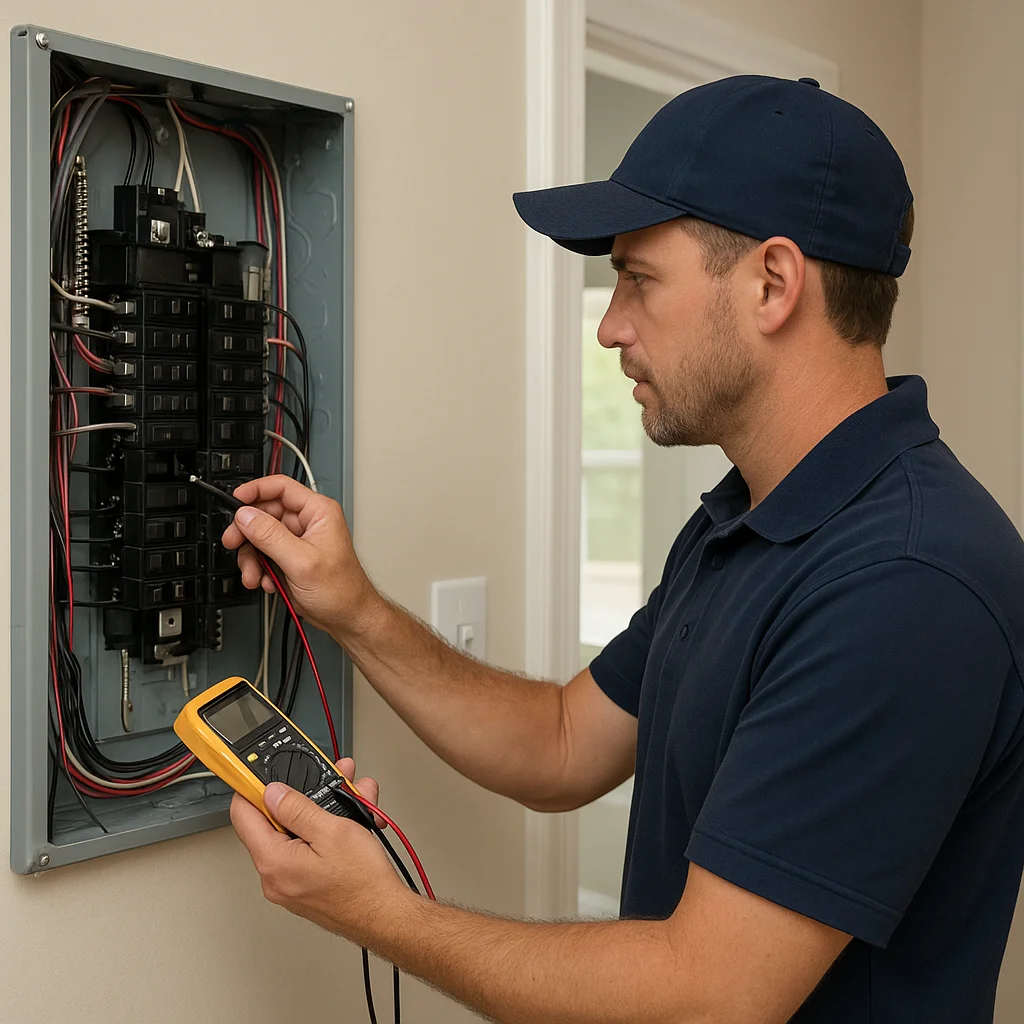
A professional EV charger installation does more than mount equipment on a wall. It starts with a load calculation, panel inspection, and review of the existing wiring and breaker layout. Then the electrician confirms whether a dedicated circuit can be added, whether the panel needs an upgrade, and whether the outlet or hardwired charger location meets code and manufacturer requirements. This is the safest route for homeowners searching for an affordable electrician near me who still wants the job done right the first time.
For Parker homes, local experience matters because heat, humidity, salt air, and storm exposure can affect the long-term reliability of electrical parts. A charger installed without considering those conditions may work at first but fail sooner than expected. A properly planned installation supports daily charging, protects the home, and keeps the electrical system ready for future upgrades like a generator, new appliances, or expanded outdoor living space.
If your home needs EV charging, panel work, or related electrical service, A Superior Mechanical can help with code-compliant installation and practical recommendations that fit Parker homes and Bay County conditions. Whether you are comparing options for EV charger installation in Parker, FL or looking at a broader electrical repair plan, the right setup starts with the panel, the wiring, and the safety devices that support them.
Find EV Charger Installation in Parker, FL
If you need EV Charger Installation in Parker, FL, visit our local service page or contact A Superior Mechanical today.
Map of Parker, FL
Frequently Asked Questions
Do I need a panel upgrade before installing an EV charger in my Parker home?
Not always, but many homes do need one. The answer depends on the size of your service, the condition of the panel, and how much power the rest of the home already uses. A load calculation and panel inspection will show whether the system can handle a Level 1 or Level 2 charger safely.
Can an EV charger be installed on an existing outlet?
Sometimes, but only if the outlet, wiring, breaker, and circuit are rated for the charger and meet code. Many homes need a dedicated circuit or a hardwired installation for safe, reliable charging.
Why does coastal weather matter for EV charger installation in Parker, FL?
Humidity, salt air, and lightning can wear down electrical parts faster and increase surge risk. That is why grounding, GFCI protection where required, and whole-home surge protection are important parts of a local installation plan.
What other electrical work should be checked before adding a charger?
It is smart to review breakers, outlets, wiring, grounding, smoke detectors, and panel capacity. If the home has frequent tripping, flickering lights, or older service equipment, those issues should be corrected first.
Related Articles
Photo Gallery