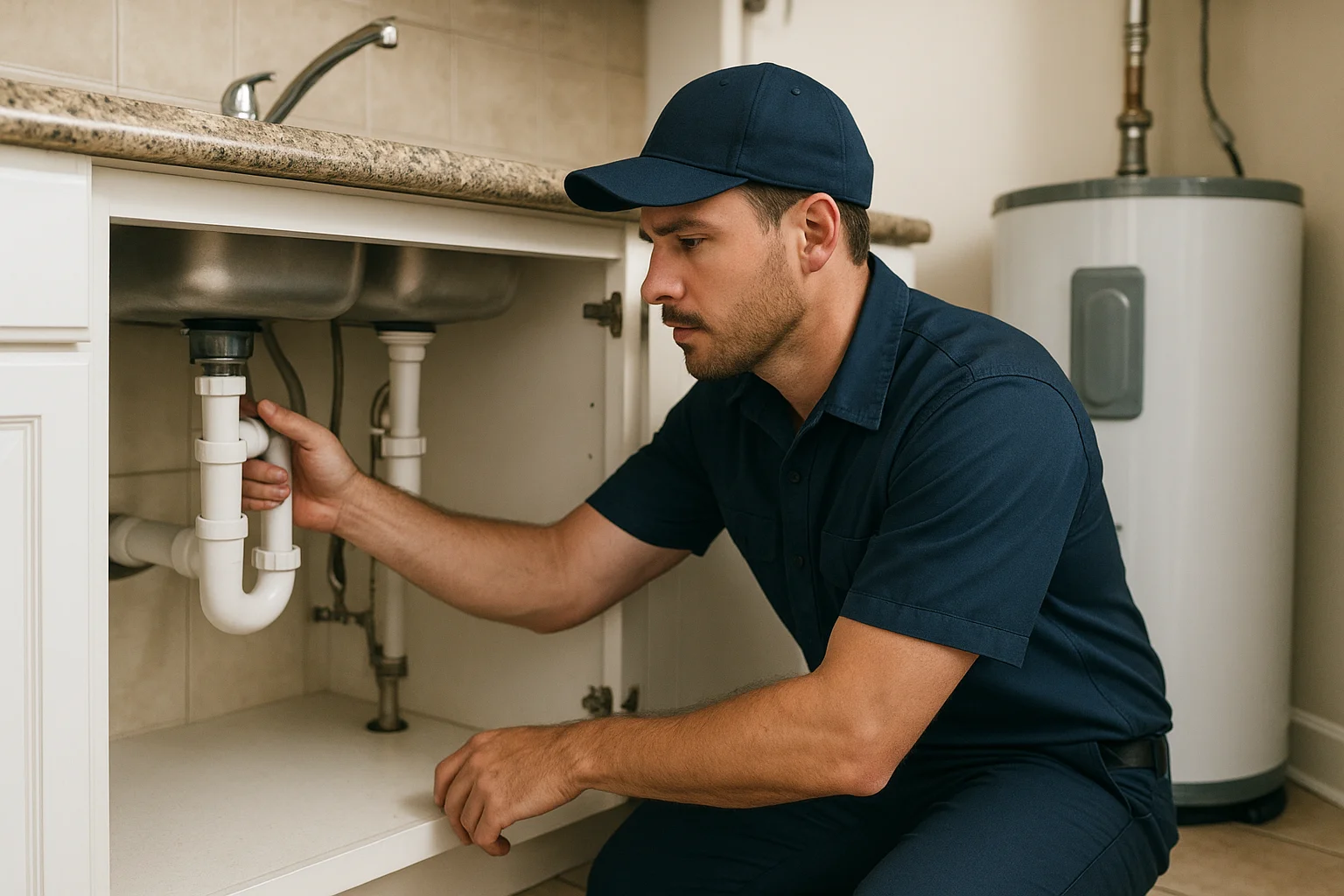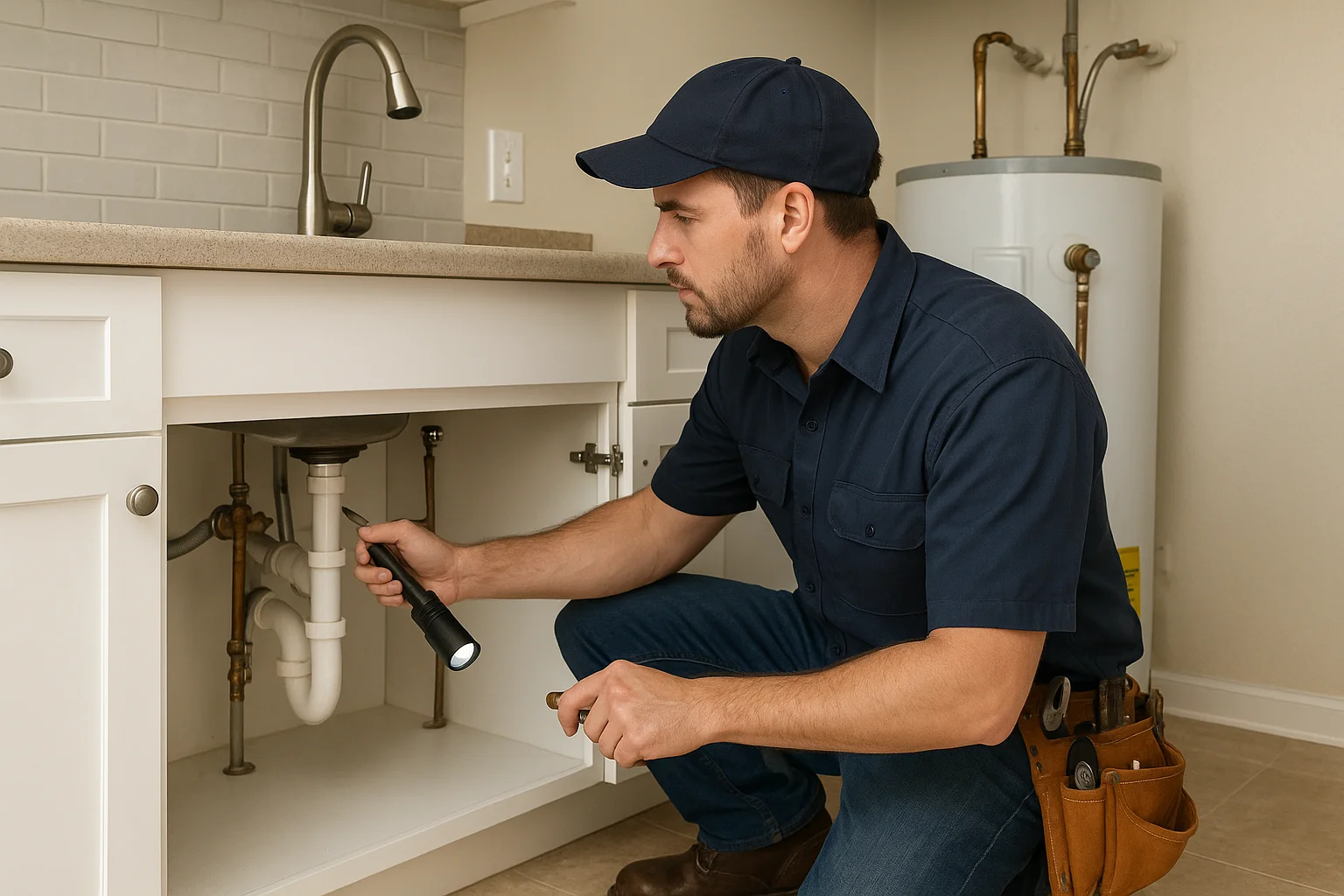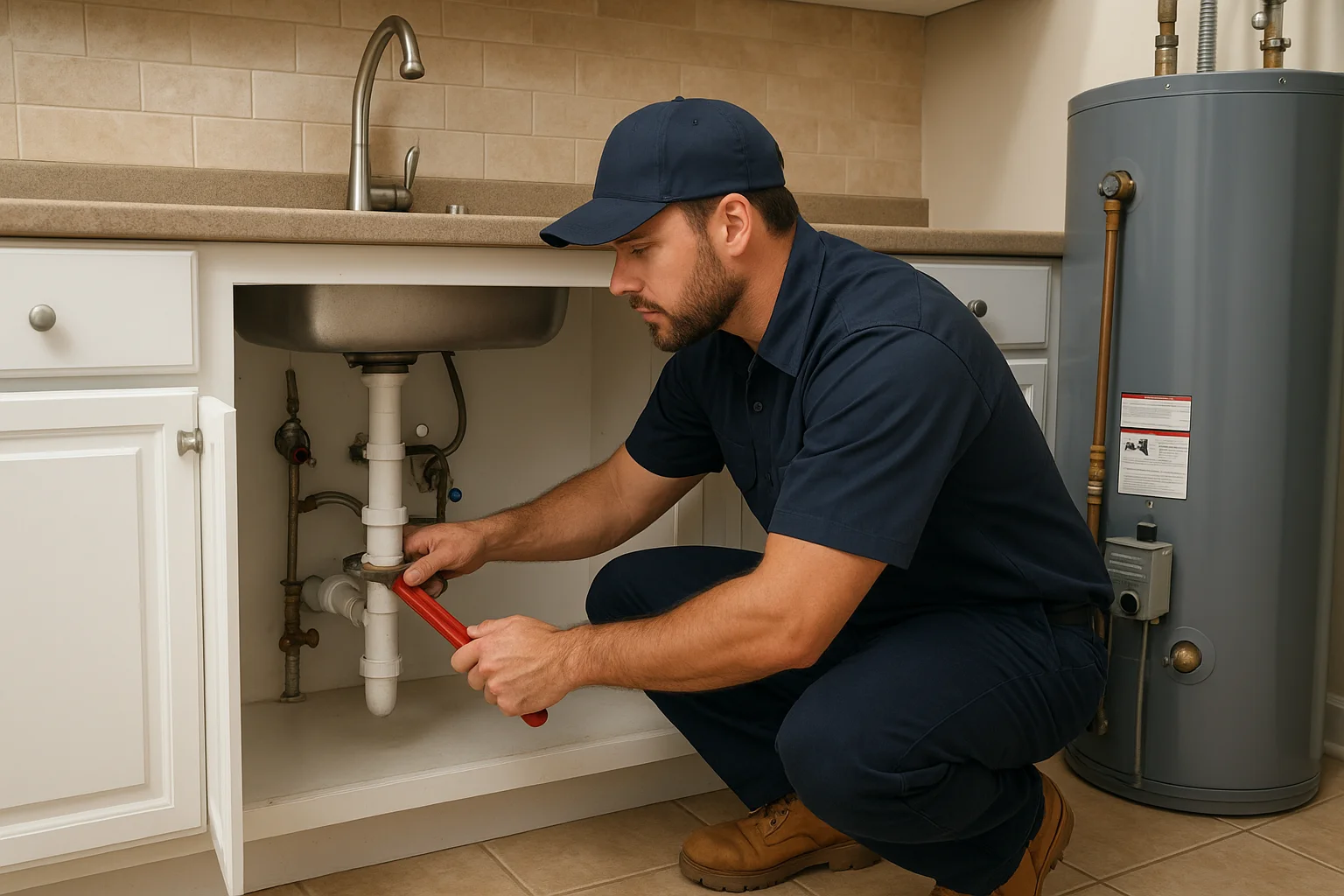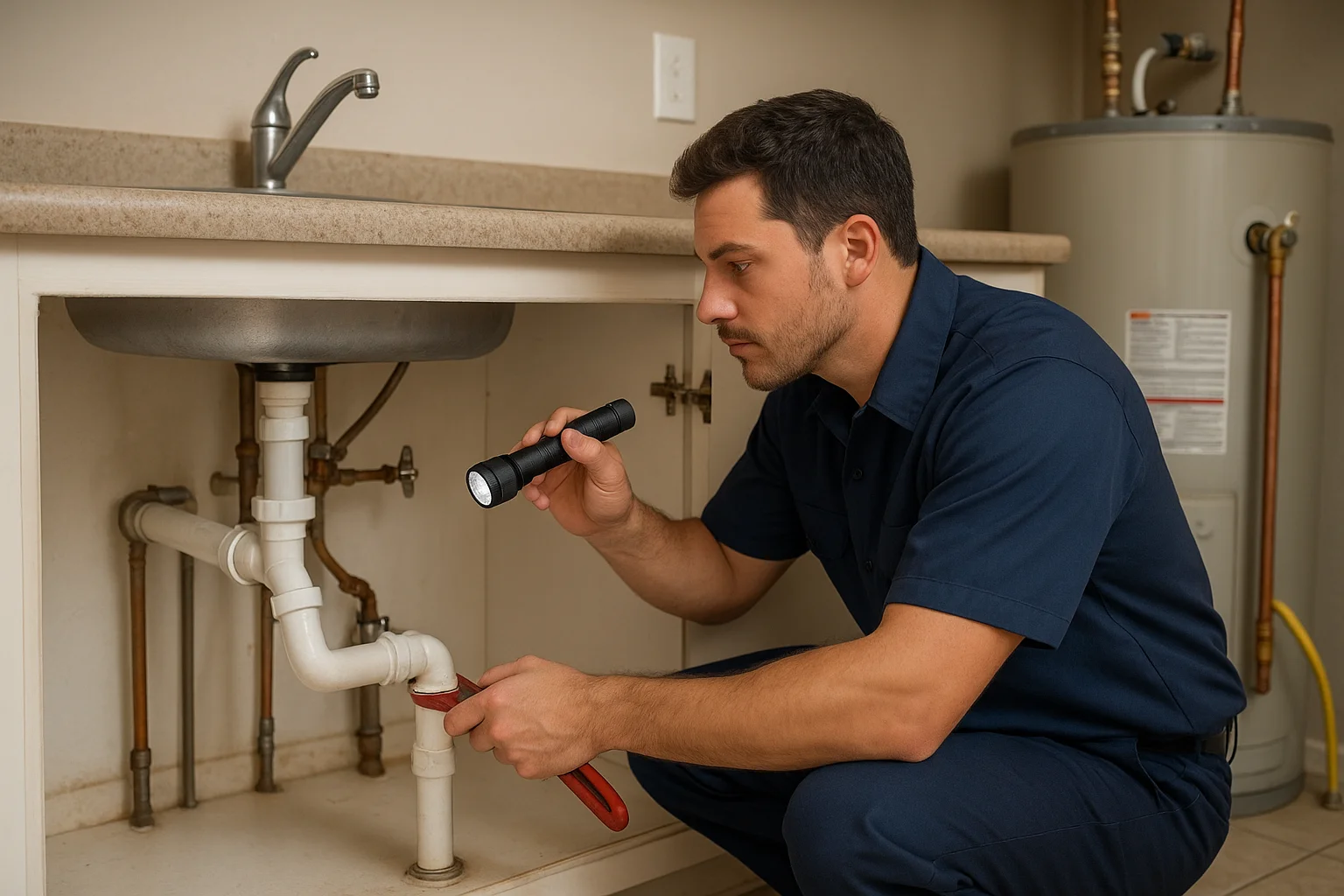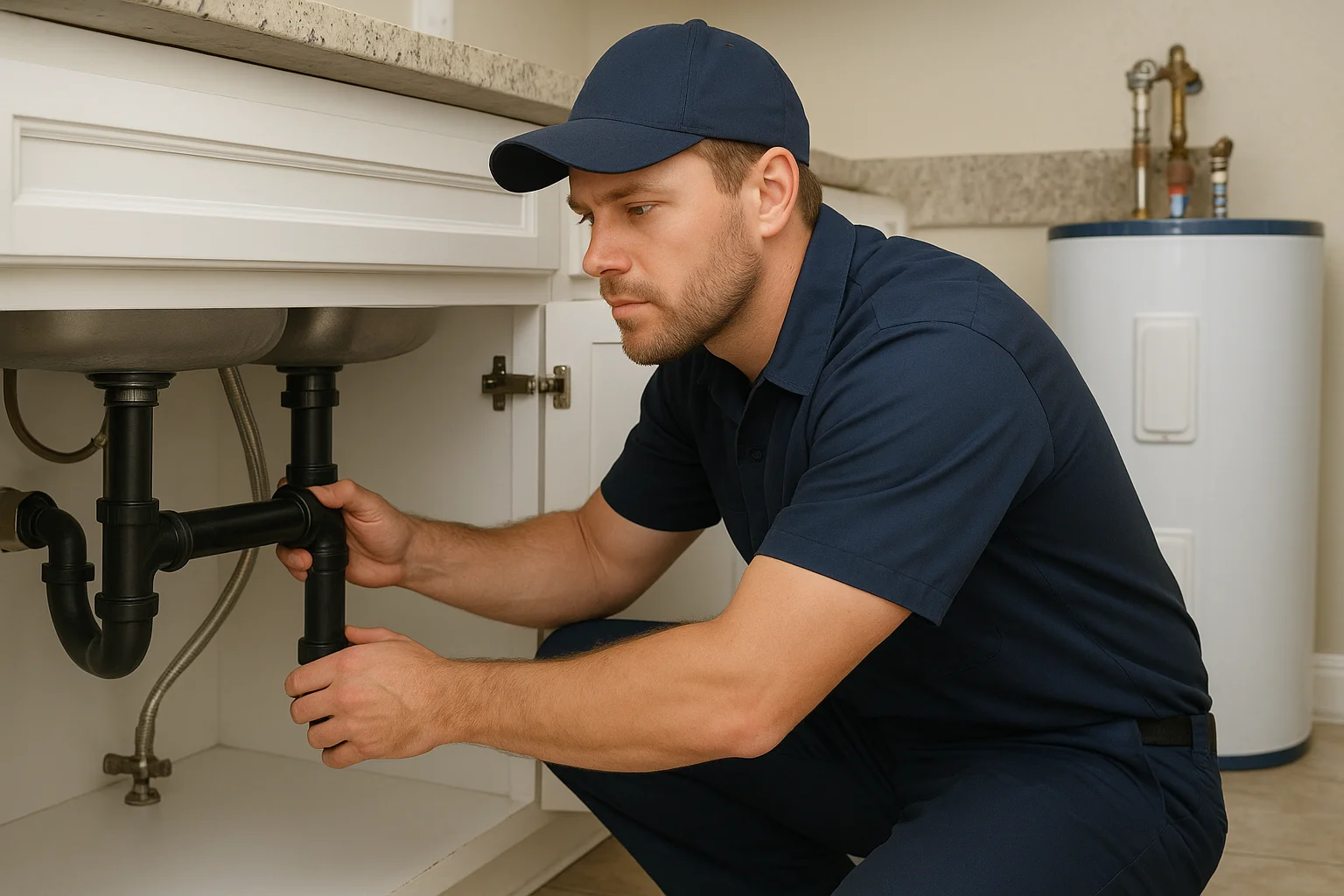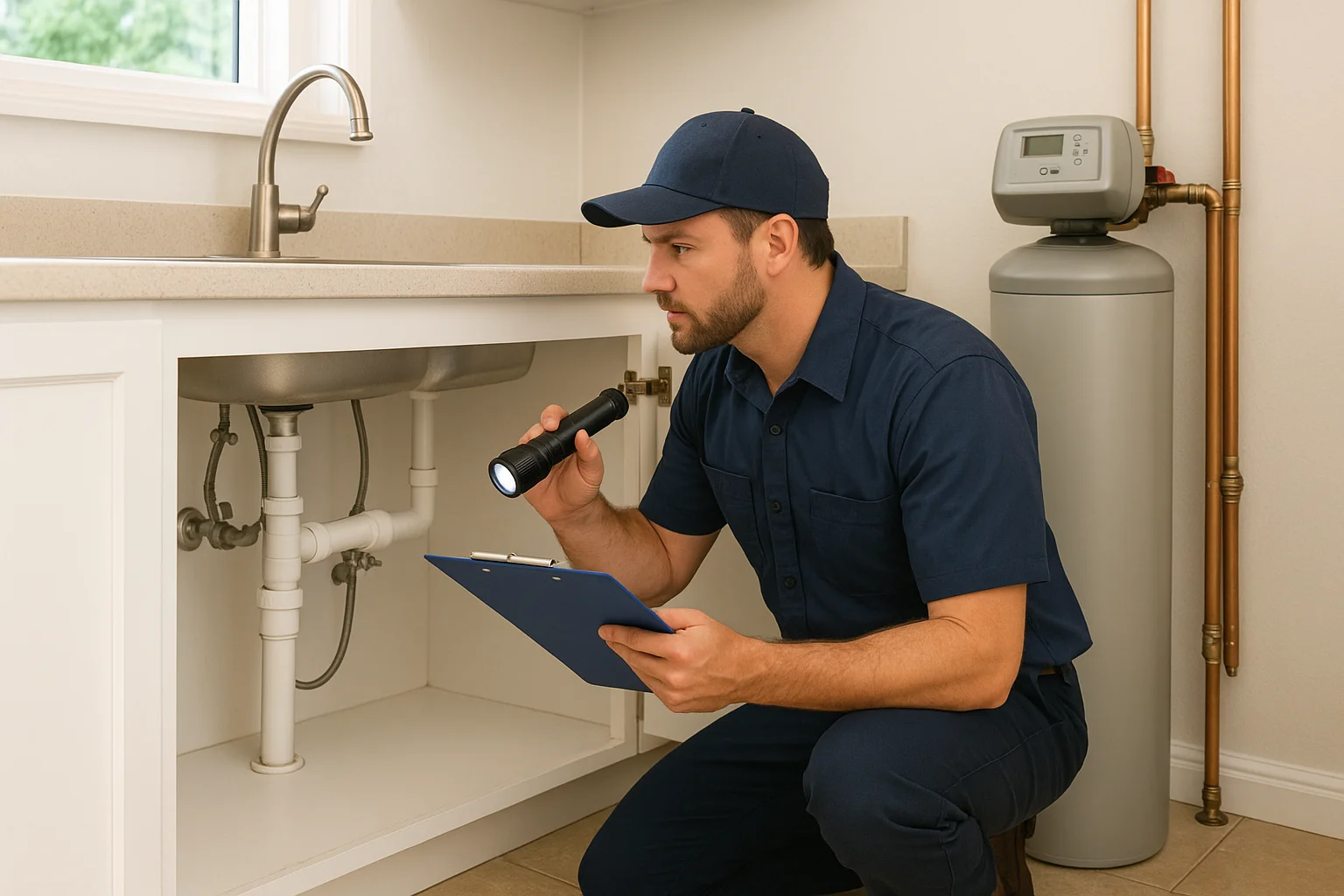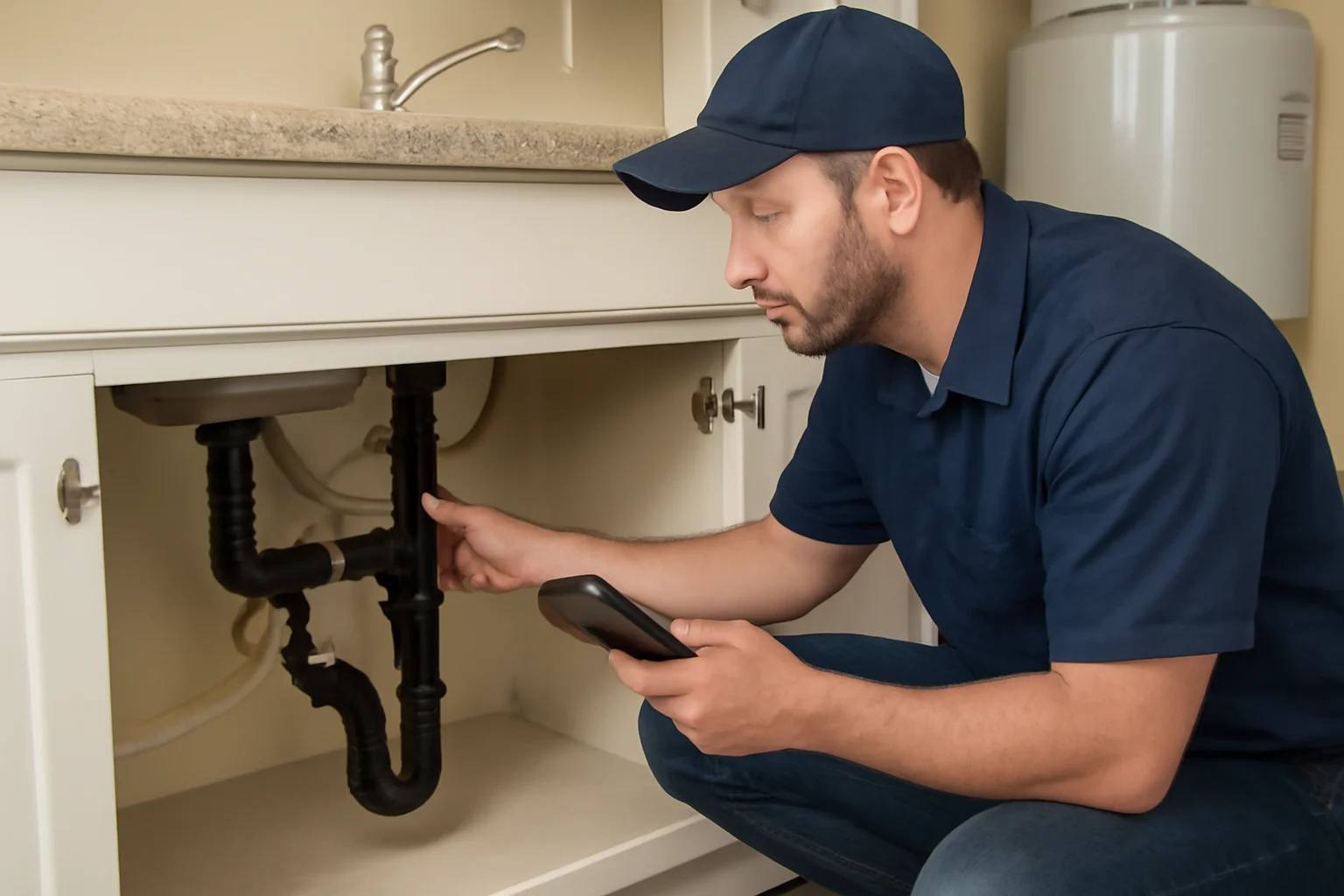
Santa Rosa Beach homes sit close to the Gulf, and that coastal environment can be tough on plumbing systems. Sand, humidity, and seasonal water demand changes can all affect how pipes behave under pressure. The biggest risk for homeowners is what you cannot see: a leak under a slab, a slow plumbing failure behind a wall, or moisture that turns into structural damage before you realize what is happening.
Planning ahead for leak detection and slab leak repair helps you protect flooring, avoid runaway water bills, and reduce the chance of emergency plumbing concerns. This guide walks through practical steps local homeowners can take, what usually causes slab leaks, and how A Superior Mechanical approaches accurate diagnostics in Santa Rosa Beach, Walton County.
Why planning ahead matters in Santa Rosa Beach
When plumbing leaks are hidden, they often start small. A slight change in water pressure, a damp spot that looks like humidity, or a drain that seems to take longer than usual can be easy to dismiss. But slab leaks are different. Because they occur beneath concrete, water can travel and pool in places you cannot immediately see. Over time, that can weaken the slab, damage flooring, and create conditions that encourage corrosion and mold.
Santa Rosa Beach also experiences humidity and frequent rain, which can mask the early signs of a plumbing leak. Meanwhile, summer water use and lawn irrigation schedules can change your daily consumption. Without a plan, it becomes harder to notice when your home’s plumbing is using more water than normal.
If you have ever searched for a leak detection near me because something felt “off,” planning ahead can help you move from guesswork to clear information. It also helps you choose the right licensed plumber near me for accurate diagnostics rather than trial-and-error repairs.
Know the common signs of slab leaks and hidden water leaks
Not every leak is dramatic. Many homeowners first notice subtle clues that something is happening under the foundation or in the plumbing runs that feed fixtures.
Water use and water pressure changes
One of the most useful habits is tracking water use. If your water bill rises without a clear reason, a slab leak may be a suspect. You may also notice water pressure changes, such as:
- Pressure dropping in one part of the home
- Pressure that fluctuates when a toilet refills or a faucet runs
- Water hammer sounds when pipes start or stop
Pressure changes can point to a leak, a failing valve, or a pipe issue that is affecting flow.
Moisture, odors, and flooring clues
Slab leaks can create moisture patterns you can see, even if the source is hidden. Watch for:
- Damp carpet or flooring near baseboards
- Discoloration on tile or warped wood
- A musty odor that appears after the home sits unused
- Cracks that widen over time near plumbing runs
Hard water can also contribute to mineral buildup inside pipes, which may worsen leak-prone areas. If your home has scale on fixtures, it can be a clue that your plumbing system is dealing with higher mineral content.
Toilets, faucets, and fixture behavior
A slow toilet leak or a failing faucet can sometimes be confused with a slab leak, but the patterns differ. Look for:
- Toilet that keeps refilling or runs quietly
- Faucets that drip even after you tighten them
- Hot water that takes longer than usual to arrive, suggesting issues in the water heater supply lines
Fixture problems are still important. If you are dealing with faucet repair near me or a toilet that will not stop running, addressing those issues promptly reduces the load on your system and helps clarify what is and is not a slab leak.
Drain and sewer line concerns
Plumbing leaks are not always isolated. In some homes, a failing sewer line or main drain issue can create persistent odors, slow drains, or backups that appear unrelated. If you notice recurring clogs or frequent gurgling, consider professional evaluation that includes sewer inspection. Searching for sewer backup repair near me often happens after backups become disruptive, but earlier diagnostics can prevent damage.
Planning also helps you separate “drain problems” from “water supply leaks,” which is key for correct repairs.
What causes slab leaks under Florida homes
Slab leaks typically happen because pipes beneath the foundation experience stress over time. In Santa Rosa Beach, common contributing factors include:
- Corrosion of older piping materials
- Pressure changes from irrigation cycles, household demand shifts, or malfunctioning pressure regulators
- Soil movement from wet and dry cycles that can shift the ground
- Wear at joints, where seals or connections are more vulnerable
- Tree root intrusion or nearby landscaping impacts, especially around sewer lines that can overlap with plumbing routes
Hard water and mineral buildup can add another layer of stress by accelerating internal corrosion. If you have been dealing with scaling on fixtures, you may also want to read about water quality. Helpful context is available in why water softening matters more in Santa Rosa Beach than most homeowners realize.
A smart homeowner checklist for leak detection planning
You do not need to be a plumber to prepare. A few simple steps can make leak detection faster and reduce the risk of unnecessary repairs.
1) Track baseline water use
Pick a normal week and record your water use. If you have a smart meter or online usage tracking, note the daily totals. Then compare during periods when you know demand should be stable, such as a day when no one waters the lawn.
If your home’s water use rises while everything seems normal, that is a strong reason to schedule leak diagnostics. This is especially valuable when you are trying to decide whether to search for emergency plumber near me or call for a planned evaluation.
2) Learn your water shutoff locations
Know where your main shutoff valve is and how to use it. If a leak worsens, being able to stop water quickly can limit damage to floors, cabinets, and drywall. Make sure everyone in the household knows where the shutoff is located.
3) Keep a simple log of symptoms
Write down the date and time you notice changes, such as:
- Pressure drop after showers
- New damp spots
- Toilet refilling behavior
- Any recurring drain backups
Plumbers rely on patterns. Your observations help a technician focus the investigation and reduce the guesswork that can come with rushed plumbing repair.
4) Schedule maintenance that keeps pipes and fixtures reliable
Many plumbing issues start with neglect. Regular maintenance reduces the chance of sudden failures and helps keep drains flowing. If you are building a local plumbing maintenance routine, consider:
- Periodic drain cleaning to prevent buildup that can lead to backups
- Inspections of high-use fixtures like toilets and shower valves
- Water heater service to protect hot water supply lines and reduce leaks
For drainage-focused care, see Drain Cleaning & Maintenance. And for broader habits, browse Plumbing Maintenance.
How professional leak detection works for slab leaks
Homeowners often assume leak detection means “listening for water.” Listening can help, but slab leak diagnostics usually require a more detailed approach. A Superior Mechanical uses methods designed to locate leaks accurately so repairs target the problem rather than guessing.
Pressure testing and flow analysis
Technicians may compare pressure behavior and flow rates to determine whether water is escaping and where the loss is likely occurring. This is especially useful when you suspect a slab leak but cannot find visible moisture.
Acoustic and electronic detection methods
Hidden leaks can create sound or vibration through pipes and structures. Detection tools can help pinpoint the approximate location under the slab. The goal is to narrow down the area so repairs are as precise as possible.
Inspection of fixtures and supply lines
Even if the concern is slab leak repair, a good diagnostic process checks common plumbing sources first. That includes toilets, faucets, and valves, plus the hot water heater supply lines. If you are also dealing with hot water issues, planning ties into water heater service. If you have been searching for hot water heater repair near me or water heater installation near me, note that leaks can occur around connections and supply piping, which may be mistaken for foundation moisture.
Slab leak repair planning: what homeowners should ask
Once leak detection confirms a slab leak, planning the repair matters. The work can affect flooring, access points, and timelines for restoring normal water use.
Ask about the repair approach and access points
Slab leak repair may involve locating the leak area and opening an appropriate section of the slab or accessing the plumbing through a practical entry point. A clear explanation of where access will be made helps you prepare your home.
Confirm pipe material and replacement strategy
Older homes may have piping materials that are more prone to corrosion. A reliable plan usually includes replacing the affected section with appropriate materials and ensuring connections are sealed correctly. This is one reason “patching” without addressing the underlying issue can lead to repeat problems.
If you have a tankless system, slab leak diagnostics and repairs still matter because plumbing supply lines affect performance. Homeowners searching for tankless water heater repair near me often want stable hot water, and leaks can complicate flow and pressure behavior.
Discuss water shutoff timing and daily living impact
Plumbing repairs can require temporary water shutoff. Ask how the schedule will work, how long access areas may be open, and what you can do to protect floors and belongings.
Prevention habits that reduce slab leak risk
While you cannot prevent every leak, you can reduce the chances of hidden failures and catch problems early.
Watch water pressure and avoid sudden spikes
High pressure increases stress on pipes and joints. If your home experiences pressure surges, especially during irrigation or heavy usage, ask a plumber to check your pressure regulator. Keeping pressure stable can help protect both supply lines and fixtures.
Be mindful of irrigation and soil moisture cycles
Santa Rosa Beach landscaping often relies on consistent watering. Overwatering can change soil conditions around the foundation, which can contribute to pipe stress. Underwatering can also cause ground movement. Keep irrigation schedules reasonable and consider a professional irrigation check if you see foundation movement or new cracks.
Maintain drains to prevent pressure backflow and sewer strain
Clogged drains can increase pressure within plumbing lines. That can contribute to leaks or create backup conditions. If you are searching for main drain cleaning near me because backups are becoming more frequent, preventative cleaning may be a better fit than repeated emergency responses.
If you suspect sewer line involvement, ask about sewer inspection near me so you can understand what is happening underground rather than treating symptoms.
Service water heaters and check for supply line leaks
Water heaters are part of your home’s plumbing network. Small leaks around fittings can escalate. If you are planning seasonal maintenance, include water heater service. This is also a good time to evaluate whether your hot water heater needs repair or replacement.
For related context on local water considerations, see why better water matters in Santa Rosa Beach homes.
Emergency plumbing concerns: when to treat it as urgent
Some leaks cannot wait. If you see active water pooling, hear constant water running, or notice a sudden drop in water pressure with dampness spreading, treat it as urgent. Also act quickly if you smell sewage or see signs of a sewer backup. These situations can lead to contamination and fast damage.
When time matters, search for emergency plumber near me and call immediately. Having a plan for shutoff and a list of symptoms ready can save time when a technician arrives.
For homeowners dealing with recurring clogs or backups that turn into urgent problems, you may also want to review Plumbing Replacement if your system is aging and repairs keep coming back.
Choosing a local plumber for leak detection in Santa Rosa Beach
Leak detection is detail work. A local team familiar with Santa Rosa Beach homes and typical plumbing setups can improve accuracy and reduce disruption. Look for a company that:
- Uses a structured diagnostic process, not guesswork
- Communicates findings clearly and explains next steps
- Understands how slab leaks can affect flooring, foundations, and sewer lines
- Offers repair options that focus on long-term results
If you are trying to find a plumber who can handle both detection and slab leak repair, start with the service page for Leak Detection & Slab Leak Repair. For broader coverage across the area, visit Santa Rosa Beach plumbing services and the Walton County service area overview.
How to prepare your home before a leak detection visit
A little prep can make diagnostics smoother. Before the technician arrives:
- Clear access to the areas you suspect, such as under-sink cabinets, utility closets, and accessible wall sections
- Note any recent plumbing work, such as fixture installation, drain cleaning, or water heater repairs
- Share your water use observations, including any recent spikes
- Confirm whether any nearby landscaping changes happened in the past few months
If you recently installed a new fixture or had a repair, it can help the technician determine whether the issue is related to fittings, supply lines, or drain connections. For fixture-level care, consider Plumbing Fixture Installation & Maintenance.
Building a maintenance plan that prevents repeat leaks
Leak detection is not just about one repair. It is about protecting your home’s plumbing system going forward. After a slab leak repair, ask what monitoring steps you should take and whether any related plumbing components should be inspected.
For example, if a leak affected a section of supply piping, the surrounding lines may have aged as well. If you have recurring drain issues, pairing slab leak repair planning with drain maintenance can reduce strain on your system. Many homeowners find that a consistent routine is the best way to avoid repeated emergencies like emergency pipe repair near me or emergency drain cleaning near me searches.
When plumbing maintenance is handled proactively, you can keep water flowing reliably through pipes, drains, and fixtures, protect your water heater, and reduce the chance of hidden damage that is expensive to reverse.
Find Leak Detection & Slab Leak Repair in Santa Rosa Beach, FL
If you need Leak Detection & Slab Leak Repair in Santa Rosa Beach, FL, visit our local service page or contact A Superior Mechanical today.
Map of Santa Rosa Beach, FL
Frequently Asked Questions
What is the fastest way to confirm a suspected slab leak?
Start with professional leak detection. A technician will typically use pressure testing and other diagnostic tools to determine whether water is escaping and narrow down the approximate location under the slab. That lets repair target the real source.
Can a slab leak cause sewer line problems or backups?
They are different systems, but slab leaks can contribute to moisture and pressure changes that complicate plumbing performance. If you notice odors, gurgling, or recurring backups, ask about sewer inspection near me so a plumber can evaluate both supply and drainage.
How can I tell the difference between a toilet leak and a slab leak?
A toilet leak usually shows up as continuous running, frequent refilling, or water rising in the bowl after it should be stable. A slab leak more often affects overall water use, water pressure, and can create damp flooring or cracks that do not match one fixture.
Will I need to shut off my water during slab leak repair?
Often, yes. Repair work may require temporary shutoff to prevent additional water damage. Your technician should explain the shutoff plan, timing, and how your home will be managed during the repair.
How often should Santa Rosa Beach homeowners schedule plumbing maintenance to prevent hidden leaks?
A practical approach is to include routine checks for fixtures and drains, plus water heater service as recommended for your system. If you have older plumbing, frequent water use, or notice changes in pressure or water bills, schedule leak detection sooner rather than waiting for a visible problem.
Related Articles
Photo Gallery