Inlet Beach homeowners know how quickly the weather can change along the Gulf. Salt air, summer storms, and hurricane season can all put stress on a home’s electrical system, especially when the power goes out without warning. Planning ahead for a backup generator is not just about comfort. It is also about protecting wiring, breakers, appliances, and the circuits that keep a house running safely.
For families comparing options for power backup generators in Inlet Beach, FL, the best time to plan is before there is an outage. A thoughtful setup helps avoid rushed decisions, overloaded panels, and unsafe temporary hookups. It also gives an electrician time to check the home’s electrical capacity, grounding, and transfer equipment so the system works the way it should when the lights go out.
Why backup power matters so much in a coastal town
Homes in Inlet Beach face a mix of weather and electrical demands that make backup planning especially important. Moist coastal air can speed up corrosion on outdoor equipment, and storms can create repeated outages that are hard on panels, breakers, and sensitive electronics. Newer homes may have larger electrical loads from EV chargers, smart appliances, and extensive lighting. Older homes may still rely on panels or wiring that were never designed for today’s power use.
That is why local electrical service matters. A generator is only one piece of the system. The panel, transfer switch, grounding, surge protection, and branch circuits all need to work together. If one part is undersized or outdated, the generator may not provide the protection homeowners expect. For homeowners in the city, visiting the Inlet Beach service area page is a good starting point for local support from an electrician familiar with coastal homes and storm-related electrical concerns.
Start with the home’s electrical load, not the generator brochure
One of the most common planning mistakes is choosing equipment before understanding the home’s actual power needs. A backup generator should match the circuits you want to keep running, such as refrigeration, lighting, internet equipment, garage doors, security systems, and selected outlets. If the home has an electric range, well pump, pool equipment, or an EV charger, those loads can change the size and type of generator needed.
An electrician can review the panel and determine whether a whole-home backup setup makes sense or whether a more targeted system is the better fit. Some homeowners only need essential circuits covered. Others want a larger system that supports HVAC, a kitchen, and more of the house at once. If the panel is already crowded, a whole home backup solution may require panel work, a sub panel, or load management to keep the system safe and code compliant.
What an electrical load check usually looks at
The load review should include the main service size, panel condition, breaker space, dedicated circuits, and whether the home has any high-demand equipment. It also helps to know if the house has had remodels, additions, or appliance upgrades. A kitchen renovation, added living space, or new outdoor lighting can all increase demand in ways that are easy to overlook. Homeowners searching for electrical panel replacement near me or sub panel installation near me are often dealing with the same problem: the system has outgrown the original design.
Panels, breakers, and wiring need to be part of the plan
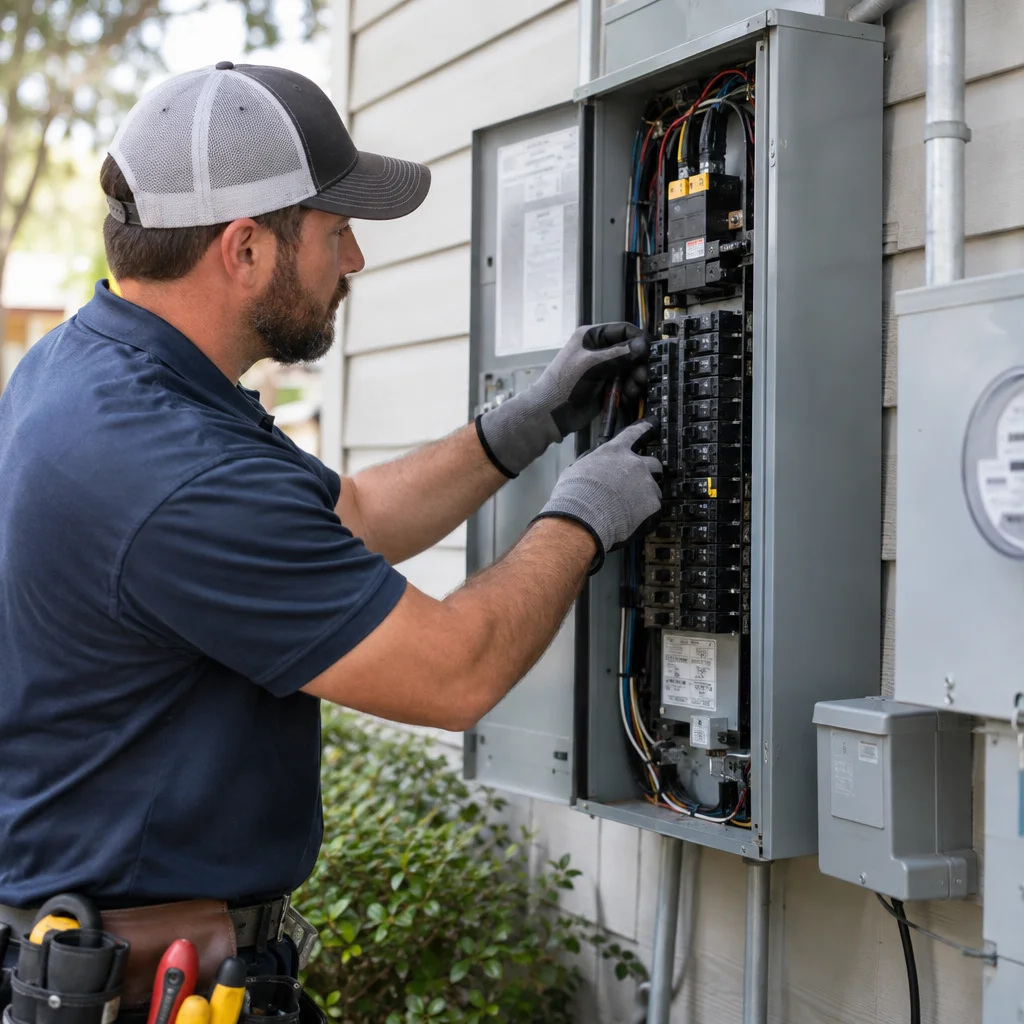
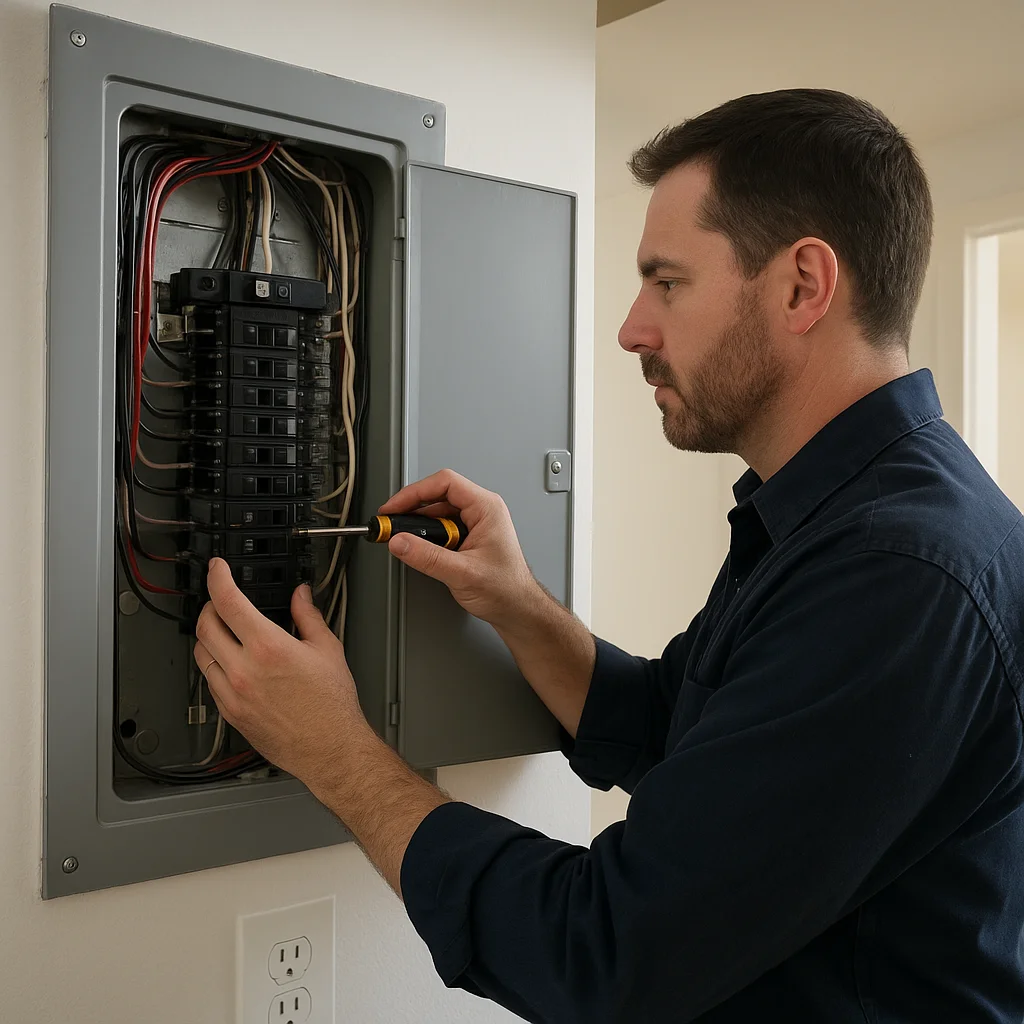
Backup generator planning should include a close look at the electrical panel. If breakers trip often, if the panel has corrosion, or if the labeling is unclear, those issues should be addressed before generator installation. A backup system will not solve underlying electrical problems. In some homes, the right move is panel repair or replacement, breaker repair, or old wiring replacement so the generator can connect to a stable system.
Homes that still have older aluminum wiring, worn receptacles, or outdated grounding may need electrical repairs before a generator is installed. The same is true if there are outlets that need GFCI protection in kitchens, baths, garages, or outdoor spaces. Those details matter because a generator can keep power flowing, but it should not bypass the safety features that protect the home during normal use and during outages.
When an outlet repair near me search points to a bigger wiring issue, it is often a sign that the electrical system needs a broader inspection. A home safety inspection electrician near me style evaluation can reveal overloaded circuits, loose connections, or grounding problems before they become emergency calls during a storm.
Transfer switches and safe connection points are essential
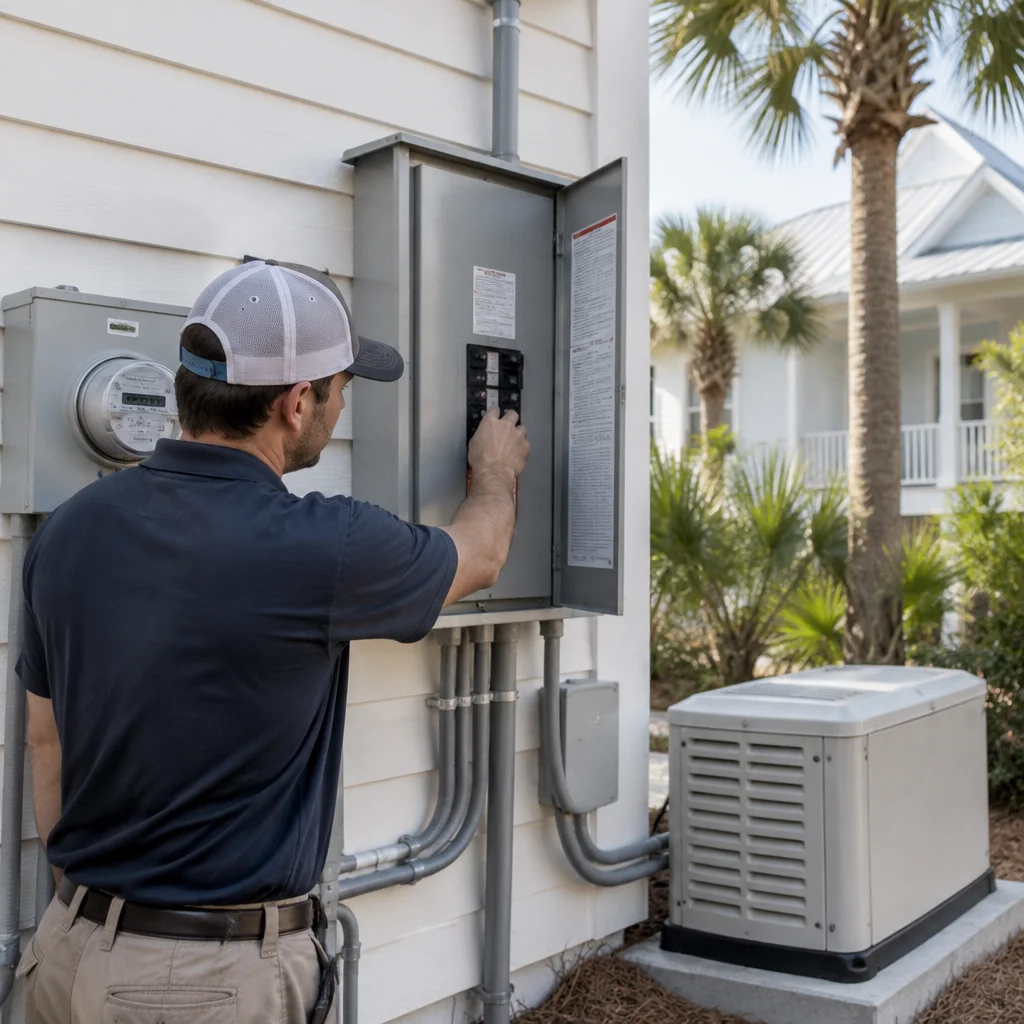
A generator should never be connected in a way that backfeeds the utility lines. That creates a serious hazard for crews and neighbors. The safe solution is a properly installed transfer switch or another approved backup power control system. This is where professional generator installation makes a major difference. The electrician can verify the home’s service equipment, select the right transfer method, and make sure critical loads are isolated correctly.
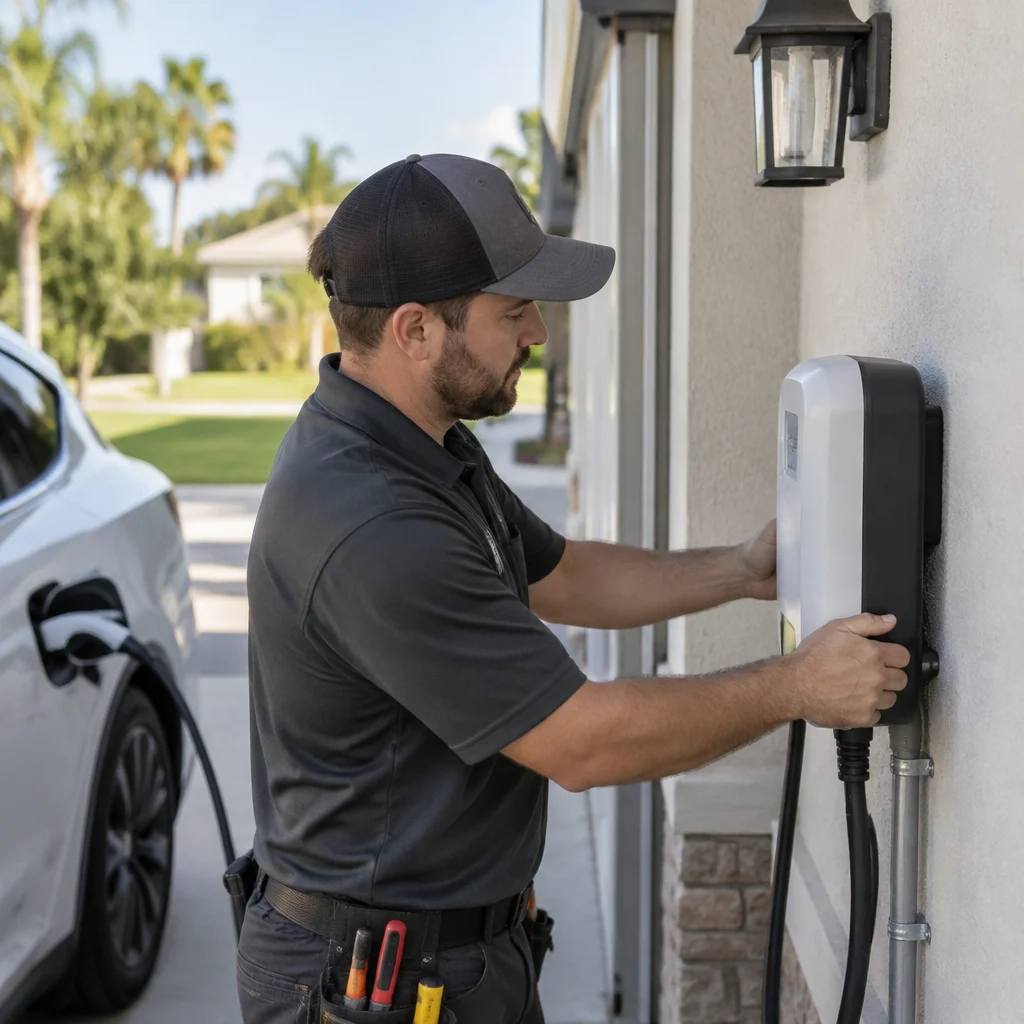
For smaller setups, homeowners sometimes ask about a portable generator hookup near me. That can be a practical option when installed correctly with the proper inlet, transfer equipment, and load limits. For larger or more permanent protection, a standby generator with automatic transfer is usually the better choice. If the home also needs EV charger installation, the electrician should look at how both systems affect the panel so the generator plan does not create future overloads.
Why transfer switch placement matters in coastal homes
Inlet Beach homes often have garages, side yards, or elevated utility areas where equipment placement has to account for flooding risk, salt exposure, and access for maintenance. The transfer switch should be easy to reach, protected from weather, and installed with code compliance in mind. If the home has a detached garage, workshop, or addition, the generator plan may also need dedicated circuits or a feeder upgrade to serve those spaces safely.
Surge protection should be part of every generator conversation
Backup power is only one layer of protection. Storm-related voltage spikes can damage appliances, TVs, routers, and control boards even if the generator works perfectly. Whole-home surge protection helps defend the panel and sensitive electronics from utility surges and switching events. In a coastal area where weather can change fast, surge protection is a smart companion to generator planning.
If the home has a lot of electronics, a home office, or smart lighting controls, surge protection becomes even more important. It also helps protect hardwired devices like ceiling fans, lighting controls, and smoke alarms. Homeowners who have recently searched for lighting installation near me or light switch installation near me may already know how much modern homes depend on stable power for everyday convenience.
Think beyond the house: outdoor spaces and special circuits
Many Inlet Beach properties include outdoor living areas, pool equipment, exterior lighting, or garages with extra outlets. Those features can add comfort, but they also change the electrical design. Generator planning should account for GFCI protection outdoors, weather-resistant outlets, and any dedicated circuits that need to stay online during an outage. If the home has a spa, workshop, or heavy-duty appliance, the electrician may recommend a separate circuit or a dedicated load strategy.
That is especially true in remodels and additions, where the electrical system may have been expanded in stages. A generator can support those spaces, but only if the wiring, breaker sizing, and grounding are all in good shape. For homeowners comparing appliance circuit installation near me or garage ev charger wiring near me, it is worth asking how those upgrades fit into the backup power plan.
Maintenance keeps backup power ready for storm season
A generator that sits unused for months can still fail when it matters if it has not been maintained. Batteries weaken, fuel systems need attention, connections can loosen, and coastal humidity can affect outdoor components. Regular inspections help catch small issues before they become emergency electrical concerns. That is especially important in Walton County, where storm season can bring repeated outages and long recovery periods.
Routine maintenance should include testing the transfer switch, checking the battery, inspecting connections, confirming the generator starts under load, and reviewing the panel for wear or corrosion. If the home has had recent electrical work, such as ceiling fan services, lighting upgrades, or switch replacements, it is a good time to confirm the system still has room for the backup load. Homeowners searching for electrical services near me often need a combination of maintenance and repair, not just one isolated fix.
Code compliance and inspections protect the whole system
Generator work should always follow local electrical code and manufacturer requirements. That includes proper clearances, grounding, conductor sizing, transfer equipment, and labeling. If the home has had additions or older repairs, an inspection can uncover issues that need correction before the generator is connected. This is especially important in older Inlet Beach homes where previous work may not match current standards.
Code corrections may also be needed for GFCI outlets, outdoor receptacles, smoke detector circuits, or panel labeling. If your home needs added protection, a smoke detector and carbon monoxide detector service can be a smart companion to generator planning, especially in homes that rely on fuel-powered backup equipment. For families comparing local electrician near me options, code knowledge is one of the clearest signs you are working with a qualified electrical contractor.
How homeowners can prepare before the next outage
The best generator projects start with a simple review of the home’s electrical system. Look at the main panel, note which circuits matter most, and think about what actually needs power during an outage. That may include refrigeration, a few lights, internet, phones, medical devices, garage access, and selected outlets. From there, an electrician can help decide whether the home needs a transfer switch, panel upgrade, dedicated circuits, or a larger backup system.
If you are already planning other electrical work, it can make sense to combine projects. A kitchen remodel may call for kitchen lighting installation near me or recessed lighting installation. A new garage setup may require EV charger wiring. A growing family may need more outlets, better lighting, or a panel upgrade. Coordinating those jobs with generator planning can save time and reduce the chance of rework later.
For homeowners in Inlet Beach and throughout Walton County, backup power is part of a larger electrical maintenance strategy. The goal is not just to survive the next outage. It is to make sure the home’s wiring, breakers, outlets, and safety devices are ready for it.
A Superior Mechanical helps homeowners plan generator systems with the rest of the electrical service in mind, from inspections and code corrections to panel upgrades and surge protection. That kind of local planning matters in a coastal community where storms, salt air, and changing power demands can all affect how a home performs when the grid goes down.
Find Power Backup Generators in Inlet Beach, FL
If you need Power Backup Generators in Inlet Beach, FL, visit our local service page or contact A Superior Mechanical today.
Map of Inlet Beach, FL
Frequently Asked Questions
How do I know what size backup generator my Inlet Beach home needs?
The right size depends on the circuits and appliances you want to run, your panel capacity, and whether you want essential backup or whole-home coverage. An electrician can review the load and recommend a system that fits the home safely.
Can a generator be added to an older electrical panel?
Sometimes, but the panel may need repairs, labeling, breaker updates, or a full replacement first. Older panels, outdated wiring, and limited breaker space can affect how the generator connects and how safely it operates.
Do I need a transfer switch for a backup generator?
Yes, in most residential setups a transfer switch or approved transfer equipment is needed to prevent backfeeding and to keep the generator connected safely. It is one of the most important parts of the installation.
Should surge protection be installed with a generator?
Yes. Surge protection helps shield appliances, electronics, and control boards from storm-related voltage spikes and utility switching events. It is a smart addition in coastal areas like Inlet Beach.
How often should a standby generator be serviced?
Most systems should be inspected and tested regularly, often at least once a year, with more attention before storm season. Maintenance should include battery checks, transfer switch testing, and a review of electrical connections.
Related Articles
Photo Gallery