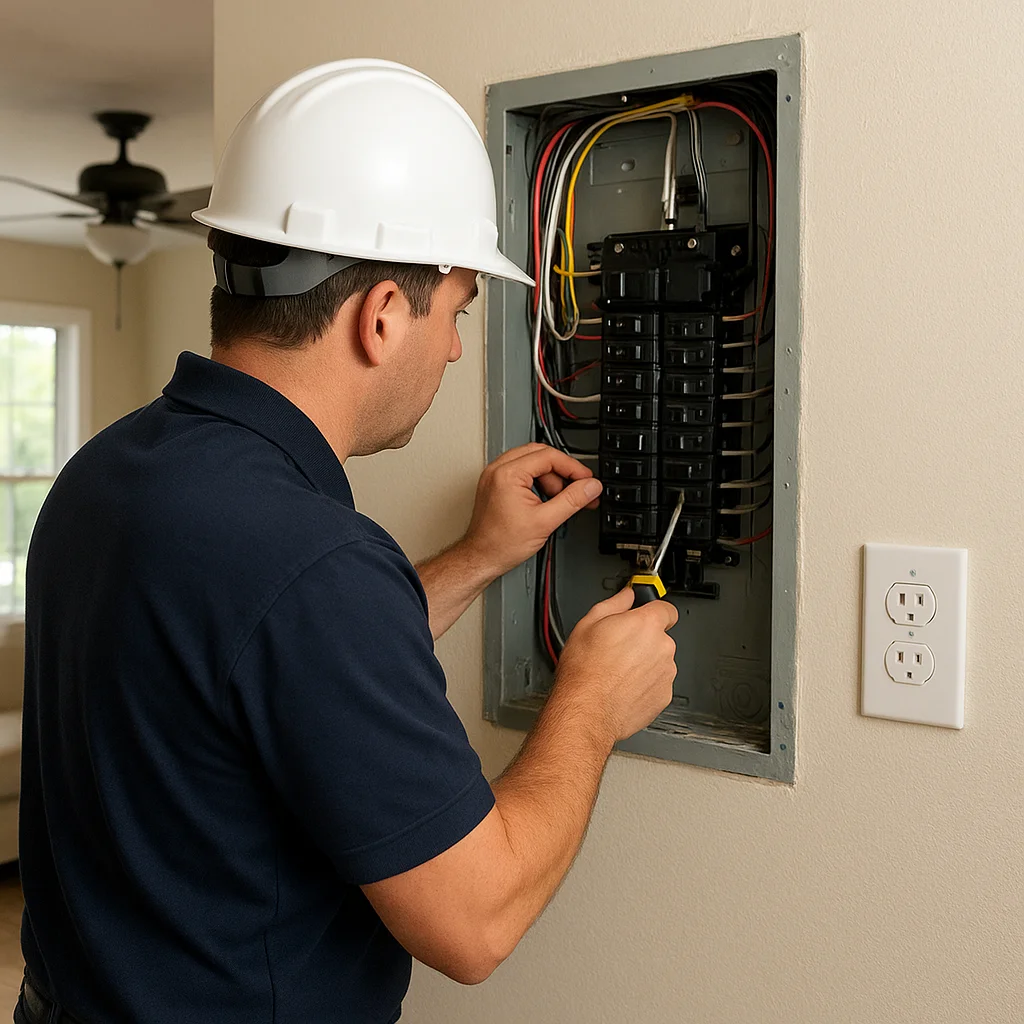
Niceville homeowners know that power outages are more than an inconvenience. In Okaloosa County, summer storms, coastal wind, and sudden utility interruptions can leave a home dark, warm, and vulnerable in a matter of minutes. A properly planned backup generator helps keep the essentials running, but the generator itself is only part of the story. The real value comes from safe electrical design, correct transfer equipment, and a system that fits the home’s panel, circuits, and overall power demand.
For homeowners comparing options or searching for power backup generators in Niceville, FL, it helps to understand how the system works and what an electrician should check before installation. A Superior Mechanical helps local homeowners, rentals, and businesses protect critical loads with electrical work that is sized and installed for real world conditions in Niceville.
Why backup power matters so much in Niceville
Niceville has a mix of older homes, newer construction, remodels, and additions, and each one handles power differently. Older houses may still have outdated panels, limited circuit capacity, or wiring that was never designed for today’s appliances, home offices, and charging equipment. Newer homes often have more electronics, larger HVAC loads, and more demand on the electrical system than a home built decades ago. When the power goes out, those differences matter.
Storm season is a big part of life along the Gulf Coast, and even a short outage can create problems. Refrigerators warm up, sump pumps stop, internet service drops, and medical or security equipment can be interrupted. A generator keeps priority circuits energized, but only if the home’s electrical system is ready for it. That is why local electrical service matters. An electrician who works in Niceville and across Okaloosa County understands local weather, common home layouts, and the code details that affect generator installation.
How a standby generator connects to the home
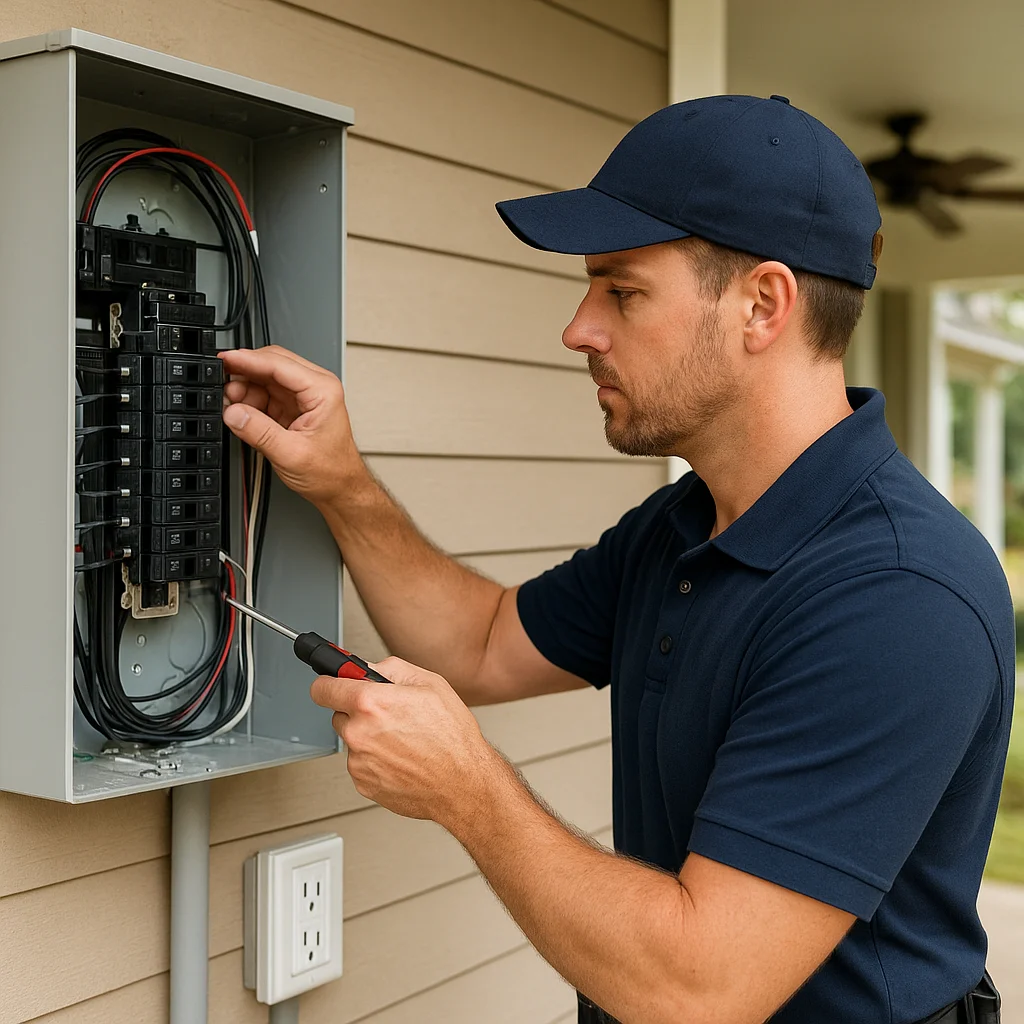
A standby generator is not just a machine sitting outside the house. It is tied into the electrical system through a transfer switch or similar transfer equipment that safely separates utility power from generator power. That separation is essential. Without it, a generator can backfeed into the utility lines, which is dangerous for lineworkers and damaging to the home.
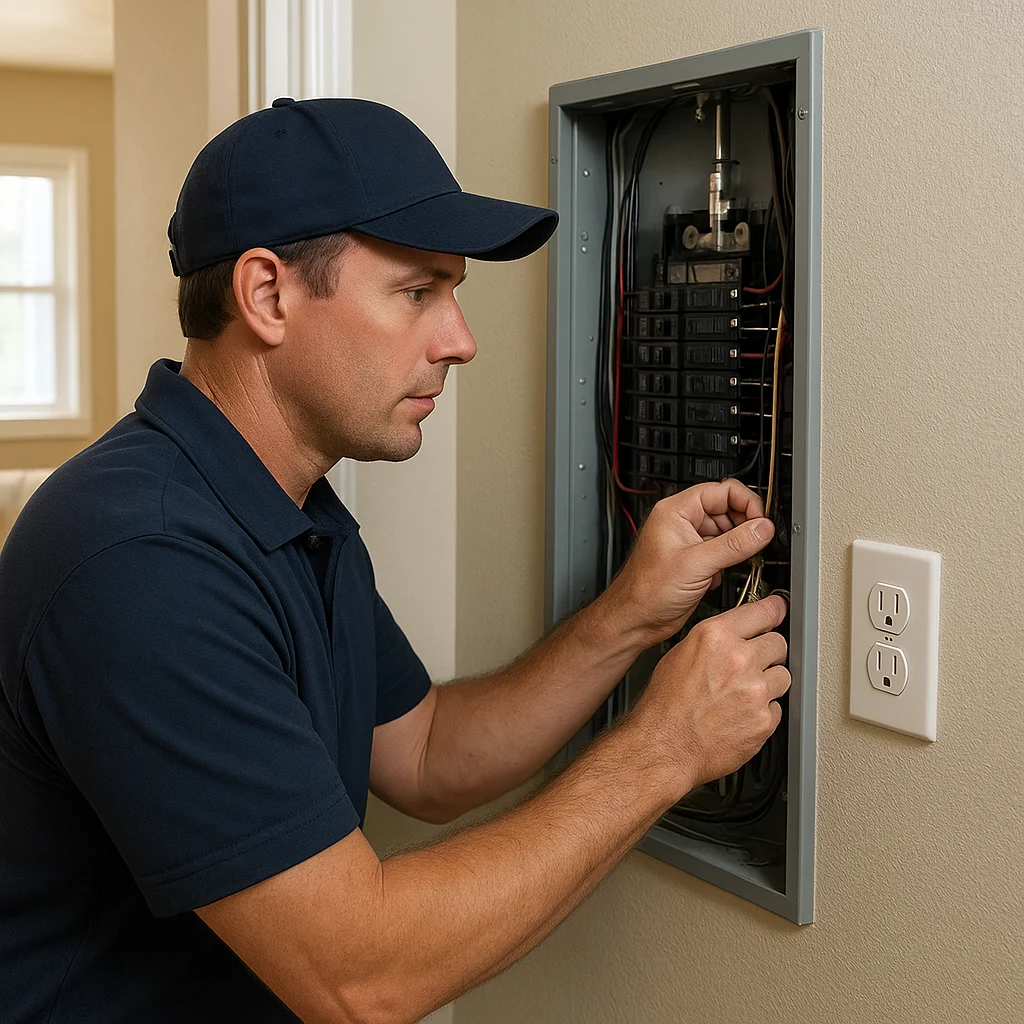
The electrician will review the main panel, meter base, grounding, and the circuits that should stay on during an outage. Some homes only need the refrigerator, a few lights, internet equipment, and a garage door opener. Others need a larger setup for well pumps, security systems, refrigeration, or medical devices. In homes with high electrical demand, a device upgrades project may be part of the solution if switches, breakers, or controls need to be brought up to current standards.
Transfer switches and dedicated circuits
The right transfer switch helps the generator supply selected circuits without overloading the system. In some homes, dedicated circuits are added for critical loads so the generator can run efficiently. That may include kitchen receptacles, a lighting circuit, a few outlets, a garage circuit, or equipment tied to a home office. If a homeowner has been searching for a power outage electrician near me because the lights flicker or a breaker trips during storms, the issue may be bigger than the outage itself. It could point to an overloaded panel, loose connections, or a circuit that needs correction before generator work begins.
What an electrician checks before recommending generator installation
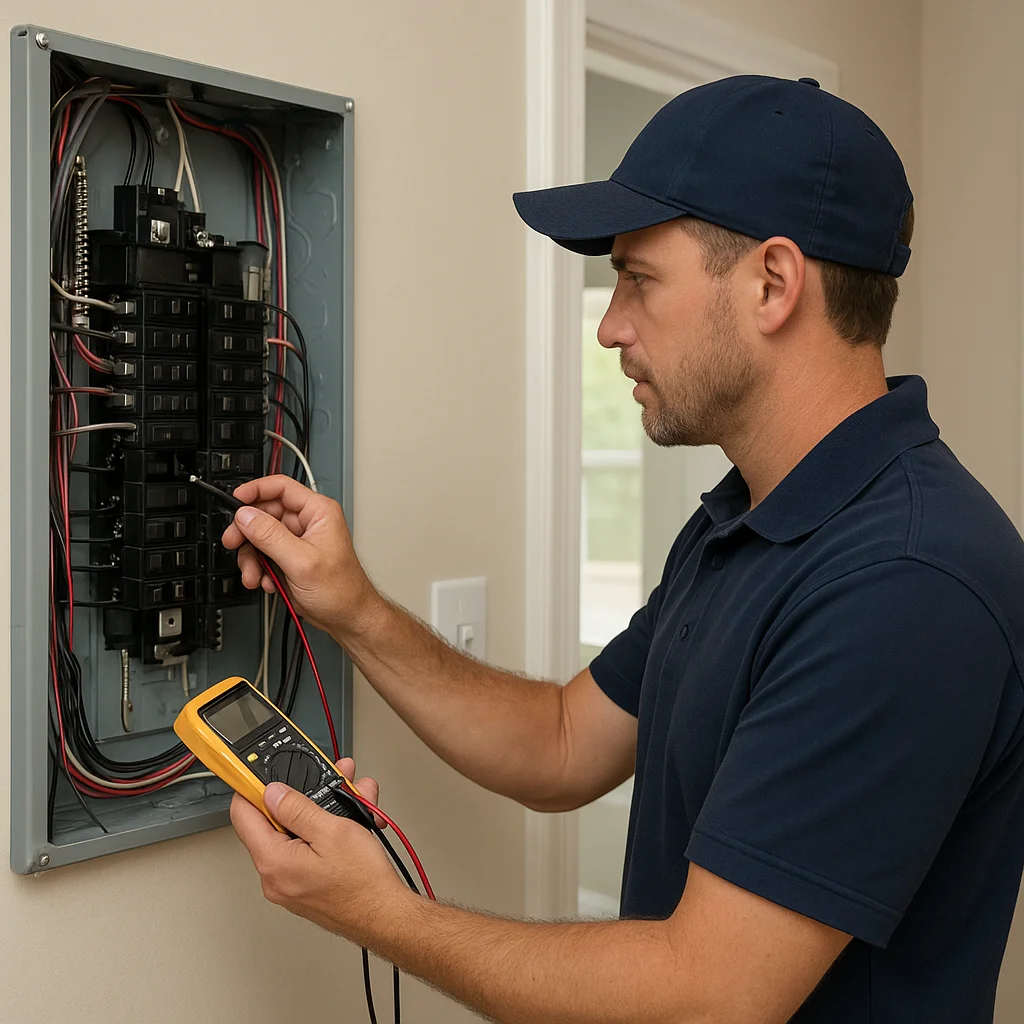
Generator installation starts with an electrical inspection, not with equipment selection. A good installer looks at the service size, panel condition, breaker space, grounding, bonding, and the condition of the home’s wiring. If the panel is outdated, a breaker box replacement near me search may be pointing to a real need, especially in older Niceville homes with fuse boxes, worn breakers, or signs of heat at the panel.
Homes with additions or remodeled kitchens often have circuits that were added over time without a full system review. That can create imbalance, nuisance tripping, or unsafe splices hidden in walls or attics. If the home has aluminum branch wiring, damaged receptacles, or repeated outlet issues, an electrician may recommend electrical repair in Niceville before generator installation so the backup system supports a safer home overall.
Panel size, breaker condition, and load planning
Generator systems have to match the panel and the home’s actual electrical load. A home with an electric range, water heater, EV charger, and multiple HVAC systems may need a larger service capacity than a home with basic loads. That is where homeowners searching for generator installation near me often benefit from a full load calculation. If the panel is undersized, a 200 amp panel upgrade near me search may be part of the conversation before a standby generator can be installed safely.
It is also common to find weak breakers, loose lugs, or heat damage around the service equipment. Those are not issues to ignore. A generator cannot solve a failing panel. It can only support a home that is already electrically sound.
Coastal weather, surge risk, and generator protection
In Niceville, storms bring more than outages. Lightning and utility surges can damage appliances, electronics, and generator controls. That is why surge protection should be part of the overall plan. A whole home surge protector helps shield the panel and sensitive devices, especially in homes with smart thermostats, network equipment, and modern appliances. If you have been looking for whole home surge protector near me or surge protector installation near me, pairing that protection with backup power is smart planning for Gulf Coast homes.
Generator installations also benefit from proper grounding and bonding. Coastal humidity, salt air, and wet weather can affect outdoor equipment over time, so connections need to be tight and code compliant. The same thinking applies to outlet protection, GFCI devices, and exterior circuits. A generator may keep the lights on, but safe electrical design keeps the whole system reliable.
Where backup power fits with the rest of the home
Backup generators are often part of a broader electrical maintenance plan. If a home already needs outlet repair, lighting installation, or wiring repair, those issues should be addressed before or alongside generator work. Outlets in kitchens, garages, bathrooms, and outdoor areas should have proper GFCI protection. Exterior receptacles used for seasonal lighting or tools should be weather rated and grounded correctly. If a homeowner has been searching for outlet installation near me or electrical repair near me because of dead receptacles or tripping breakers, a generator project is a good time to review the system as a whole.
Many Niceville homes are also adding ceiling fans, recessed lighting, outdoor landscape lighting, and smart controls. Those upgrades can increase convenience, but they also add to the electrical load. A homeowner searching for outdoor lighting installation near me or lighting installation near me may need circuit planning so the generator can support the right areas during an outage. Even a ceiling fan installation near me project can make sense to review if the home’s electrical system is already near capacity.
EV chargers, smart homes, and higher power demand
More Niceville homeowners are adding electric vehicles, smart home controls, and networked devices. That changes how much power the home uses and how backup power should be designed. A garage EV charger can be a major load, and it usually should not be part of a backup circuit unless the electrical system is specifically designed for it. If you have searched for garage ev charger wiring near me, level 2 ev charger installation near me, or tesla charger installation near me, ask your electrician how that load affects generator sizing and panel capacity.
Smart home integration and data network cabling can also be useful during outages, since many families want internet, security, and automation to stay online. Those systems should be wired cleanly and protected from surges. If the home is being updated for convenience and resilience at the same time, it is worth reviewing the electrical layout before adding more equipment.
Portable generators versus standby systems
Some homeowners only want a portable generator for short outages. That can be a practical choice, but it still needs safe connection methods. A portable generator should never be plugged into a wall outlet. It should be connected through a proper inlet and transfer setup installed by a qualified electrician. If you are searching for portable generator hookup near me, the goal is to make sure the connection is safe, code compliant, and sized for the circuits it will support.
Standby generators offer a different level of convenience. They start automatically and can protect the home even if no one is there. That matters for vacation rentals, seasonal properties, and homeowners who travel. For properties that need dependable backup, A Superior Mechanical can help design a system that fits the home instead of forcing the home to fit the generator.
Electrical warning signs that should not be ignored
Backup power planning often starts because a homeowner notices something else is wrong. Breakers that trip repeatedly, outlets that feel warm, lights that dim when appliances start, or buzzing at the panel can all point to a larger electrical issue. In some homes, a fuse box replacement near me search is really about bringing an older system into the modern era. In others, a meter base repair near me search may point to service equipment that needs immediate attention before any generator work can move forward.
Other warning signs include scorched outlets, loose switches, flickering lights, and circuits that fail when multiple appliances run at once. If those issues are happening now, the home may need electrical repair, breaker repair, or wiring repair before a generator is added. A generator should support a healthy system, not hide a problem.
Maintenance keeps backup power ready when storms arrive
Like any electrical equipment, generators need periodic inspection and maintenance. Connections can loosen, batteries can weaken, and transfer equipment should be tested so the system works when needed. Homeowners often wait until hurricane season to think about backup power, but that is the worst time to discover a problem. Preventive maintenance is especially important in coastal areas where moisture and weather can affect outdoor equipment.
Regular electrical maintenance should also include checking smoke detectors, GFCI devices, exterior lighting, and panel condition. If the home has a detached garage, workshop, or pool equipment, those circuits should be reviewed too. A generator can only help if the rest of the electrical system is dependable. If your property has ongoing issues, an electrician near me search should lead you to someone who can inspect the system, identify code corrections, and recommend the right mix of repairs and upgrades.
How local service helps Niceville homeowners make better decisions
Working with a local electrical contractor matters because Niceville homes are not all built the same. Some have older service equipment, some were remodeled in stages, and some are newer but already loaded with high-demand devices. A local electrician knows how storms affect the area, how coastal weather can wear on equipment, and how to plan for outages without oversizing or undersizing the system.
That local knowledge also helps when a project crosses into other electrical needs. A backup generator install might uncover the need for panel upgrades, dedicated circuits, outdoor receptacle corrections, or better lighting around the home. It may also connect with other home projects, such as smart home integration, data network cabling, or even planning around appliance upgrades. For homeowners thinking ahead, this is also a good time to review related electrical topics like preventive electrical service for new builds, AC maintenance planning, or water heater planning if the home is being updated in stages. Even projects like hydro jetting planning can matter in a larger property maintenance schedule when you are coordinating multiple trades around a renovation or rental property.
When the power goes out, the best backup system is the one that was planned before the storm. That means the panel is sized correctly, the transfer equipment is installed safely, the circuits are prioritized, and the home is protected from surges and code issues. For Niceville homeowners who want reliable backup power and honest electrical guidance, A Superior Mechanical provides generator installation, electrical inspections, panel upgrades, and the repair work needed to keep the system ready.
Find Power Backup Generators in Niceville, FL
If you need Power Backup Generators in Niceville, FL, visit our local service page or contact A Superior Mechanical today.
Map of Niceville, FL
Frequently Asked Questions
Do I need a permit for a backup generator in Niceville, FL?
In most cases, yes. Generator installation usually involves electrical permits, inspections, and code compliance. A licensed electrician can handle the process and make sure the transfer equipment, grounding, and wiring meet local requirements.
Can a standby generator run my whole house?
Sometimes, but not always. It depends on the generator size, the panel capacity, and the home’s electrical load. Many systems are designed to support critical circuits like refrigeration, lighting, outlets, internet, and select appliances.
What electrical upgrades might be needed before generator installation?
Common upgrades include panel replacement, breaker repair, meter base repair, dedicated circuits, surge protection, and wiring corrections. Homes with EV chargers, older panels, or added rooms may need more planning before backup power is installed.
How often should a backup generator be serviced?
Most standby generators should be checked at least once a year, and more often if the home is in a storm-prone area or the system runs frequently. Regular maintenance helps catch battery, transfer switch, and connection issues early.
Related Articles
Photo Gallery