Sandestin homeowners know that a power outage is more than an inconvenience. In a coastal area where storms, salt air, and heavy summer demand can all affect the electrical system, backup power has to be planned carefully. A generator is only one part of the setup. The panel, transfer equipment, wiring, grounding, outlets, and surge protection all need to work together so the system is safe and dependable when the grid goes down.
For property owners looking at power backup generators in Sandestin, FL, the goal is not just to keep a few lights on. It is to protect refrigerators, internet equipment, security systems, ceiling fans, sump or pump equipment where applicable, and the circuits that matter most during an outage. That is why local electrical service matters. Homes in Sandestin and across Walton County often have a mix of older wiring, remodel updates, additions, and newer appliances that all draw power differently.
Why backup power needs a full electrical plan, not just a generator
Many homeowners start by asking about the generator size. That matters, but it is only part of the picture. A standby generator has to connect safely to the home through a transfer switch or other approved transfer equipment. It also has to match the service size, panel layout, and the circuits the homeowner wants to support. If the electrical panel is already crowded, outdated, or showing signs of wear, a generator installation can expose problems that should be corrected first.
In Sandestin, this comes up often in homes that have been remodeled over time. A kitchen upgrade may have added dedicated circuits. A patio project may have added lighting or outlets. A garage conversion may have changed the load on the panel. If the system is not organized correctly, a backup generator may not be able to support the home the way the owner expects. That is why homeowners searching for electrical panel and upgrades often end up discussing generator readiness at the same time.
Panels, breakers, and circuits have to be ready for outage power
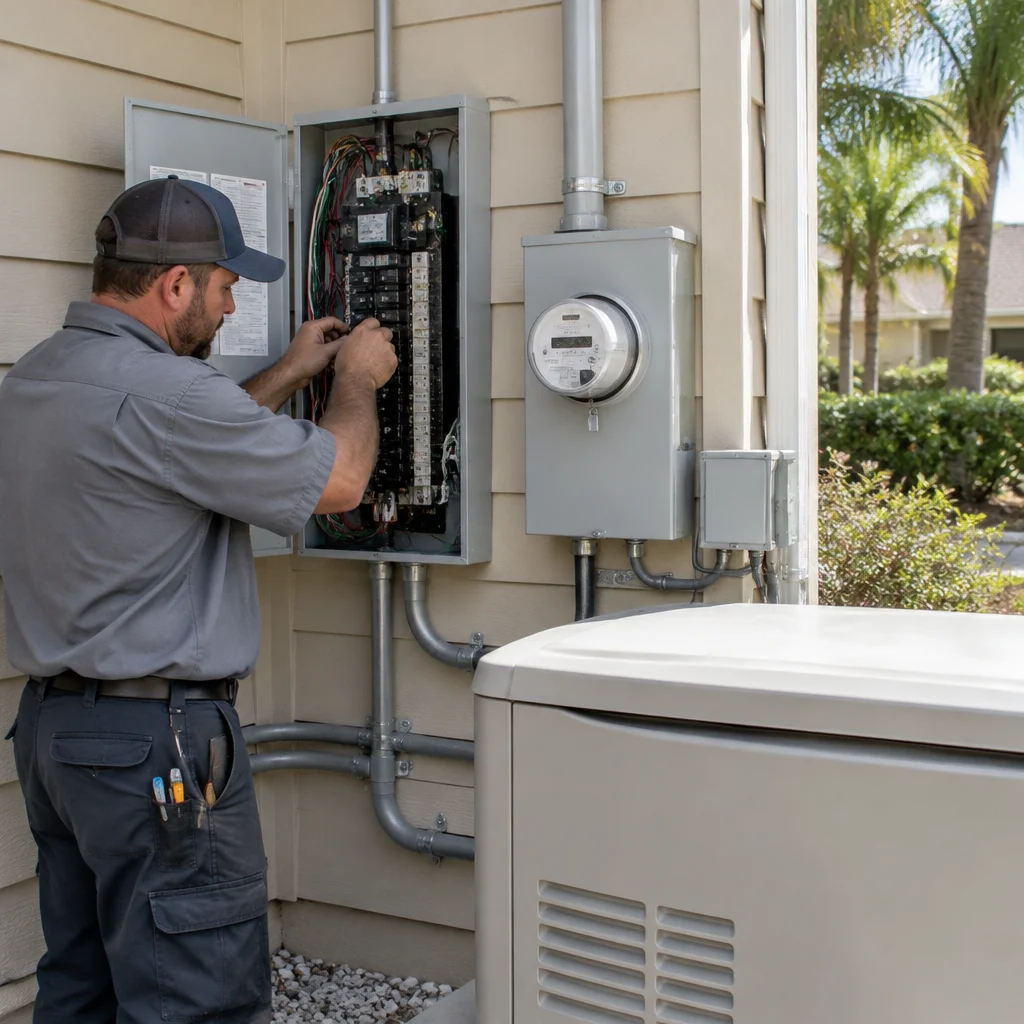
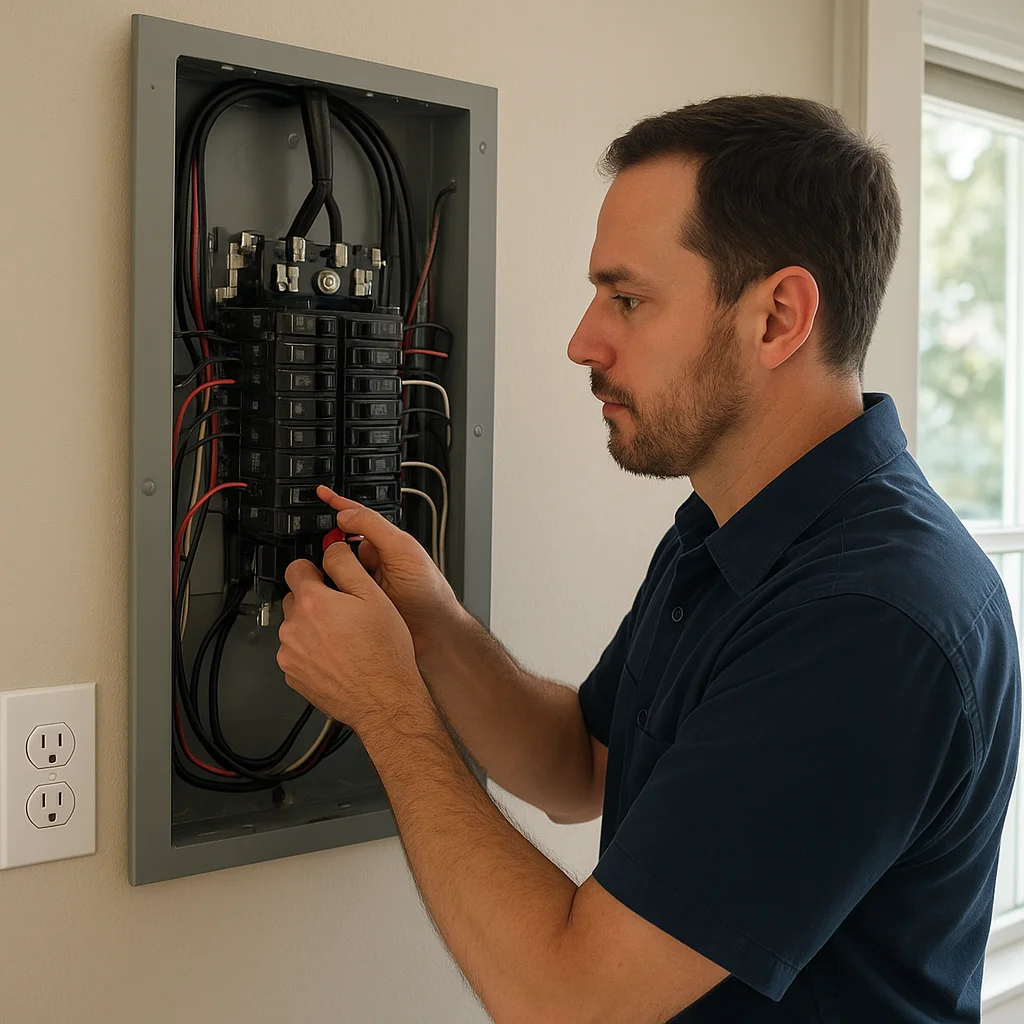
The electrical panel is the control center for the home. During a storm outage, it becomes even more important. If breakers are already tripping from normal use, if the panel has corrosion, or if the service is undersized, a generator may not solve the real problem. It may even highlight it.
Homeowners should pay attention to breakers that trip repeatedly, heat around the panel, loose wiring, or buzzing sounds. Those are reasons to schedule electrical repair before the next outage hits. A panel that needs repair or replacement can affect generator performance, especially if the home is approaching the limits of a 100 amp service or if a 200 amp upgrade is more appropriate. People searching for 200 amp panel upgrade near me or breaker panel repair near me are often dealing with exactly that kind of load issue.
Generator planning also depends on which circuits are essential. Refrigeration, lighting, internet, smoke detectors, certain receptacles, and sometimes a garage door opener or security system may be included. Other loads, such as large appliances or electric water heating, may need dedicated planning so the generator is not overloaded. The panel has to be labeled clearly, and the circuits should be balanced in a way that makes sense for backup power.
Older homes and newer additions create different electrical challenges
Older homes in the Sandestin area may still have legacy wiring, aging breakers, or outdated receptacles that were never designed for today’s electrical demand. Newer homes may have more capacity, but they also tend to include more electronics, chargers, and specialty equipment. Additions and remodels can create a mixed system where some circuits are modern and others are not.
That is why a generator project often starts with an electrical inspection. A home safety inspection electrician near me search is usually a sign that the homeowner wants a clearer picture of the whole system, not just a new piece of equipment. An inspection can identify overloaded circuits, missing grounding, damaged insulation, or outdated GFCI protection before the generator is installed.
Wiring, grounding, and transfer equipment keep backup power safe
Generator installations involve more than a plug and a box. The wiring has to be sized correctly, routed properly, and protected from the elements. In a coastal climate like Sandestin, moisture and corrosion can shorten the life of electrical parts if they are not installed and maintained correctly. Grounding and bonding also matter because they help the system handle faults and surges safely.
Transfer switch installation is one of the most important parts of the job. A properly installed transfer switch keeps generator power isolated from the utility grid, which protects utility workers and the home. It also helps prevent dangerous backfeed. Homeowners searching for generator transfer switch installation near me should make sure the work is handled by a qualified electrician who understands local code requirements.
Wiring issues can also show up in other parts of the home. An outlet repair near me search sometimes points to a bigger wiring issue, especially if a receptacle is warm, discolored, or loses power during normal use. The same is true for switch problems, flickering lights, or ceiling fans that behave inconsistently. If those issues are present before a generator is added, they should be corrected first. Related concerns are often covered in posts like Keeping Sandestin Homes Safer When Electrical Problems Hit Fast and Ceiling Fan Safety in Sandestin Starts With the Wiring Behind It.
Outlets, GFCI protection, and dedicated circuits deserve attention
During an outage, homeowners often rely on a small number of outlets more than usual. That makes outlet condition important. Outdoor receptacles, kitchen outlets, garage outlets, bathrooms, and other damp locations should have proper GFCI protection. If they do not, they should be corrected as part of the home’s electrical maintenance plan.
Backup power also highlights whether key appliances have dedicated circuits. Refrigerators, freezers, sump equipment, microwaves, and some office equipment may need dedicated circuits to operate safely and avoid nuisance tripping. If a generator is expected to support these loads, the circuits need to be evaluated ahead of time. A homeowner searching for gfci outlet installation near me or electrical services near me may be looking at these issues without realizing how they connect to backup power.
Some homes also need dedicated circuits for larger equipment like hot tubs, pool systems, or charging equipment. If the property has a spa or outdoor living area, a licensed electrician should confirm that those loads are isolated correctly. Homeowners can review pool, spa, and hot tub wiring for more information on those specialized circuits. For electric vehicle owners, generator planning should also consider whether the home’s service can support EV charger installation without overloading the panel.
Surge protection matters in a storm-prone coastal area
Sandestin weather can be hard on electrical systems. Lightning, utility switching, and storm-related fluctuations can damage appliances and electronics even when the lights stay on. Whole-home surge protection is one of the simplest ways to reduce that risk. It works best when it is paired with a properly grounded system and a panel in good condition.
Generator owners should think about surge protection as part of the whole package. A backup generator can keep a home running, but it does not automatically protect against every power quality problem. Sensitive electronics, smart thermostats, routers, televisions, and kitchen appliances all benefit from added protection. This is especially important in homes that also rely on security lighting, smoke detectors, and connected devices.
During storm season, a homeowner searching for storm electrical repair near me may be dealing with failed breakers, damaged outlets, or equipment that took a surge hit. If there is a burning smell, visible damage, or repeated breaker trips after a storm, it is time for an emergency electrician to inspect the system before more damage occurs.
Generator maintenance is part of electrical maintenance
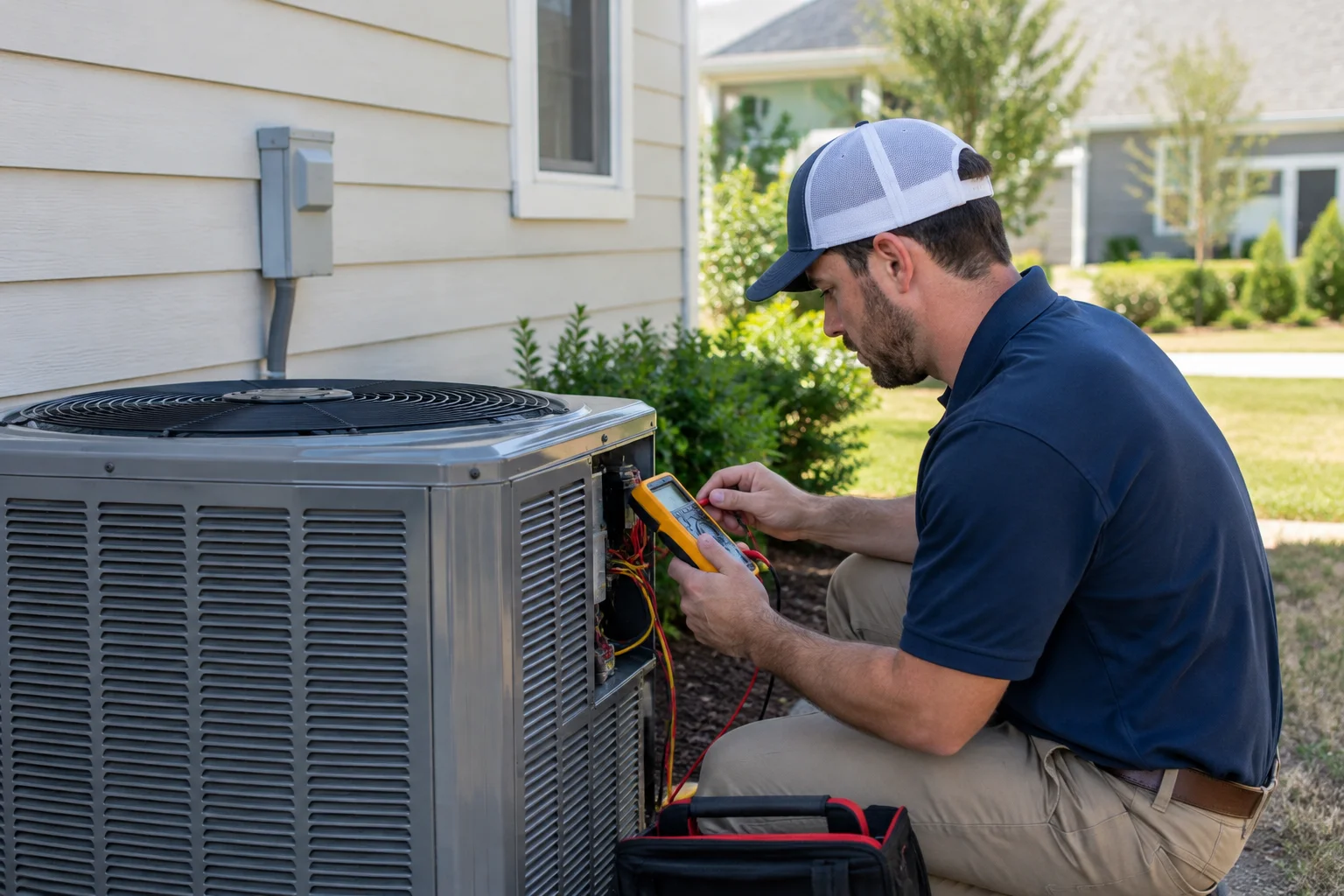
A standby generator should be treated like any other major electrical asset. It needs periodic testing, inspection, and maintenance so it will work when needed. That includes checking the transfer switch, verifying battery condition, inspecting wiring and connections, and confirming that the generator starts and carries the intended load.
Homeowners often think about maintenance after an outage reveals a problem. It is better to stay ahead of it. A seasonal inspection can catch loose terminations, corrosion, worn components, or panel issues before they become emergency repairs. If the property has smoke detectors, carbon monoxide alarms, or other life safety devices, those should be checked as well. For more on that side of home protection, see smoke detectors and carbon monoxide.
Generator maintenance also pairs well with other electrical service needs. A homeowner who needs ceiling fan services, lighting installation, or security lighting installation near me may be able to address several concerns in the same visit. That saves time and helps ensure the entire electrical system is working together, not just one component.
Local homes, local weather, and local code all affect the installation
Sandestin properties face a combination of coastal moisture, storm exposure, and varied construction ages. That makes code compliance especially important. Generator installations must follow local electrical requirements, and the equipment has to be installed in a way that suits the property layout, exterior exposure, and service capacity. A rental property may have different backup needs than a primary residence. A remodel may need additional circuit work. A newer home may still need panel corrections or surge protection to be truly ready.
That is why working with a local electrician near me search result is not just about convenience. It is about choosing someone who understands the load patterns, weather, and permitting expectations in Walton County. A qualified electrical contractor can evaluate the panel, transfer equipment, grounding, and circuits together so the generator is sized and installed the right way. If the home also needs outlet repair near me work, breaker replacement, or a fuse box replacement near me style assessment in an older property, those issues should be handled before backup power is finalized.
For homeowners and property managers who want dependable backup power, A Superior Mechanical provides professional generator installation and electrical support tailored to Sandestin homes. Learn more about the service at power backup generators in Sandestin, FL and make sure the rest of the electrical system is ready for the next outage.
Find Power Backup Generators in Sandestin, FL
If you need Power Backup Generators in Sandestin, FL, visit our local service page or contact A Superior Mechanical today.
Map of Sandestin, FL
Frequently Asked Questions
Do I need a panel upgrade before installing a standby generator?
Sometimes, yes. If the panel is outdated, overcrowded, undersized, or showing signs of wear, a generator installation may require panel work first. The electrician should check service size, breaker condition, grounding, and available space for transfer equipment.
Can a generator run my whole home during an outage?
It can, but only if the generator is sized correctly and the electrical system can support the load. Many homes use a whole-home or partial backup setup that prioritizes essential circuits like refrigeration, lighting, outlets, and communication equipment.
Why is surge protection important with backup power?
Storms, lightning, and utility switching can damage electronics even if a generator is installed. Whole-home surge protection helps protect appliances, smart devices, and sensitive equipment when the power changes quickly.
How often should a backup generator be inspected?
It should be checked regularly, especially before storm season. A maintenance visit can verify starting performance, transfer switch operation, wiring condition, battery health, and overall electrical safety.
Related Articles
Photo Gallery