Power interruptions in Hammock Bay are more than a nuisance. Coastal storms, lightning, aging equipment, and growing household demand can all put stress on panels, breakers, wiring, outlets, and sensitive electronics. For many homeowners, a whole home backup system is not just about comfort. It is about protecting the electrical system from expensive damage and keeping the home safer when the grid goes down.
A Superior Mechanical helps homeowners across Hammock Bay, FL and Walton County plan for outages with electrical solutions that fit the way local homes are built and used. If you are comparing options for a generator, battery backup, transfer switch, or surge protection, the right setup depends on your panel, circuits, and the loads you want to keep running. You can learn more about the service here: Whole Home Backup Solutions.
Why backup power matters in Hammock Bay homes
Hammock Bay has the kind of weather that can test an electrical system fast. Summer storms, heavy rain, lightning, and wind can cause outages or sudden voltage spikes. Even a short interruption can reset appliances, damage electronics, and expose weak points in older panels or DIY wiring. In newer homes, backup planning is still important because modern households draw more power than they did a decade ago. Between EV chargers, high efficiency appliances, smart home devices, and outdoor lighting, the electrical load can climb quickly.
That is why whole home backup solutions are often paired with electrical inspections, panel upgrades, and surge protection. A backup system should support the home safely, not overload a breaker, stress a feeder, or leave critical circuits unprotected. If you have ever searched for electrical services near me after a storm, you already know how fast small electrical issues can turn into bigger repairs.
What whole home backup solutions actually include
Whole home backup is not one product. It is a system designed to keep important circuits powered during an outage. In Hammock Bay, that usually means one or more of these components working together:
Standby generators
A standby generator can restore power to the home automatically or with a transfer switch. It is a strong choice for keeping refrigerators, lights, outlets, internet equipment, garage doors, and selected HVAC or appliance circuits online. Generator installation should always be matched to the home’s electrical panel, fuel source, and load requirements.
Battery storage
Battery systems are useful for homeowners who want quiet operation, fast response, and clean backup for essential loads. They can also work well in homes with solar or in properties where generator placement is limited. Battery backup still needs proper wiring, disconnects, and code compliant installation.
Transfer switches
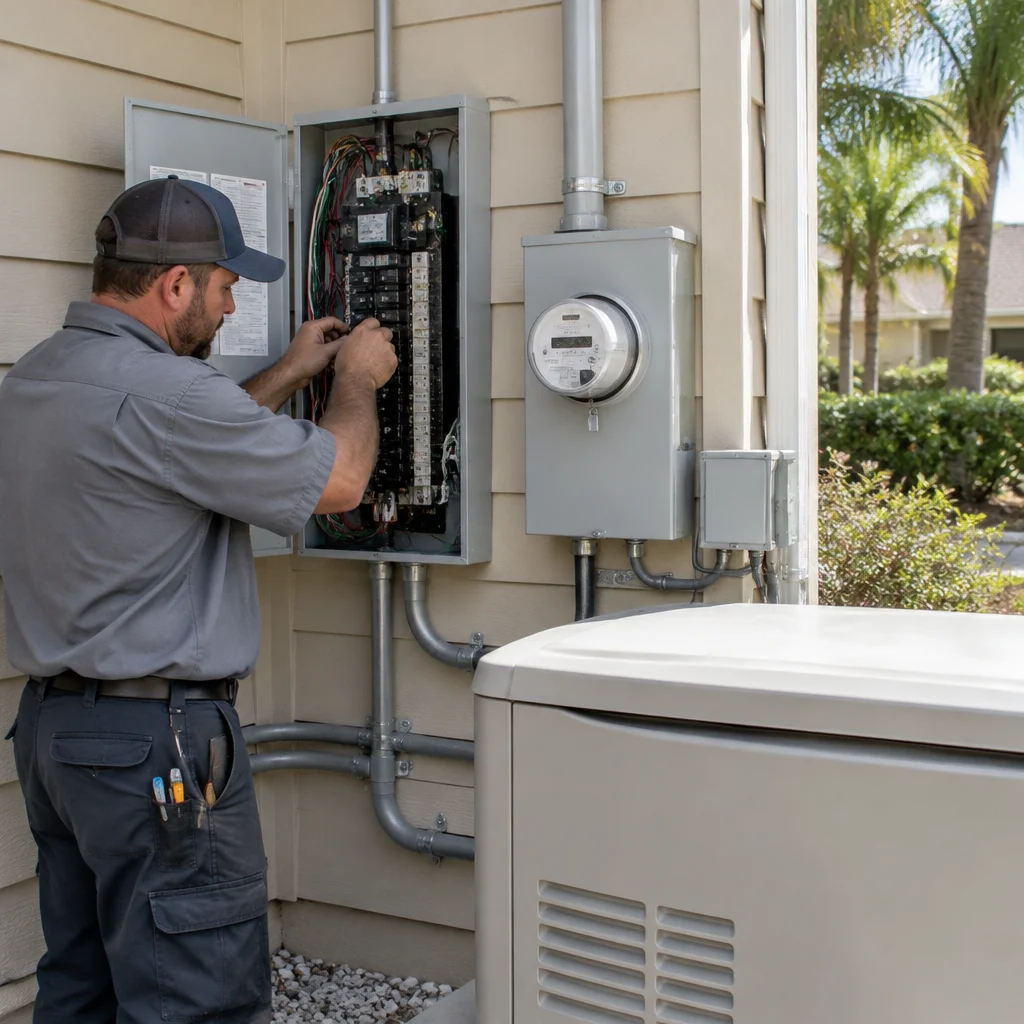
A transfer switch separates utility power from backup power so the home can run safely during an outage. This protects utility workers, prevents backfeed, and helps keep the system within code. It is one of the most important parts of a safe backup setup.
Surge protection and grounding
Coastal storms can send surges through service equipment, panels, and branch circuits. Whole home surge protection, proper grounding, and bonding help reduce damage to appliances, TVs, computers, and smart devices. If the grounding system is weak, even a good backup system can still leave the home vulnerable.
Electrical safety issues that backup power can help prevent
Backup power is often discussed as a convenience, but the electrical safety benefits matter just as much. Outages and restoration events can create conditions that damage wiring and devices. A properly designed system can help reduce these risks:
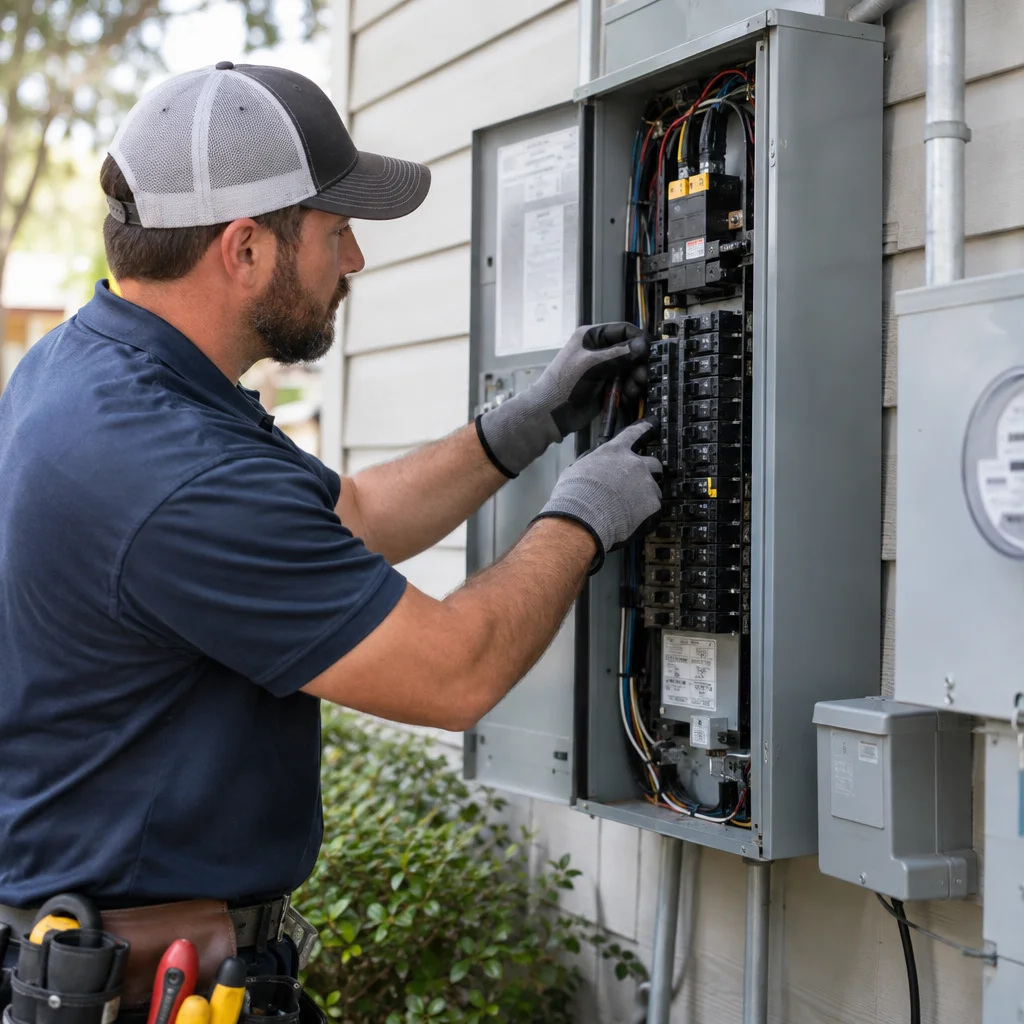
Voltage spikes can damage electronics, especially when power returns after a storm. Overloaded circuits may trip repeatedly if the home is trying to run too much on limited backup capacity. Weak breakers can fail to protect the home if the panel is already stressed. Moisture intrusion around outdoor equipment can create corrosion, which can affect meter bases, disconnects, and nearby wiring. And if the home has older outlets or missing GFCI protection, outage recovery can expose hidden hazards.
Homeowners searching for electrical repair after repeated breaker trips or flickering lights often discover the real issue is deeper than the outage itself. A backup evaluation is a good time to look at the whole system, not only the generator or battery.
How to tell a backup system may not be enough
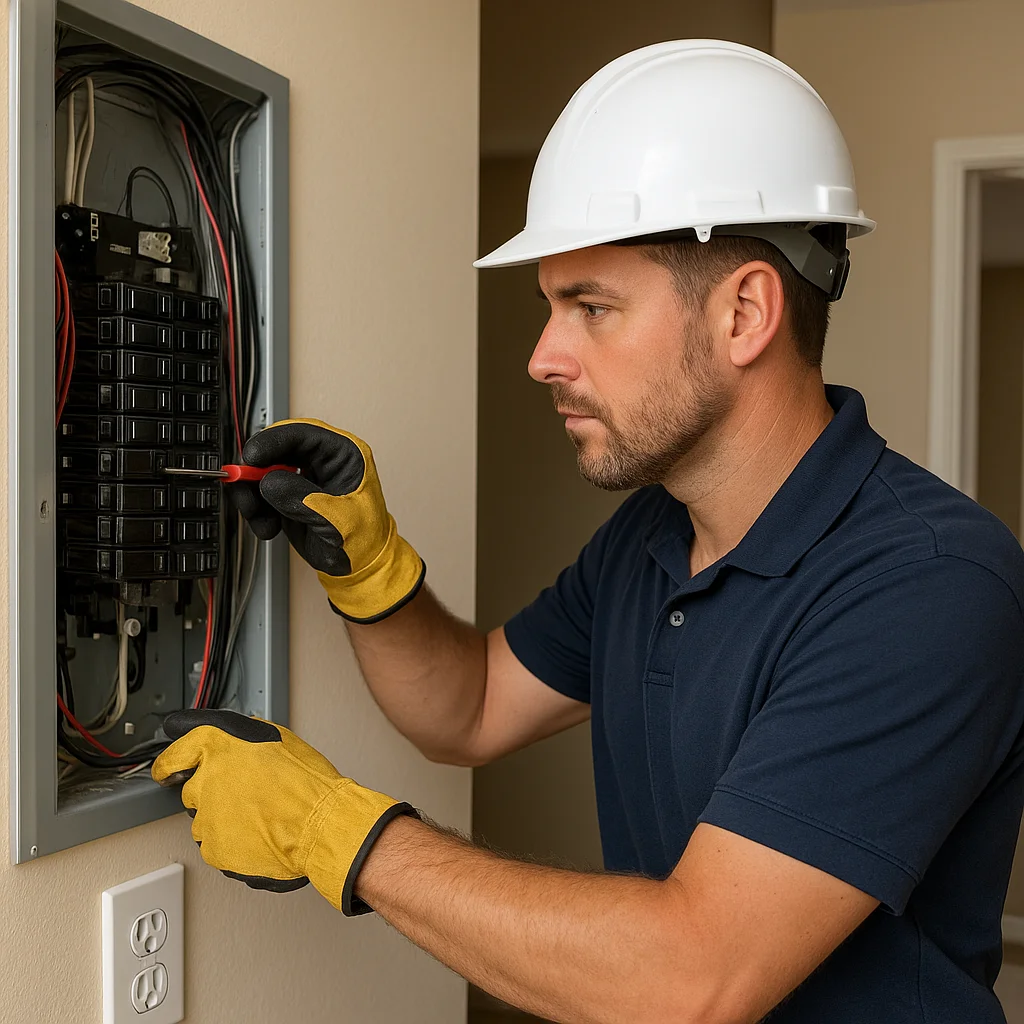
Some homes are ready for backup power with only minor adjustments. Others need panel work, circuit rebalancing, or code corrections before a generator or battery system can be installed safely. Warning signs include frequent tripping breakers, buzzing at the panel, flickering lights when large appliances start, warm outlets, scorch marks, or a meter base that shows corrosion or physical wear. If your home has added a hot tub, EV charger, workshop, or outdoor kitchen, the original electrical setup may no longer match the demand.
These are the kinds of issues that often show up in searches for electrical panel replacement near me or breaker box replacement near me. The right response is not to keep resetting breakers. It is to figure out whether the panel, feeder, or branch circuits need repair or replacement before backup equipment is added.
Local homes, local weather, and local electrical planning
Hammock Bay includes a mix of newer homes, remodels, and properties that have been updated over time. That matters because backup power has to fit the actual electrical layout of the house. A newer home may have more circuits dedicated to appliances, lighting, and electronics. An older home may need GFCI upgrades, grounding improvements, or wiring repair before backup equipment can be installed. Remodels and additions can create load imbalances if the new spaces were not tied into the panel correctly.
In a coastal climate, service equipment also faces humidity, salt air, and storm exposure. Over time, that can affect breakers, outdoor disconnects, lighting, and receptacles. Local electrical service matters because an electrician who works in Walton County understands how weather, code compliance, and home design all affect backup planning. That is especially important when a homeowner is comparing emergency electrician near me searches after a storm with long term solutions that prevent repeat damage.
Smart upgrades that make backup power safer
A whole home backup project is often the right time to improve the rest of the electrical system. That may include panel upgrades, dedicated circuits, surge protection, outlet repair, lighting installation, or smoke detector installation. If the home has a pool, hot tub, detached garage, or outdoor entertaining space, those loads should be reviewed carefully so backup power does not overload critical circuits.
For example, a home that is adding a charger may need a dedicated EV circuit and a panel that can support the extra load. Homeowners searching for tesla charger installation near me often need the same kind of load analysis that backup systems require. The same is true for appliance circuit installation near me, dryer outlet installation near me, or hot tub wiring near me. Backup planning works best when the electrical system is balanced, grounded, and protected from surges.
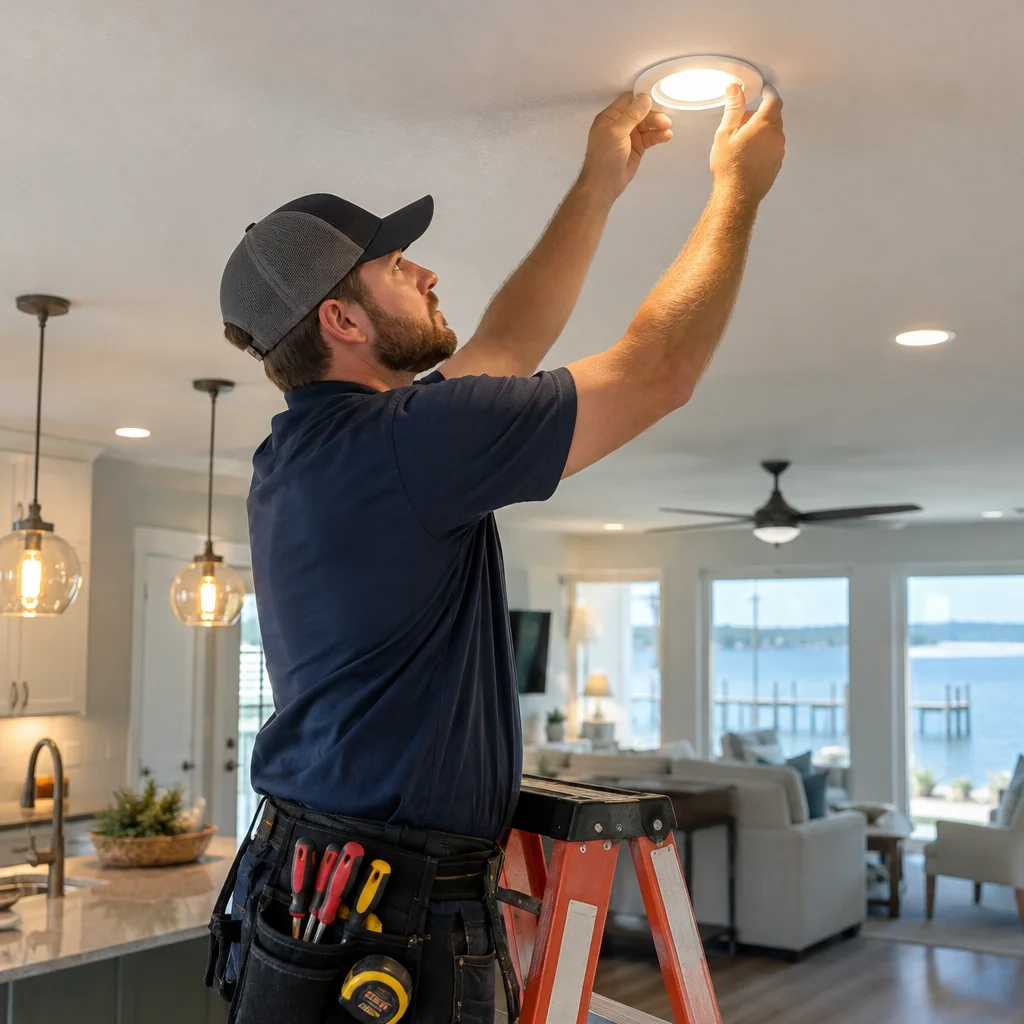
If you are also considering lighting improvements, electrical installation can include safer outdoor lighting, security lighting, and LED upgrades that reduce demand during an outage. Homeowners searching for led lighting installation near me or outdoor lighting installation near me often find that better lighting also improves safety when backup power is running.
Maintenance steps that help prevent expensive repairs
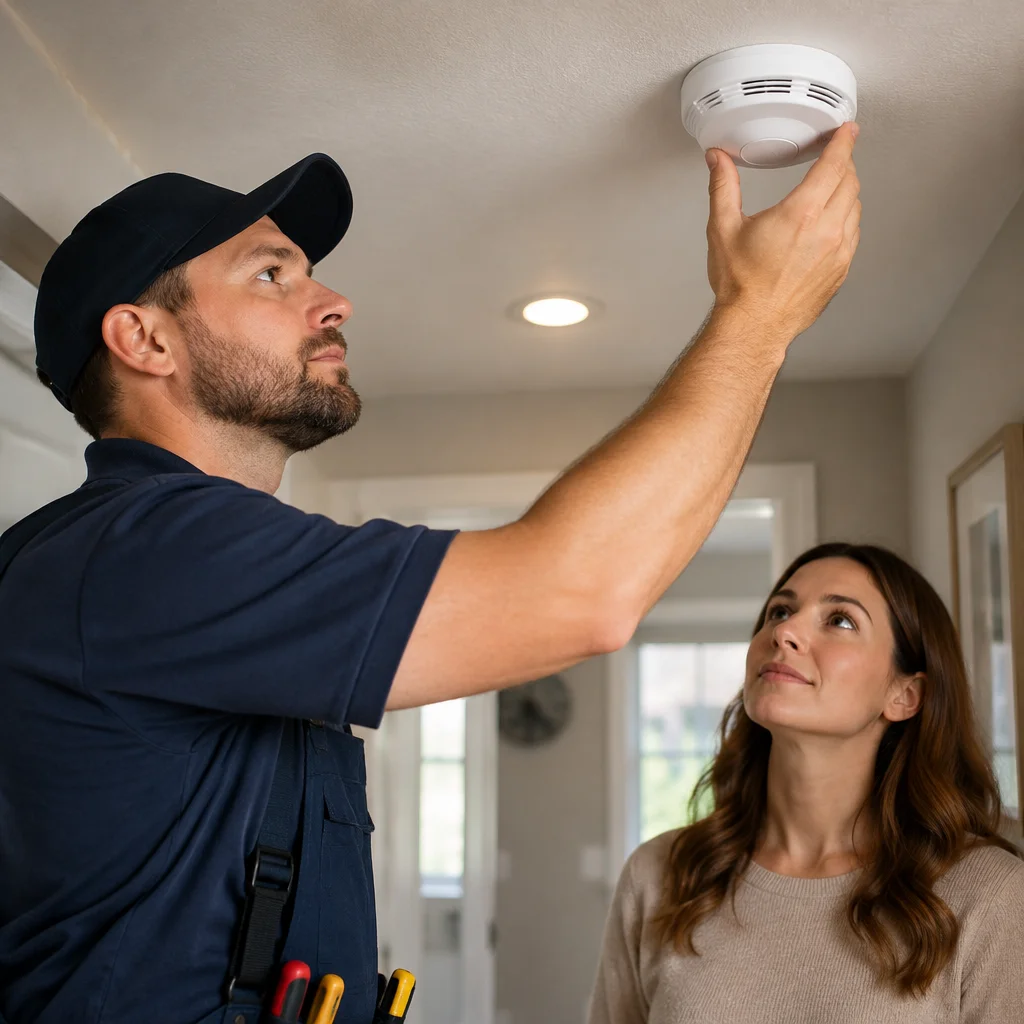
Backup systems need periodic attention, just like any other electrical equipment. Generators should be inspected for wear, battery age, transfer switch function, and signs of corrosion. Panels should be checked for loose connections, heat damage, and breaker issues. Outdoor equipment should be examined after storms for moisture intrusion or impact damage. Smoke detectors should be tested and replaced as needed, and GFCI outlets should be verified so kitchens, baths, garages, and exterior areas remain protected.
Many homeowners schedule a home safety inspection electrician near me visit before hurricane season or after a major outage. That is a smart time to identify weak breakers, outdated wiring, and circuits that are close to their limit. It is also a good time to discuss whether the home needs whole home wiring improvements before backup equipment is installed. Better wiring can reduce nuisance trips and lower the chance of damage when the power changes over.
When an outage becomes an emergency
Some situations call for immediate electrical help, not a wait and see approach. If you smell burning near the panel, see smoke from an outlet, hear crackling in the breaker box, or notice repeated breaker trips after backup power starts, the system needs attention right away. The same is true if storm damage has affected the service mast, meter base, or outdoor disconnect. In those cases, homeowners often need an emergency electrician near me response to keep the home safe.
If the outage is paired with water intrusion, damaged wiring, or a partial power condition where some circuits work and others do not, do not keep resetting equipment. A problem that starts as storm electrical repair near me can quickly turn into a larger electrical repair if the issue is ignored. Local service is especially important after severe weather because damaged conductors and wet equipment can remain dangerous even when the lights come back on.
How to approach a backup project the right way
The safest backup projects start with the electrical system, not the equipment brochure. A qualified electrician will review the panel, breakers, grounding, existing circuits, and the loads you want to support. From there, the system can be designed around the home’s actual needs. That may mean a standby generator, battery storage, a transfer switch, surge protection, or a combination of upgrades.
For many homeowners, the best next step is a careful inspection and load review. That helps determine whether the home needs panel work, breaker repair, outlet repair, or wiring repair before the backup installation moves forward. It also helps identify which circuits should stay on during an outage and which ones should be left off to protect the system. If you are planning a remodel or addition, this is also a good time to coordinate with local electrical maintenance so the new work supports future backup needs.
A Superior Mechanical provides whole home backup solutions that are built for the realities of Hammock Bay homes, from storm season to everyday power demand. If your goal is safer power, fewer surprise repairs, and a backup system that actually fits the house, start with a local electrical evaluation and a plan that respects the panel, the circuits, and the way your home is used.
For homeowners exploring related electrical improvements, it can also help to review planning resources like Smart Electrical Planning for Hammock Bay Homes Built for Today and Ready for Tomorrow, Why Hammock Bay Homes Are Built to Benefit From Better Whole Home Wiring, and Smart Electrical Planning for Security System Wiring in Bluewater Bay, FL. If you are also thinking about water quality changes in the home, Planning Ahead for Cleaner Water and Fewer Plumbing Surprises in Hammock Bay offers a useful look at coordinating home upgrades without overloading your project timeline.
Find Whole Home Backup Solutions in Hammock Bay, FL
If you need Whole Home Backup Solutions in Hammock Bay, FL, visit our local service page or contact A Superior Mechanical today.
Map of Hammock Bay, FL
Frequently Asked Questions
What is included in a whole home backup solution?
Most systems include a standby generator or battery backup, a transfer switch, surge protection, and the electrical work needed to connect the system safely to the panel and critical circuits.
Do I need a panel upgrade before installing backup power?
Not always, but many homes do. If the panel is full, outdated, corroded, or already struggling with tripping breakers, an electrical panel upgrade may be needed before backup equipment can be installed safely.
Can backup power protect appliances during storms?
Yes, especially when the system includes whole home surge protection and proper grounding. That helps reduce damage from lightning strikes, utility spikes, and power restoration events.
How often should a backup generator be inspected?
At least once a year, and after major storms if the equipment was exposed to wind, rain, or flooding. Routine checks help catch battery issues, corrosion, breaker problems, and transfer switch wear early.
Related Articles
- Smart Electrical Planning for Hammock Bay Homes Built for Today and Ready for Tomorrow
- Planning Ahead for Cleaner Water and Fewer Plumbing Surprises in Hammock Bay
- Why Hammock Bay Homes Are Built to Benefit From Better Whole Home Wiring
- Smart Electrical Planning for Security System Wiring in Bluewater Bay, FL
Photo Gallery