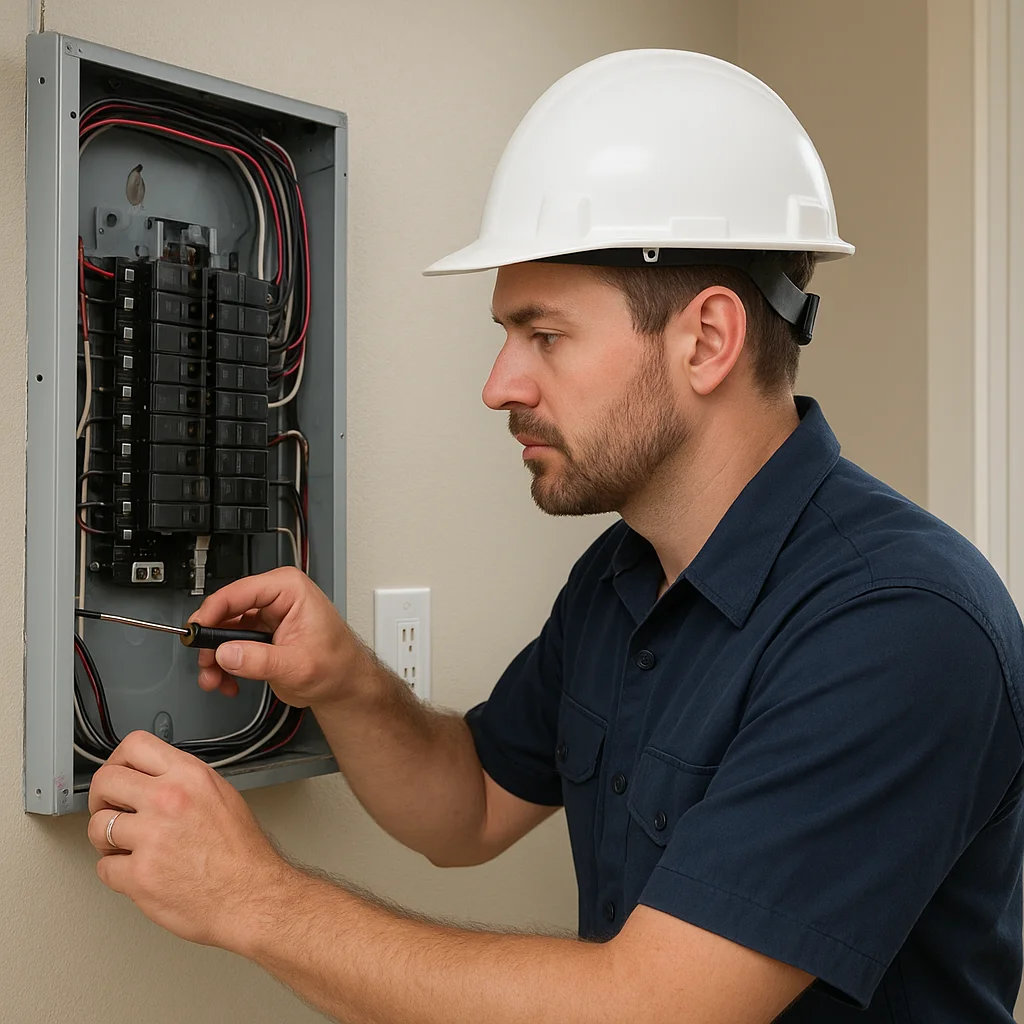
In Springfield, FL, smoke detectors and carbon monoxide alarms do more than check a safety box. They help protect homes that face coastal humidity, storm season, older wiring, and steady power demand from modern appliances, lighting, and charging equipment. A good alarm plan is part of the electrical system, not an afterthought.
For homeowners, landlords, and property managers, smart planning means choosing the right devices, placing them correctly, and making sure the wiring, breakers, and backup power support them. That is where a licensed electrical contractor can make a real difference. If you need help with Smoke Detectors & Carbon Monoxide Detection in Springfield, FL, the right setup can improve safety and reduce avoidable repair calls later.
Why alarm planning matters in Springfield homes
Springfield homes can vary widely. Some are older houses with original panels, mixed wiring, or additions that were updated in stages. Others are newer builds with more electronics, smart appliances, and higher circuit loads. In both cases, smoke and carbon monoxide detection should match the home’s electrical reality.
Florida weather adds another layer. Humidity, salt air, and storms can wear on electrical components over time. Power surges, loose connections, and aging breakers can all affect hardwired alarms. If the alarms are on a circuit that also serves lights, outlets, or a ceiling fan, a tripped breaker can take safety devices offline when you need them most.
That is why local electrical service matters. A Springfield electrician understands how local homes are built, how storm season affects wiring, and how to keep alarm systems code compliant. If you are comparing options across the area, the city page for Springfield electrical service is a good place to start.
What a solid smoke and CO detection setup includes
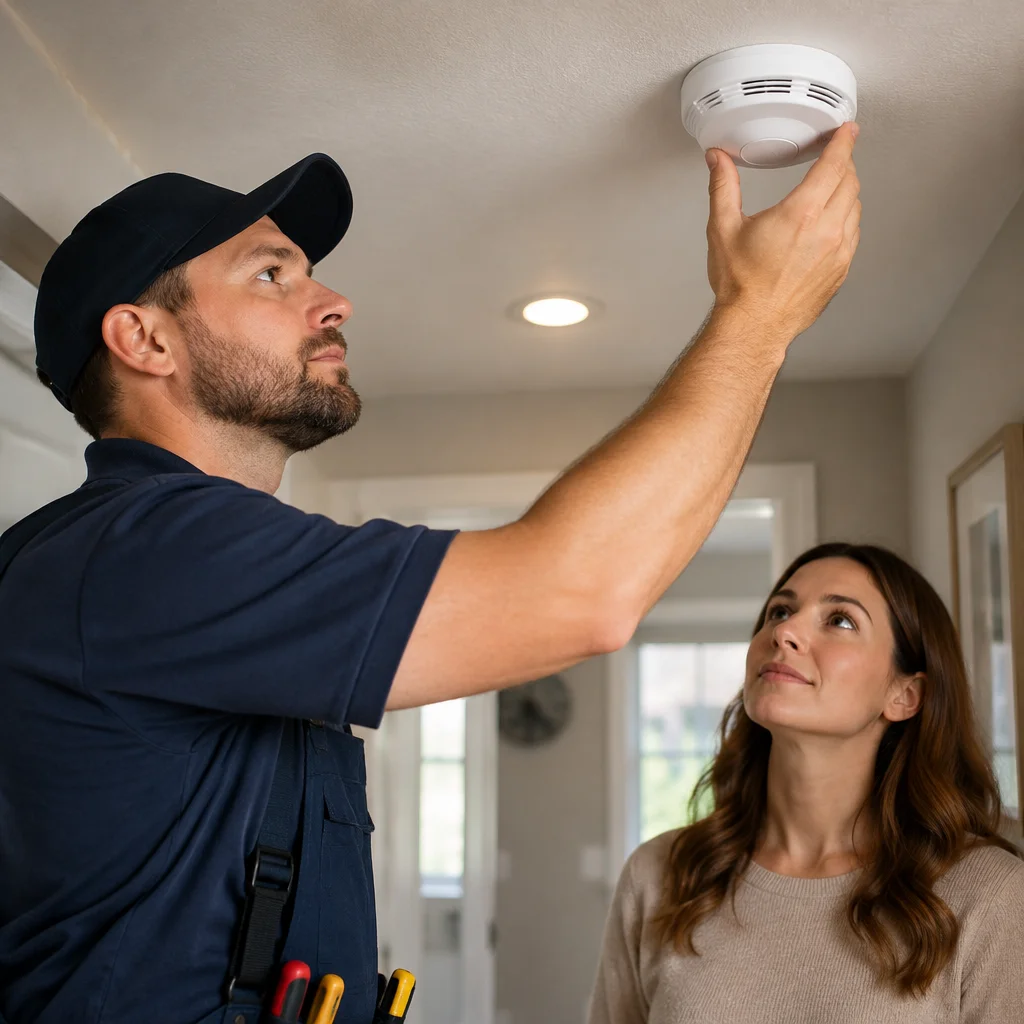
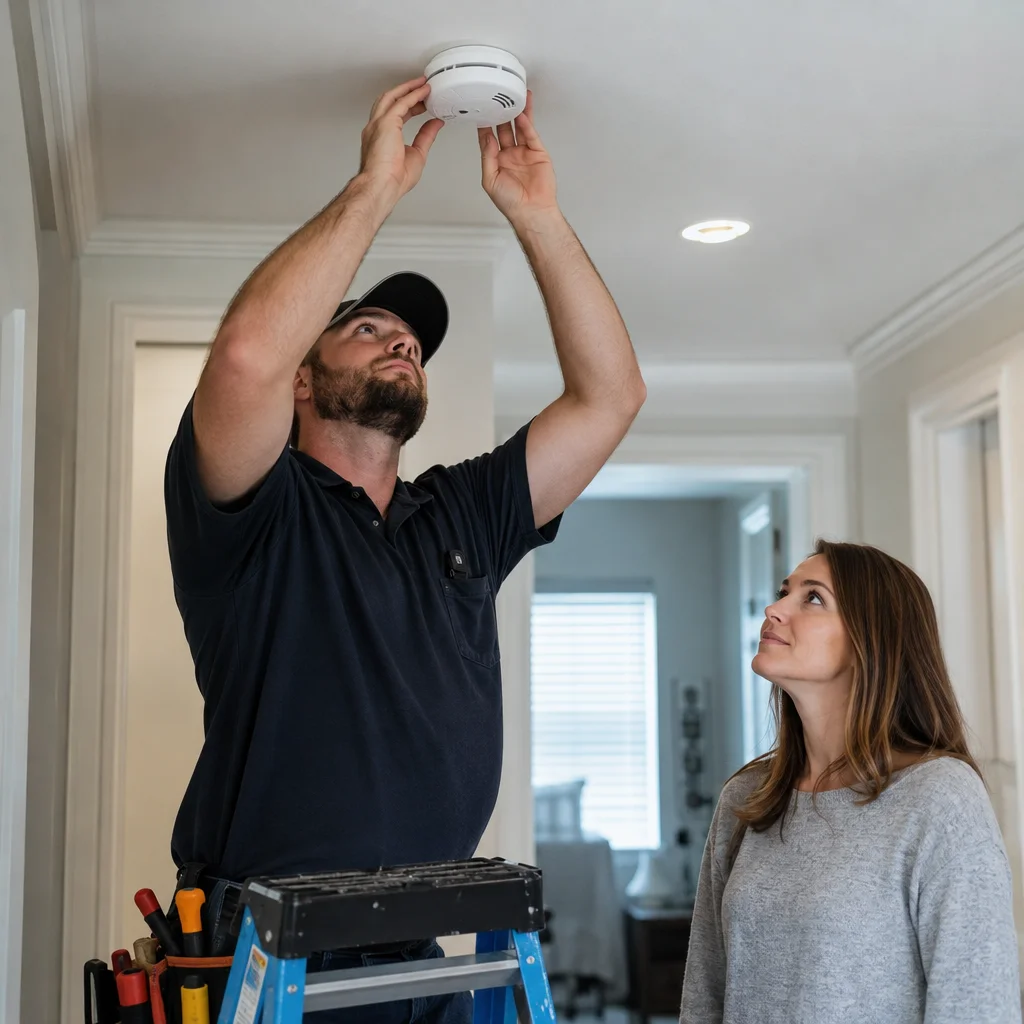
A dependable alarm system usually includes a mix of hardwired smoke detectors, carbon monoxide alarms, and battery backup. In many homes, the best approach is to connect alarms so they communicate with each other. That way, if one device detects danger, the others sound too.
Placement that follows the home, not just the box
Placement matters as much as the device itself. Detectors should be installed where smoke or carbon monoxide is most likely to be noticed early, including hallways near bedrooms, on each level of the home, and near sleeping areas. CO alarms should be placed according to manufacturer and code guidance, especially near fuel burning appliances and attached garages.
Bathrooms, kitchens, and laundry areas need careful planning because steam, dust, and cooking smoke can cause nuisance alarms if the device is in the wrong spot. A licensed electrician can help balance safety and practicality so the system protects the home without constant false alerts.
Hardwired alarms with battery backup
Hardwired alarms are often the best choice for long term reliability. They stay connected to the home’s electrical system and usually include battery backup in case of a power outage. In Bay County, that backup matters during storms, utility interruptions, and generator use.
If your home still relies on older battery only alarms, it may be time to consider an upgrade through electrical installation. A proper installation can also include interconnection, circuit checks, and code compliant mounting.
Electrical issues that can affect alarm performance
Smoke and carbon monoxide detectors are only as dependable as the electrical system supporting them. If the home has loose wiring, worn devices, or an overloaded panel, the alarms may not perform as expected.
Common problems include tripped breakers, damaged wiring, poor splices in the attic, and old panels that no longer handle modern demand well. If your home has frequent breaker trips or flickering lights, that is worth investigating before a small issue turns into a larger safety concern. Homeowners searching for electrical troubleshooting near me often find that alarm problems are tied to bigger wiring issues.
Older wiring can also create complications during detector replacement. Homes with outdated circuits or ungrounded branches may need repairs before new alarms or related safety devices are installed. In those cases, an electrical replacement plan can be more practical than patching one issue at a time.
How panel condition affects safety devices
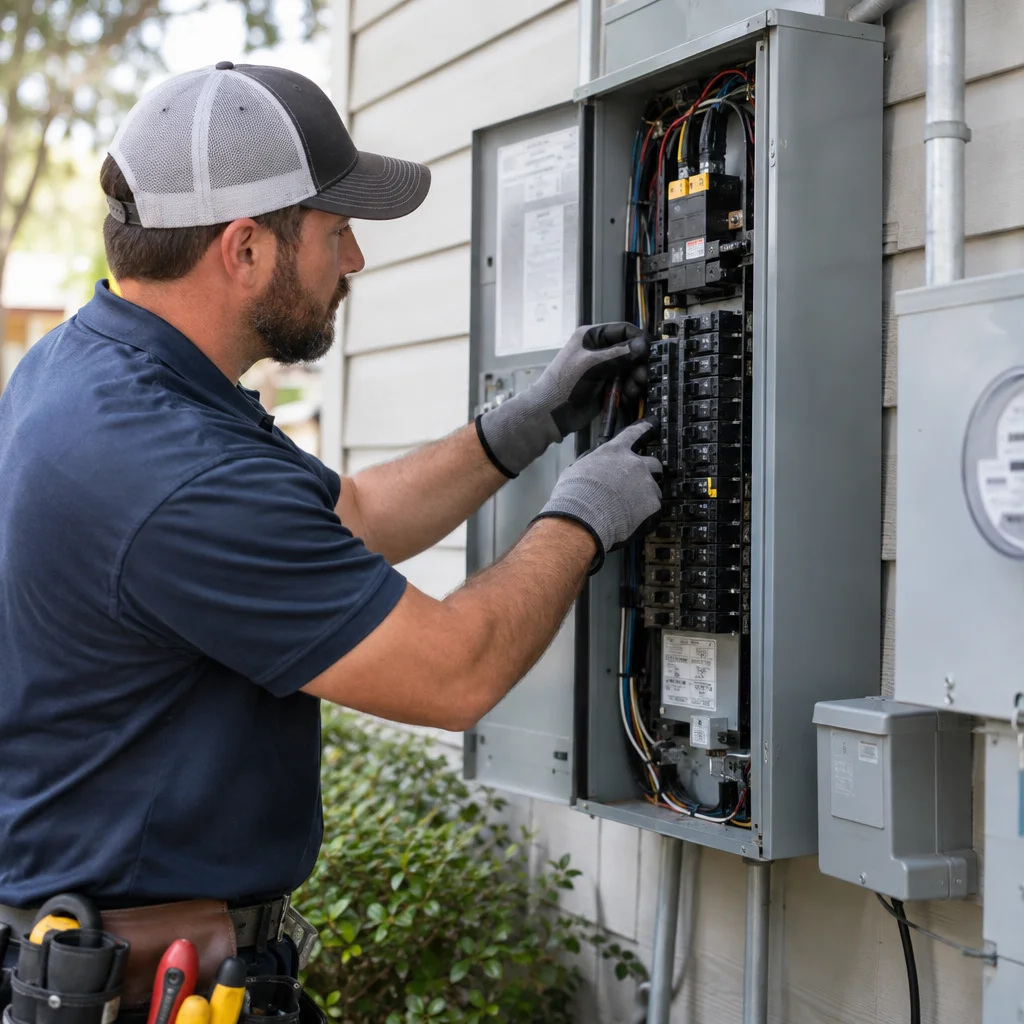
The electrical panel is the control point for the home. If it is undersized, corroded, or full of aging breakers, it can affect not just alarms but lighting, outlets, and other essential circuits. In storm prone areas like Springfield, a panel that is already struggling may have more trouble after a surge or outage.
That is why some homeowners looking for an electrical panel upgrade near me are really trying to solve a wider reliability issue. A stronger panel can support hardwired smoke alarms, CO detection, dedicated circuits, surge protection, EV chargers, and future remodels without overloading the system.
If the panel is showing heat damage, rust, nuisance trips, or signs of wear, it may be time to talk about smart electrical panels. These can make it easier to monitor loads, track outages, and keep critical safety circuits running.
Repair planning for older homes, remodels, and additions
Springfield has plenty of older homes that have been updated in stages. A kitchen remodel, room addition, or new lighting package can change the electrical load in ways the original system was never designed to handle. That matters for smoke and CO alarms because new work should not compromise existing safety circuits.
When a home is being remodeled, it is a smart time to review detector locations, wiring routes, and breaker capacity. The same is true if you are adding recessed lights, ceiling fans, or new outlets. A project that starts with lighting installation near me or switch repair near me can uncover outdated wiring or missing GFCI protection that should be corrected at the same time.
If the home is being upgraded for a home office, EV charger, or generator, the electrical load can increase quickly. That makes it even more important to keep alarm circuits separate and dependable. A dedicated circuit or updated wiring plan may be needed to avoid nuisance trips and improve overall protection.
Storm season, surges, and backup power
In Bay County, storm preparation is part of electrical maintenance. Lightning, utility interruptions, and power surges can damage sensitive electronics, including alarm systems. A whole home surge protection system can help shield the panel, detectors, and other connected equipment from sudden voltage spikes.
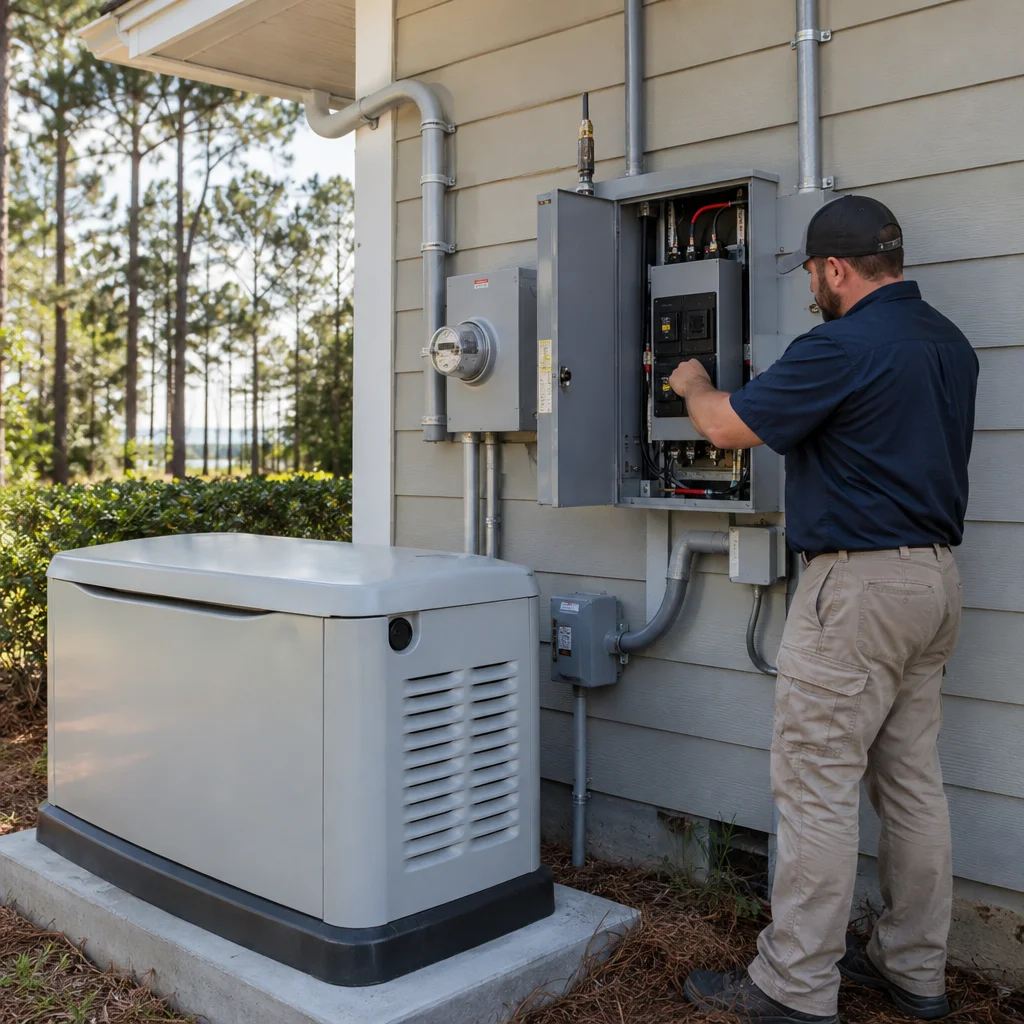
Homes that rely on generators should also have a proper transfer switch setup. A generator transfer switch installation near me search often comes up when homeowners want to keep essentials running safely during outages. Smoke and carbon monoxide alarms should remain powered and functional whether the home is on utility service or backup power.
If a storm has already caused damage, an emergency electrician near me call may be the fastest way to check the panel, breakers, and alarm circuits. After a lightning strike or outage, it is smart to inspect the entire system, not just the device that stopped chirping.
Code compliance and inspection readiness
Detector rules can change based on the age of the home, the type of remodel, and current code requirements. That is why code compliance should be part of every alarm installation or replacement. Proper spacing, interconnection, power source, and backup battery requirements all matter.
If your home is due for a safety review, an electrical inspection can catch issues before they become costly repairs. That may include missing detectors, expired units, loose connections, broken mounts, or a panel that needs correction. For homeowners searching for a code correction electrician near me, smoke and CO compliance is often one of the first places to start.
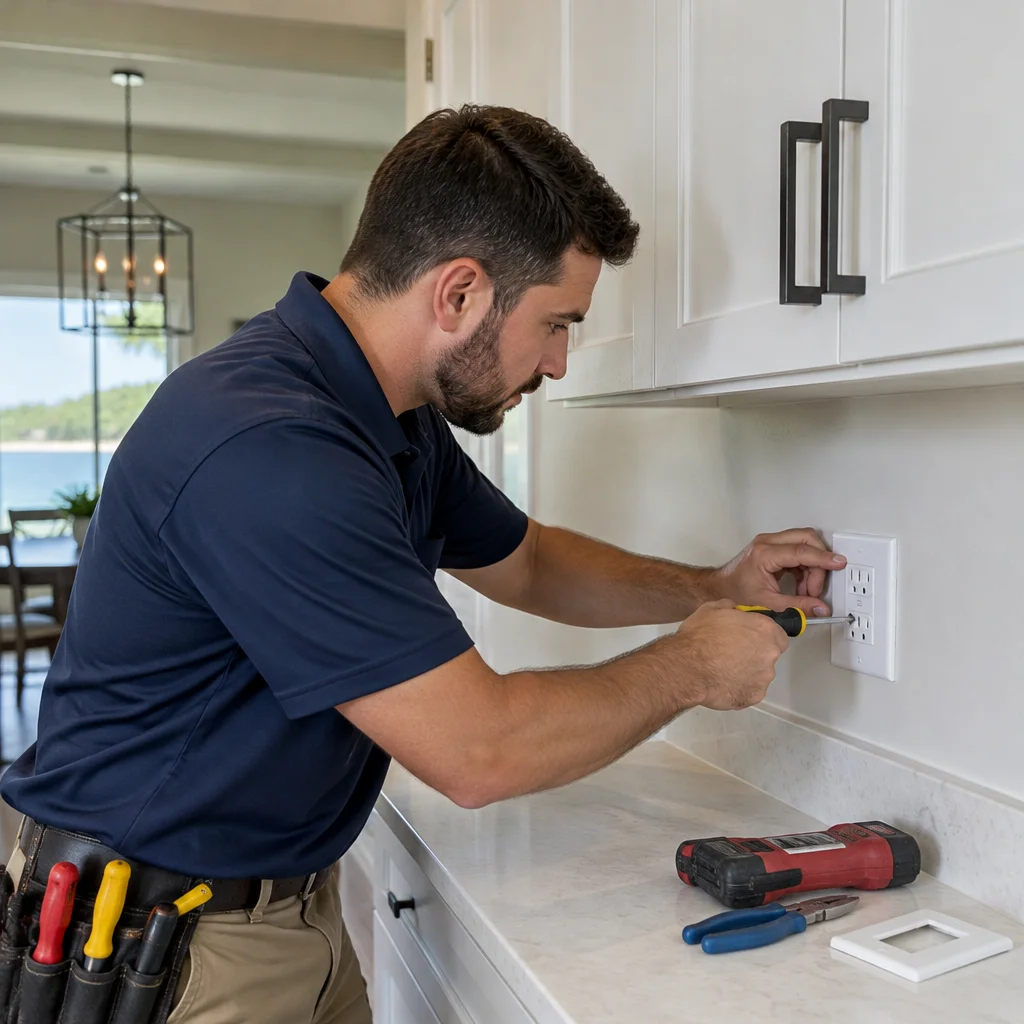
Some homes also need related electrical updates at the same time, such as outlet repair, GFCI protection in wet areas, or old wiring replacement near me type work in aging sections of the house. A thorough inspection can help prioritize what should be fixed now and what can wait.
Maintenance that keeps alarms reliable
Even a good system needs regular attention. Homeowners should test alarms monthly, replace batteries when needed, and keep dust from building up around the devices. Hardwired alarms should be checked after any electrical work, panel service, or storm related outage.
If an alarm chirps repeatedly, loses interconnection, or fails during testing, do not ignore it. That could point to a weak battery, a wiring issue, or a device that has reached the end of its life. In some homes, the problem is not the detector itself but a breaker, splice, or neutral issue that needs professional attention.
Many homeowners also use these checkups as a chance to review other electrical systems. If you are already scheduling a visit for smoke and carbon monoxide detection, it can be a good time to ask about led lighting installation, bathroom lighting installation, ceiling fan wiring, or surge protection. Small upgrades often make the home safer and more comfortable at the same time.
When a safety alarm issue points to a larger electrical repair
Some alarm problems are isolated. Others are warning signs that the electrical system needs deeper work. If detectors lose power, breakers trip repeatedly, or lights dim when appliances start, the home may need electrical repair before the alarm system can be trusted.
That is especially true in homes with overloaded circuits, damaged outlets, or outdated service equipment. A homeowner searching for outlet repair near me may discover the real issue is a loose neutral, a bad breaker, or a panel that needs to be replaced. The same goes for homes where an alarm circuit shares too much with other loads.
In Springfield, it is common for families to add more power demand over time without upgrading the original system. New appliances, home office equipment, smart devices, and EV chargers all add load. If you are planning a tesla charger installation near me or a surge protector installation near me, it is worth checking whether the panel and alarm circuits are ready too.
Local service that fits Springfield homes and businesses
A Superior Mechanical provides smoke detector installation, carbon monoxide detector installation, hardwired alarm upgrades, replacements, and code compliant safety solutions for Springfield homes, rentals, and businesses across Bay County. That includes homes near the coast, older properties with aging wiring, and newer homes that need better electrical planning for modern demand.
For property owners, local service also matters because commercial spaces and multifamily buildings often have different detection needs than single family homes. A commercial electrician near me search may lead to fire safety upgrades, panel corrections, or detector replacements that need to be coordinated around tenants and operating hours.
Whether you are updating an older home, planning a remodel, or checking a system after a storm, it helps to work with a local electrician who understands how smoke and CO detection fit into the rest of the electrical system. For more on service coverage in the area, visit Bay County electrical service.
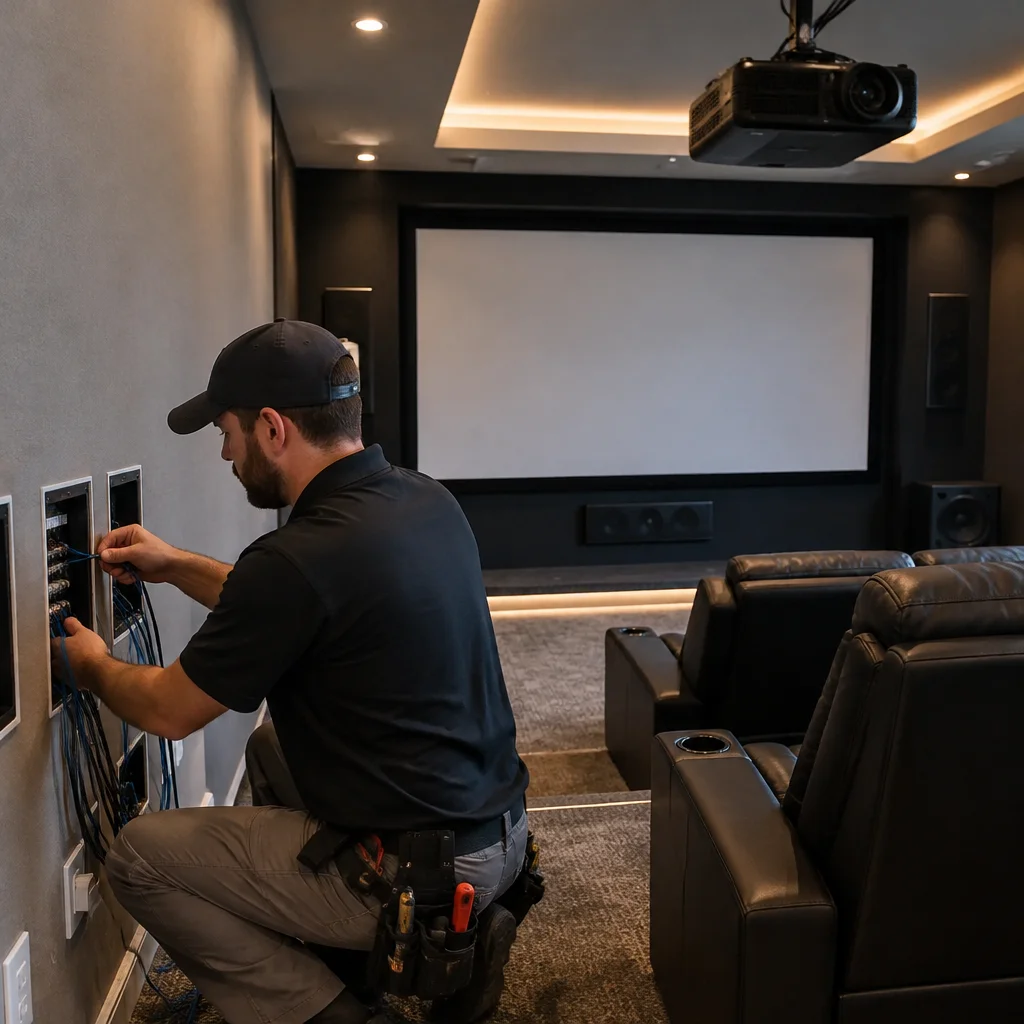
If you are already looking at other home projects, it can make sense to combine them. For example, homeowners who read How Electrical Wear and Tear Shapes Inspections and Code Updates in Springfield Homes often realize that detector upgrades, panel checks, and circuit repairs belong in the same maintenance plan. That same planning mindset can help with future projects like home theater wiring, outdoor lighting installation near me searches, or whole home electrical maintenance.
Smoke and carbon monoxide detection works best when the wiring, panel, and device placement all support it. In Springfield, that means thinking ahead about storms, age of the home, load growth, and code compliance before a problem forces the issue.
Find Smoke Detectors & Carbon Monoxide Detection in Springfield, FL
If you need Smoke Detectors & Carbon Monoxide Detection in Springfield, FL, visit our local service page or contact A Superior Mechanical today.
Map of Springfield, FL
Frequently Asked Questions
How often should smoke detectors and carbon monoxide alarms be replaced?
Most smoke detectors should be replaced about every 10 years, and many carbon monoxide alarms have a similar lifespan. Check the label on the device and replace it sooner if it fails testing, chirps constantly, or shows visible damage.
Can hardwired smoke alarms stop working if a breaker trips?
Yes. Hardwired alarms usually have battery backup, but a tripped breaker can still interrupt the main power supply. If that happens more than once, an electrician should check the circuit and panel.
Do I need both smoke detectors and carbon monoxide detectors in every Springfield home?
Most homes need smoke detection throughout the living space and CO detection where required by code and manufacturer guidance. Homes with fuel burning appliances, attached garages, or certain layouts may need more than one CO alarm.
Can an electrical inspection help with alarm problems?
Yes. An inspection can uncover wiring issues, missing interconnection, old breakers, or panel problems that affect alarm reliability. It is also a smart time to review GFCI protection, grounding, and code compliance.
Related Articles
- How Electrical Wear and Tear Shapes Inspections and Code Updates in Springfield Homes
- A Springfield Homeowner’s Guide to Smarter Water Heater Installation and Fewer Plumbing Surprises
- Why Clean Water Services Matter Before Small Plumbing Problems Turn Costly in Springfield, FL
- Staying Ahead of Pipe Problems in Springfield Homes Starts with the Right Replacement Plan
Photo Gallery