In 30A, a power outage is not just an inconvenience. Coastal storms, salt air, lightning, and utility interruptions can affect everything from kitchen outlets to refrigeration, lighting, and security systems. For older homes and newer builds alike, power backup generators are part of a practical electrical safety plan, especially when the home depends on a modern panel, sensitive electronics, and more connected circuits than ever before.
A Superior Mechanical helps homeowners, rentals, and businesses across 30A and Walton County plan for outages with generator installation, maintenance, and electrical service that supports safer operation. If you are comparing options for power backup generators in 30A, FL, it helps to understand how the generator, panel, wiring, outlets, and protection devices all work together.
Why backup power matters so much on the coast
30A homes deal with a mix of weather and electrical stress that inland homes do not see as often. Summer storms can bring lightning strikes, brownouts, and extended outages. Salt air can also speed up corrosion on outdoor equipment, panels, disconnects, and outlet covers. Even a short outage can create safety issues if sump pumps stop, refrigerated food warms up, or security and lighting circuits go dark.
For older homes, outages can expose weak points in aging wiring, overloaded breakers, and outdated panels. For newer homes, the concern is often power demand. Smart appliances, ceiling fans, pool equipment, EV chargers, and home automation can all increase the load on the system. A generator is only useful if the electrical system can safely accept and distribute that backup power.
Panels, breakers, and why the generator connection has to be right
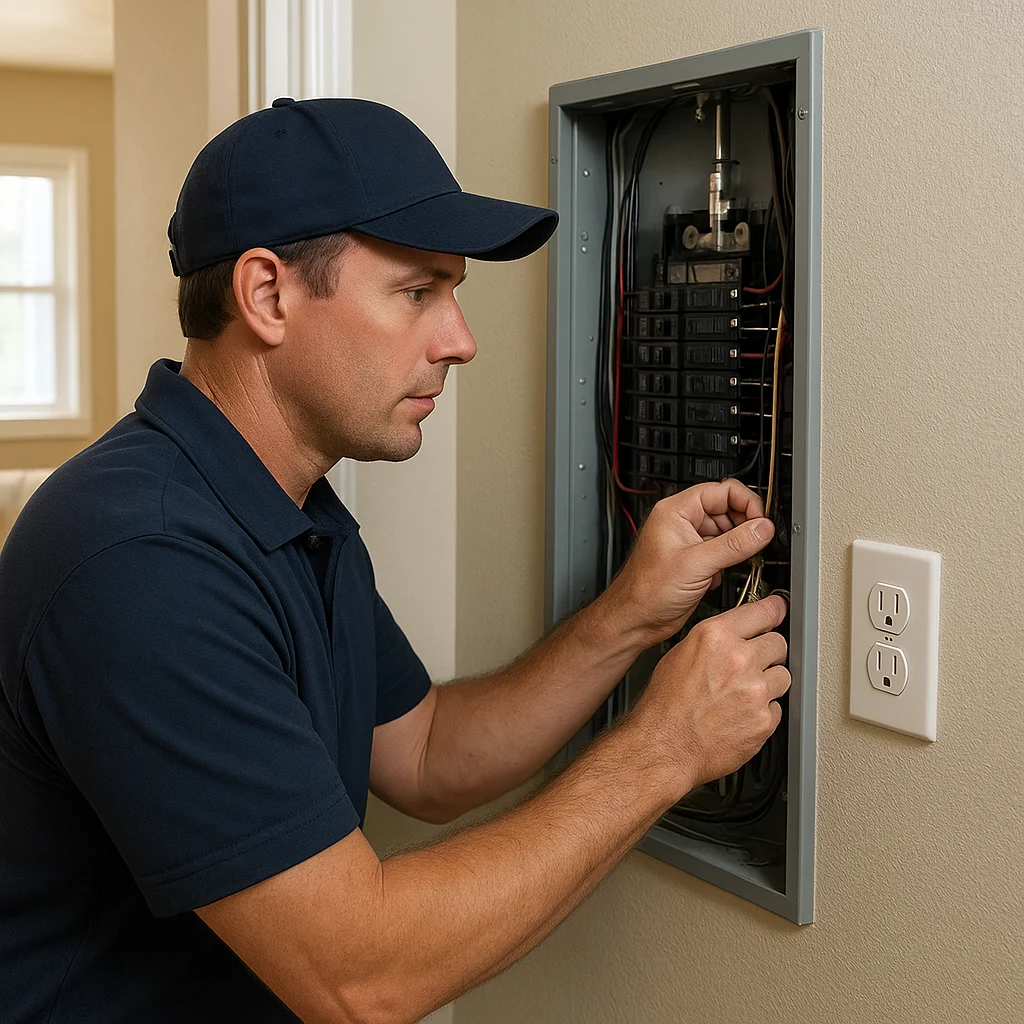
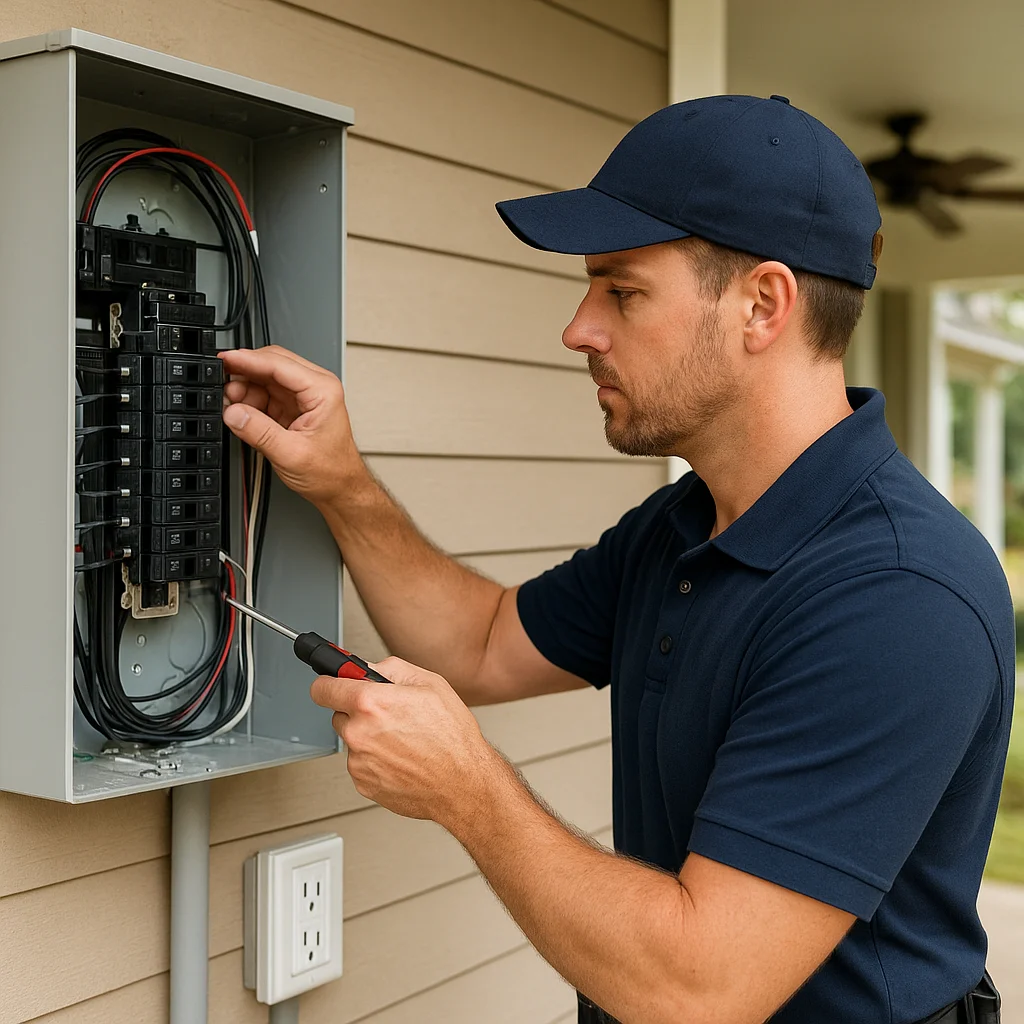
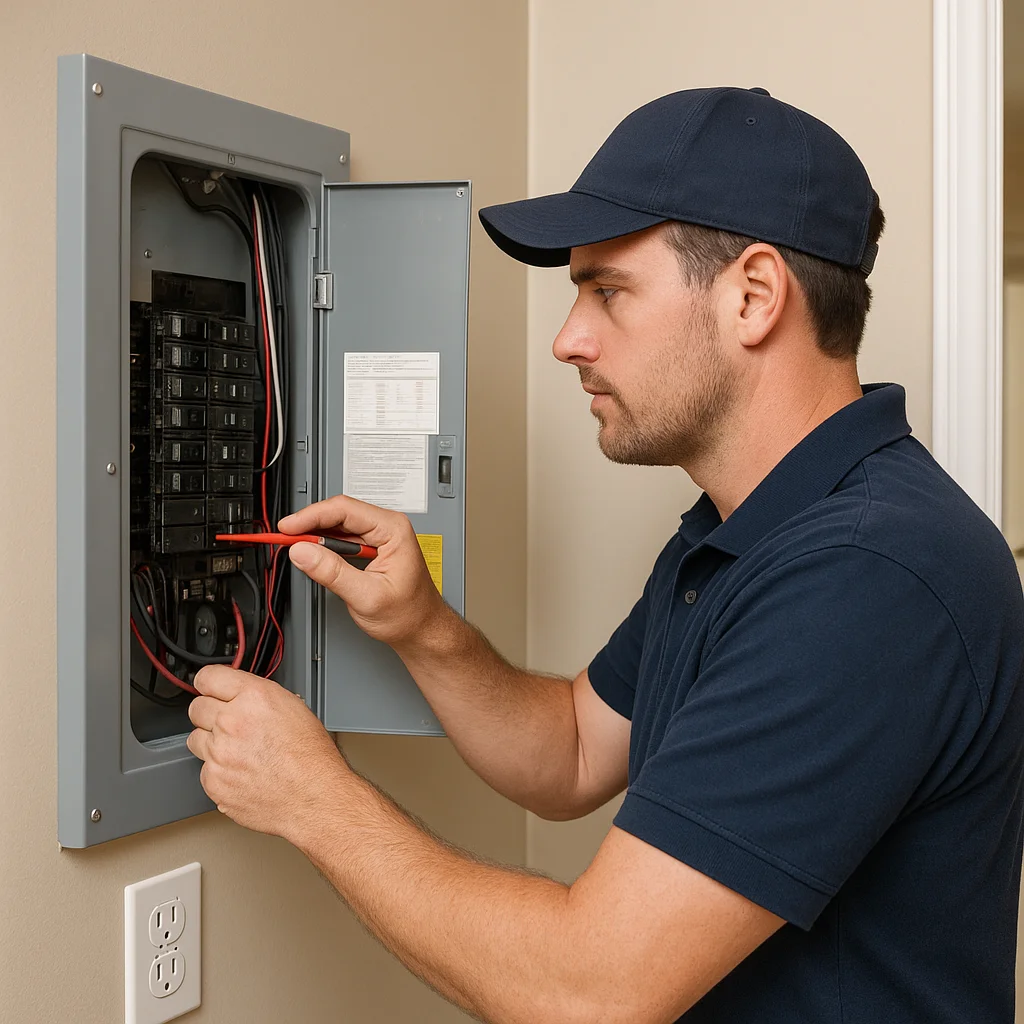
The electrical panel is the center of the home’s safety system. When a generator is installed, the panel has to be evaluated for capacity, compatibility, and code compliance. In some homes, a transfer switch or interlock is needed so utility power and generator power do not feed the system at the same time. That is one of the biggest reasons generator work should be handled by a licensed electrician, not treated like a simple appliance hookup.
Older homes in 30A may still have fuse boxes, undersized service equipment, or panels that were never designed for today’s electrical demand. In those homes, homeowners searching for electrical inspections and code updates often discover that generator installation should happen alongside panel upgrades or breaker repair. If the panel is already showing signs of heat damage, tripping, or corrosion, a generator will not solve the problem. It can actually reveal it.
Newer homes can have a different issue. They may have enough service size on paper, but the actual circuit layout may not be set up for backup priorities. A generator should support the circuits that matter most, such as refrigeration, lighting, internet, outlets, and medical equipment, without overloading the system.
Wiring problems that show up during outages
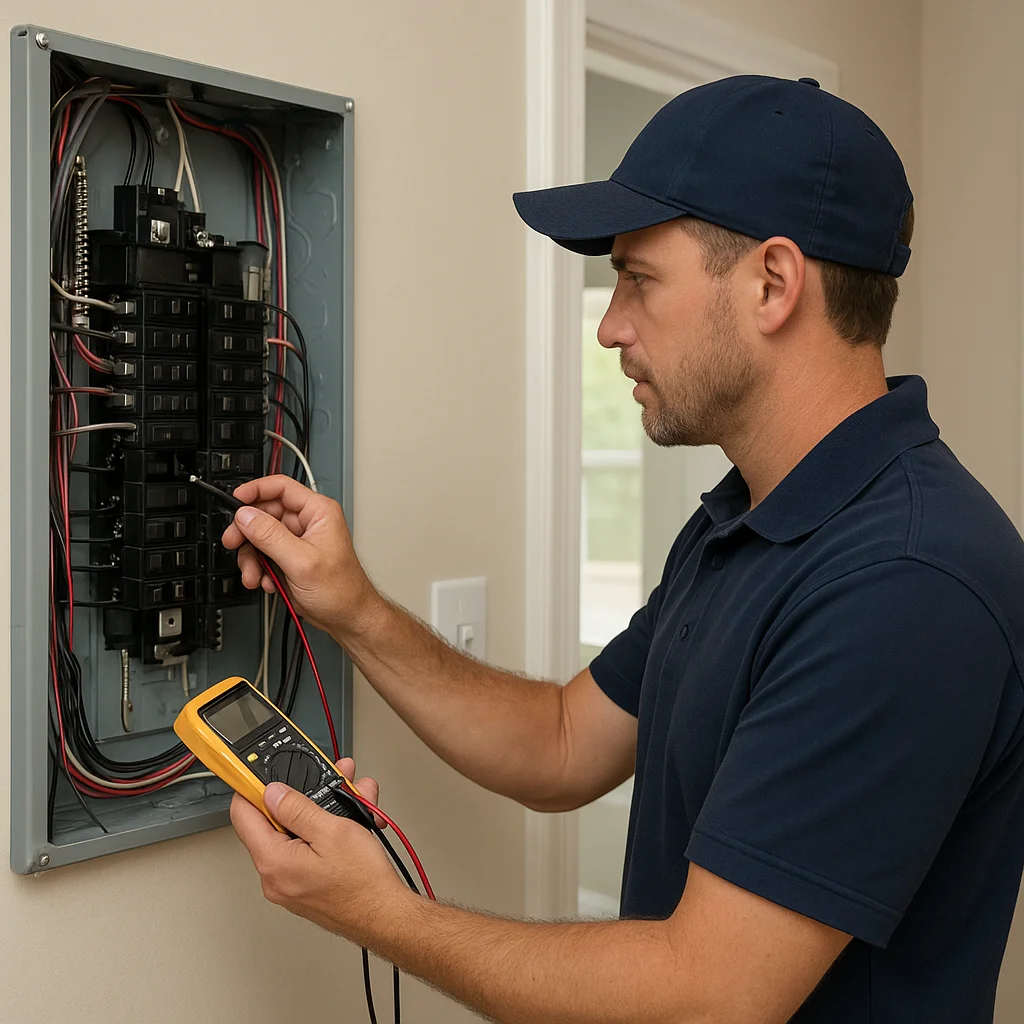
Outages often make hidden wiring issues easier to spot. If certain lights flicker, outlets stop working, or breakers trip when backup power comes on, there may be a loose connection, damaged circuit, or poor grounding issue. In coastal homes, moisture and corrosion can also affect outdoor wiring, attic junctions, and garage circuits.
That is why electrical repair and generator planning often go hand in hand. A homeowner searching for electrical company near me or electrician near me may think the issue is only about keeping the lights on, but the real concern can be old wiring replacement, home rewiring, or correcting a circuit that is not safely grounded. Backup power should support a sound electrical system, not hide a dangerous one.
When a home has older cloth wiring, worn splices, or overloaded branch circuits, it may be time to look at code corrections before adding a generator. That is especially true in remodels and additions where new loads were added without a full system review.
Outlets, GFCI protection, and safer backup use
Generators do not eliminate outlet safety concerns. In fact, backup power can make them more important. Kitchens, bathrooms, laundry areas, garages, crawl spaces, and outdoor locations need proper GFCI protection. If an outlet fails during an outage, it may point to moisture intrusion, a weak connection, or a circuit that is not properly protected.
Homeowners often search for gfci outlet repair near me when a single receptacle stops working, but the issue may be broader. A failed outlet, dimming lights, or a dead switch can point to a branch circuit problem that should be checked before relying on backup power. The same is true for homes with pool equipment, outdoor kitchens, or dock wiring, where weather exposure can create hidden hazards.
Backup generator planning should also include essential outlets. Refrigerators, freezers, internet gear, and a few lighting circuits are common priorities. Some homes may also need dedicated circuits for medical devices, security systems, or sump pumps. That kind of planning is much safer than trying to run everything at once.
Lighting, fans, and comfort during an outage
When the power goes out, lighting becomes a safety issue fast. Hallways, stairways, kitchens, and exterior entry points need dependable circuits. Ceiling fans can also help keep air moving during warm, humid weather, which matters in 30A homes that lose HVAC power during a storm. If a home has older fixtures or loose switches, a backup system will not help if the lighting circuits are already unreliable.
That is one reason many homeowners pair generator planning with lighting and fixtures updates. It is also common to address ceiling fan installation, kitchen lighting installation, and outdoor security lighting at the same time, especially in homes that are being renovated or prepared for rental use.
For homeowners comparing electrical upgrades, a generator can work alongside other projects such as smart home integration. Backup power helps keep connected devices online, but only if the circuits are properly designed and protected.
Why surge protection belongs in the same conversation
Storms in Walton County can cause more than outages. They can also create voltage spikes when power returns. Sensitive appliances, TVs, routers, chargers, and smart controls are all vulnerable. A whole home surge protector adds a layer of defense that works well with a generator system. If you have been searching for a whole home surge protector near me, it is worth asking how it will coordinate with your backup setup.
Surge protection is especially helpful in homes with modern electronics, EV chargers, and advanced appliances. It can also reduce the risk of repeated damage after lightning events, which are common along the coast. A generator keeps power available. Surge protection helps keep that power cleaner and safer for the equipment inside the home.
Older homes, newer homes, and different generator needs
Older homes in 30A often need a more complete electrical review before generator installation. The panel may be undersized, the grounding may need correction, or the wiring may include older materials that are not ideal for heavy backup loads. In those homes, a generator project may uncover the need for fuse box replacement, panel upgrades, or old wiring replacement before the system can be approved.
Newer homes usually have more capacity, but they also have more electrical expectations. Dedicated circuits for EV charging, kitchen appliances, pool equipment, and smart systems can leave less room for error. If you have searched for specialty and smart electrical services, you may already know how quickly modern loads add up. A generator has to be sized for the real use of the home, not just the square footage.
Remodels and additions create another layer of complexity. A new room, upgraded kitchen, or expanded outdoor living area can change the load calculation enough to affect generator sizing. That is one reason homeowners and property managers often involve an electrical contractor near me search early, before the project gets too far along.
Emergency readiness and local electrical maintenance
Generator systems need maintenance to stay dependable. Batteries, fuel systems, transfer equipment, and exercising the unit all matter. So do the rest of the home’s electrical parts. A generator cannot protect a home from a loose breaker, a damaged receptacle, or a corroded outdoor connection. Regular electrical maintenance helps catch those issues before storm season.
If you ever lose power and notice burning smells, sparking, warm outlets, or a panel that will not reset, that is an emergency electrical concern. In that situation, homeowners may need an emergency electrician near me or even a 24 hour electrician near me search to find immediate help. The same applies if a generator will not transfer correctly, a critical circuit is dead, or the home has signs of storm electrical repair needs after lightning or flooding.
For homes with garages, workshops, or EV charging setups, it is smart to plan dedicated circuits and check grounding at the same time. If you are looking into garage ev charger wiring near me or generator installation near me, the safest path is to have one electrical team review the whole system together instead of treating each upgrade separately.
Commercial properties and rentals in 30A
Generator planning is not just for primary residences. Vacation rentals, small commercial buildings, and multi-unit properties in 30A also need reliable backup power to keep essential systems online and reduce downtime. That can include lighting, security, refrigeration, access systems, and network equipment. For larger projects, coordination with commercial electric new construction or a commercial electrician near me search may be part of the process.
Property owners who manage rentals in a coastal market have extra pressure to keep systems safe and code compliant. A generator can protect guests and reduce disruption, but only if the underlying electrical work is done correctly and maintained on schedule.
A practical checklist for homeowners before storm season
Before the next storm season, it helps to review the home system as a whole:
Check whether the panel has enough capacity for backup loads and today’s electrical demand.
Look for tripping breakers, warm outlets, flickering lights, or signs of moisture damage.
Confirm that critical circuits are identified for refrigeration, lighting, internet, and medical equipment.
Make sure GFCI outlets and grounding are in good shape, especially outdoors and near water.
Ask whether surge protection should be added with the generator system.
Review whether additions, remodels, or EV chargers changed the load on the home.
Schedule professional electrical inspections if the home is older or has had repeated issues.
When those pieces are handled together, power backup generators do more than keep the lights on. They support a safer, more reliable electrical system for the long term.
A Superior Mechanical helps homeowners across 30A choose generator solutions that fit the home, the panel, and the way the property is actually used. If your home has aging wiring, a newer high demand layout, or storm related concerns, professional generator installation paired with electrical repair and maintenance can make a real difference when the next outage hits.
Find Power Backup Generators in 30A, FL
If you need Power Backup Generators in 30A, FL, visit our local service page or contact A Superior Mechanical today.
Map of 30A, FL
Frequently Asked Questions
Do backup generators need a panel upgrade in older 30A homes?
Sometimes. Older homes may have fuse boxes, undersized panels, or wiring that is not ready for generator loads. A licensed electrician should inspect the system before installation.
Can a generator help protect appliances during storms?
A generator keeps power available during outages, but surge protection is also important. Together, they help reduce stress on appliances, electronics, and sensitive controls when utility power returns.
What electrical issues should be fixed before adding a generator?
Common issues include tripping breakers, loose outlets, damaged wiring, poor grounding, and outdated panels. These problems should be corrected first so the backup system works safely.
Related Articles
- How Professional Electrical Service Makes Smart Home Integration Work Better in 30A, FL
- Keeping 30A Commercial Spaces Comfortable Before HVAC Trouble Spreads
- Keeping a 30A Home Comfortable Starts With the Right Air Conditioning System
- Why Preventive HVAC Service Pays Off for Air Conditioning Repair in 30A, FL
Photo Gallery