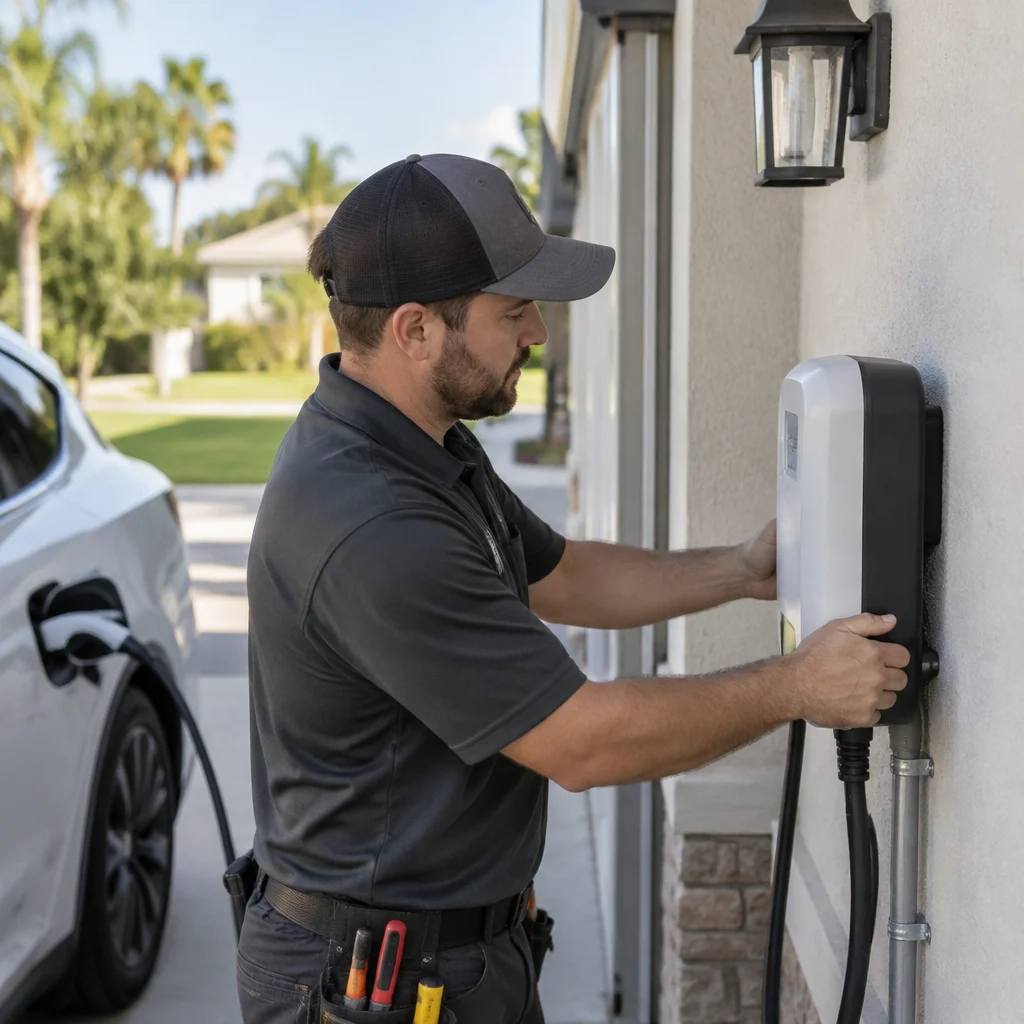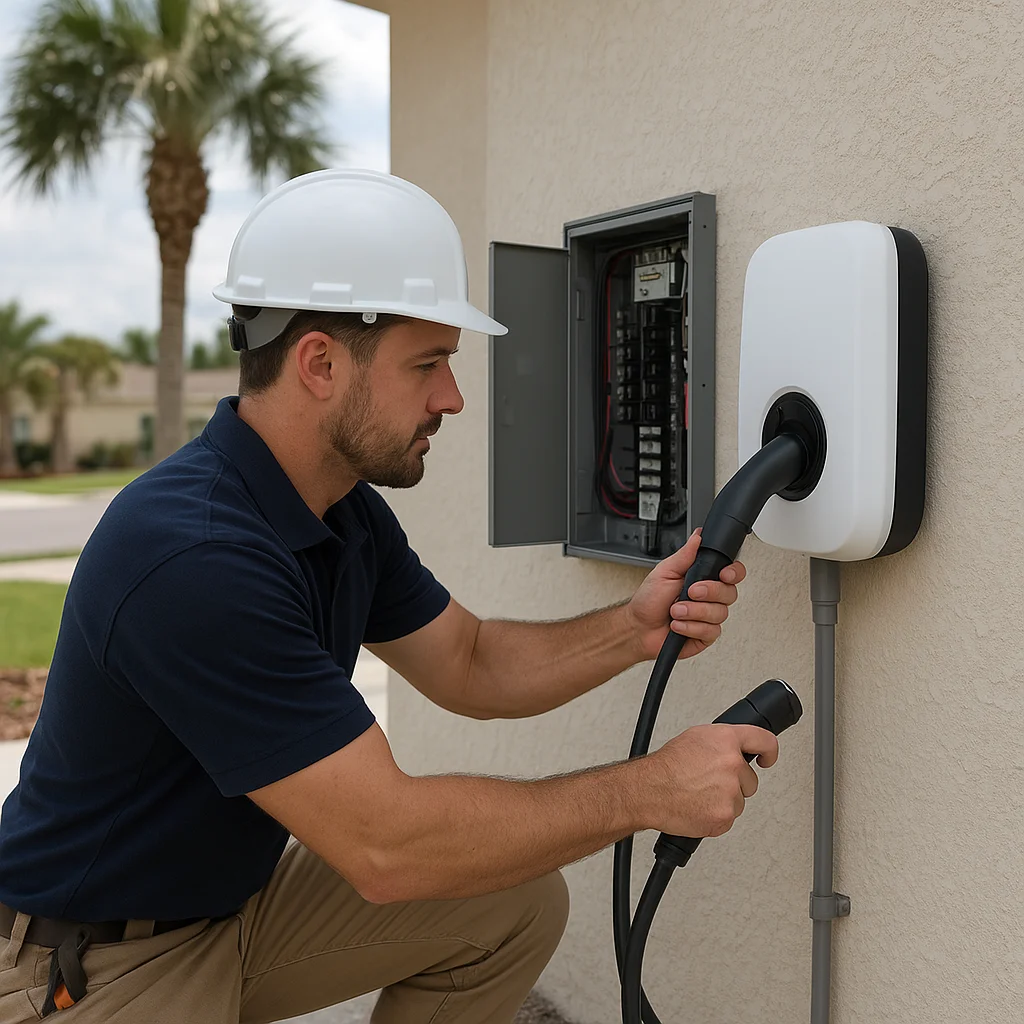
Installing an EV charger is one of the most practical upgrades a homeowner can make, especially in a place like Lower Grand Lagoon where daily driving, vacation traffic, and coastal weather all shape how a home uses electricity. A charger should feel simple once it is in place, but the installation itself can uncover issues that were easy to miss before the work began. That is why homeowners looking into EV charger installation in Lower Grand Lagoon, FL often benefit from a closer look at the panel, wiring, grounding, and overall electrical condition of the home first.
In Bay County, salt air, humidity, storms, and older construction can all affect how well an electrical system handles a new load. Even newer homes can run into problems if the panel is already close to capacity, if a remodel added circuits without a full upgrade, or if a garage outlet was never meant to support continuous charging. A careful electrical review helps catch those issues early, before they turn into nuisance breaker trips, overheated wiring, or a charger that never performs the way it should.
Why EV charger installation can reveal hidden electrical problems
An EV charger is not like plugging in a lamp or a small appliance. Most Level 2 systems draw a steady, high load for hours at a time, which puts more pressure on the panel, breakers, conductors, and grounding system. If any part of the home electrical system is weak, outdated, or undersized, the charger may expose it quickly.
That is especially true in Lower Grand Lagoon, where homes may have been built in different eras and updated in stages. A house might have a newer kitchen or added living space, but still carry older branch circuits, mixed wiring methods, or an aging service panel. In those cases, an electrician may find that the charger itself is not the problem. The real issue could be a panel that is too full, a loose neutral, an undersized feeder, or a breaker that has already been stressed by years of use.
If you are already searching for electrical services because lights flicker, outlets feel unreliable, or the panel has been acting strangely, it is smart to address those concerns before the charger goes in. EV charging should be part of a healthy electrical system, not the test that reveals it is overdue for repair.
Local conditions that matter in Lower Grand Lagoon
Coastal Florida homes face conditions that can shorten the life of electrical equipment. Humidity can corrode connections. Salt air can wear on outdoor components. Storm seasons can stress surge protection and damage service equipment. And because many homes in the area are used as primary residences, seasonal homes, or rentals, electrical systems may sit under different patterns of use than a typical inland home.
That matters when planning a charger. A garage EV charger wiring near me search might lead to a simple installation, but in Lower Grand Lagoon the job often needs more context. Is the panel indoors or outdoors? Is the charger going in a garage, carport, or exterior wall? Is the wiring path exposed to moisture? Does the home already have a generator transfer switch, pool equipment, or other high demand circuits competing for space?
These local details affect code compliance, equipment selection, and long term reliability. They also help explain why local electrical service matters. An electrician who works in Bay County understands the mix of older beach homes, renovated properties, and newer construction that all present different installation challenges. If you want a broader look at how homes in the area handle electrical updates, the Lower Grand Lagoon service area page is a helpful starting point.
Panel capacity is often the first issue
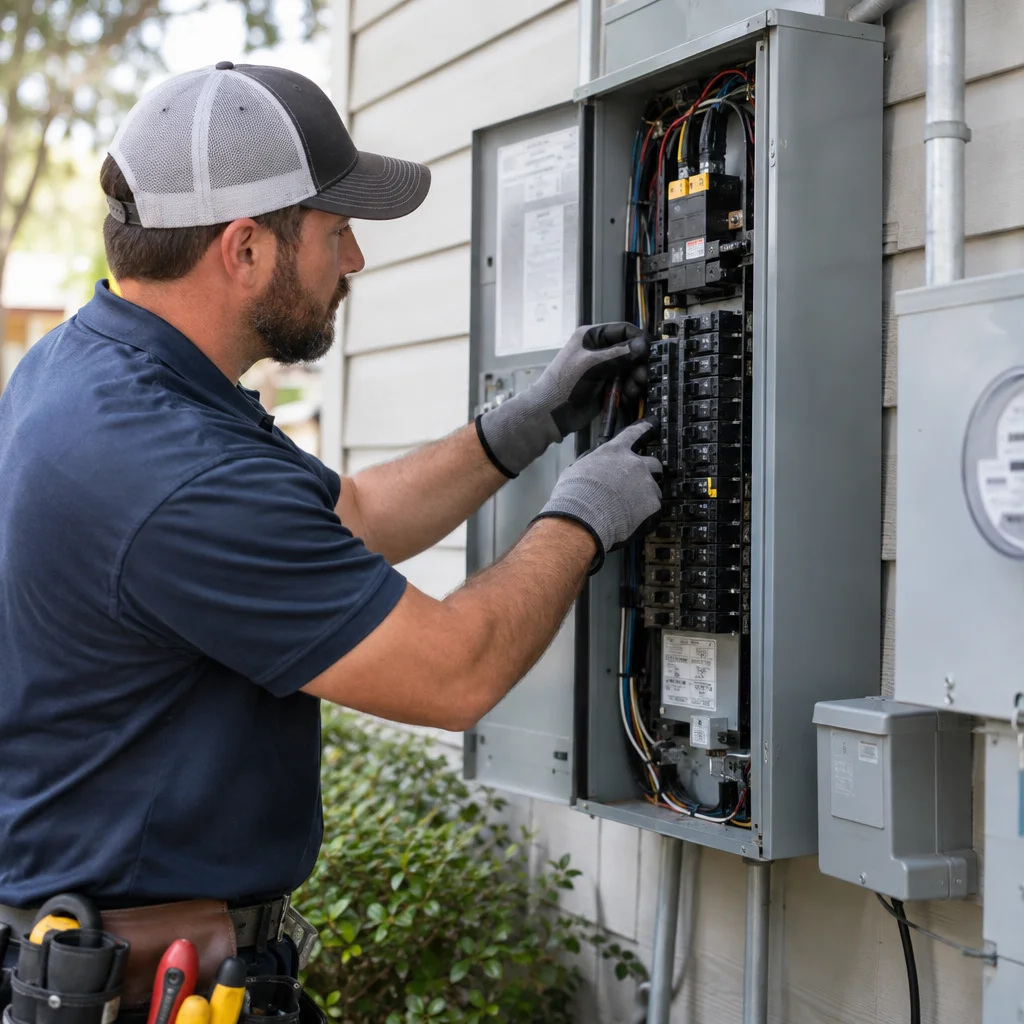
The most common reason an EV charger installation runs into trouble is simple: the panel does not have enough room or capacity. A Level 2 charger usually needs a dedicated circuit sized for the unit and the vehicle’s charging demand. If the panel is already crowded, the electrician may need to install a subpanel, reorganize circuits, or recommend a panel upgrade.
Homeowners sometimes notice warning signs before the charger project even starts. Breakers that trip when the microwave, dryer, and air conditioning run together may point to a system that is already near its limit. A panel with rust, heat discoloration, or a burning smell should be checked immediately. In some homes, an old fuse box replacement near me search is not really about the charger at all. It is about bringing the whole home up to a safer standard before adding more load.
When the panel is undersized, the charger may still be installable, but only after the system is evaluated and corrected. That may mean a dedicated circuit, a service upgrade, or other electrical repair near me work that protects the home from overloads and nuisance shutdowns.
What homeowners can watch for
Look for frequent breaker trips, dimming lights when large appliances start, warm panel covers, or breakers that feel unusually hot. These are the kinds of clues a home safety inspection electrician near me search is meant to uncover before a major installation.
Wiring, outlets, and grounding can make or break the project
Older wiring is another common obstacle. Some Lower Grand Lagoon homes still have circuits that were never designed for today’s electrical demand. Others have been remodeled over time, leaving a mix of wire types, splices, and outlet styles behind walls. If the charger location depends on old garage wiring, the electrician may find that the circuit cannot safely support the load.
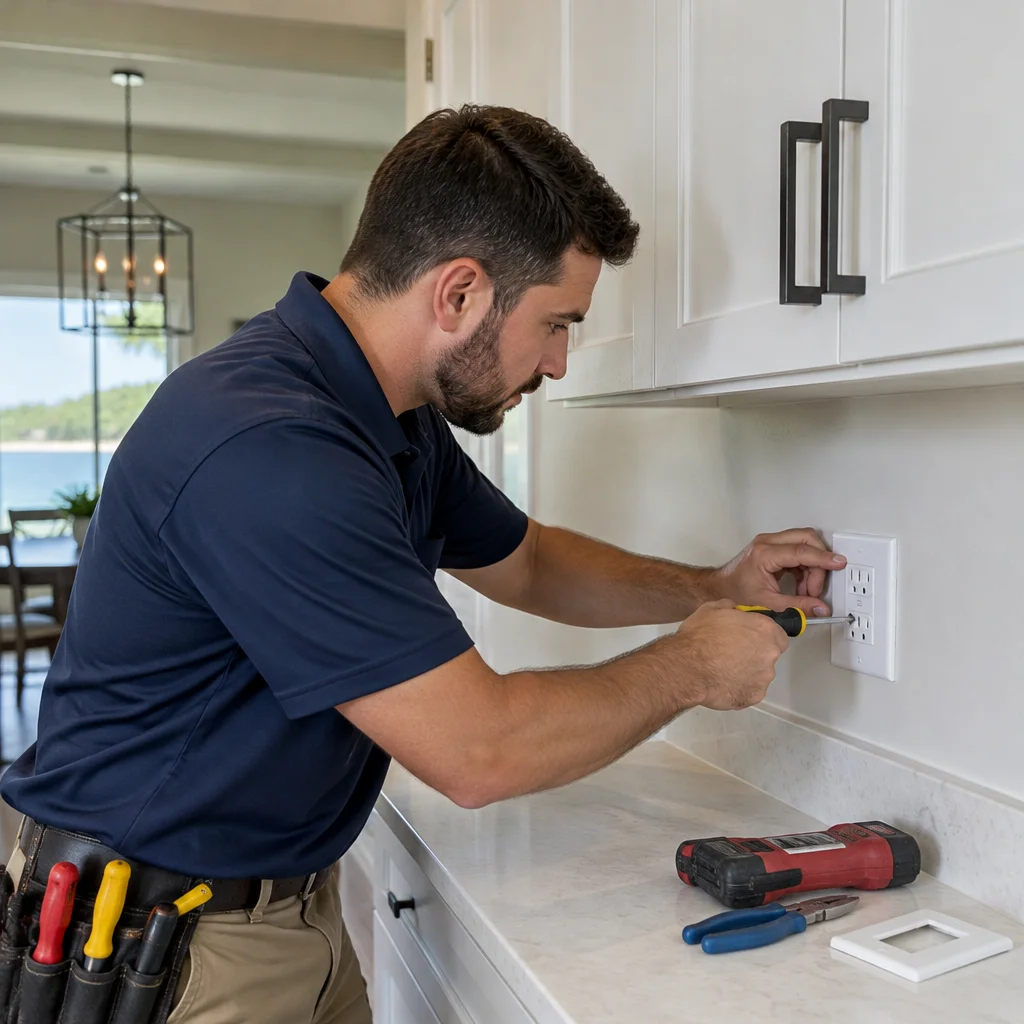
Grounding and bonding also matter. EV charging equipment must be installed on a properly grounded system so fault current can clear safely. If grounding is weak or missing, the system may not meet code, and the charger may not operate as intended. That same inspection can uncover other issues such as loose receptacles, damaged switches, or worn outlets that need attention. A separate outlet installation near me or light switch installation near me project may seem small, but these details often point to a larger wiring condition.
Humidity and corrosion can also affect GFCI protection. In garages, unfinished spaces, and outdoor charging locations, GFCI outlet installation near me or gfci outlet repair near me requests often come up during charger planning. The goal is not just to get power to the charger. It is to make sure the system stays safe in a coastal environment where moisture is always part of the picture.
Breaker sizing and dedicated circuits need to be right
EV chargers should have a dedicated circuit sized to the manufacturer’s specifications and the home’s electrical capacity. If the breaker is too small, the charger may trip during normal use. If it is too large or matched to the wrong wire size, the system can become unsafe. That is why breaker selection is not a guess. It is part of the electrical design.
This is also where homeowners sometimes learn that the charger project overlaps with other electrical needs. A home that needs a dedicated EV circuit may also benefit from appliance circuit installation near me work, a kitchen lighting installation near me update, or bathroom lighting installation near me improvements if the panel layout is being reworked. In some homes, the best time to handle these items is during one coordinated electrical visit rather than one project at a time.
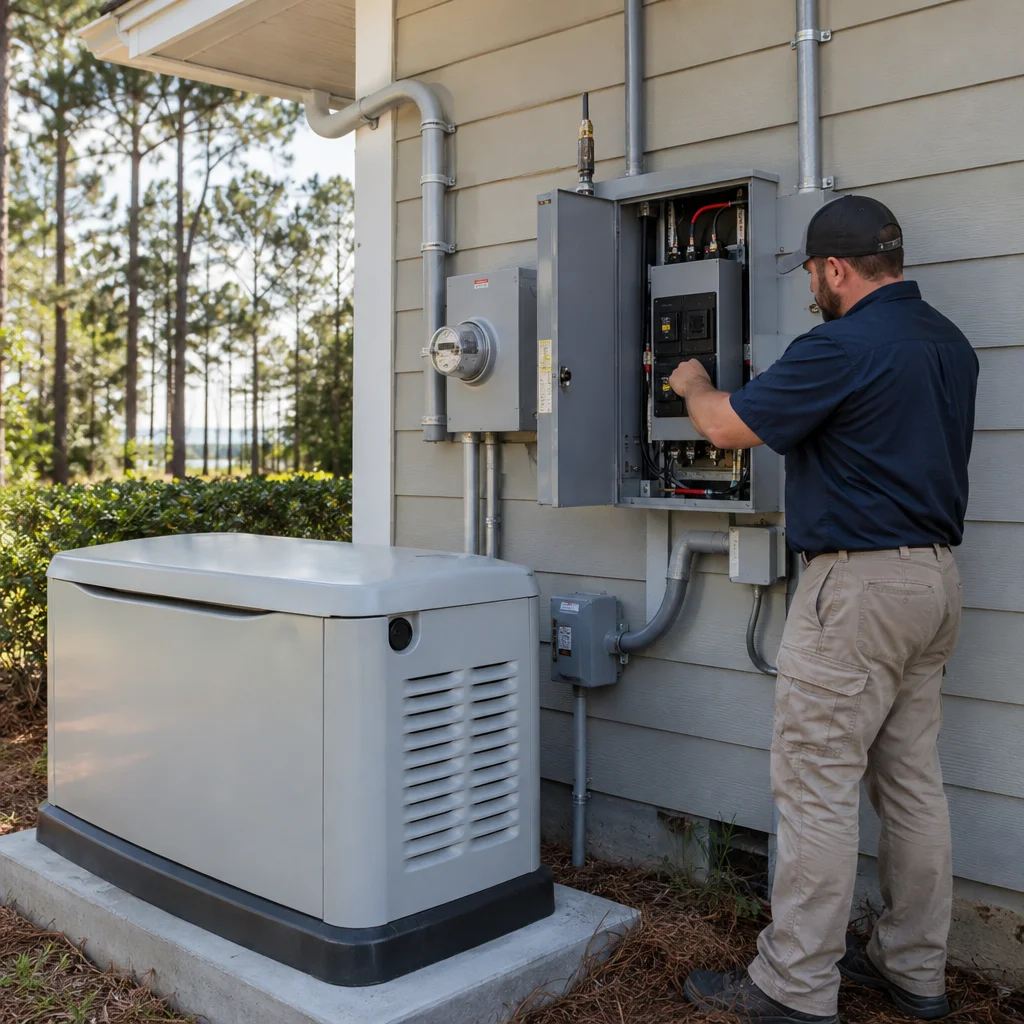
If the breaker panel is already crowded, the electrician may recommend a load calculation and a discussion about future needs. That is especially useful for homeowners who may later add a second EV, a hot tub, a generator transfer switch installation near me project, or more outdoor lighting.
Storms, surge protection, and emergency concerns
Bay County weather can be tough on electrical systems. Lightning, power fluctuations, and storm outages all increase the value of surge protection. If your home does not already have a whole home surge protector near me solution, an EV charger installation is a good time to think about it. Chargers contain sensitive electronics, and a surge can damage the unit or the vehicle’s charging equipment.
Storm season also makes it worth reviewing backup power options. Some homeowners already have a generator installation or generator transfer switch installation near me setup, while others are considering one because outages have become more common. The electrician should confirm how the EV charger fits into the home’s backup plan, because not every generator can support charging at full load.
If you ever smell burning plastic, hear buzzing at the panel, or lose power to part of the home during charging, that is not a normal inconvenience. It can be a sign of a loose connection, failing breaker, or damaged conductor. In those moments, homeowners often search for a power outage electrician near me or storm electrical repair near me response, and that is the right instinct. Electrical problems should be checked before they spread.
How to catch problems early before installation day
The best way to avoid surprises is to have the electrical system evaluated before the charger is mounted. A good inspection looks at the service size, panel condition, grounding, breaker layout, conductor sizing, and the route from the panel to the charging location. It also checks for signs of heat, corrosion, water intrusion, and outdated equipment.
Homeowners can help by noting any recurring electrical issues around the house. Are certain outlets unreliable? Do ceiling fans or lights flicker when appliances start? Does the garage circuit trip when power tools or a freezer run? Those symptoms matter. They can point to a problem that should be corrected before the charger is installed.
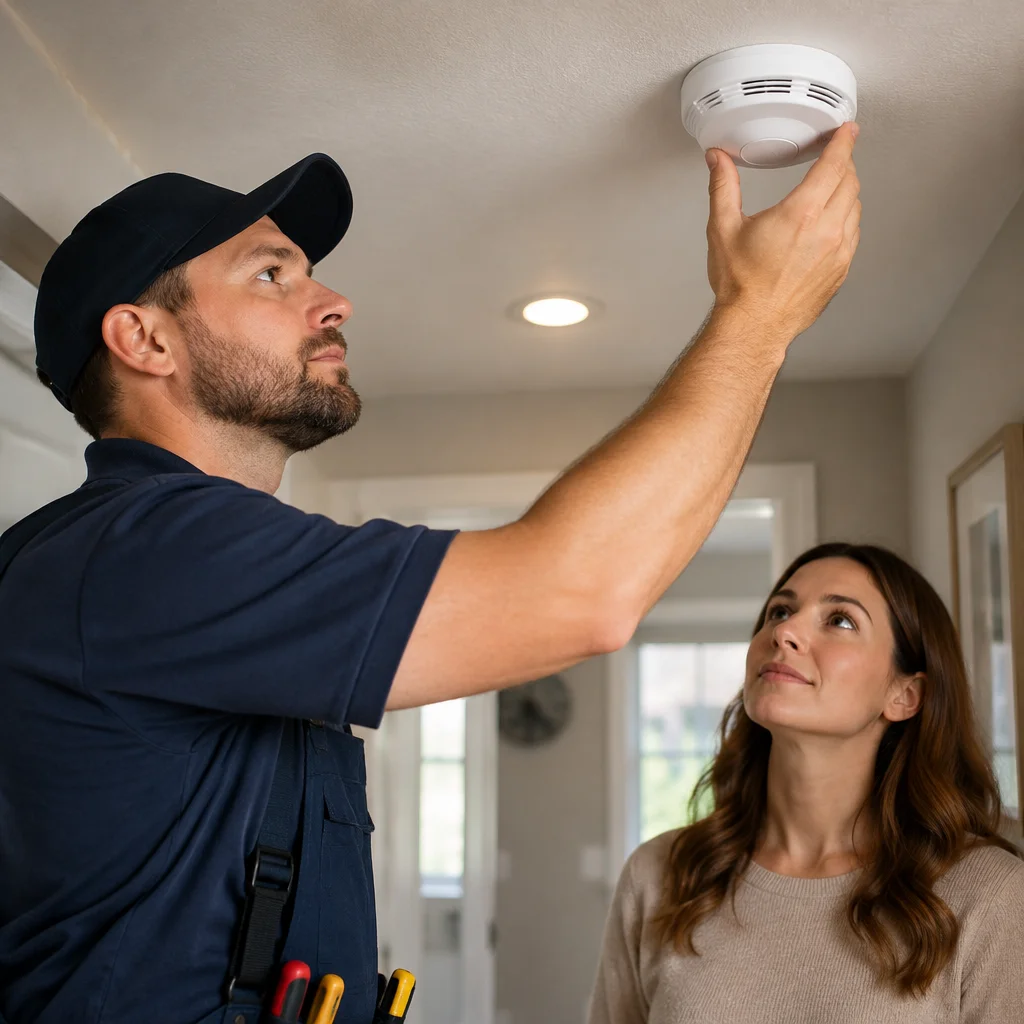
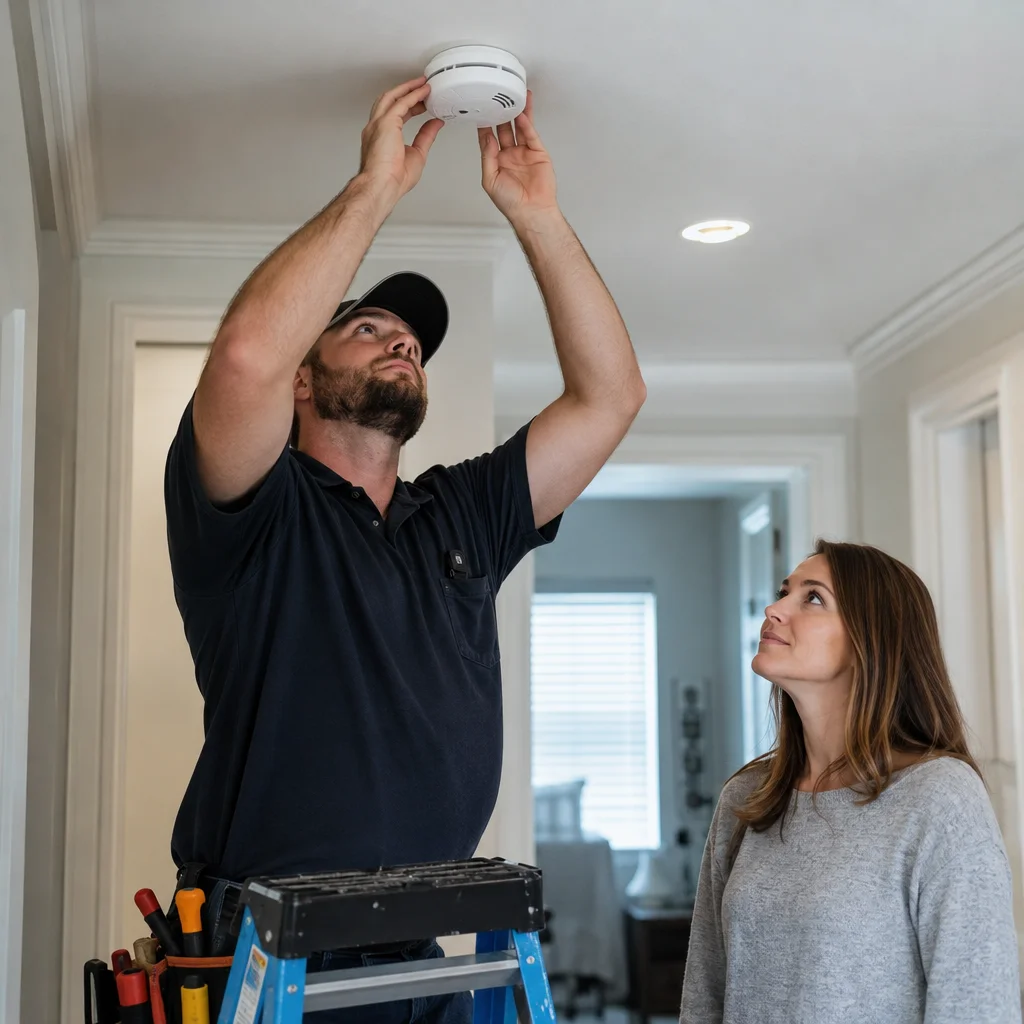
It is also smart to think about the rest of the home. If the property already needs smoke detector installation, ceiling fan updates, or home theater and AV wiring, those projects may be easier to coordinate while the electrician is already reviewing the system. The same goes for smart home integration, especially if the homeowner wants charger scheduling, load management, or app based control.
Early warning signs worth paying attention to
Watch for warm outlets, cracked faceplates, repeated breaker trips, buzzing sounds, flickering fixtures, or a breaker panel that looks crowded and outdated. If you are already searching for electrical troubleshooting near me, the system may be telling you it is time for a deeper inspection.
Why code compliance matters in coastal Florida
EV charger installations need to meet local and national electrical code requirements, and that becomes especially important in a coastal area with moisture, corrosion, and storm exposure. Code compliance affects wire sizing, breaker selection, disconnects, mounting height, GFCI requirements where applicable, and the use of approved equipment in the right locations.
For homes in Lower Grand Lagoon, code aware installation is about more than passing inspection. It helps protect the charger, the vehicle, and the home itself. A properly installed charger should not interfere with existing circuits or create hidden stress in the panel. It should also be planned with future needs in mind, including possible additions, remodels, or even a second charger later on.
If your home has older wiring, unfinished garage space, outdoor mounting needs, or a history of patchwork electrical work, a professional review can prevent expensive rework. That is especially true for homeowners who may already be looking for electrical repair near me because of recurring issues that seem minor but keep coming back.
When a professional electrician is the right call
Some charger projects are straightforward. Others reveal enough electrical concerns that a homeowner should not move forward without help. If the panel is full, the wiring looks aged, the breakers are unreliable, or the home has had storm damage, a licensed electrician should evaluate the system before any charger is installed.
That is also true if the installation site is far from the panel, if the home needs a service mast repair near me type of correction, or if the property has a history of moisture intrusion around the electrical gear. In older homes, what looks like a simple charger install can turn into a needed panel upgrade, grounding correction, or circuit repair. In newer homes, the work may be simpler, but it still needs proper planning and load management.
A Superior Mechanical helps homeowners in Lower Grand Lagoon and across Bay County with safe, practical electrical solutions that fit the home and the way it is used. Whether the project involves a dedicated charger circuit, a panel upgrade, surge protection, or a broader electrical inspection, the goal is to make the home ready for the load without creating new risks.
If you are planning an EV charger, it is worth taking a full look at the home’s electrical system first. That review can uncover issues with outlets, switches, lighting, grounding, or breaker capacity before they interrupt the installation. It can also help you decide whether the charger should be paired with other improvements, such as ceiling fans, outdoor lighting, or a future generator transfer switch. For homeowners who want the work done cleanly and safely, the right electrician can make the difference between a charger that just works and one that works for years.
For related electrical updates in the area, homeowners also often read Keeping Lower Grand Lagoon Homes Ready for the Next Electrical Upgrade, Keeping Outlets and Switches Reliable in Lower Grand Lagoon Homes, and Keeping Pool, Spa, and Hot Tub Wiring Safe in Lower Grand Lagoon Homes when planning broader home electrical maintenance.
Find EV Charger Installation in Lower Grand Lagoon, FL
If you need EV Charger Installation in Lower Grand Lagoon, FL, visit our local service page or contact A Superior Mechanical today.
Map of Lower Grand Lagoon, FL
Frequently Asked Questions
Do I need a panel upgrade for EV charger installation in Lower Grand Lagoon?
Not always, but many homes need one if the panel is full, outdated, or already close to capacity. A load calculation helps determine whether the existing panel can safely handle a Level 2 charger.
Can older coastal homes in Lower Grand Lagoon support a Level 2 charger?
Yes, many can, but older wiring, corrosion, grounding issues, or limited service capacity may need to be corrected first. A professional inspection is the best way to confirm what the home can support.
Why does my EV charger keep tripping the breaker?
Common causes include an undersized breaker, loose connections, a weak circuit, or a panel that is overloaded. If the breaker trips repeatedly, the system should be checked before continued use.
Should I add surge protection with my EV charger?
Yes, whole home surge protection is a smart upgrade in Lower Grand Lagoon, where storms and lightning are part of life. It can help protect the charger and other sensitive electronics in the home.
Related Articles
- Keeping Lower Grand Lagoon Homes Ready for the Next Electrical Upgrade
- Outdoor Landscape Lighting and the Electrical Clues Lower Grand Lagoon Homeowners Should Not Ignore
- Keeping Pool, Spa, and Hot Tub Wiring Safe in Lower Grand Lagoon Homes
- Keeping Outlets and Switches Reliable in Lower Grand Lagoon Homes
Photo Gallery