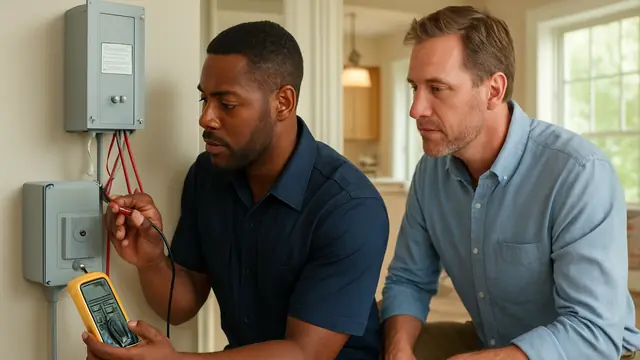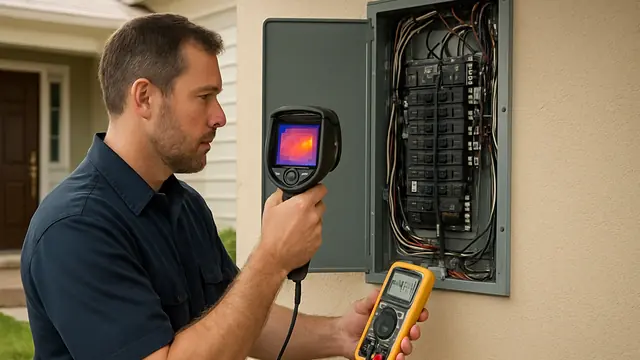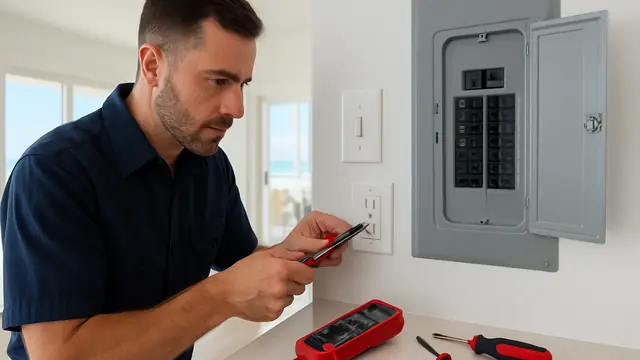
Do not remove an electrical panel cover, touch exposed conductors, bypass protection, or repeatedly reset a fault. Keep clear of smoke, sparks, burning odors, hot equipment, standing water near electricity, and downed lines, then call qualified help.
1. Why Pool Electrical Safety Needs Special Attention
A swimming pool brings water, bare feet, electrical equipment, and conductive surfaces into the same space. A fault that might otherwise remain unnoticed can become dangerous when someone touches a ladder, enters a spa, or stands on a wet deck. Pool electrical safety depends on several protections working together, including suitable equipment, intact wiring, effective grounding and bonding, and ground-fault protection where required.
In Panama City Beach and throughout Bay County, heat, humidity, salt air, and heavy rain can wear on outdoor electrical equipment. Enclosures and connections may deteriorate even while a pump or light continues operating. Seasonal occupancy adds another concern: equipment may run for weeks without anyone closely observing it. Normal operation is not proof that the installation remains electrically safe.
2. Know When to Close the Pool Immediately
Tingling, a shock sensation, unexplained muscle difficulty in the water, or a reported shock from a rail or ladder requires an immediate response. Keep everyone out of the pool or spa. If someone may be receiving a shock, call 911 and do not enter the water or touch the person while they remain in contact with the water. An unprotected rescue attempt can expose another person to the same hazard.
Shut off pool power only if the disconnect is readily accessible from a dry, safe location without approaching wet or suspect equipment. Do not assume switching off a pump eliminates every possible electrical source. Keep people away from the water and conductive surfaces until the hazard is addressed. Burning odors, smoke, exposed conductors, or damaged electrical enclosures also warrant stopping use and calling a licensed electrician, with emergency services for an active fire.
3. Understand Grounding, Bonding, and GFCI Protection
Grounding and bonding serve related but different purposes. Equipment grounding provides a path back toward the electrical source so protective devices can respond to certain faults. Pool bonding connects designated conductive parts to help reduce voltage differences between surfaces someone could touch at the same time. Depending on the installation, that network can involve equipment, metal components, the pool structure, surrounding surfaces, and a connection to the pool water.
A ground-fault circuit interrupter, or GFCI, monitors current imbalance and interrupts power when it detects a qualifying leakage condition. It adds protection but does not replace grounding or bonding, and none of these measures makes damaged equipment acceptable. Homeowners should not add wires, install ground rods as an improvised fix, or reconnect loose bonding conductors themselves. An electrician must evaluate the arrangement as a system rather than assume one visible wire proves compliance.
4. Watch for Deterioration Around the Equipment Pad
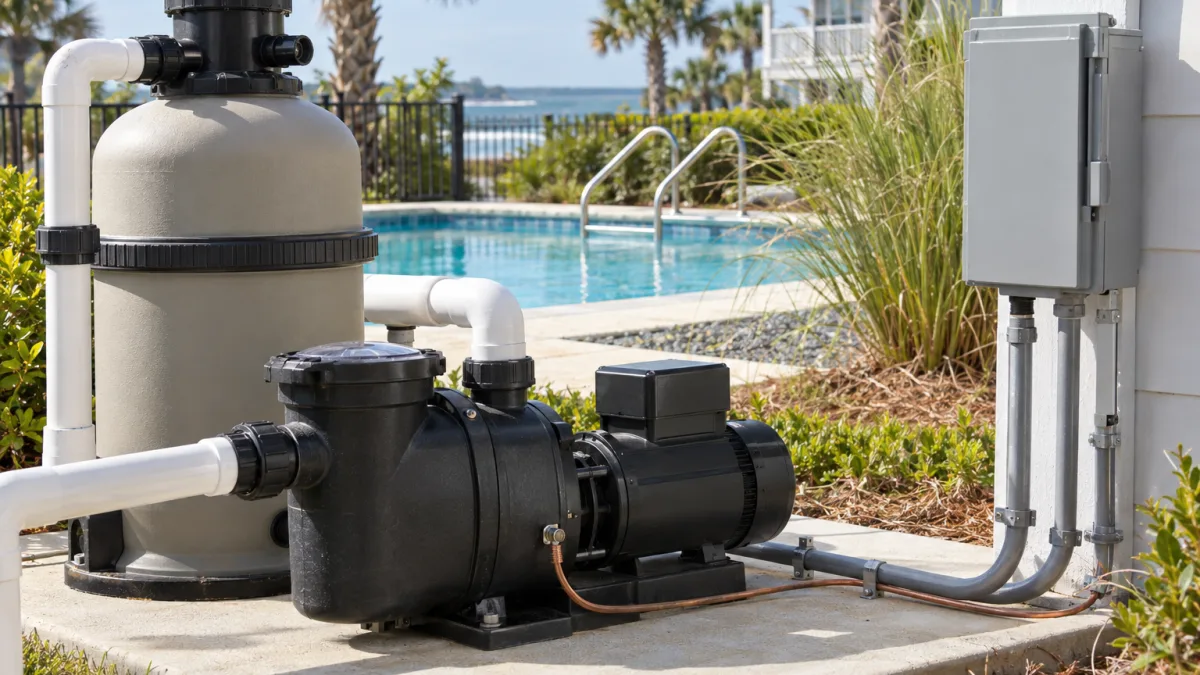
From a safe distance, look for cracked conduit, broken enclosure covers, rust-through, separated fittings, or equipment that has shifted and pulled on its wiring. Repeated irrigation spray, standing water, and storage piled around the equipment can worsen conditions or obstruct service access. Coastal salt exposure can accelerate corrosion, especially where protective finishes or seals have failed. Do not open covers or touch questionable fittings to see whether they are loose.
Discoloration around electrical connections, a persistent burning smell, buzzing from a control enclosure, or repeated shutdowns deserves professional attention. Keep access clear, but do not pressure-wash electrical equipment or apply household sealant to damaged boxes. A licensed electrician can determine whether corrosion is superficial or has compromised an enclosure, grounding connection, conductor termination, or protective device. Equipment affected by flooding needs evaluation before it is energized again.
5. Treat Underwater Lighting as a Complete Electrical System
An underwater light is more than a replaceable bulb. Depending on its design, the installation may include a fixture housing, a factory cord, a junction box, a transformer, and protective devices. Water inside a lens, recurring light failures, damaged deck-side boxes, or a light that behaves differently when the pump runs should be reported. Stop using suspect lighting and keep swimmers out if an electrical fault is possible.
A low-voltage light still needs the correct listed power supply and installation method. An LED conversion is not automatically safe simply because the new lamp uses less energy. Compatibility, cord condition, fixture seals, transformer suitability, and required protection all matter. Removing a light assembly, replacing its cord, or opening associated wiring boxes belongs with a qualified professional. A cosmetic lens or bulb replacement does not resolve a deteriorated electrical supply.
6. Plan Pump, Heater, and Spa Replacements Before Ordering
A replacement pump or heater may have different voltage, circuit, control, or protection requirements than the equipment it replaces. Variable-speed pumps contain electronics that must be matched with appropriate electrical protection and manufacturer instructions. Electric pool heaters and spa systems can place substantial demands on their supply circuits. Before purchasing, give the electrician the exact model information rather than relying on horsepower, physical size, or a salesperson's description.
Ask whether existing conductors, disconnects, control equipment, grounding, and bonding can support the proposed installation. Also ask what permits and inspections apply to the scope of work in the local jurisdiction. A plug-in spa is not automatically suitable for any nearby outdoor receptacle, and a hardwired unit should not be converted to cord operation as a convenience. Electrical planning before delivery helps avoid unsafe temporary connections and equipment that cannot be installed as expected.
7. Keep Portable Power and Decorative Lighting Away
Extension cords and power strips are not substitutes for properly installed pool or spa electrical supplies. A cord routed across a deck can become wet, damaged by furniture, or pulled into the water. Keep portable appliances, charging devices connected to household power, and plug-in entertainment equipment away from swimming areas. Outdoor-rated equipment still has placement and use limits; its weather rating does not make it safe beside or above a pool.
If the deck needs additional receptacles, fans, or permanent lighting, have an electrician plan their locations and wiring methods around the pool-specific requirements. Decorative string lights should not be improvised across the water. Clearances, supporting structures, product suitability, and the electrical supply all need review. For properties with guests, arrange furniture and entertainment areas so people are not tempted to stretch cords from the house to the pool edge.
8. What a Professional Pool Electrical Inspection Should Cover
A useful inspection follows the electrical supply through the pool equipment rather than checking only whether the pump starts. The electrician should identify the circuits and equipment served, examine accessible wiring and enclosures, verify appropriate protective devices, and evaluate disconnecting means. Grounding and the accessible bonding network need attention, along with lighting supplies, control modifications, and evidence of overheating, corrosion, or water intrusion. Testing may require shutting the system down.
Tell the electrician about past equipment replacements, resurfacing, deck work, lightning damage, nuisance shutdowns, and any reported shock. Some bonding components are concealed, so a visual inspection alone cannot confirm every part of the installation. Ask which conditions were verified, which areas remain inaccessible, and whether further testing or investigation is needed. A written record should distinguish immediate safety concerns from maintenance recommendations and identify any limits on continued operation.
9. Build Maintenance Around Conditions and Equipment Instructions
There is no single inspection interval that fits every residential pool. Equipment age, exposure, usage, repair history, and manufacturer instructions should guide the schedule with your electrician. Follow the specified testing instructions for accessible GFCI devices only when the device and surrounding area are dry and safe. If a device fails its test, does not restore power normally, or repeatedly interrupts operation, leave the affected equipment off and arrange service.
Have the electrical installation reviewed after flooding, physical damage, significant equipment changes, or work that could disturb bonding, such as deck or rail replacement. Pool chemistry service does not automatically include an electrical safety inspection. Keep model numbers, installation documents, inspection findings, and repair records together. These records help the next professional recognize changes and assess whether a recurring problem involves the equipment, its supply, or an earlier modification.
10. Set Clear Rules for Shared and Rental Properties
For a vacation rental or shared property, assign someone responsibility for receiving electrical complaints and closing the pool when needed. A guest's report of tingling or a shock should never be dismissed because another person cannot reproduce it. Do not ask staff or guests to test the water by touch. Block access, contact the appropriate professional, and document what was reported without delaying emergency action when someone may be injured.
Staff should know where the pool disconnect is, when it can be approached safely, and whom to call, but they should not open electrical equipment or bypass protective devices to keep amenities available. Arrange qualified service before reopening after a suspected electrical hazard. Shared or public-use facilities may have additional operating and inspection obligations, so property managers should confirm the requirements that apply to their specific pool rather than rely on residential maintenance practices.
About this guide: This resource provides general homeowner education, not a remote diagnosis. Actual conditions, code requirements, equipment, and safe repair options must be evaluated at the property.