Do not remove an electrical panel cover, touch exposed conductors, bypass protection, or repeatedly reset a fault. Keep clear of smoke, sparks, burning odors, hot equipment, standing water near electricity, and downed lines, then call qualified help.
A guest at your Panama City Beach vacation rental calls after a long day out and says the patio receptacle is dead, the bathroom GFCI will not reset, and a bedroom breaker tripped when several devices were plugged in. The rest of the property still has power, so the guest may want to keep resetting things.
That is not the right approach. A GFCI that will not reset or a breaker that repeatedly trips may be detecting moisture, an overloaded circuit, a damaged appliance, a loose connection, or another electrical fault. The safe first step is to unplug portable equipment, stop using any wet, warm, damaged, or sparking device, and attempt only one reset when conditions are dry and safe. If the protective device trips again, leave the circuit off.
The most common electrical problems on vacation rentals in Panama City Beach often show themselves when occupancy is high and many devices are operating at once. Exterior equipment can also experience more exposure to weather than indoor devices.
Most Common Electrical Problems on Vacation Rentals in Panama City Beach
GFCI Trips in Bathrooms, Kitchens, and Exterior Areas
A ground-fault circuit interrupter, or GFCI, shuts off power when it detects current leaving the intended electrical path. That helps reduce shock risk.
A GFCI may trip because of moisture, a damaged cord, a failing appliance, damaged wiring, or a defective device. One GFCI may protect several other receptacles, so an outlet that appears unrelated can lose power when another location trips.
Exterior Receptacles and Lighting That Fail Intermittently
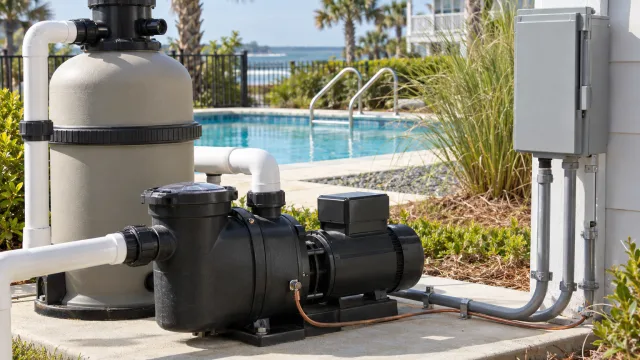
Exterior outlets, boxes, covers, and fixtures must keep electrical connections protected from weather. A cracked cover, loose seal, damaged cord, or moisture inside an enclosure can lead to intermittent outages or GFCI trips.
Breaker Trips When the Property Is Fully Occupied
Hair dryers, countertop appliances, televisions, chargers, laundry equipment, and other devices can place significant loads on circuits.
If the same breaker trips repeatedly during normal use, an electrician should determine whether the cause is overload, a damaged appliance, a short circuit, a ground fault, or a connection problem.
Loose, Worn, or Damaged Outlets
Frequent plugging and unplugging wears receptacles. A plug that falls out easily, an outlet that moves in the wall, or a device that makes crackling sounds needs attention.
Loose contacts can generate heat. Discoloration, melting, burning odor, or noticeable warmth means the outlet should be taken out of service.
Smart Devices and USB Receptacles That Stop Working
Vacation rentals may use smart locks, thermostats, doorbells, wireless equipment, and receptacles with built-in USB charging ports. When one fails, the problem may be the device itself, its power supply, a tripped circuit, a failed transformer, or a loose connection.
Flickering Lights After Appliances Start
A brief light change can occur when certain motors start, but repeated or strong dimming should not be ignored. Loose connections, excessive voltage drop, circuit loading, panel problems, or an incoming power issue may be involved.
Lights becoming unusually bright in one area while dimming in another deserve prompt evaluation.
Safe Checks Before Calling an Electrician
First, get a precise report from the guest. Ask what stopped working, what was operating at the time, whether water was present, and whether there was heat, odor, buzzing, or sparking.
Unplug portable appliances from the affected area. If the GFCI is completely dry, intact, and cool, press reset once. A tripped breaker can also be moved fully off and then back on once.
Check visible cords, plug ends, outlet covers, and power strips without opening electrical equipment. Remove damaged portable devices from use.
What the Homeowner or Manager Should Not Attempt
- Do not repeatedly reset a breaker or GFCI until it stays on. Do not install a larger breaker, bypass a GFCI, or connect a failed area to another circuit with an extension cord.
- Never remove the electrical panel cover or open a wet exterior box. Do not touch damaged electrical equipment while standing on a damp surface.
- Avoid taping damaged cords, forcing loose plugs into receptacles, or continuing to use an outlet that produces heat.
Signs That Make the Problem Urgent
Smoke, visible arcing, burning odor, melted plastic, shocks, crackling, and significant heat require immediate attention. Keep guests away from the affected area.
Repeated trips accompanied by a hot breaker or outlet should also be treated seriously. If several rooms lose power or lights become dramatically brighter and dimmer, there may be a loose neutral or another service-related problem.
How a Licensed Electrician Diagnoses the Failure
Diagnosis starts with the timeline. The electrician will want to know whether the failure occurs during heavy appliance use, after wet weather, or when one particular device is connected.
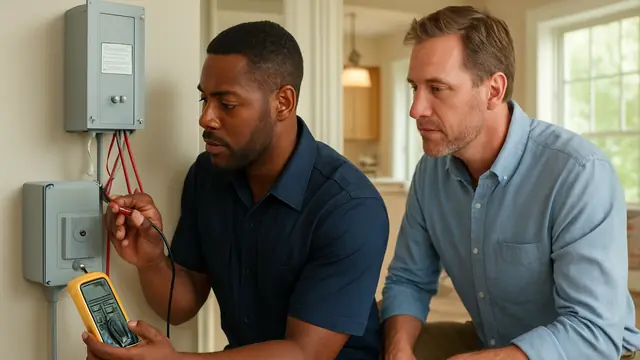
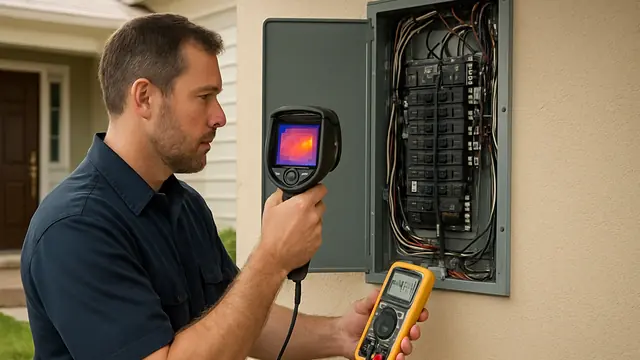
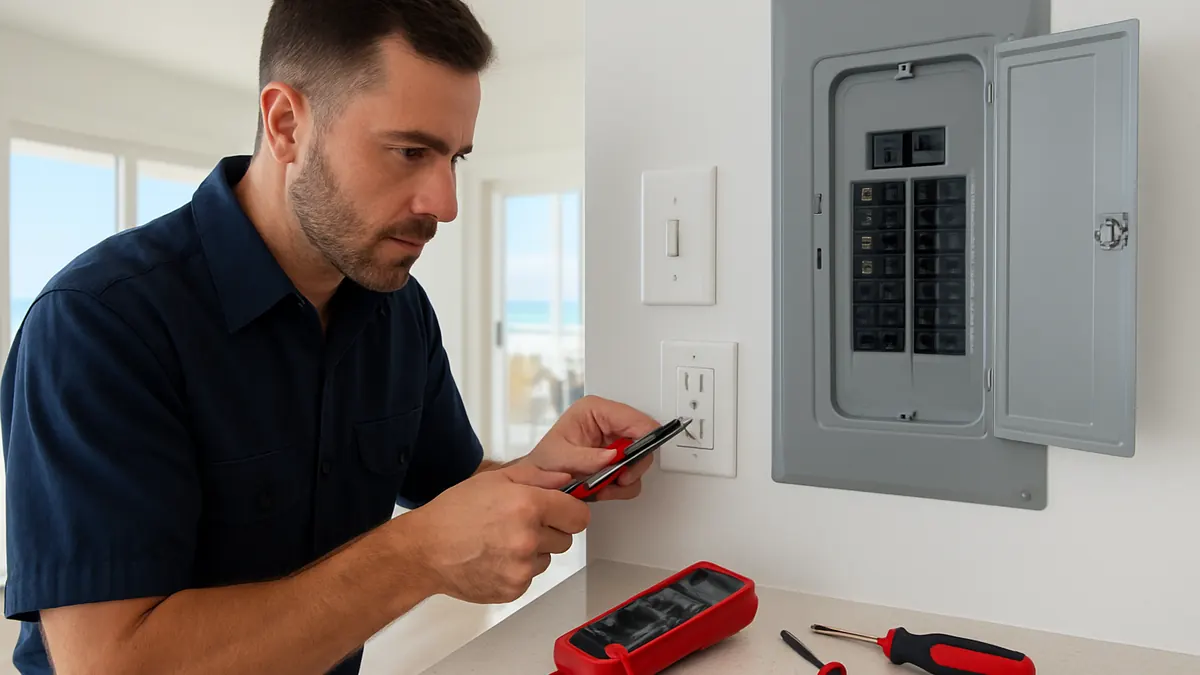
Testing can include voltage measurements, circuit-load measurements, GFCI and AFCI testing, grounding checks, and inspection of breakers and accessible connections.
For an exterior fault, the electrician may isolate power and inspect boxes, covers, receptacles, fixtures, seals, and wiring for water entry or damage. For an intermittent indoor trip, appliances can be disconnected individually and downstream devices tested.
Repair Options Beginning With the Least Invasive
A simple repair may involve removing a faulty portable appliance, replacing a damaged cord, installing a proper exterior cover, or replacing one worn receptacle, switch, GFCI, or control.
Loose serviceable connections can be corrected. A failed breaker may be replaced with the proper listed breaker once the circuit itself has been tested.
Weather-exposed equipment may need a new weather-resistant receptacle, enclosure component, gasket, cover, or fixture. If repeated trips are caused by circuit demand, appliance use may be redistributed or a dedicated circuit may be installed for equipment that needs one.
Damaged conductors can sometimes be repaired in a limited area. Panel replacement, service work, or broader rewiring is considered when testing identifies a more extensive condition, not simply because one outlet failed.
Factors That Affect Cost
Repair cost depends on diagnostic time, accessibility, whether the problem is intermittent, how many devices are affected, and whether weather-exposed equipment is involved.
Prevention and Maintenance Guidance
Include electrical items in every turnover checklist. Test GFCIs according to manufacturer instructions, confirm representative outlets and lights operate, inspect visible cords, and look at exterior covers for damage.
Ask cleaning and management teams to report outlets that are loose, hot, discolored, or difficult to use. Record which breakers have tripped rather than simply resetting them.
Replace damaged power strips and cords promptly. Do not allow extension cords to become permanent wiring. Keep panel labeling current, and have significant new electrical loads reviewed before guests regularly use them.
Address Electrical Complaints Before They Repeat
The most common electrical problems on vacation rentals in Panama City Beach include GFCI trips, weather-exposed outlet failures, overloaded circuits, worn receptacles, smart-device power failures, and flickering lights.
A repeated electrical complaint is valuable information. Document when it happens, remove questionable equipment from service, and avoid repeated resets. A licensed electrician can identify the least invasive safe repair and determine whether any broader work is actually needed.
About this guide: This resource provides general homeowner education, not a remote diagnosis. Actual conditions, code requirements, equipment, and safe repair options must be evaluated at the property.