Do not remove an electrical panel cover, touch exposed conductors, bypass protection, or repeatedly reset a fault. Keep clear of smoke, sparks, burning odors, hot equipment, standing water near electricity, and downed lines, then call qualified help.
You are getting ready in the bathroom and notice that the receptacle feels warm after a hair dryer has been running. Perhaps the warmth appears at a kitchen GFCI outlet, behind a television, or at a receptacle used for a portable appliance. The device still works, but the outlet cover is noticeably warmer than nearby surfaces.
Some electronic devices and GFCI receptacles can produce slight warmth, but a hot or persistently warm outlet may indicate a loose terminal, worn contact, overloaded circuit, damaged plug, or hidden wiring problem. Unplug the equipment and stop using the receptacle. If you notice burning odor, discoloration, buzzing, sparks, smoke, or repeated breaker trips, turn off the circuit when it is safe to do so and contact a licensed electrician.
What Causes an Electrical Outlet to Feel Warm in Upper Grand Lagoon?
These are the most common causes an electrician investigates.
A Hair Dryer or Appliance Is Drawing Heavy Current
Hair dryers, portable heaters, vacuum cleaners, irons, and countertop cooking appliances draw considerably more current than small electronics. The outlet may seem normal with a night-light but become warm when a heavy load operates.
The heavier current can reveal loose contacts or damaged wiring that smaller devices do not expose.
The Receptacle No Longer Grips the Plug Securely
A receptacle's metal contacts can weaken after repeated use. A plug that moves easily, hangs partially out, or works only in one position is not making reliable contact.
Poor contact creates resistance and may cause arcing, an electrical jump across a gap. Both conditions generate heat.
A Terminal or Splice Is Loose
Wires may connect to the receptacle and to other wires inside the electrical box. A loose screw, clamp, push-in connection, or wire connector creates a weak point.
The visible outlet may feel warm even when nothing is plugged into it because current is passing through the box to another device on the circuit.
The Circuit Has Too Many Simultaneous Loads
Several appliances may share one branch circuit. When high-wattage devices operate at the same time, the total demand can become excessive.
A Charger, Cord, or Plug Is Defective
Chargers and electronic power supplies often feel mildly warm during use. Excessive heat can result from internal failure, a damaged cord, bent blades, or a loose connection within the plug.
A GFCI Receptacle Is Producing Internal Heat
A GFCI monitors current and shuts off power when it detects certain leakage conditions. Its electronics may create slight warmth.
A GFCI should not be hot, discolored, noisy, smelly, or repeatedly tripping. Those symptoms require inspection rather than repeated resetting.
Safe Checks Before Calling for Service
- Unplug all equipment from the receptacle. Hold each plug by its body instead of pulling the cord.
- Allow it to cool. Without removing the cover, look for dark marks, cracks, softened plastic, warping, or loose plug fit.
- Inspect the plug and cord for darkened blades, melted material, cuts, crushing, or looseness.
- Note whether the warmth occurs with one device or several, and whether lights flicker, power is lost, or protection trips.
- You may look at the breaker handle from outside the panel. Do not remove the panel cover. If the breaker trips again after the equipment is unplugged, leave it off.
What You Should Not Do
Do not remove the receptacle or attempt to tighten its wiring while it is installed. Electrical boxes can contain multiple cables, shared neutrals, or conductors controlled by different breakers.
- Do not replace a tripping breaker with a larger one. Its rating must match the wiring.
- Do not continue pressing the reset button on a warm GFCI. Repeated resetting does not correct a ground fault, damaged device, moisture problem, or failing connection.
- Never spray water or cleaner into an outlet. Do not tape a loose plug in place, bend the blades, use the other socket, or hide the problem with furniture.
- Avoid running a permanent extension cord to another room. An extension cord does not increase circuit capacity and can introduce additional hot connections.
Warning Signs That Require Immediate Attention
Turn off the circuit and arrange urgent electrical service if the outlet is too hot to touch comfortably, gives off a burning smell, produces sparks, crackles, smokes, or shows melted or blackened material.
Do not pull out a plug fused to the receptacle. Wall heat, repeated trips, or widespread flickering also require urgent attention.
If active smoke or fire is present, evacuate and call emergency services. Do not use water on an electrical fire or approach the electrical panel through smoke.
How a Licensed Electrician Diagnoses the Outlet
- The electrician asks which devices were connected, how long they operated, and whether other circuits or receptacles were affected.
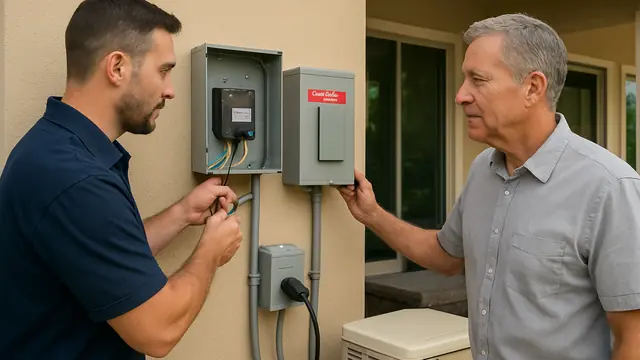
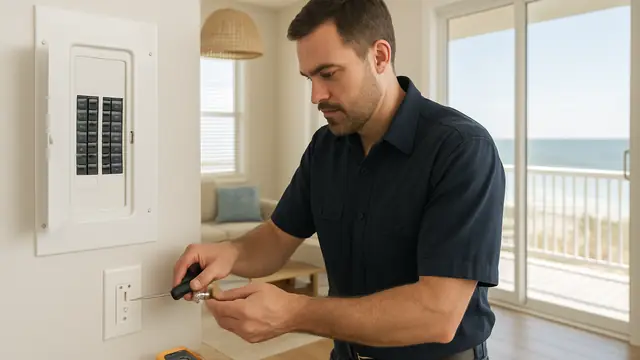
- The electrician de-energizes the circuit, verifies it is off, and inspects the receptacle, terminals, conductors, connectors, insulation, grounding, and box.
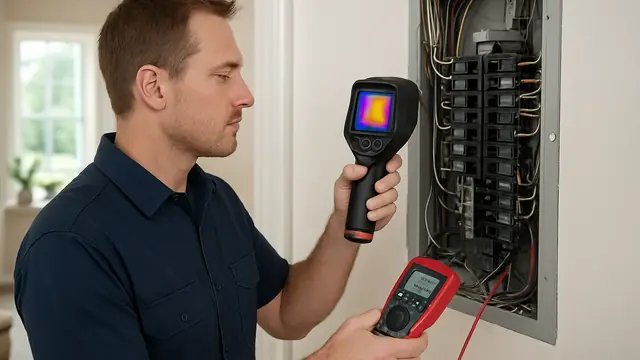
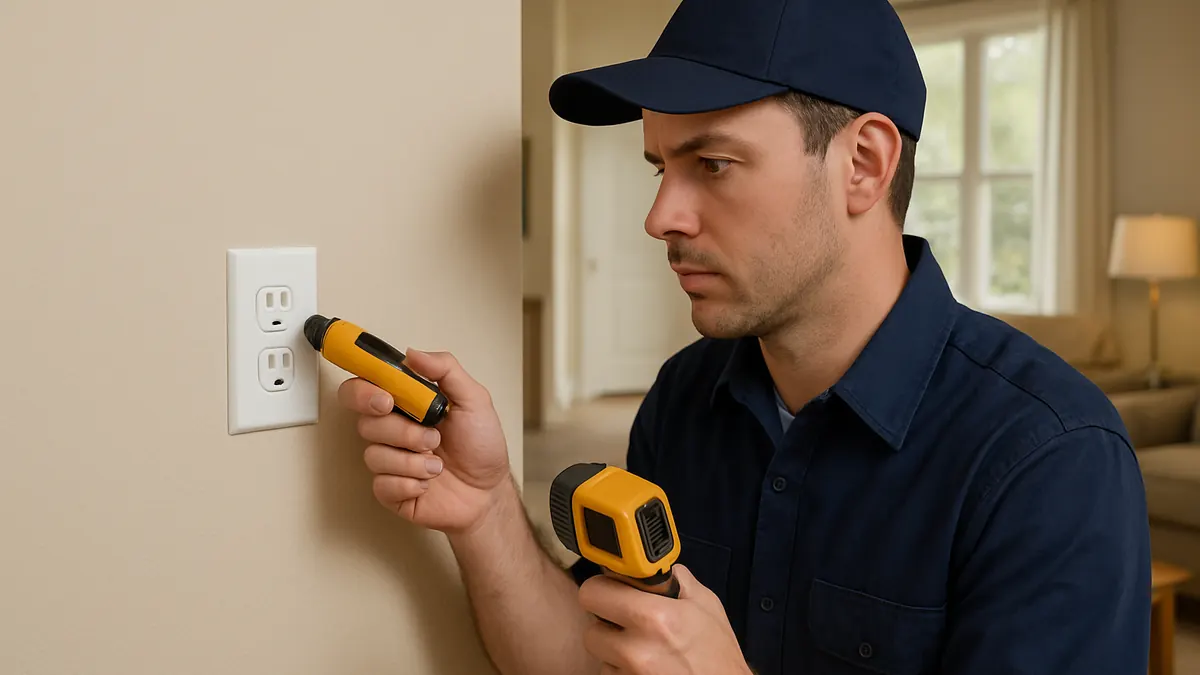
- Testing may include voltage, polarity, grounding, GFCI operation, circuit tracing, current draw, and voltage drop. Nearby devices and the connected equipment may also be checked.
Repair Options From the Least Invasive Solution Upward
If the outlet is sound and a defective appliance, charger, plug, or cord produced the heat, taking that equipment out of service may be all that is needed for the circuit.
A worn or damaged receptacle can be replaced when the box and conductors remain safe. The electrician can remake loose terminal connections and verify correct polarity and grounding.
A failed connector can often be replaced inside the box. Damaged conductor ends may sometimes be trimmed and reterminated when enough sound wire remains.
When insulation damage extends beyond the box, the affected cable section may require replacement. If the circuit is regularly used for high-demand equipment, a dedicated circuit may reduce loading and provide a more appropriate connection.
More extensive repairs can involve a defective breaker, loose neutral, panel termination, or circuit reconfiguration. Complete rewiring should be supported by broader defects.
Typical Factors That Affect Cost
Cost depends on the source, damage, accessibility, number of affected devices, panel capacity, and whether concealed cable or a dedicated circuit is involved. Diagnosis should come before the repair recommendation.
Prevention and Maintenance Guidance
Replace receptacles that no longer grip plugs firmly. Remove damaged chargers, power strips, extension cords, and appliances from service.
Avoid operating multiple high-wattage devices on the same circuit. Plug portable heaters and other heavy loads directly into an appropriate wall outlet rather than using lightweight cords or multi-plug adapters.
Keep plugs from being pushed sideways. Test GFCIs as instructed and seek service when one will not reset or trips repeatedly.
Have recurring flickering, buzzing, hot odors, loose plugs, and breaker trips investigated. These warnings often appear before substantial heat damage develops.
Arrange Diagnosis Before the Outlet Is Used Again
What causes an electrical outlet to feel warm in Upper Grand Lagoon may be a high-demand appliance, worn receptacle, loose wire, failing GFCI, damaged cord, or overloaded circuit. Unplug the equipment and have the condition diagnosed before heat damages the outlet, plug, wiring, or nearby materials.
About this guide: This resource provides general homeowner education, not a remote diagnosis. Actual conditions, code requirements, equipment, and safe repair options must be evaluated at the property.