Do not remove an electrical panel cover, touch exposed conductors, bypass protection, or repeatedly reset a fault. Keep clear of smoke, sparks, burning odors, hot equipment, standing water near electricity, and downed lines, then call qualified help.
You notice that a bathroom outlet is dead, a kitchen appliance will not start, or an exterior receptacle has lost power after equipment was used. You press RESET, but the GFCI button refuses to stay in. It may not click at all, or it may latch for a moment and trip again. In a WaterColor home, the same protective device may serve several receptacles, so a fault in one location can interrupt power somewhere else.
Unplug all equipment from the affected outlet and any other receptacles that went dead at the same time. Make sure the area is dry and try RESET once. If it will not hold, stop using the circuit. Do not force the button, repeatedly reset the breaker, or assume the outlet itself is the only problem.
A GFCI That Will Not Reset Is Giving You Information
A ground-fault circuit interrupter watches for a difference between the electrical current leaving on the hot conductor and the current returning on the neutral conductor. When electricity escapes through water, damaged insulation, metal, or another unintended path, the device shuts off power quickly.
Why Won't My GFCI Outlet Reset in WaterColor?
The Circuit Has Lost Incoming Power
Most receptacle-style GFCIs must receive power on their LINE terminals before they can reset. A tripped breaker, loose splice, damaged conductor, or open upstream GFCI can interrupt that supply.
A tripped breaker may sit close to the ON position. Move the suspected breaker fully to OFF and then back to ON one time. If it trips again, leave it off and schedule an inspection.
A Different GFCI Is Upstream
One GFCI can protect several outlets through its LOAD terminals. Those outlets may be in another bathroom, the garage, kitchen, laundry area, or an exterior location.
An Appliance, Cord, or Transformer Is Faulty
Hair dryers, countertop appliances, refrigerators, washing machines, beverage coolers, power tools, chargers, pressure washers, extension cords, and outdoor lighting transformers can develop leakage current.
Moisture Has Reached the Protected Circuit
Rain, condensation, cleaning water, plumbing leaks, damaged covers, and wet plug connections can create a ground-fault path.
The GFCI you are pressing may remain completely dry while an ordinary downstream receptacle contains moisture or corrosion. Water can also leave conductive residue behind after the surface appears dry.
The GFCI Has Failed Its Self-Test
GFCI receptacles contain electronic parts, contacts, and a mechanical trip mechanism. Heat, age, corrosion, repeated trips, surges, and loose terminals can damage these components.
The Wiring Is Incorrect or Damaged
Loose neutral conductors, improper splices, damaged cable insulation, crossed neutrals, and reversed LINE and LOAD connections can interfere with resetting.
Safe Checks the Homeowner Can Perform
Unplug every device from the affected GFCI and all outlets that stopped working with it. Include power strips, chargers, extension cords, and equipment that is switched off but still plugged in.
- Search for other GFCI outlets in bathrooms, the kitchen, garage, laundry area, and outside. Reset only devices that are dry, cool, firmly mounted, and free of visible damage.
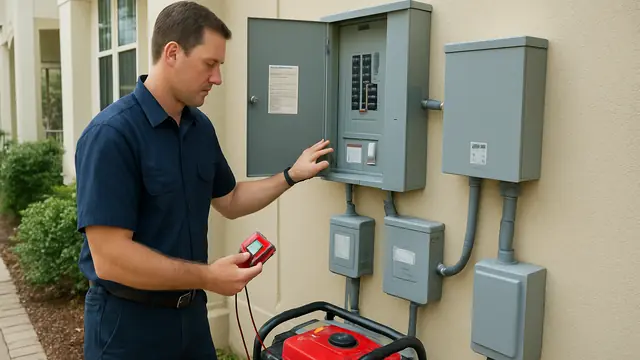
- Check the electrical panel once. Move the suspected breaker fully off and then on. Do not touch the panel if it is damp, hot, buzzing, crackling, or visibly damaged.
- Look at the outlet face and cover plate without removing them. Cracks, rust, looseness, dark marks, melted plastic, water, or an unusually loose plug are reasons to stop.
What You Should Not Attempt
- Do not hold the RESET button, tape it in, wedge it in place, or repeatedly press it. The safety mechanism should never be defeated.
- Do not replace a GFCI with an ordinary receptacle just to prevent future trips. That can remove shock protection from both the visible outlet and protected downstream receptacles.
- Do not pull the device from the box while the circuit may be energized. Breaker labels can be wrong, and multiple cables may enter the same box.
Signs That Require Prompt Electrical Service
Turn the breaker off when it is safe and call an electrician promptly if the receptacle is warm, buzzing, crackling, smoking, melted, discolored, or producing a burning smell.
Visible water near an outlet, appliance, electrical box, or panel requires immediate caution. Keep people away and never touch electrical equipment while standing on a wet surface.
A shock or tingling sensation from an appliance, faucet, metal cover, or fixture is urgent. Repeated trips of both the GFCI and circuit breaker can indicate a short circuit, damaged conductor, or failing equipment.
How a Licensed Electrician Diagnoses the Fault
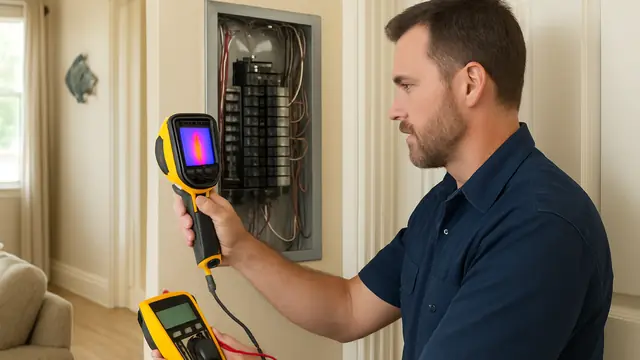
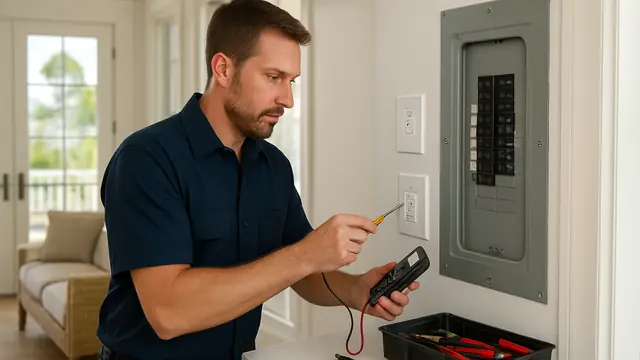
The electrician checks whether the breaker supplies proper voltage and whether incoming power reaches the GFCI's LINE terminals. Neutral and grounding conductors are inspected for looseness, damage, or improper sharing.
The device is tested to determine whether its internal trip, reset, and self-test functions work correctly. If the GFCI receives proper power but fails testing, replacement may be appropriate.
To check downstream wiring, the electrician may disconnect the LOAD conductors. If the GFCI resets after that separation, the protected circuit can be traced in smaller sections until the fault is located.
Repair Options From the Simplest to the Most Involved
The least invasive solution may be removing a faulty appliance, replacing a damaged cord, resetting an upstream GFCI, or correcting one loose approved connection.
If the GFCI itself has failed, it can usually be replaced in the existing box. Correct LINE and LOAD placement should be verified, and all downstream outlets should be tested for proper protection.
Moisture-related repairs may involve replacing a cracked cover, gasket, weather-resistant receptacle, or corroded component. A localized splice or damaged cable section may be repaired without extensive wall removal.
Factors That Affect the Cost of Repair
Cost depends on what failed, how accessible the wiring is, and how much time is required to locate the fault. Replacing one accessible GFCI is different from tracing an intermittent problem through several outlets.
Other factors include the number of downstream devices, moisture damage, corrosion, panel condition, appliance testing, mislabeled breakers, attic or crawlspace access, and work behind finished surfaces.
Prevention and Maintenance Guidance
Test every GFCI monthly. Press TEST and confirm that power turns off, then press RESET. A device that does not complete both actions properly should be inspected.
Keep exterior covers closed and replace cracked covers or worn seals. Use cords and equipment rated for the location, and keep plug connections away from water.
Do Not Restore Power Until the Protection Is Reliable
When you are asking, "Why won't my GFCI outlet reset in WaterColor?" remember that the device may be preventing an active fault from being energized. Unplug equipment, check the breaker once, and perform only dry, visible checks. If the RESET button will not hold, a licensed electrician can determine whether the cause is lost power, moisture, faulty equipment, damaged wiring, or internal GFCI failure and begin with the least invasive safe repair.
About this guide: This resource provides general homeowner education, not a remote diagnosis. Actual conditions, code requirements, equipment, and safe repair options must be evaluated at the property.