Stop and call for qualified help when plumbing water is near electrical equipment, sewage is entering occupied space, gas or burning odors are present, or a repair would require opening pressurized piping.
1. Start by separating a nuisance odor from an urgent hazard
A sewer-like smell in a Crestview home deserves attention, but the odor alone cannot identify the problem. Possible sources include a dry drain trap, organic buildup, a failed toilet seal, or an opening in the drain and vent system. Note where the smell is strongest and whether it follows fixture use, an extended vacancy, or a change in weather. Those details help a plumber narrow the search without assuming a major sewer repair is necessary.
Do not investigate a strong, sudden odor that could be fuel gas, or remain inside if anyone develops dizziness, nausea, breathing difficulty, or eye irritation. Leave the building and contact the gas utility or emergency services from a safe location. Avoid operating switches, fans, appliances, or flames when a fuel-gas leak is possible. Never enter a septic tank, sewer access structure, or confined space to locate an odor. Smell intensity is not a reliable measure of safety.
2. Understand how traps and vents keep odors outside
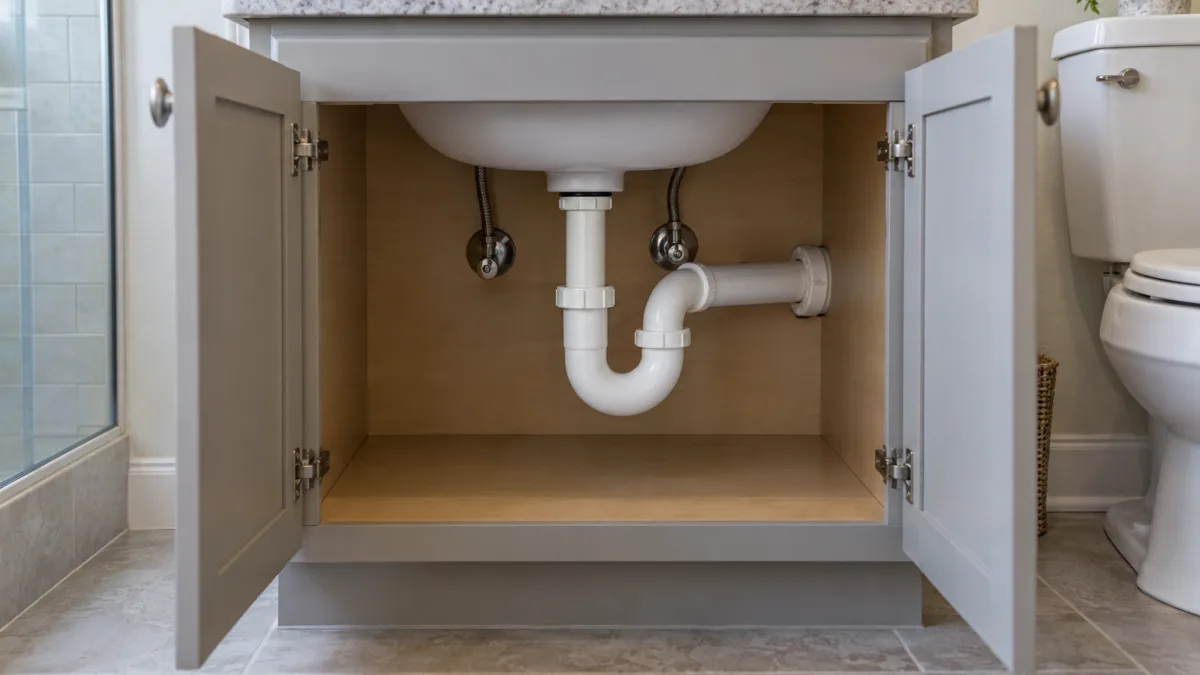
Most plumbing fixtures rely on a water-filled trap to separate indoor air from the drainage system. The curved pipe below a sink is a familiar example, while a toilet has its trap built into the fixture. Shower and floor-drain traps are generally concealed. When enough water remains in the trap, it blocks the normal pathway for sewer gases. If that water evaporates, leaks away, or gets siphoned out, odors can enter even when the drain still carries water.
The vent system helps regulate air pressure as wastewater moves through pipes. A blocked, damaged, or improperly arranged vent can contribute to gurgling and unstable trap water levels. Some installations also use air admittance valves where permitted and appropriate. These components are not interchangeable fixes for every vent problem. A licensed plumber evaluates the fixture connections and vent arrangement together, because adding water to a trap will not correct an underlying pressure or installation defect.
3. Check little-used fixtures before assuming a pipe failure
A guest shower, utility sink, or floor drain that sees little use can lose its water seal through evaporation. Warm conditions can make this more likely in spaces left unused for long periods. In Northwest Florida homes with seasonal occupancy, the important factor is often how long a fixture sits idle, not the age of the plumbing. Consider drains in laundry areas, spare bathrooms, and other spaces that may be overlooked during routine cleaning.
If the odor is mild, there is no suspected gas emergency, and the fixture drains normally, run water briefly through an unused sink or shower. A normal flush can replenish an unused toilet. For an identifiable floor drain, add a modest amount of clean water only if there is no standing sewage or backup. If the smell returns quickly, or water drains poorly, stop treating evaporation as the answer. A leaking trap, vent issue, or another source needs investigation.
4. Distinguish drain buildup from sewer gas
Soap residue, hair, toothpaste, and other organic material can collect around a drain opening, stopper, or sink overflow passage. This buildup can smell unpleasant even when the trap and vent system work correctly. An odor concentrated at one sink, especially when water first starts flowing, may come from these wet surfaces rather than a sewer defect. The distinction matters because deodorizing the room will not remove the material, and replacing a pipe may not address it either.
Clean accessible strainers, stoppers, and surrounding surfaces according to the fixture manufacturer's directions. Wear gloves and avoid pushing debris farther into the drain. Do not mix cleaning products, pour bleach into a drain containing another chemical, or use caustic drain opener as an odor test. If buildup lies beyond accessible parts, a plumber can determine whether drain cleaning is appropriate. Persistent odor after surface cleaning calls for a closer look rather than repeated doses of chemicals.
5. Consider the toilet seal when the smell stays near the base
The connection between a toilet and its drain includes a seal that prevents wastewater and sewer gases from escaping. That seal can fail because of movement, an unsuitable installation, or a damaged flange. A toilet may still flush normally, and there may be no visible water on the floor. Clues include an odor strongest near the base, movement during ordinary use, moisture, or staining around the fixture. None of these signs alone proves which component has failed.
Avoid rocking the toilet to test it or tightening the mounting nuts aggressively, which can crack porcelain or worsen a damaged connection. Caulking around the base is not a repair for a failed drain seal. Have a plumber inspect the mounting, flange condition, seal, and nearby flooring. If the toilet moves, leaks, or is associated with soft flooring, take it out of service until evaluated. Proper repair addresses the cause of movement rather than simply replacing the seal.
6. Use gurgling and timing as clues to vent problems
An odor that appears when another fixture drains can point toward pressure changes in the plumbing system. For example, a nearby sink may gurgle during a toilet flush, or a shower trap may lose part of its water seal after a washing machine discharges. These observations help identify interactions among fixtures, but they do not distinguish a vent restriction from a drainage restriction by themselves. Report the sequence of events instead of assuming that a particular pipe is blocked.
Do not climb onto the roof, push a hose into a vent opening, or remove concealed vent components to troubleshoot. A plumber can inspect accessible piping, evaluate vent terminations safely, and determine whether an air admittance valve is present and functioning where applicable. Depending on the symptoms, the plumber may also assess drainage flow. Correct diagnosis matters because clearing a drain will not repair a separated vent connection, and replacing a vent valve will not remove a downstream obstruction.
7. Separate drain odors from odors in the water
Running a faucet can make a drain odor more noticeable, which sometimes leads homeowners to blame the water supply. If conditions are otherwise safe, collect water in a clean glass and move away from the sink before checking whether the odor follows the sample. Compare hot and cold water and note whether more than one fixture is affected. Do not taste water to investigate an unusual smell. This simple observation helps direct the next step, but it does not establish water safety.
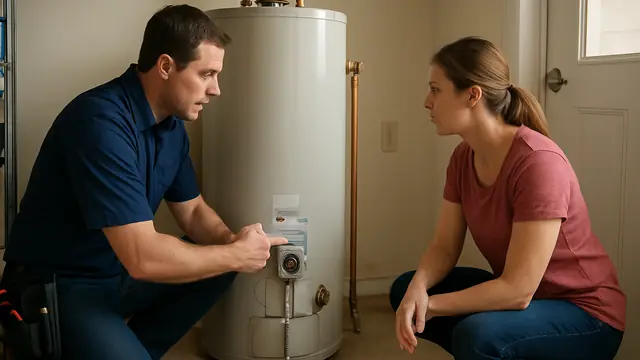
An odor limited to hot water may call for evaluation of the water heater and related water conditions. An odor in both hot and cold water at several fixtures may warrant contact with the water provider or a qualified water-testing professional, depending on the supply source. If the sample has no noticeable odor away from the sink, the drain area becomes a stronger suspect. Follow utility advisories during service interruptions, and never use smell alone to decide whether water is safe.
8. Account for rain, outdoor sources, and the wastewater system
Crestview properties may use public sewer service or an onsite septic system, so confirm which system serves the building before arranging service. An outdoor odor near a septic component requires a different evaluation from an odor under a bathroom sink. Heavy Northwest Florida rain can saturate soil and affect septic performance on some properties. An odor that follows rain is useful information, but it does not prove that rain caused a pipe failure or that the entire system needs replacement.
Observe outdoor conditions from a safe distance. Keep people and pets away from sewage, unusually wet areas near wastewater components, and damaged or unsecured covers. Do not open a septic tank or sewer cleanout to release an odor. For suspected septic trouble, contact a qualified septic service provider; for a possible public-system issue, contact the wastewater utility. Wind can also carry odors from plumbing vent outlets toward windows or air intakes, which a plumber may need to assess.
9. Know what a professional odor investigation should include
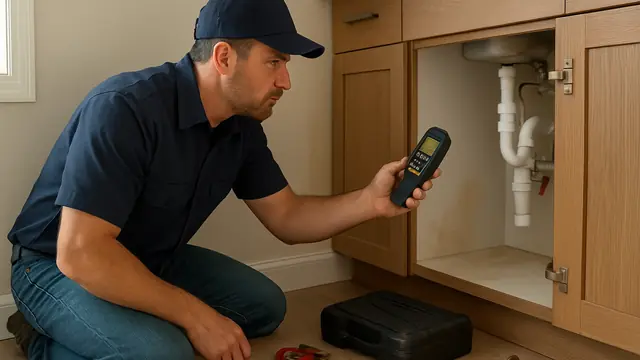
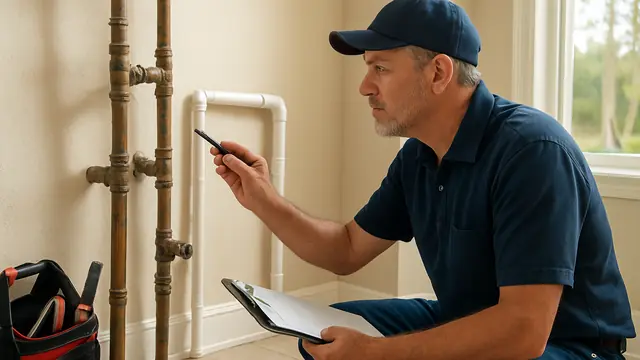
A useful investigation starts with the odor history and a fixture-by-fixture inspection. The plumber may check trap water levels, accessible drain joints, toilet stability, vent components, and unused or abandoned connections. Recent remodeling is important to mention because a disconnected drain or unfinished connection can leave an odor pathway. Share when the smell occurs, which rooms are affected, what fixtures were operating, and whether adding water or cleaning an accessible drain changed the symptoms.
When the source remains hidden, a plumber may recommend a controlled plumbing smoke test or another targeted test. Smoke testing can help reveal openings in the drain and vent system, but it requires preparation, appropriate equipment, and occupant coordination. Ask what the test can establish, which areas need access, and whether follow-up work may be needed. Before approving repairs, request an explanation of the evidence, the proposed correction, and how the plumber will verify that the identified defect has been resolved.
10. Build odor prevention into routine property care
Use every plumbing fixture periodically and include little-used drains in property checks. There is no universal refill schedule for every trap because temperature, airflow, and fixture use differ. Start by checking unused fixtures regularly, then adjust based on observed conditions. Where repeated evaporation affects a floor drain, ask a plumber whether a suitable trap primer or other approved trap-seal protection is appropriate. Do not add automotive antifreeze, fragrances, or other improvised chemicals to maintain a water seal.
For a vacant home or managed property, keep a short plumbing log that records fixture checks, odor complaints, and completed repairs. Ask occupants to report gurgling, toilet movement, and returning odors promptly rather than masking them with air freshener. After a repair, observe the fixture under the conditions that previously produced the smell. A recurring odor deserves follow-up, especially when it appears soon after a trap refill or returns despite cleaning, because the original pathway may still be open.
About this guide: This resource provides general homeowner education, not a remote diagnosis. Actual conditions, code requirements, equipment, and safe repair options must be evaluated at the property.