Stop and call for qualified help when plumbing water is near electrical equipment, sewage is entering occupied space, gas or burning odors are present, or a repair would require opening pressurized piping.
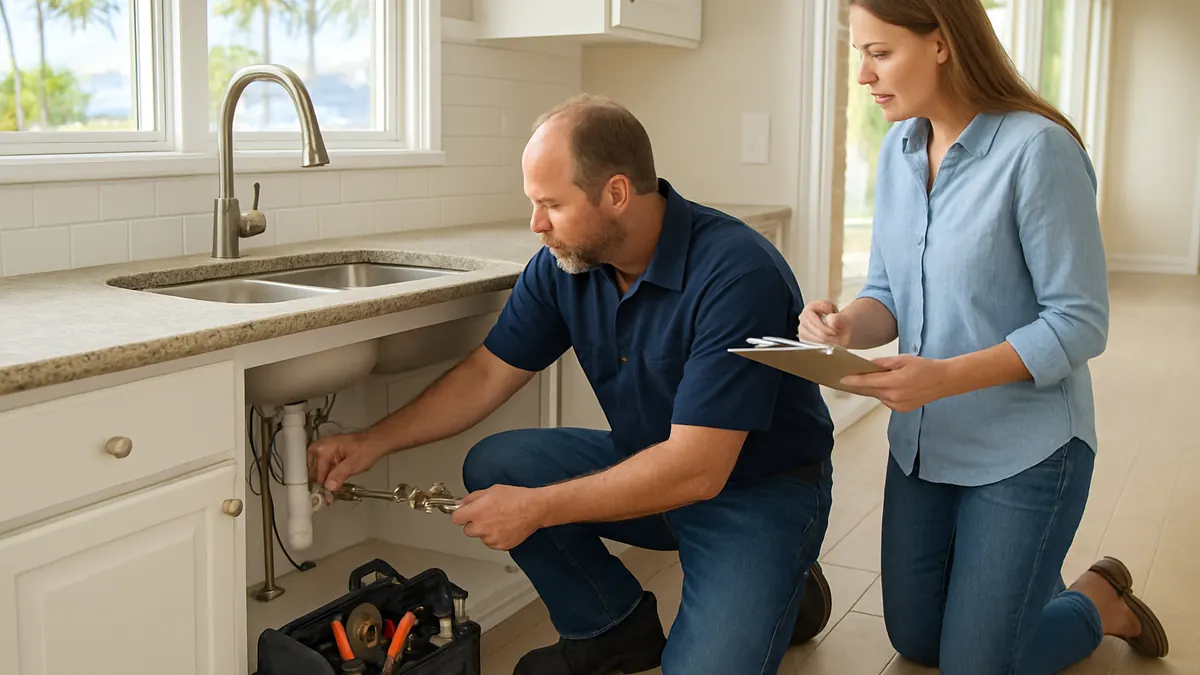
You are considering a Crestview home that looks well maintained, but the far bathroom has weaker flow than the kitchen, one toilet shifts slightly, and a ceiling patch appears below the upstairs plumbing. The seller may have reasonable explanations, yet those clues need verification before you take ownership. The safe immediate action is to avoid tightening fittings, forcing shutoff valves, or opening equipment covers. Photograph the conditions, note which fixtures are affected, and request a licensed plumbing inspection while you still have time to review the findings.
A plumbing inspection checklist before buying a Northwest Florida home in Crestview helps a buyer move beyond appearances. Fresh paint and updated fixtures can improve a room without revealing the condition of supply lines, drains, valves, or concealed connections. A focused inspection identifies visible defects, tests normal operation, and shows where more investigation may be justified.
Plumbing Inspection Checklist Before Buying a Northwest Florida Home in Crestview: Start Outside
Begin at the water-service entry and exterior hose connections that are safely accessible. The plumber looks for leakage, damaged piping, loose hose bibbs, unprotected connections, and signs of previous excavation or repair.
The main shutoff should be identifiable and reachable. A valve that is buried, corroded, damaged, or difficult to access can create problems during an emergency. The buyer should not test an unfamiliar main valve personally; an older valve can begin leaking or fail when operated.
Confirm Water Pressure and Flow
The plumber tests how water moves through the home, not merely whether each faucet turns on. Hot and cold flow should be compared at kitchens, bathrooms, laundry connections, and exterior fixtures.
Weak flow at one fixture may be caused by a clogged aerator, worn cartridge, or local obstruction. Weak flow in several areas may indicate a regulator issue, partially closed valve, restricted service line, or buildup within the piping system.
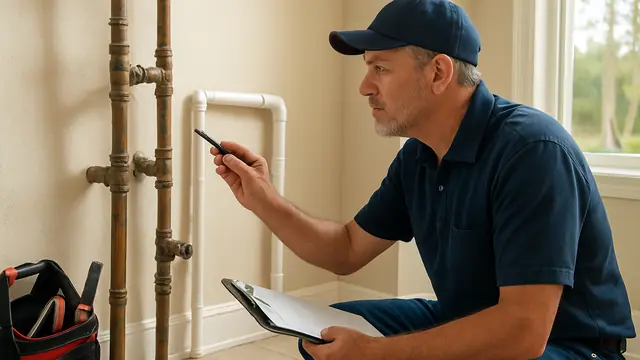
Inspect Visible Supply Piping and Shutoff Valves
The plumber looks for active dripping, corrosion, mineral deposits, unsupported pipe, incompatible connections, temporary patches, and evidence of repeated repair. One professionally completed repair is not automatically a concern. Several repairs concentrated in the same area may suggest an underlying condition that deserves broader evaluation.
Test Toilets and Bathroom Fixtures
Each toilet should flush completely, refill, stop running, and remain stable. A loose toilet can damage the seal beneath it and may allow wastewater or sewer gas to escape. Staining at the base must be traced to its source because it may come from the toilet seal, supply connector, condensation, or nearby water.
At tubs and showers, the plumber checks drainage, faucet operation, visible trim, and surrounding surfaces. Water stains below a bathroom may come from a drain connection, supply line, overflow, shower enclosure, or another source. Diagnosis should not rely on the stain's location alone.
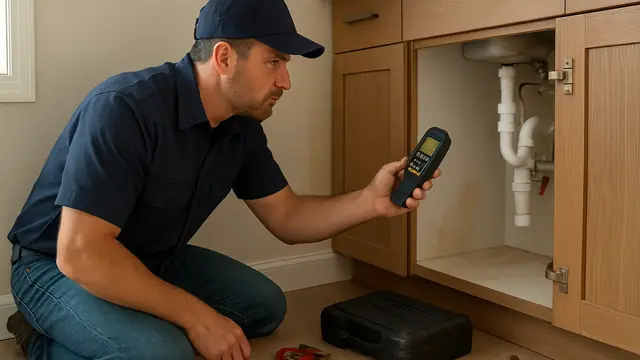
Sinks should be checked above and below. The drain assembly, trap, faucet connections, shutoff valves, and cabinet floor can reveal small leaks that are easy to miss during a brief tour.
Evaluate Kitchen and Laundry Connections
The kitchen includes several potential leak points: the faucet, sink drain, dishwasher connection, refrigerator supply line, disposal where present, and shutoff valves. Cabinet swelling, corrosion, staining, or an odor can indicate current or previous leakage.
Laundry connections deserve careful attention because supply hoses carry pressurized water. The plumber checks accessible valves, hoses, drains, and signs of overflow or previous moisture.
Check the Water Heater
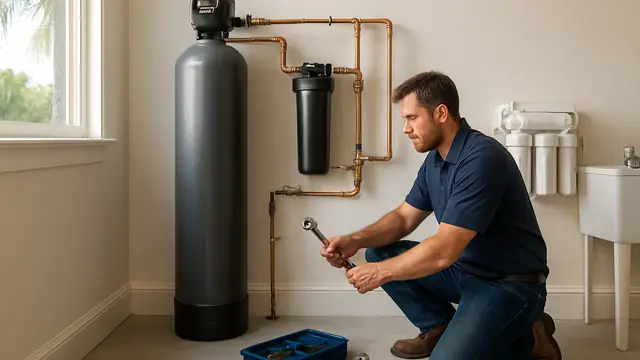
The water heater should be inspected for leakage, corrosion, damaged connections, proper shutoff access, visible safety components, and installation condition.
A temperature-and-pressure relief valve protects the tank if temperature or pressure becomes unsafe. The buyer should not operate this valve. A plumber can evaluate its visible condition and discharge piping without risking an unnecessary leak.
Water in the drain pan, moisture around the base, rust streaks, scorched wiring, damaged venting, or inconsistent hot water should be investigated. The plumber can explain whether the unit appears serviceable, needs a specific correction, or warrants replacement planning.
Test the Drainage System
A single slow sink may have a nearby blockage. Multiple slow drains, gurgling, recurring toilet problems, sewer odor, or water appearing in a tub when another fixture drains can indicate a larger restriction.
When the symptoms or history justify it, a sewer camera inspection may be recommended. A camera can reveal buildup, obstructions, offsets, standing water, cracks, or damaged sections in accessible portions of the line. The plumber should explain what the image confirms and what remains uncertain.
Look for Concealed-Leak Evidence
Check ceilings beneath bathrooms, walls behind fixtures, flooring around toilets and tubs, and cabinets below sinks. Warning signs include discoloration, peeling paint, warped trim, soft materials, loose flooring, and musty odors.
Safe Checks the Buyer Can Perform
Operate faucets normally and compare flow from room to room. Flush toilets once and wait for the refill cycle to end. Watch how quickly sinks, tubs, and showers drain. Look under cabinets with a flashlight, but do not move or disconnect plumbing.
What the Buyer Should Not Attempt
Do not force valves, remove cleanout caps, open electrical panels, test the water-heater relief valve, disassemble traps, or use chemical drain cleaner.
Urgent Plumbing Warning Signs
Prompt professional attention is appropriate for active leaks, wastewater backup, strong sewer odor, water near electrical components, wet ceilings, unstable toilets, or moisture around the water heater.
How a Licensed Plumber Diagnoses Findings
A plumber combines visual inspection with fixture operation, pressure and flow evaluation, moisture testing, drain testing, and specialized equipment when needed.
The process should isolate the cause. Low flow at one sink may need a small fixture repair; low flow throughout the property may require service-line or piping evaluation. A stain below a bathroom may be tested by operating fixtures separately to identify which component contributes to moisture.
Repair Options in a Practical Order
The least invasive reasonable repair may be a faucet cartridge, toilet component, supply connector, drain seal, shutoff valve, aerator, or trap replacement.
If the problem is larger, options may include drain clearing, localized pipe repair, fixture replacement, water-heater correction, or installation of a cleanout for future access.
More extensive work can include water-heater replacement, sewer repair, partial repiping, or whole-home repiping. Those choices should follow documented evidence, not assumptions based on one symptom.
Factors That Influence Cost
Cost depends on access, pipe material, location, labor, testing, equipment, permits, and restoration after plumbing work.
An exposed leak under a sink is generally simpler than a concealed leak beneath flooring or behind a finished wall. Drain repairs vary with the type and location of the restriction. Water-heater work varies with equipment, capacity, energy source, and installation corrections.
Prevention After Closing
Locate and label the main shutoff and fixture valves. Repair drips promptly, replace worn appliance hoses, keep unsuitable materials out of drains, and follow the manufacturer's maintenance guidance for the water heater.
Finish the Purchase With Better Information
A plumbing inspection checklist before buying a Northwest Florida home in Crestview helps you understand whether the property needs a minor adjustment, targeted repair, further testing, or larger planning. Reliable findings allow you to make decisions before closing rather than discovering avoidable surprises afterward.
About this guide: This resource provides general homeowner education, not a remote diagnosis. Actual conditions, code requirements, equipment, and safe repair options must be evaluated at the property.