Stop and call for qualified help when plumbing water is near electrical equipment, sewage is entering occupied space, gas or burning odors are present, or a repair would require opening pressurized piping.
The storm has moved inland, the power flickers, and suddenly the water pressure at your Crestview home is weaker than normal. Perhaps the toilet will not refill, a well pump has stopped, or a branch has damaged an outdoor faucet.
First, determine whether the problem is limited to your house or part of a wider service interruption. If water is spraying from a visible pipe and the main shutoff is safely accessible, close it. Never approach downed power lines, flooded electrical equipment, or a damaged pump system.
This Northwest Florida hurricane plumbing checklist in Crestview helps homeowners prepare municipal-water, private-well, and drain systems without assuming that every property is configured the same way.
Identify How Your Home Receives and Removes Water
Before a storm, confirm whether the property uses municipal water or a private well. Then determine whether wastewater leaves through a public sewer connection or an onsite septic system.
A municipal water customer may retain service during an outage, but pressure or water-use instructions can change. A private well normally depends on electrical power to operate the pump unless an approved backup system is available.
Many gravity drains continue moving wastewater without household electricity. However, sewage ejectors, grinder pumps, lift equipment, and some septic components require power.
Complete the Essential Pre-Storm Plumbing Checklist
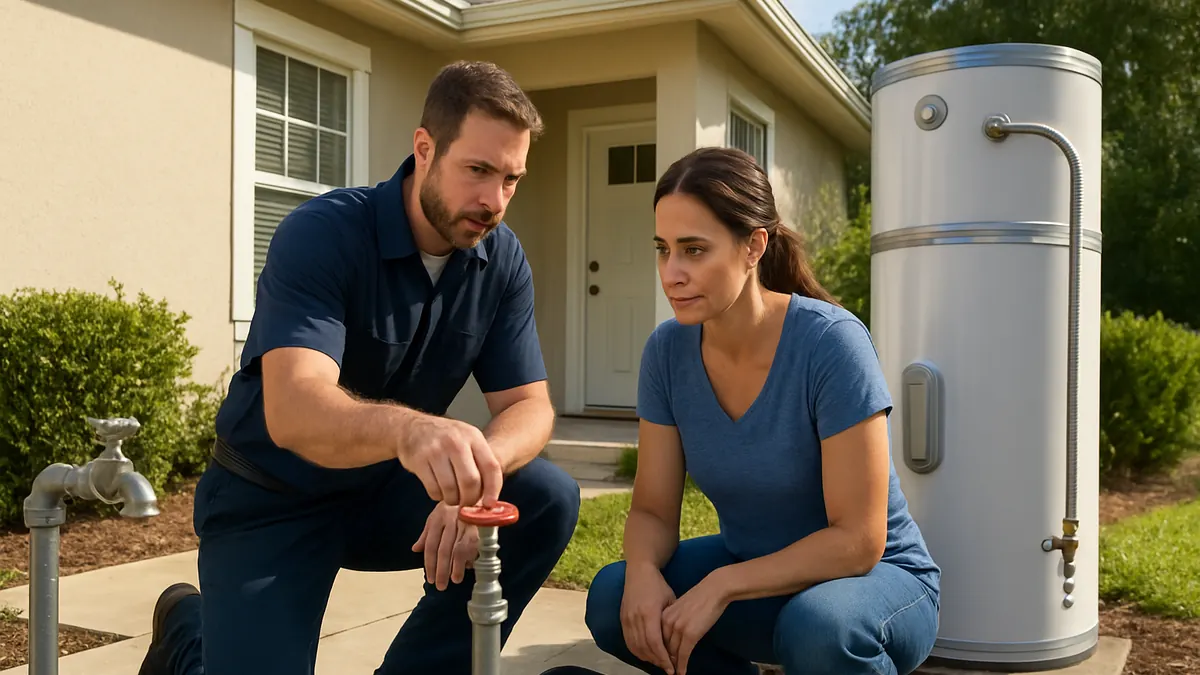
Locate and Inspect the Main Shutoff
Make sure the valve is visible and reachable. Turn it only with normal hand pressure. If it is stuck, corroded, buried, or leaking, arrange professional service rather than forcing it.
Look for Existing Leaks
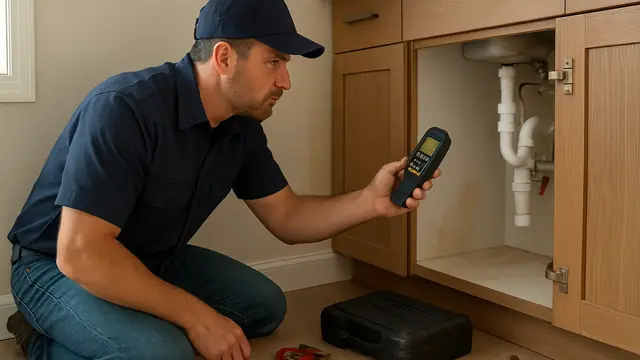
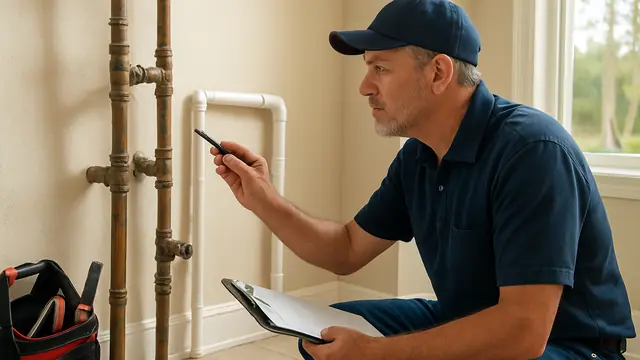
Inspect exposed piping, appliance hoses, toilet connections, sink cabinets, and the water-heater area.
Check Drainage Throughout the Home
Run water briefly in each fixture. Watch for gurgling, slow drainage, or water rising in a nearby tub or shower. Multiple affected fixtures can indicate a main-line restriction that should be evaluated before heavy rain.
Prepare for Loss of Pump Power
Well users should know what equipment will stop when electricity fails. Store emergency water according to public safety guidance. Do not connect a portable generator directly to household wiring or well equipment unless a properly installed transfer method and qualified electrical guidance are in place.
Safe Checks During a Water-Pressure Problem
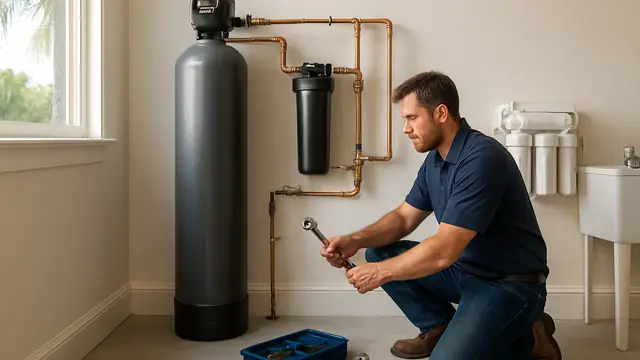
- Open one cold-water faucet briefly. If no fixtures have normal flow, the issue may involve the main supply, utility service, well pump, pressure tank, filter, or a closed valve.
- Check for an official outage or boil-water notice. If the home uses a well, confirm whether the property has power, but do not remove covers or touch wet electrical controls.
- Look around the well equipment, water heater, and visible supply piping for spraying or pooling water. Maintain a safe distance from electricity.
- For drains, stop using water if a toilet bubbles, a shower fills, or wastewater appears at a floor drain.
What Not to Do During Hurricane Preparation
- Do not pour drain chemicals into a system that is slow or backing up. They cannot repair a collapsed pipe, remove every root obstruction, or restore a failed pump.
- Do not enter a flooded crawlspace, utility room, or yard area to reach plumbing. Floodwater may conceal electrical hazards, sharp debris, unstable ground, or contamination.
- Do not repeatedly reset a well-pump breaker. A tripped breaker may indicate an electrical or mechanical fault. Repeated resetting can damage equipment or create danger.
- Do not open a pressure tank, pump control, septic lid, sewer cleanout, or water-heater relief valve for inspection.
- Do not consume water that conflicts with an official notice. Follow the exact instructions issued for drinking, cooking, brushing teeth, ice, and filter use.
Urgent Conditions That Require Action
Treat sewage entering the home as urgent. Stop using sinks, toilets, showers, washing machines, and dishwashers until the cause is known.
A visible supply-line break, rapidly moving water meter, empty well-pressure gauge combined with abnormal pump behavior, or water near electrical equipment also needs prompt professional evaluation.
Leave the area and call emergency services when water threatens energized equipment, structural damage is developing, a ceiling is bulging, or downed lines are present.
How a Licensed Plumber Diagnoses the Problem
The plumber begins by identifying the water source, drainage method, timing of the failure, and whether neighboring properties are affected.
On a municipal-water system, diagnosis may include checking the meter, main valve, pressure, filters, regulators, fixtures, and visible or concealed piping. Isolation testing helps distinguish a house leak from a supply problem.
Drainage diagnosis starts with the fixtures affected and the location of the lowest backup. The plumber may inspect cleanouts, test branches, use professional cleaning equipment, or perform a sewer-camera inspection. Septic-system concerns may require coordination with an appropriately qualified septic provider.
A diagnosis should separate storm-related damage from a preexisting problem that the storm merely revealed.
Repair Options From Minor Correction to Replacement
Low pressure at one fixture may require cleaning an aerator or servicing a local valve. A clogged filter may need proper replacement. A leaking connector, hose bib, toilet component, or accessible pipe section may be repaired individually.
A failed main shutoff, pressure regulator, or damaged section of supply piping can often be replaced without repiping the entire home.
Drain problems may be resolved through targeted cable cleaning or hydro jetting when pipe condition allows. Camera findings may support a spot repair, removal of an obstruction, or replacement of a damaged section. Full line replacement is reserved for extensive or recurring structural failure.
Factors That Influence Cost
Cost depends on the system type, failed component, access, diagnostic testing, pipe material, depth or location of buried piping, equipment specifications, required specialists, permits, and restoration work.
An exposed pipe repair is generally less involved than locating a concealed leak. Replacing an accessible valve differs from excavating a damaged service line. Work involving pumps, electrical coordination, sewage contamination, or storm debris may require additional safety measures.
Ask for findings in plain language and for repair alternatives when more than one reasonable option exists.
Maintenance That Improves Hurricane Readiness
Exercise accessible shutoff valves periodically according to professional guidance. Replace deteriorated appliance hoses and repair running toilets, recurring clogs, and unexplained pressure changes before hurricane season.
After severe weather, inspect visible plumbing, listen for pump cycling, watch the meter, and look for changes in pressure or drainage. Follow official instructions before drinking water or returning filters and treatment equipment to normal operation.
Crestview Homeowner FAQs
Why Did My Water Stop When the Power Went Out?
A private well relies on an electric pump. Some municipal customers may also experience pressure changes during a broader outage. Confirm the water source and check official information.
Can I Run a Well Pump From a Portable Generator?
Only with properly sized equipment, an approved connection method, and qualified guidance. Improvised backfeeding or unsafe cords can cause electrocution, fire, or equipment damage.
Should I Keep Flushing Toilets if My Septic System Has No Power?
Conserve water when the system uses powered pumps or alarms. Continued use may cause a backup. Follow system-specific guidance.
What Does Frequent Well-Pump Cycling Mean?
Rapid on-and-off cycling can indicate a pressure-tank, control, leak, or pump-related problem. Shut down use when damage is suspected and request diagnosis.
Can Storm Debris Clog My Sewer Line?
Debris rarely enters intact buried piping directly, but damaged cleanouts, broken lines, existing roots, or displaced components can contribute to blockage. A camera may help identify the cause.
When Is Discolored Water an Emergency?
Avoid drinking unexplained discolored water until utility or well-safety guidance confirms the next step. Sudden discoloration after equipment damage, flooding, or pressure loss warrants prompt evaluation.
Follow the Crestview Hurricane Plumbing Checklist Before Conditions Worsen
A Northwest Florida hurricane plumbing checklist in Crestview should account for the property's actual water source, drainage method, pumps, valves, and backup needs. Identify the system, repair existing leaks, respond to slow drains, store emergency water safely, and never approach flooded electrical equipment. After the storm, investigate changed pressure, pump behavior, sewage backup, or visible damage before returning to normal use.
About this guide: This resource provides general homeowner education, not a remote diagnosis. Actual conditions, code requirements, equipment, and safe repair options must be evaluated at the property.