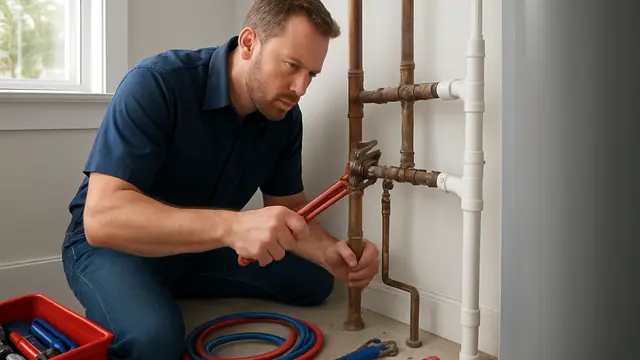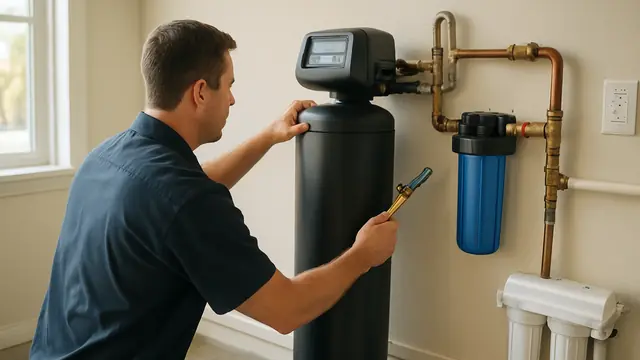
Stop and call for qualified help when plumbing water is near electrical equipment, sewage is entering occupied space, gas or burning odors are present, or a repair would require opening pressurized piping.
Seven warning signs of a hidden plumbing leak in Fort Walton Beach, FL can start with a damp spot beside a vanity that returns after you wipe it up. Rising bills, swollen trim, or dripping in a quiet house make the pattern more concerning.
At home or in a rental property, stop using the fixture connected to the symptom. If water is spreading, close the nearest fixture valve or the main shutoff. Stay clear of wet electrical equipment.
Why Hidden Leaks Are Difficult to Identify
Water may appear several feet from the failed connection because it follows framing, pipe openings, cabinet seams, and low points. A supply pipe can leak continuously because it remains pressurized. A drain may leak only while a sink, shower, washing machine, or toilet is used.
Record the timing and activities that make the symptom change. A stain that grows all day suggests something different from moisture that appears only after a shower.
Seven Warning Signs of a Hidden Plumbing Leak
1. The Water Meter Moves While the Property Is Quiet
Turn off faucets, irrigation, washing machines, dishwashers, and other water-using equipment. Make sure toilets have finished refilling. Photograph the meter reading, avoid water use for 15 to 30 minutes, and compare it again.
Continued movement may indicate leakage, but a running toilet or automatic device must still be ruled out. Never open or alter the utility meter.
2. Cabinets, Trim, or Flooring Begin to Swell
Moisture can cause cabinet bottoms to sag, baseboards to separate, and flooring edges to lift. These changes often develop near plumbing fixtures and appliances.
Run a dry paper towel around accessible valves, flexible connectors, and drain joints. If it becomes wet, stop using the fixture and close its shutoff valve if it operates normally. Do not force it.
3. A Ceiling or Wall Mark Changes Over Time
A stain that darkens, expands, feels cool, or becomes soft should be investigated. The source is not always directly above the mark. Water from a shower, toilet, supply line, or drain can move along framing before it appears.
If a stain enlarges after one activity, stop that activity. Do not puncture a bulging ceiling or stand beneath it.
4. One Area Smells Damp
A persistent musty odor near a closet, cabinet, bathroom, laundry area, or wall may indicate moisture that cannot evaporate. Cleaning may mask it temporarily.
The odor does not confirm mold or identify the failed material. Note whether it becomes stronger after fixture use or after the property has been closed for several hours.
5. You Hear Hissing, Dripping, or Trickling
Plumbing noise is easier to notice when appliances are quiet. First check toilets, refrigerators, irrigation controls, and water heaters for normal sounds.
A constant hiss can suggest water escaping from a pressurized line. A sound heard only during drainage may indicate a loose joint, failed seal, or damaged drain. Do not cut a wall based on sound alone.
6. Pressure Changes at More Than One Fixture
A single slow faucet may have a clogged aerator. A property-wide pressure change may involve a valve, regulator, supply interruption, or substantial leak.
Compare several cold-water fixtures. Ask whether nearby properties have the same problem. When pressure drops suddenly and the meter shows ongoing flow, close the main shutoff and request service.
7. An Area Stays Wet Without Rain or Irrigation
Unexpected moisture beside the building or near the water-service route can indicate underground leakage. Rule out irrigation overspray, roof drainage, condensate lines, pool equipment, and recent rain.
Do not dig to find the pipe. Water can surface away from the break. Mark the wet boundary and photograph changes.
Common Causes Behind These Warning Signs
The problem may be a loose faucet connector, worn appliance hose, failed toilet seal, leaking valve, or drain joint. Other leaks come from a concealed supply pipe, hot-water line, water heater connection, shower assembly, or underground service line.
High pressure can shorten the life of valves and connectors. Corrosion, vibration, movement, poor support, damage, and wear can also contribute. The symptom does not automatically mean the entire plumbing system needs replacement.
Safe Steps Before the Plumber Arrives
Limit water use in the affected area. Move belongings away from damp cabinets or walls without disturbing damaged materials. Place a container beneath an accessible drip, and photograph the damage, meter, and wet fittings.
If active water cannot be controlled with a fixture valve, close the main supply. In a managed property, notify the responsible manager when another unit or common area could be affected.
What Not to Do
Do not pour chemical sealers into water or drain lines. Do not paint damp drywall or assume drying the surface fixes the leak. Avoid opening walls, removing tile, or breaking concrete before testing.
Do not repeatedly tighten a leaking connection. Excess force can split a fitting or damage piping behind the surface. Never work near energized equipment in a wet area.
Urgent Signs That Require Faster Action
Respond immediately when water approaches electrical components, a ceiling sags, sewage is present, flooring feels unstable, the meter moves rapidly, or the main shutoff cannot control the flow. A leak affecting another unit, shared wall, rental, or business space also requires prompt coordination.
How a Licensed Plumber Diagnoses the Problem
Meter testing helps identify continuous water loss. Pressure tests can evaluate supply piping. Fixture isolation can determine whether a toilet, water heater, appliance, or hot-water system is involved.
Moisture meters map damp materials. Acoustic equipment may detect pressurized leakage. Thermal imaging can show unusual temperature patterns. Drain tests or a sewer camera may be appropriate when the symptom occurs only during drainage. A controlled opening may follow once evidence points to a specific area.
Repair Choices, Beginning With the Smallest Practical Fix
A minor leak may be corrected by replacing a supply tube, valve, cartridge, hose, drain fitting, toilet seal, or water heater connector. A targeted opening may allow a sectional pipe repair.
If direct access would destroy extensive finishes, rerouting a line may be less disruptive. When several failures or extensive deterioration are documented, partial or whole-system repiping may be discussed. Replacement should follow evidence, not be the automatic first recommendation.
After repair, the plumber should restore pressure, operate affected fixtures, and confirm that leakage has stopped.
What Determines the Cost?
Cost is affected by diagnostic time, the pipe or fixture involved, accessibility, material, permits when applicable, and testing. Concealed or underground work requires more access planning than an exposed connection.
Drying, water extraction, flooring, drywall, paint, and cabinetry may be separate from plumbing work. Ask for an estimate that identifies diagnosis, access, repair, testing, and restoration responsibilities.
Prevention and Maintenance Guidance
Inspect visible supply lines, appliance hoses, shutoff valves, and water heater connections for corrosion, bulging, or dampness. Correct toilets that rock or run, and investigate recurring stains.
Keep the main shutoff accessible. Have the water pressure tested when connectors fail repeatedly or pipes bang. For an unoccupied property, establish a routine for inspections and water management.
Homeowner FAQs
How small can a hidden leak be?
It can be slow enough to leave no puddle while still increasing water use or keeping materials damp.
Can a toilet leak without making noise?
Yes. Water may pass quietly from the tank to the bowl and cause repeated refilling.
Does a musty smell always mean plumbing is leaking?
No. Roof, drainage, ventilation, and condensation issues can also create moisture. Plumbing should be tested when the odor relates to water use or meter movement.
Can leak detection avoid opening the wall?
It often narrows the location and reduces unnecessary demolition. A controlled opening may still be required for repair.
Who repairs drywall after the pipe is fixed?
That depends on the scope. Ask whether finish restoration is included or requires another professional.
Do Not Ignore the Pattern
The seven warning signs of a hidden plumbing leak in Fort Walton Beach, FL are not limited to obvious puddles. Meter movement, swelling materials, changing stains, damp odors, unexplained sounds, pressure loss, and persistent outdoor moisture all deserve a logical response. Stop the water when necessary, document when the symptom occurs, and obtain a diagnosis before authorizing extensive demolition.
About this guide: This resource provides general homeowner education, not a remote diagnosis. Actual conditions, code requirements, equipment, and safe repair options must be evaluated at the property.