Stop and call for qualified help when plumbing water is near electrical equipment, sewage is entering occupied space, gas or burning odors are present, or a repair would require opening pressurized piping.
You have secured outdoor furniture, charged your phones, and reviewed your evacuation plan. Then you hear a toilet refill by itself, notice that the kitchen sink has been draining more slowly, or find a damp spot beneath the washing machine. In a Fort Walton Beach home, those plumbing clues deserve attention before a hurricane arrives.
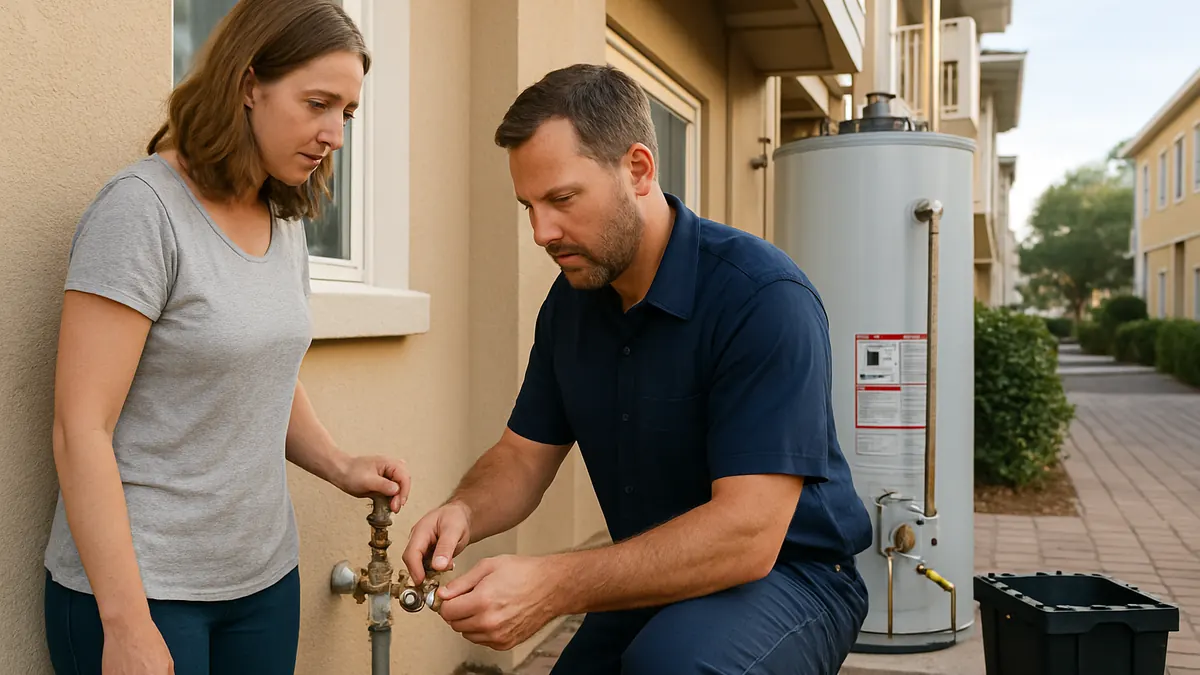
Begin with one safe action: find the main water shutoff and verify that you can reach it without moving heavy items. If it is corroded, dripping, or stuck, arrange service while travel and working conditions are still safe.
This Northwest Florida hurricane plumbing checklist in Fort Walton Beach focuses on practical preparation, safe decision-making, and the steps to take when the plumbing does not behave normally before or after severe weather.
Make a Plumbing Emergency Map for the Household
A simple written or photographed map can prevent confusion. Record the locations of the main shutoff, water meter, water heater, sewer cleanout, washing-machine valves, and fixture shutoffs.
If you live in a condominium, apartment, townhome, or property with shared systems, confirm which valves you are authorized to operate. Do not shut down a shared supply or enter a restricted utility area.
Check for Problems That May Worsen During a Hurricane
A Toilet That Runs or Refills Unexpectedly
A worn flapper, fill valve, or other tank component can waste water. A toilet that refills when no one has used it may also indicate a slow leak from the tank into the bowl. Repairing it before the storm reduces unnecessary water use and makes unusual sounds easier to identify later.
Several Drains That Are Slow
One sluggish fixture may have a nearby clog. Slow drainage in several bathrooms, gurgling, or water appearing in a lower fixture may point to a main drain restriction.
Moisture Beneath Appliances
Inspect connections serving the washing machine, dishwasher, refrigerator, and water heater. Damp flooring, corrosion, mineral deposits, or swollen cabinetry may indicate a small leak that has been present for some time.
An Unreliable Main Valve
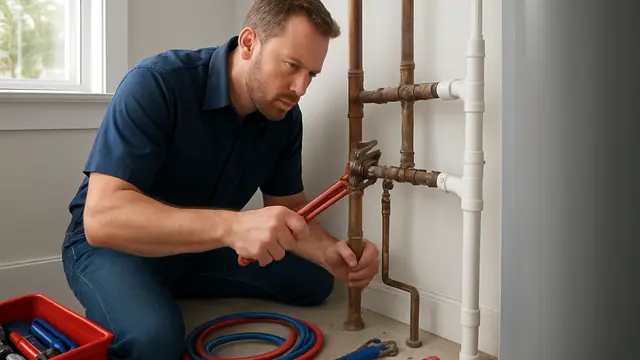
A shutoff that will not operate is a serious preparedness gap. During an active pipe leak, every minute matters. Professional replacement before the storm is safer than attempting to force the valve during an emergency.
Safe Homeowner Checks
- Turn off faucets and confirm that no toilet is running. Look at the water meter and note whether the leak indicator or reading changes.
- Test fixture shutoffs only with gentle pressure. Stop if the handle is frozen, heavily corroded, or begins leaking.
- Run each drain briefly and watch the lowest fixtures in the home. Stop using water if a tub, shower, or floor drain begins filling.
- Inspect the water-heater drain pan and visible connections.
Actions to Avoid
Do not climb on the roof to clear a vent as weather approaches. Do not open a sewer cleanout when fixtures are backing up; wastewater may discharge suddenly.
Avoid chemical drain openers. They may not clear roots, damaged piping, or a main-line obstruction, and the chemical can remain in standing wastewater.
Never work on plumbing beside standing water and energized electrical equipment. Leave the area and shut off power only when the electrical panel is safely accessible and you are following appropriate emergency guidance.
Do not relight, restart, or energize a water heater that may have been flooded. Inspection may be required before the equipment can be used safely.
Urgent Warning Signs Before or After the Storm
Stop using plumbing and seek professional guidance when sewage backs up into fixtures, water appears near electrical components, a ceiling begins sagging from trapped water, the meter shows significant unexplained use, or a service line is visibly damaged.
If you cannot determine whether water is contaminated, avoid direct contact. Keep children and pets away from affected areas.
How a Licensed Plumber Finds the Source
Diagnosis begins with the pattern. The plumber asks which fixtures are affected, when the problem started, whether the property lost power or water service, and whether flooding or debris reached plumbing components.
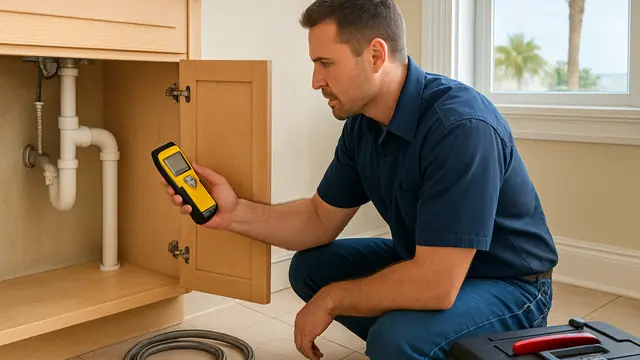
A supply-side investigation may include meter testing, pressure testing, fixture isolation, valve inspection, and electronic or acoustic leak detection. Hidden-leak tools help narrow the search, but access openings may still be necessary to confirm the exact failure.
Drain diagnosis may include testing individual branches, inspecting cleanouts, professional cable cleaning, hydro jetting when suitable, and sewer-camera inspection. The selected method depends on pipe condition, blockage type, and safe access.
Repair Choices From Simple to Extensive
The first reasonable option may be replacing a toilet flapper, tightening or replacing a fixture connector, installing a new shutoff valve, or clearing a localized trap or branch drain.
A recurring main-line problem may require professional cleaning followed by camera inspection. If the camera shows one damaged section, a targeted repair may be possible. Extensive replacement is considered when damage is widespread, the pipe is failing in several places, or a localized repair will not provide a dependable result.
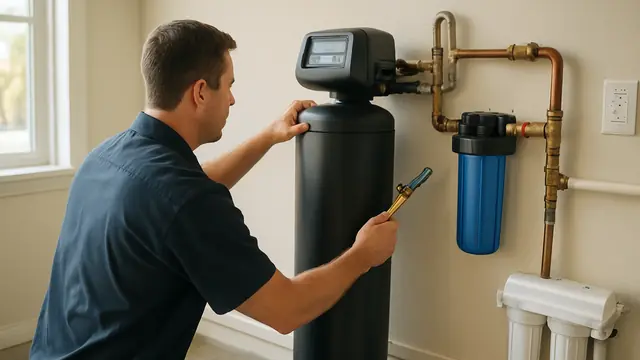
Water-heater replacement is not automatic. Some valves, controls, connectors, or drain components can be serviced. A leaking tank, severe corrosion, unsafe damage, or impractical repair may make replacement the appropriate choice.
What Determines the Cost?
The cost is influenced by diagnosis time, accessibility, pipe size and material, the amount of damaged piping, fixture or equipment requirements, permits, code-related corrections, and restoration after concealed work.
Timing also matters. A planned repair under normal conditions differs from emergency work after a storm, when travel, power, materials, and safe access may be limited.
Ask for an explanation of the observed problem, recommended repair, exclusions, and alternatives. An estimate should be tied to actual findings rather than assumptions.
Prevention for the Next Hurricane
Schedule recurring drain problems and small leaks for repair rather than waiting for a storm forecast. Replace visibly cracked, bulging, or corroded appliance connectors with properly selected components. Keep shutoffs accessible and identify which ones operate shared or private systems.
After the storm, inspect the home before resuming normal water use. Follow official boil-water or conservation notices, and do not use discolored or suspicious water contrary to local instructions.
Use This Fort Walton Beach Hurricane Plumbing Checklist Early
The best time to use a Northwest Florida hurricane plumbing checklist in Fort Walton Beach is before supplies are limited and conditions become unsafe. Map the shutoffs, investigate slow drains, repair small leaks, protect exposed components, and leave roof, sewer, gas, and electrical hazards to qualified professionals. After the storm, follow official water guidance and respond promptly to sewage, leaks, or equipment damage.
About this guide: This resource provides general homeowner education, not a remote diagnosis. Actual conditions, code requirements, equipment, and safe repair options must be evaluated at the property.