Stop and call for qualified help when plumbing water is near electrical equipment, sewage is entering occupied space, gas or burning odors are present, or a repair would require opening pressurized piping.
You are under contract on a Fort Walton Beach home, the inspection deadline is approaching, and the kitchen faucet sputters while an upstairs toilet keeps refilling. The seller says both are minor, but you do not yet know whether they are isolated repairs or signs of a larger plumbing issue. The safe immediate step is to stop short of taking anything apart. Record the symptoms, ask when they began, and schedule a licensed plumber before your inspection period closes.
A plumbing inspection checklist before buying a Northwest Florida home in Fort Walton Beach gives you information that a quick walkthrough cannot. The purpose is not to predict every future repair. It is to test normal operation, identify visible defects, recognize patterns, and explain which findings need correction now versus routine planning after closing.
Review the Plumbing History Before Testing
Start by asking for invoices, permits, warranties, and dates for previous plumbing work. Useful records may include water-heater replacement, drain cleaning, sewer repair, fixture remodeling, leak restoration, or repiping.
Ask whether the home has experienced recurring backups, high water bills, unexplained stains, or periods when the water was shut off. Clear answers help the plumber focus the inspection.
Plumbing Inspection Checklist Before Buying a Northwest Florida Home in Fort Walton Beach: Test Water Flow
The plumber should operate hot and cold water at each accessible fixture. Flow should be reasonably steady, and hot water should arrive without unusual delay or discoloration.
Low flow at one faucet may come from a clogged aerator or worn cartridge. Low flow throughout the home can point to a valve, regulator, supply-line, or piping problem. A sudden pressure drop when several fixtures run together may reveal restricted flow.
Examine Toilets, Sinks, Tubs, and Showers
Every toilet should flush, refill, stop running, and remain firm at the floor. Rocking can damage the seal beneath the toilet. Moisture at the base may come from the seal, condensation, a supply connection, or another nearby source, so the cause should be confirmed rather than assumed.
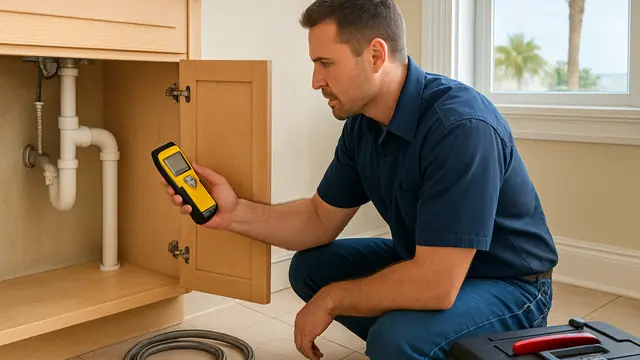
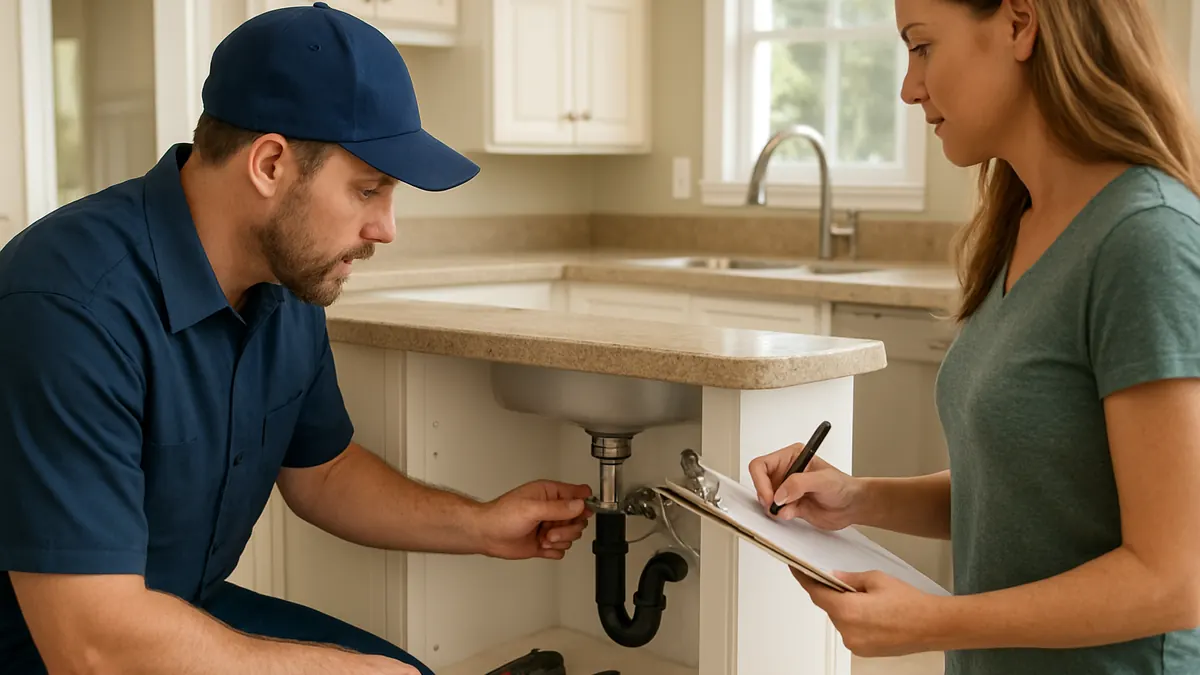
At sinks, inspect the faucet, drain assembly, trap, supply connectors, shutoff valves, and cabinet floor. Staining, corrosion, swollen material, or makeshift supports can reveal current or previous trouble.
Tubs and showers should drain without prolonged standing water. The plumber watches for leakage below the fixture, loose trim, damaged connections, and signs of moisture on nearby walls or ceilings.
Determine Whether Slow Drains Are Local or Systemwide
One slow bathroom sink often has a blockage near that fixture. Multiple slow drains, gurgling, sewer odor, or water rising in a tub when another fixture drains can suggest a restriction in a larger branch or main line.
The plumber may test fixtures in a planned sequence, inspect accessible cleanouts, and recommend a sewer camera when symptoms or history justify it. The camera can reveal obstructions, damaged sections, offsets, standing water, or other visible conditions inside the line.
Evaluate the Water Heater
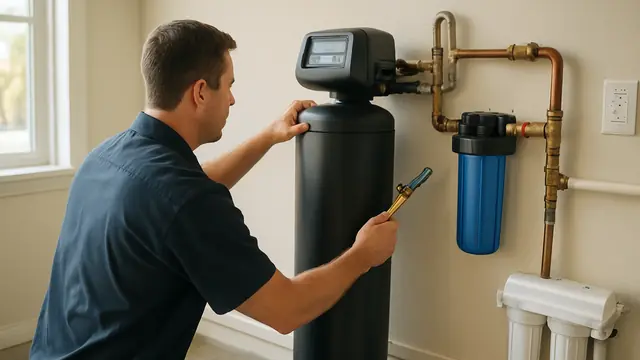
The water heater deserves more than a glance at its age label. The plumber checks for active leakage, rust, damaged connections, proper shutoff access, a suitable drain pan where applicable, and visible safety concerns.
The temperature-and-pressure relief valve protects the tank if temperature or pressure becomes unsafe. Buyers should not operate it themselves during a showing because an older valve may leak afterward. Its discharge piping and installation should be evaluated by a qualified professional.
For gas equipment, visible venting and combustion-related conditions require attention. For electric equipment, damaged covers, scorched areas, or exposed wiring are warning signs. Water around the base or repeated loss of hot water should be investigated promptly.
Search for Hidden-Leak Clues
Hidden leaks may leave brown ceiling marks, peeling paint, loose flooring, warped trim, damaged cabinets, or a musty odor. A patched ceiling may represent a completed repair, but it may also conceal a problem that was never fully diagnosed.
Safe Checks the Buyer Can Perform
Run each faucet under normal conditions and compare hot and cold flow. Flush every toilet and listen after the tank refills. Watch whether sinks, tubs, and showers empty normally. Look beneath cabinets without moving plumbing components.
Check the water-heater area for moisture and look at ceilings below bathrooms. Observe the water meter only if access is safe and permitted; movement while all known fixtures are off can justify further leak testing.
Write down each concern and its location. A list is more useful than trying to remember details after several showings.
What Not to Do During the Inspection
Do not force shutoff valves, remove cleanout plugs, open water-heater electrical panels, disassemble traps, or test safety valves. Do not use chemical drain cleaner to make a slow drain appear normal.
Warning Signs That Require Prompt Attention
Active water leakage, sewage backup, strong sewer odor, wet flooring, a loose toilet, water near electrical components, or moisture around the water heater should be addressed quickly.
Several slow drains, unexplained meter movement, recurring stains, or a sudden pressure change also justify prompt diagnosis. If utilities are off, access is blocked, or the seller will not permit normal fixture testing, the buyer should recognize that the plumbing condition remains unverified.
How a Licensed Plumber Reaches a Diagnosis
The plumber combines history, visual inspection, fixture testing, pressure information, drain behavior, moisture readings, and specialized tools when necessary.
Diagnosis should connect the symptom to the likely source. A running toilet may need a fill-valve adjustment. A ceiling stain may come from a supply line, drain connection, shower enclosure, or non-plumbing source. Multiple backups may require main-line testing rather than repeated treatment of individual drains.
A useful report identifies confirmed defects, limitations, recommended next steps, and relative urgency.
Repair Choices From Smallest Reasonable Fix to Replacement
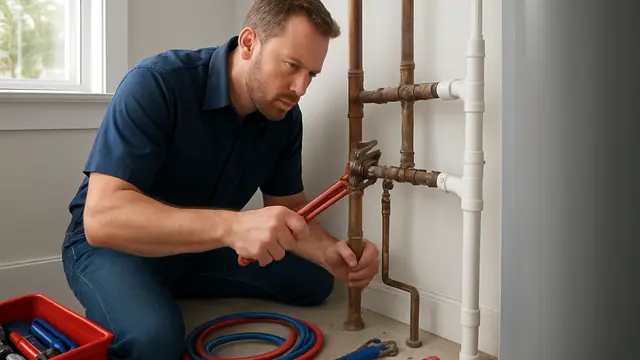
Minor repairs may include a new toilet component, faucet cartridge, supply connector, drain seal, shutoff valve, or trap part.
The next level may involve professional drain clearing, localized pipe repair, fixture replacement, water-heater component correction, or installation of a usable cleanout.
Larger projects may include water-heater replacement, sewer-line repair, partial repiping, or whole-home repiping. Replacement should be based on documented condition, repeat failures, access, expected service life, and repair practicality-not merely on the presence of one small defect.
Factors That Affect Cost
Cost varies with access, pipe material, problem location, labor, equipment, permits, testing needs, and restoration after plumbing work.
An exposed connection is usually simpler to repair than piping below a slab or behind finished surfaces. Drain and sewer costs depend on the obstruction or damage, line depth, access, and repair length. Water-heater work depends on equipment type, capacity, and installation corrections.
Request a written scope so you can compare actual work rather than only total estimates.
Maintenance After You Purchase
Locate and label the main shutoff. Learn which valves control toilets, sinks, appliances, and the water heater. Replace worn hoses and connectors, correct small leaks quickly, and avoid putting grease, wipes, or unsuitable objects into drains.
Keep records of inspections and repairs. When the home will be vacant, arrange periodic checks and consider whether shutting off the water is appropriate for the property and equipment.
Buy With Clear Plumbing Information
A plumbing inspection checklist before buying a Northwest Florida home in Fort Walton Beach helps you identify immediate defects, likely maintenance, and conditions that require additional testing. With documented findings, you can decide whether to proceed, negotiate, or plan repairs with fewer surprises.
About this guide: This resource provides general homeowner education, not a remote diagnosis. Actual conditions, code requirements, equipment, and safe repair options must be evaluated at the property.