Stop and call for qualified help when plumbing water is near electrical equipment, sewage is entering occupied space, gas or burning odors are present, or a repair would require opening pressurized piping.
An unexplained water-bill increase, damp bathroom odor, bubbling paint, or water sounds with every faucet off may be among the seven warning signs of a hidden plumbing leak in Destin, FL.
For a Destin homeowner, stop using the fixture connected to the symptom, stay away from wet electrical areas, and locate the main water shutoff. If water is actively spreading, shut off the supply and call a plumber. Water may travel behind finishes.
Seven Warning Signs of a Hidden Plumbing Leak
1. Your Water Bill Increases Without an Explanation
An unexplained rise in water use is one of the clearest warning signs. First consider guests, irrigation, pool filling, or occupancy changes. If none explains the increase, water may be escaping through a toilet, supply line, water heater connection, underground pipe, or concealed fitting.
Turn off faucets, irrigation, appliances, and other equipment that uses water. Confirm that toilets are not refilling. Photograph the meter, wait 15 to 30 minutes without using water, and check again. Movement suggests possible water loss, but it does not reveal the source.
2. Stains, Bubbling Paint, or Soft Drywall Appear
Yellow or brown ceiling marks, peeling paint, swollen baseboards, and softened drywall often mean moisture is entering a finished surface. The leak may not be directly above the damage because water can follow framing and piping.
Use a dry paper towel on exposed fittings and stop using any fixture that makes the area wetter. Do not push on a sagging ceiling; damaged material may fall.
3. A Musty Odor Keeps Returning
A damp, earthy odor that returns after cleaning can point to moisture inside a cabinet, wall, ceiling, or floor. Hidden moisture does not prove mold is present, but it creates favorable conditions.
Notice when the odor is strongest. Does it increase after a shower, dishwasher cycle, laundry load, or extended vacancy? That timing helps a plumber narrow the possibilities. In a second home or vacation property, an odor noticed on arrival deserves prompt attention.
4. You Hear Water When Everything Is Off
Hissing, dripping, trickling, or rushing inside a wall may indicate a supply leak or drain leak. First rule out a refilling toilet, ice maker, irrigation system, and operating appliance.
A supply leak may be audible continuously because the pipe stays under pressure. A drain leak usually appears only when a fixture is used. Note whether the sound is constant or activity-related. Do not drill, saw, or probe the wall to follow it.
5. Flooring Changes Shape, Color, or Temperature
Loose tile, dark grout, lifting laminate, cupped wood, or soft flooring can indicate moisture underneath. A warm floor area may suggest a hot-water leak, although sunlight, ductwork, and appliances can create similar warmth.
Compare the area with nearby flooring and photograph changes. Stop using nearby plumbing if damage grows after a shower, bath, sink use, or dishwasher cycle. Avoid removing flooring before the source is localized; unplanned demolition can increase restoration work.
6. Water Pressure Drops or Fluctuates
A pressure reduction at several fixtures can result from a partially closed valve, regulator problem, utility interruption, or significant leak. Low flow at one faucet is more likely a local aerator, cartridge, or supply issue.
Check several cold-water fixtures and ask whether nearby properties have similar symptoms. If pressure is falling while the meter continues to move, shut off the main supply and seek service. Do not increase pressure to compensate.
7. Unexplained Damp Areas Develop Outside
Persistent wet soil, erosion near the water-service entry, or water beside the foundation can indicate an underground leak. First rule out rain, irrigation, roof runoff, condensate drains, and pool equipment.
Mark and photograph the area rather than digging. Buried water may travel along a trench and surface away from the damaged pipe. Rapid expansion, pressure loss, or water near electrical equipment makes it urgent.
What Commonly Causes a Hidden Plumbing Leak?
Concealed leaks often begin at fixture connections, appliance hoses, toilet seals, drain fittings, valves, water heater connections, or damaged pipe sections. Corrosion, excess pressure, movement, age, or installation stress can contribute.
Drain leaks may occur only when water flows. Supply leaks can continue around the clock. Diagnosis should come before demolition or replacement recommendations.
Safe Checks a Homeowner Can Perform
You can document the meter reading, inspect exposed valves and supply tubes with a dry paper towel, test whether one fixture triggers the symptom, and photograph stains or flooring changes. Know where the main shutoff is before an emergency.
If a fixture shutoff safely stops the water, leave it closed until inspection. When water is near electricity, do not enter the wet area or touch electrical devices.
What You Should Not Attempt
Do not open walls, cut ceilings, remove flooring, excavate around utilities, or pour leak-sealing chemicals into the plumbing. Do not keep operating a shower, toilet, appliance, or water heater that makes damage worse.
A bucket may control a visible drip temporarily, but it is not a repair. Over-tightening a fitting can crack another component or twist a pipe inside the wall.
When the Problem Requires Urgent Service
Treat the leak as urgent when water is near wiring, a ceiling sags, flooring becomes unstable, pressure drops sharply, the meter moves rapidly, sewage appears, or water cannot be controlled with a fixture shutoff. Act promptly when another condo unit, rental guest, shared wall, or occupied room may be affected.
How a Licensed Plumber Finds the Source
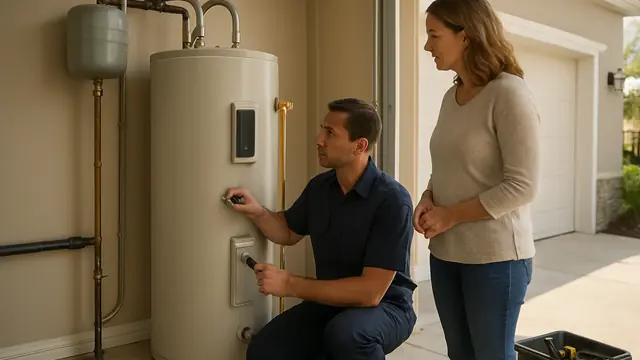
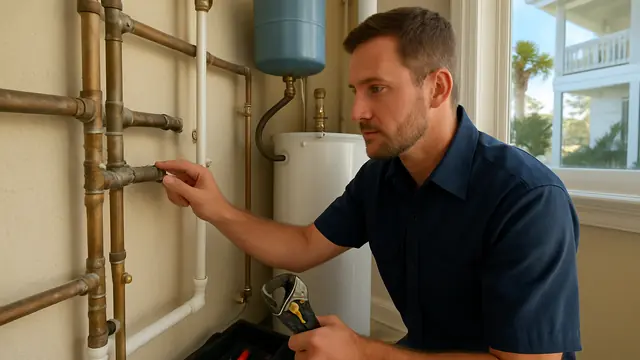
A plumber asks when the symptom began and what activity changes it. The inspection may include exposed piping, fixture shutoffs, meter behavior, water pressure, hot- and cold-line isolation, and drain testing.
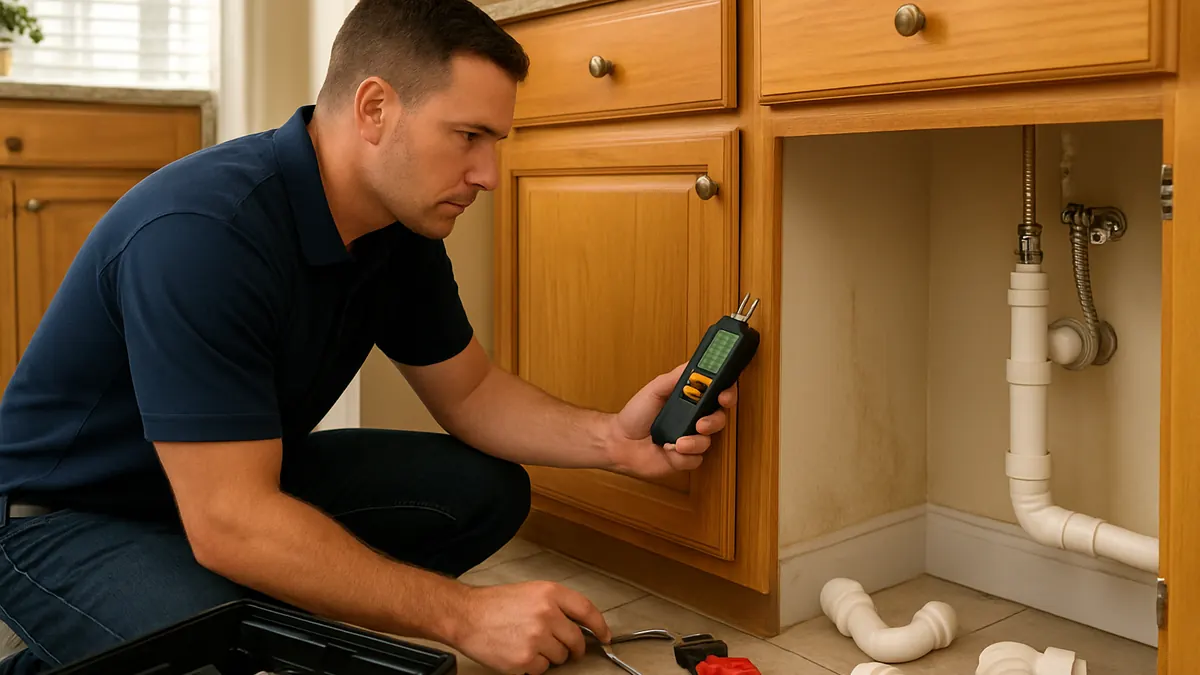
Depending on the location, the plumber may use moisture meters, acoustic equipment, thermal imaging, pressure testing, tracer methods, or a sewer camera. No single tool identifies every leak. The goal is to combine evidence and limit unnecessary openings.
Repair Options From Least to Most Invasive
The least invasive repair may be replacing an accessible supply tube, valve, cartridge, appliance hose, drain seal, toilet ring, or connection. A confirmed pipe failure may be repaired through one controlled opening.
When a concealed line has a localized failure and the remaining pipe is serviceable, sectional replacement may be appropriate. Sometimes a line can be rerouted through a more accessible path.
Broader repiping is considered when failures repeat, the material is extensively deteriorated, or several weak sections are found. The recommendation should explain why a limited repair, reroute, or larger replacement fits the evidence.
Factors That Affect Repair Cost
Cost depends on diagnostic time, accessibility, pipe material and size, supply-versus-drain location, and surfaces limiting access. Tile, concrete, excavation, emergency timing, drying, and restoration can affect the total.
Ask the plumber to distinguish diagnosis, access, repair, testing, and restoration.
Prevention and Maintenance
Test accessible shutoff valves periodically and replace corroded supply lines or worn appliance hoses. Investigate toilet movement, cabinet swelling, recurring pressure changes, and unexplained meter activity early.
Have water pressure checked when fixtures repeatedly fail or pipes bang. Before an extended absence, use a shutoff plan that accounts for irrigation, appliances, fire-protection systems, and building requirements.
Take the Next Appropriate Step
Seven warning signs of a hidden plumbing leak in Destin, FL include unexplained water use, damaged surfaces, persistent odors, water sounds, flooring changes, pressure problems, and unusual damp areas. Document what you see, stop using the likely source, shut off water when active leakage is spreading, and arrange professional testing rather than guessing.
About this guide: This resource provides general homeowner education, not a remote diagnosis. Actual conditions, code requirements, equipment, and safe repair options must be evaluated at the property.