Stop and call for qualified help when plumbing water is near electrical equipment, sewage is entering occupied space, gas or burning odors are present, or a repair would require opening pressurized piping.
You are standing in a Mary Esther home that checks many of your boxes when you notice a slow guest-bath drain, a faint musty smell inside the kitchen sink cabinet, and a water heater with no visible service records nearby. None of these findings automatically means the home has a major plumbing failure. However, they do mean the system deserves a closer look before you close. The safest immediate action is to document each concern, avoid forcing valves or opening plumbing components, and schedule a licensed plumbing inspection while your inspection period is still active.
A plumbing inspection checklist before buying a Northwest Florida home in Mary Esther evaluates the water supply, fixtures, drains, water heater, and accessible piping. Its purpose is to replace assumptions with verified information.
Begin With the Property's Plumbing History
Before testing fixtures, ask for available invoices, permits, warranties, and repair records. Useful documents may include water-heater replacement, repiping, drain cleaning, sewer repair, bathroom remodeling, leak restoration, or appliance-connection work.
Ask about recurring backups, unexplained water use, ceiling stains, wet cabinets, or water shutoffs. Repeated repairs in one area deserve closer investigation.
Plumbing Inspection Checklist Before Buying a Northwest Florida Home in Mary Esther: Check the Water Supply
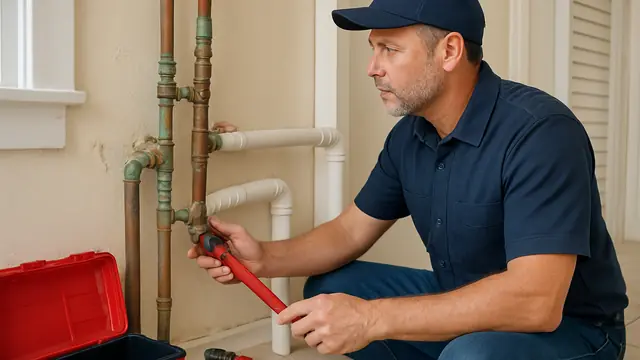
A licensed plumber should identify the main water shutoff and evaluate whether it is accessible. The surrounding piping should be checked for leakage, corrosion, unsupported sections, damaged fittings, temporary patches, or signs of previous repair.
Do not force an unfamiliar shutoff valve. A valve that has not moved in years can begin leaking or fail when operated. A plumber can determine whether it is serviceable.
Pressure and flow should be evaluated throughout the home. Weak flow at one faucet may come from an aerator or cartridge. Weak flow in several rooms may involve the main valve, regulator, service line, or internal piping.
Test Every Sink, Toilet, Tub, and Shower
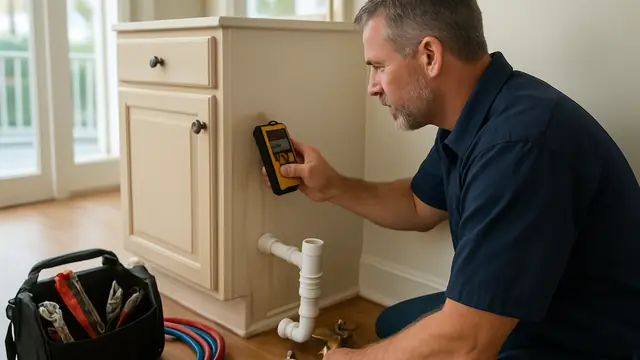
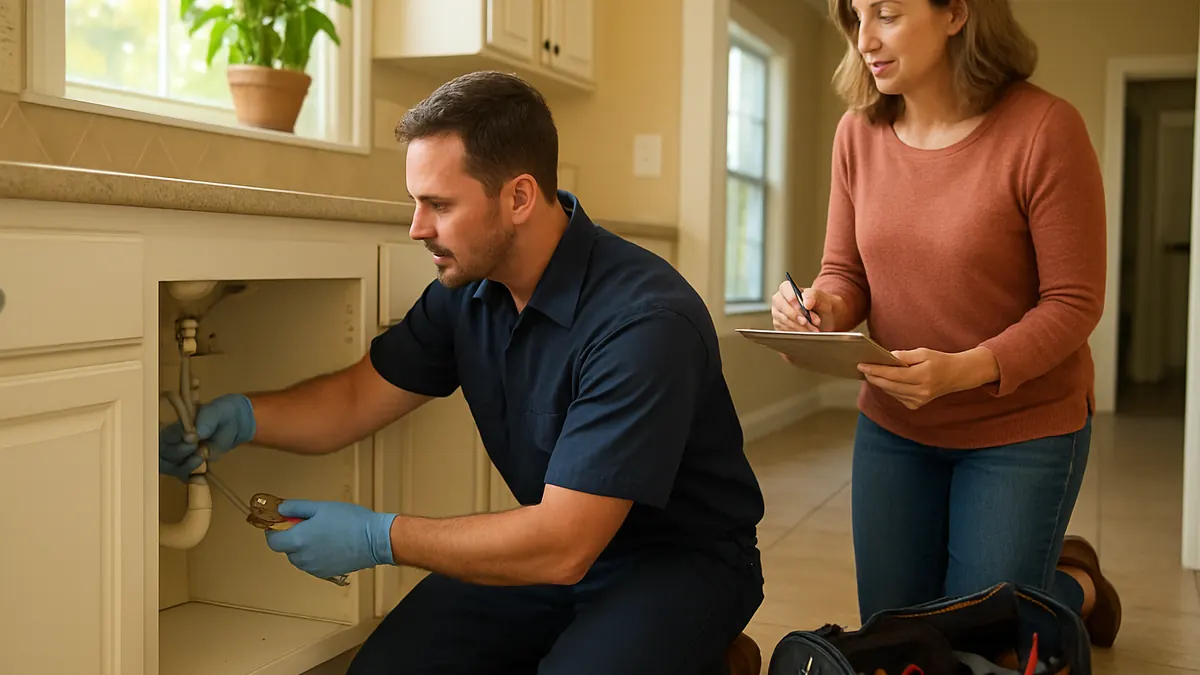
Each fixture should be operated under normal conditions. At sinks, the plumber checks the faucet, hot and cold connectors, shutoff valves, drain assembly, trap, and cabinet floor.
A musty odor inside a cabinet can come from a slow leak, past water damage, damp materials, or another nearby source. The plumber may test the faucet, drain, and nearby appliances separately.
Toilets should flush completely, refill normally, stop running, and remain stable at the floor. A rocking toilet can damage the floor seal. Moisture near the base may come from the seal, supply connection, tank hardware, or condensation.
Tubs and showers should drain without prolonged pooling. The plumber should also look for loose trim, damaged connections, stains, and moisture on walls, floors, or ceilings below.
Inspect the Kitchen and Laundry Connections
The kitchen includes several possible leak points. The plumber should inspect the faucet, sink drain, disposal where present, dishwasher hose, refrigerator supply line, and shutoff valves.
Laundry hoses remain pressurized, and the drain handles rapid discharge. Brittle hoses, corroded valves, or overflow evidence may need correction.
Evaluate the Water Heater and Its Safety Components
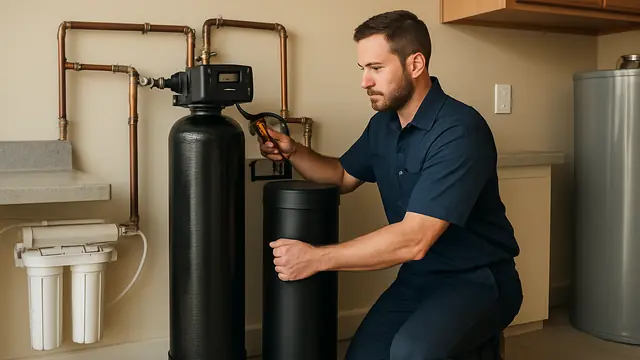
The plumber checks the water heater for leakage, rust, damaged fittings, shutoff access, drain-pan condition, and visible gas or electrical concerns.
The temperature-and-pressure relief valve is designed to release water if the tank reaches an unsafe condition. Buyers should not test the valve themselves because an older valve may fail to reseal. A plumber can evaluate the valve and discharge piping without creating unnecessary risk.
Water around the base, rust streaks, scorched wiring, damaged venting, inconsistent temperature, or repeated loss of hot water should be investigated before closing.
Determine Whether Drain Problems Are Local or Systemwide
One slow sink often has a localized restriction near the stopper, trap, or branch drain. Multiple slow drains, toilet gurgling, sewer odor, recurring backups, or water rising in a tub when another fixture drains can indicate a larger restriction.
A plumber may test fixtures, inspect cleanouts, and recommend a sewer camera when symptoms justify it. Camera footage can reveal visible buildup, standing water, offsets, obstructions, cracks, or damaged sections.
Safe Checks the Buyer Can Perform
Run hot and cold water at each accessible faucet and compare flow. Flush every toilet and wait to see whether it stops filling. Watch how quickly sinks, tubs, and showers drain.
Look beneath cabinets without moving pipes or fittings. Check flooring around toilets, appliances, and the water heater. Inspect ceilings below bathrooms and ask for documentation of any repaired stains.
Write down exactly when a symptom occurs. "The kitchen drain leaks only when the sink is full" is more useful than saying that the cabinet looks damp.
What the Buyer Should Not Attempt
Do not force shutoff valves, remove cleanout caps, disassemble drain traps, open water-heater electrical covers, adjust gas components, or operate the relief valve.
Do not pour chemical drain cleaner into a slow fixture before inspection. It can create a hazard for the plumber, affect some plumbing components, and temporarily hide the symptom without identifying the cause.
Do not assume that new paint or a dry stain proves a leak was corrected. Request documentation or professional testing.
Signs That Make the Problem Urgent
Prompt attention is appropriate for active leakage, wastewater backup, strong sewer odor, wet ceilings, water near electrical components, an unstable toilet, or moisture around the water heater.
Several slow drains, unexplained water-meter movement, sudden pressure changes, or repeated repairs in the same area also deserve timely evaluation. If the water is off or important plumbing areas are inaccessible, the system cannot be considered fully tested.
How a Licensed Plumber Diagnoses the System
- A plumber combines property history, visual inspection, pressure testing, fixture operation, moisture readings, drain testing, and specialized tools.
- The goal is to identify the cause. A weak faucet may need a small repair, while low flow throughout the home requires broader supply evaluation.
- A useful report should identify defects, limitations, next steps, and urgency.
Repair Options From Least Invasive to More Extensive
Small repairs may include replacing an aerator, faucet cartridge, toilet component, supply connector, drain seal, trap part, appliance hose, or worn shutoff valve.
Moderate work may include professional drain clearing, localized pipe repair, fixture replacement, water-heater component correction, or installation of an accessible cleanout.
More extensive work may involve water-heater replacement, underground sewer repair, partial repiping, or whole-home repiping. Broad replacement should follow documented evidence of repeated failure, widespread deterioration, poor access, or impractical repair.
Typical Factors Affecting Cost
Cost depends on access, location, materials, labor, testing, permits, and restoration.
An exposed leak inside an open cabinet is generally easier to reach than piping behind tile or beneath a slab. Sewer work varies with depth, length, access, and defect type. Water-heater work depends on equipment, capacity, energy source, and necessary installation corrections.
Prevention and Maintenance After Closing
Locate and label the main shutoff and individual fixture valves. Replace worn appliance hoses, repair small leaks promptly, and keep grease, wipes, and unsuitable materials out of drains.
Follow manufacturer guidance for water-heater maintenance. Keep repair records and watch for changes in pressure, drainage, sounds, or water use.
Make the Purchase With Verified Plumbing Information
A plumbing inspection checklist before buying a Northwest Florida home in Mary Esther helps you separate routine maintenance from targeted repair, additional testing, or larger planning. Documented findings make it easier to proceed, negotiate, or request corrections before closing.
About this guide: This resource provides general homeowner education, not a remote diagnosis. Actual conditions, code requirements, equipment, and safe repair options must be evaluated at the property.